

Metabolic
AOD-9604 vs GLP-1 Agonists — Two Philosophies of Fat Metabolism
AOD-9604 vs GLP-1 agonists compared: direct adipose signaling versus appetite and incretin pathways, evidence quality, and research fit.

Two Completely Different Philosophies
AOD-9604 and GLP-1 agonists both appear in the OSYRIS Metabolic category, but they represent fundamentally different approaches to studying fat metabolism:
AOD-9604 acts on fat tissue directly. It activates beta-3 adrenergic receptors on adipocytes, triggering hormone-sensitive lipase to release fatty acids from stored triglycerides. It also inhibits lipogenic enzymes, reducing new fat synthesis. AOD-9604 doesn't affect appetite, insulin, glucose, or IGF-1 — it's a targeted intervention on adipose tissue metabolism.
GLP-1 agonists act on the brain and pancreas. They suppress appetite through hypothalamic and brainstem signaling, enhance glucose-dependent insulin secretion, and slow gastric emptying. Fat loss occurs as a downstream consequence of reduced caloric intake — not through direct action on fat cells.
These mechanisms are not just different — they're orthogonal. One targets the supply side (how much fat is stored and mobilized). The other targets the demand side (how much food is consumed). This orthogonality makes combination research conceptually rational: could targeting both simultaneously produce effects beyond either approach alone?
The Evidence Gap
GLP-1 agonists have dramatically stronger clinical evidence. Phase 3 trials with thousands of participants show 15-24% body weight reduction. The evidence is robust, replicated, and FDA-approved.
AOD-9604's clinical evidence is weaker. The Phase 2 oral trial confirmed safety but didn't meet its primary weight loss endpoint. Whether this reflects the compound's biology or the trial design (oral delivery of a peptide, potentially suboptimal dosing) is debated.
In preclinical models (obese Zucker rats), AOD-9604 clearly reduces body fat. The preclinical-to-clinical translation gap remains the main question mark.
When to Use Which
GLP-1 agonists for protocols studying incretin signaling, appetite biology, glucose metabolism, or when the strongest available clinical evidence base is required.
AOD-9604 for protocols requiring direct adipose tissue intervention without appetite or insulin confounders, for studying GH-fragment biology specifically, or for fat metabolism research where central appetite signaling is not the variable of interest.
Both for combination protocols testing whether direct lipolysis + appetite suppression produces additive effects.
Featured Links
 Research Product
AOD-9604
Research Product
AOD-9604
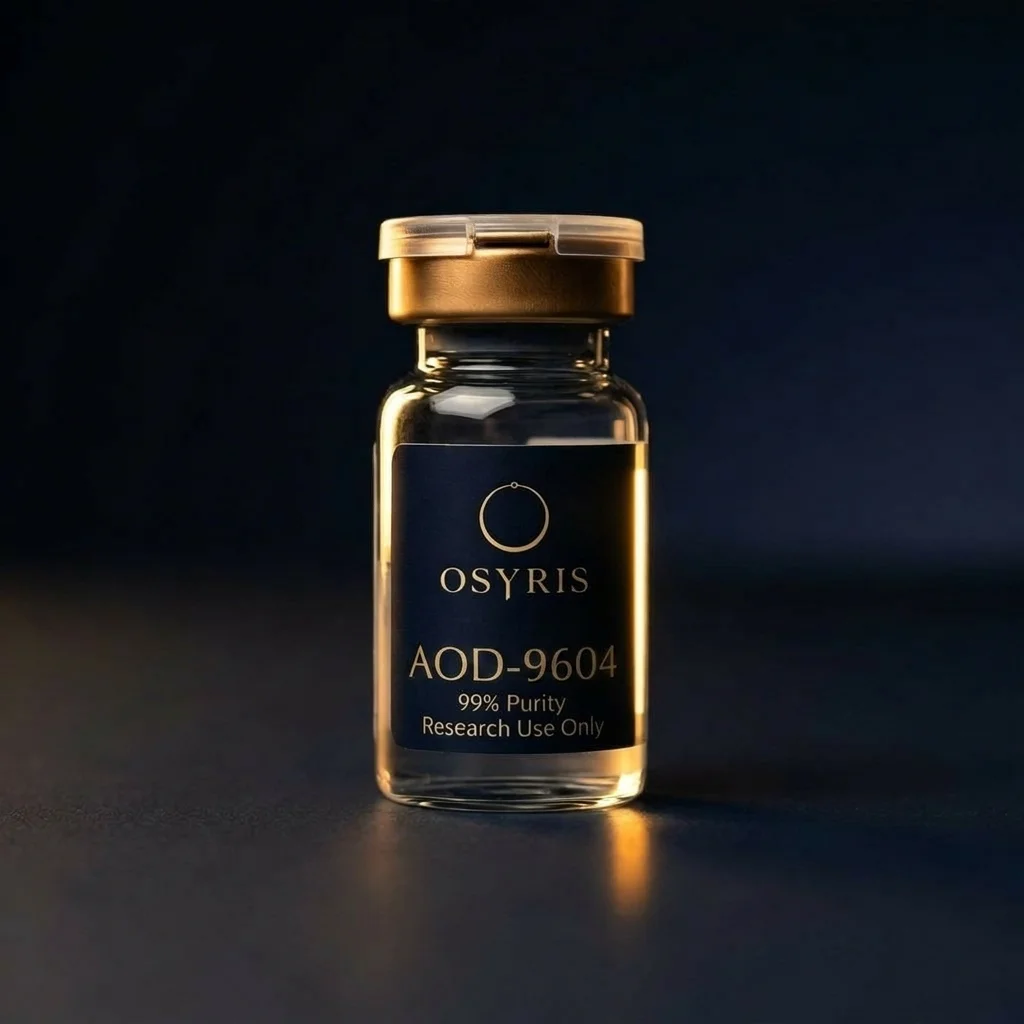
AOD-9604 is a synthetic peptide fragment of human growth hormone (hGH), comprising amino acids 176–191. Designed to focus on fat metabolism without affecting IGF-1 or glucose levels, it is widely studied in metabolic and obesity-related research. AOD-9604 is intended exclusively for controlled laboratory use in scientific research.
View product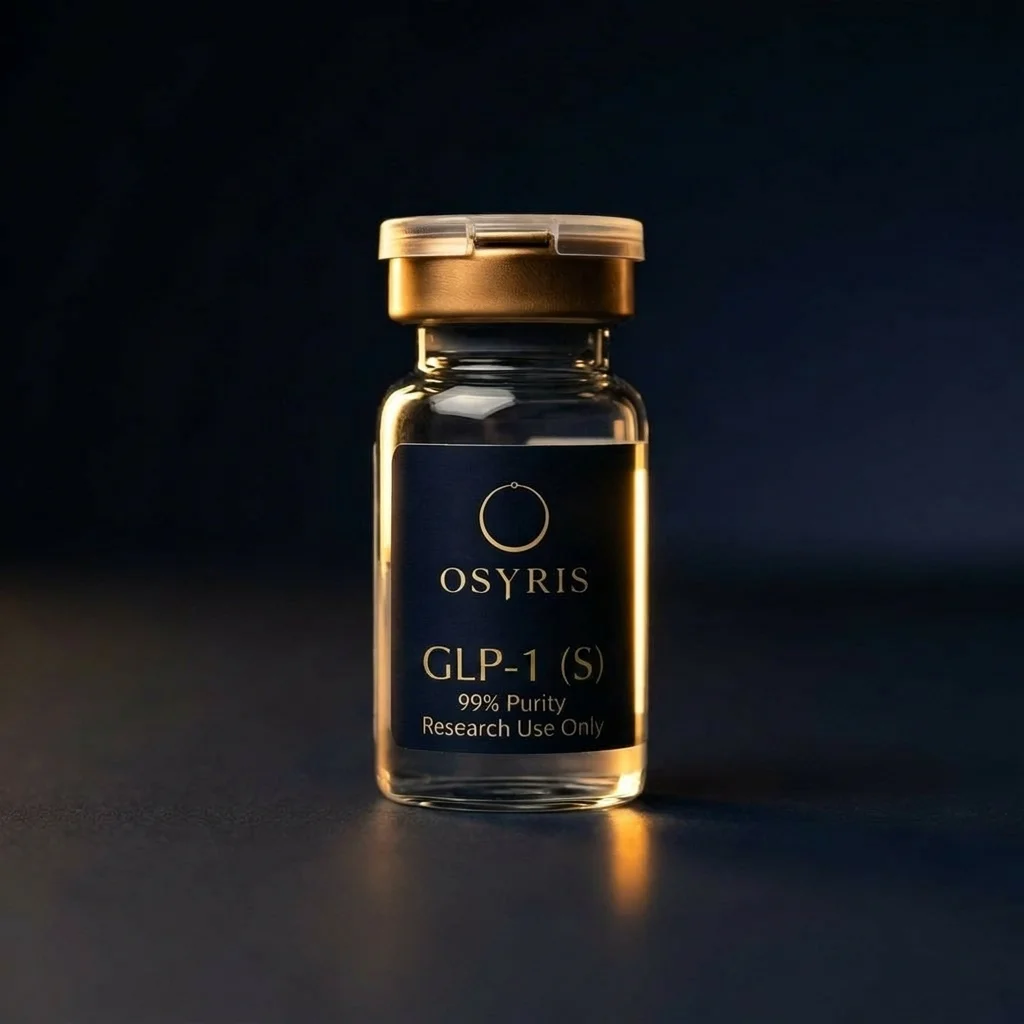 Research Product
S)
Research Product
S)
GLP – 1 (S) is a synthetic GLP-1 receptor agonist peptide developed for the investigation of glucose regulation, insulin signaling, and appetite pathways. It is structurally modified to resist enzymatic degradation and prolong half-life. GLP – 1 (S) is supplied for controlled laboratory research and is not intended for human or veterinary use.
View product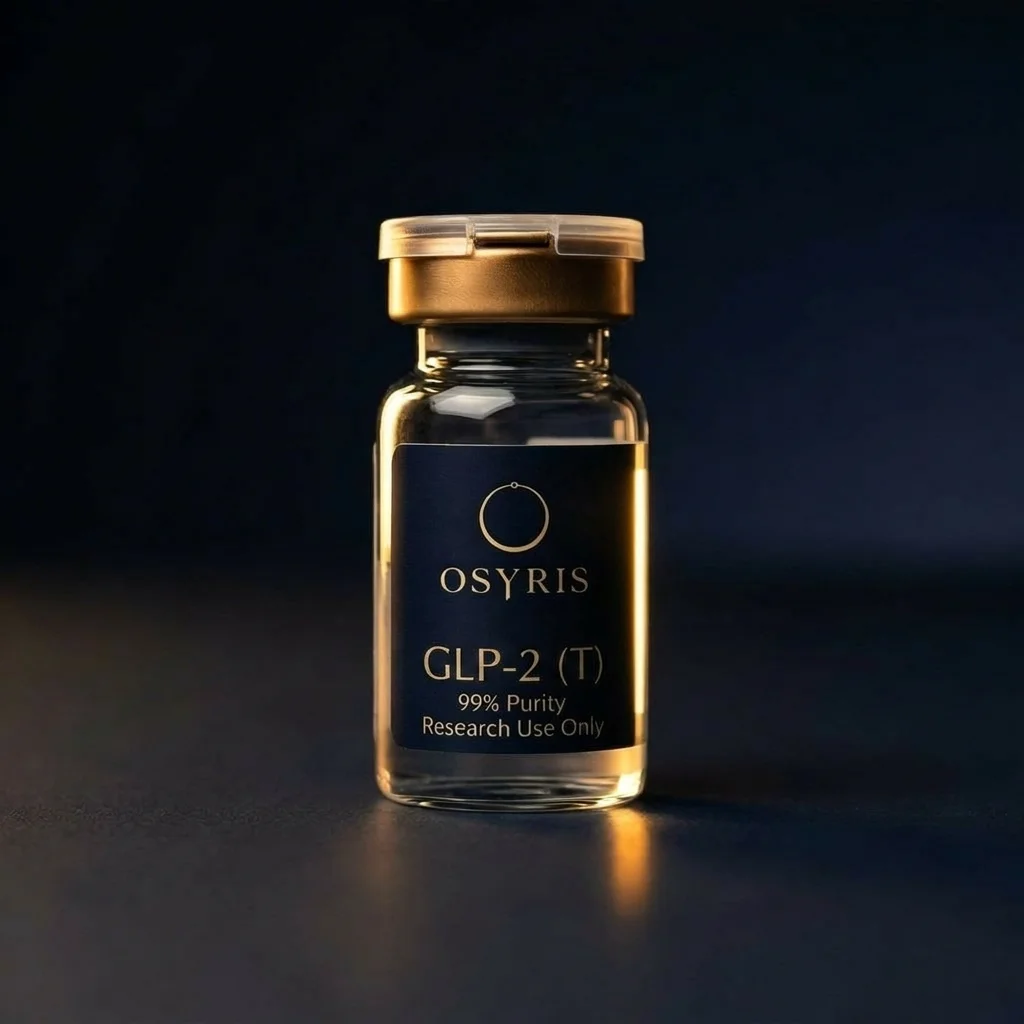 Research Product
T)
Research Product
T)
GLP – 2 (T) is a synthetic peptide designed as a dual agonist of GIP and GLP-1 receptors. It is studied for its effects on glycemic control, insulin signaling, and appetite regulation in metabolic research. GLP – 2 (T) is intended strictly for laboratory research use and is not approved for human or veterinary application.
View productQuestions
Common Questions
Can AOD-9604 and GLP-1 agonists be studied together?
Scientifically rational — they target orthogonal mechanisms (direct lipolysis vs appetite signaling). No published combination data exists.
Which has stronger evidence?
GLP-1 agonists, overwhelmingly. Phase 3 clinical data with large sample sizes. AOD-9604 has Phase 2 data with mixed results.
Does AOD-9604 affect appetite?
No. Zero appetite effect. This is both its limitation (doesn't address caloric intake) and its strength (clean fat-specific research tool).
Why does OSYRIS carry both approaches?
They answer different research questions. GLP-1 agonists for appetite/incretin biology. AOD-9604 for direct adipose tissue metabolism.
Could AOD-9604's clinical trial have used a better design?
Some researchers argue the oral delivery route was suboptimal for a peptide fragment and that parenteral dosing might have shown efficacy. This is speculative.
Does AOD-9604 raise blood sugar?
No. Confirmed in clinical trials — no effect on glucose, insulin, or IGF-1.