

Metabolic
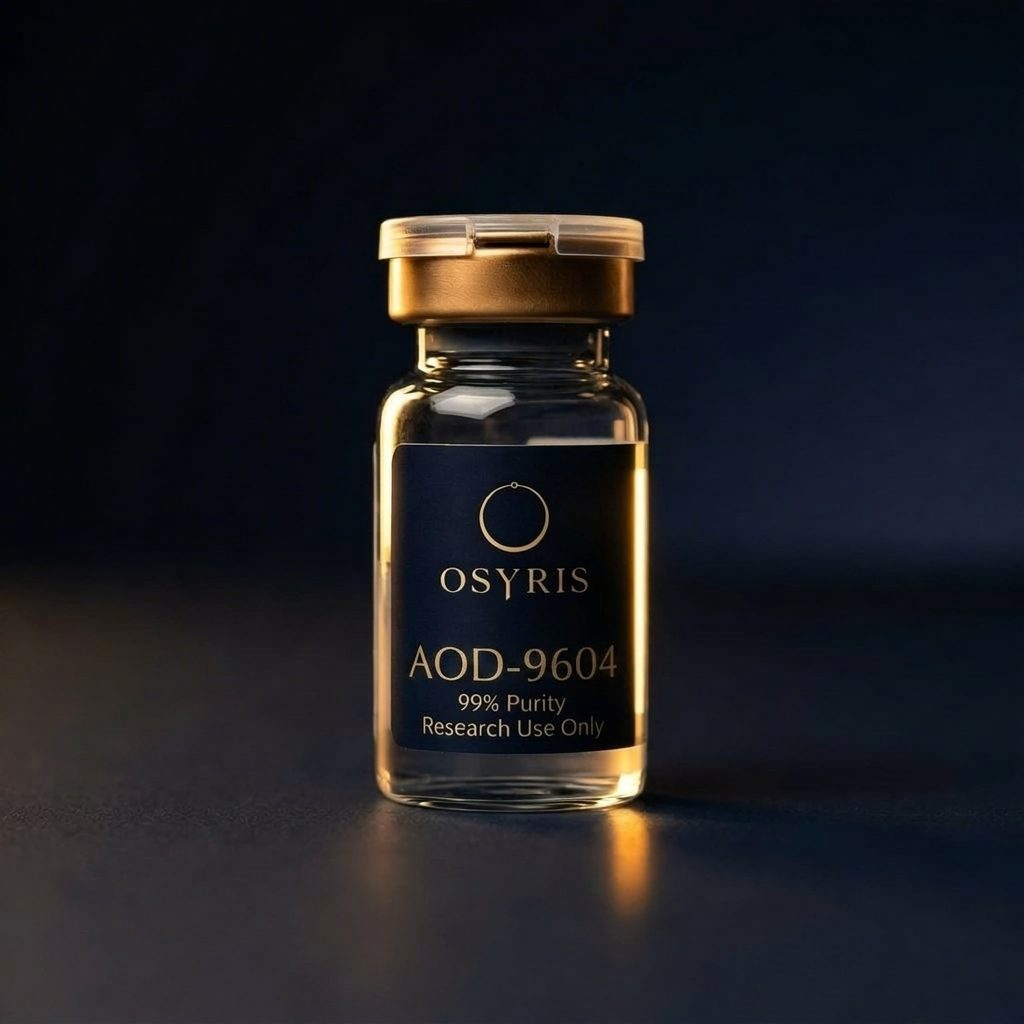
AOD-9604
AOD-9604 is a synthetic peptide fragment of human growth hormone (hGH), comprising amino acids 176–191. Designed to focus on fat metabolism without affecting IGF-1 or glucose levels, it is widely studied in metabolic and obesity-related research. AOD-9604 is intended exclusively for controlled laboratory use in scientific research.
- Quantity
- 10MG
- Formula
- C78H123N23O23S2
- Mol. Weight
- ~1815.1 g/mol
- Purity
- See COA
Standard $9.99 | Expedited $12.99 | Free standard over $200
Download Certificate of AnalysisResearch overview
Product Overview:
Product Name: AOD-9604
Quantity: 10mg
Molecular Formula: C78H123N23O23S2
Molecular Weight: ~1815.1 g/mol
Research Use Only. Not for Human Consumption.
Research Applications:
-
Metabolic and Lipolytic Regulation
AOD-9604 was developed by modifying the C-terminal segment (176–191) of human growth hormone (hGH). This region is believed to be responsible for hGH’s fat-reducing effects. Studies show AOD-9604 can stimulate lipolysis (fat breakdown) and inhibit lipogenesis (fat formation) in vitro without exerting significant effects on blood sugar or insulin sensitivity [1].
Its selective activation of lipolytic pathways without impacting IGF-1 makes it an important compound for researchers studying energy balance and fat metabolism mechanisms [2]. These features allow AOD-9604 to be studied in models where hGH-related mitogenic or diabetogenic effects are undesirable.
-
Obesity and Adipose Tissue Models
In preclinical models, especially in obese rodents, AOD-9604 has demonstrated the ability to reduce body fat mass without altering lean muscle or organ weights [3]. It shows preferential activity on visceral adipose tissues and has been observed to enhance lipid mobilization even in high-calorie diet models. Importantly, this effect appears to occur independently of pituitary axis signaling, which distinguishes it from unmodified hGH.
This specificity makes AOD-9604 of interest in research focused on obesity, adipocyte biology, and endocrine-independent fat regulation pathways.
-
Safety Profile in Preclinical Settings
According to animal studies and toxicological reviews, AOD-9604 did not exhibit mitogenic activity or increase in IGF-1 levels [4], key concerns often associated with full-length growth hormone analogs. These findings support its use in studies requiring metabolic modulation with reduced risk of off-target cellular proliferation.
Related products
-
Metabolic
GLP – 2 (T)
Multiple sizes · C225H348N48O68 · MW 4813.45 g/mol
Price range: $99.99 through $169.99Add to cart This product has multiple variants. The options may be chosen on the product page -
-
-
Metabolic
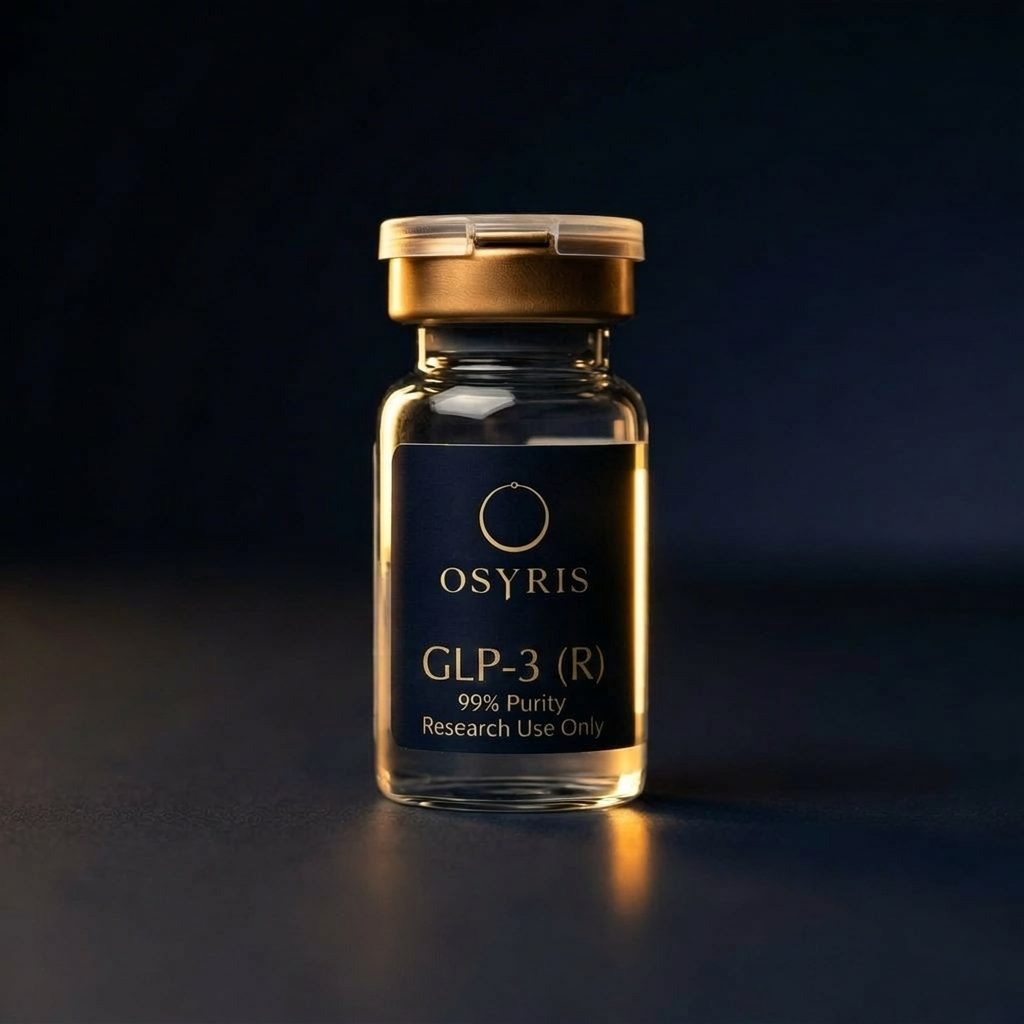
GLP – 3 (R)
Multiple sizes · C222H340N60O68 · MW 5100 Da
Price range: $94.99 through $229.99Add to cart This product has multiple variants. The options may be chosen on the product page