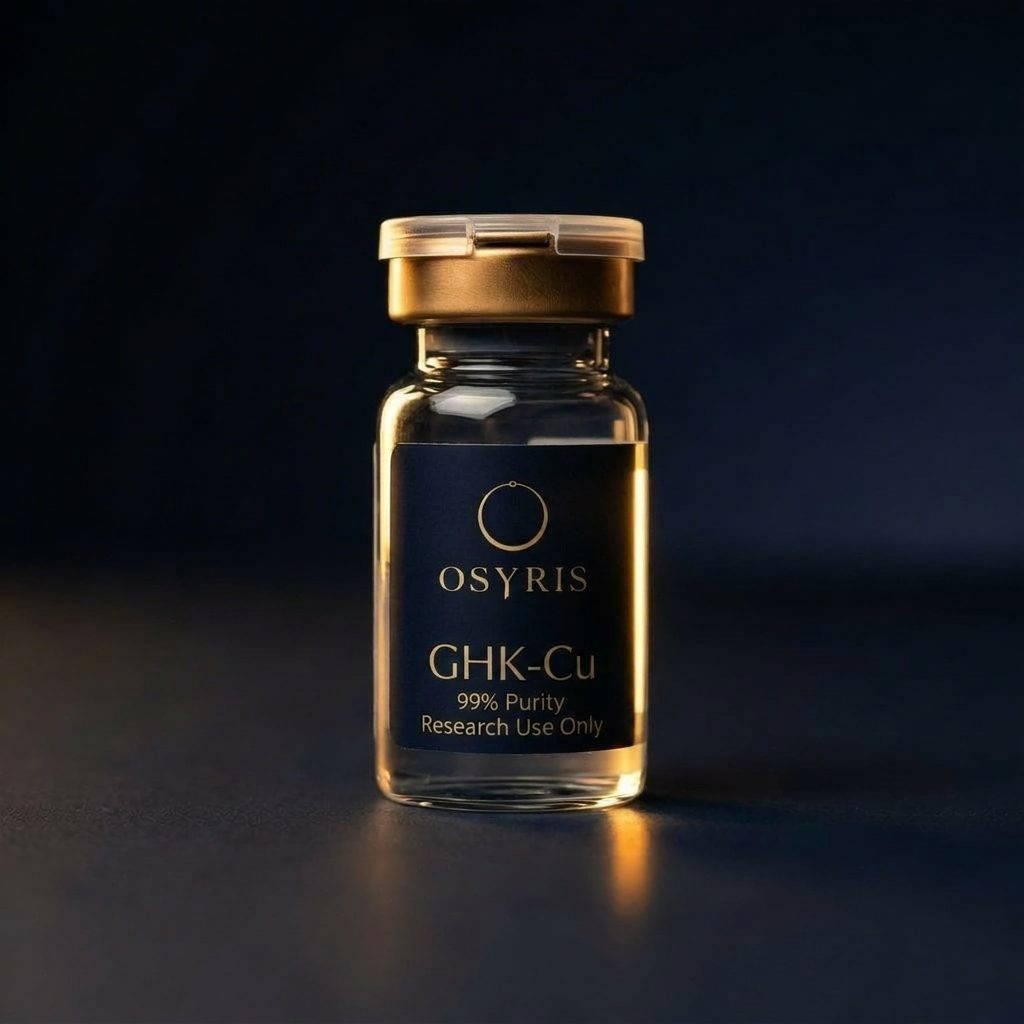

Aesthetics
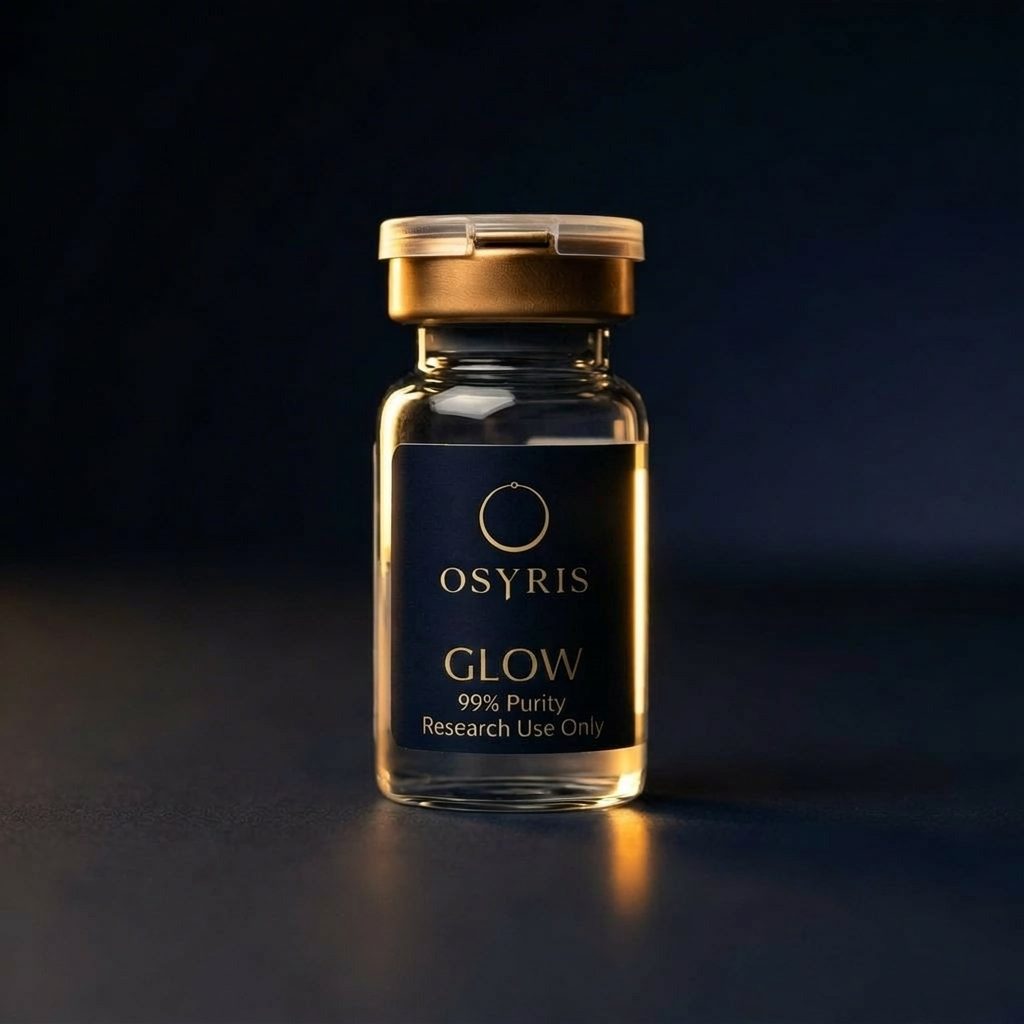
GLOW
$89.99
GLOW is a proprietary multi-peptide research blend composed of GHK-Cu (50MG), BPC-157 (10MG), and TB-500 (10MG), formulated for synergistic in vitro and in vivo study of cellular signaling, tissue regeneration, angiogenesis, and peptide-receptor interactions. This product is supplied as a lyophilized powder and is intended strictly for research purposes only.
- Quantity
- Standard research vial
- Purity
- See COA
Standard $9.99 | Expedited $12.99 | Free standard over $200
Download Certificate of AnalysisResearch overview
GLOW Peptide Blend: Research Overview
This blend combines three distinct peptides with well-characterized research profiles:
- GHK-Cu (Copper Tripeptide): A naturally occurring copper-binding peptide involved in gene expression, tissue remodeling, and anti-inflammatory signaling
- BPC-157: A synthetic peptide fragment derived from body protection compound, studied for its influence on angiogenesis, cell migration, and cytokine activity
- TB-500 (Thymosin Beta-4 Fragment): A synthetic version of a naturally occurring actin-sequestering peptide, associated with cell migration, wound modeling, and vascular modulation
The specific ratio of this formulation (GHK-Cu 50%, BPC-157 5%, TB-500 10%) allows researchers to examine additive or synergistic effects across multiple biochemical pathways relevant to cell signaling and structural integrity.
1. GHK-Cu: Gene Expression and Tissue Remodeling
GHK-Cu has been shown to modulate the expression of hundreds of genes related to:
- Tissue repair, collagen synthesis, and extracellular matrix remodeling
- Anti-inflammatory signaling through inhibition of TNF-α and IL-6 expression [1]
- Copper ion delivery into cells, promoting antioxidant enzyme function and cellular respiration [2]
Studies have used gene array profiling and RNA sequencing to document the changes GHK-Cu induces in fibroblasts, keratinocytes, and endothelial cells.
2. BPC-157: Angiogenesis and Cytokine Modulation
BPC-157 is widely used in models studying angiogenesis and vascular repair:
- Promotes vascular endothelial growth factor (VEGF) expression and endothelial cell proliferation [3]
- Modulates cytokine levels, reducing IL-1β, IL-6, and TNF-α in inflamed tissue models
- Demonstrated ability to support tendon fibroblast migration in rat explant studies [4]
Its stability in gastric juice and plasma allows for extended study windows in gastrointestinal and musculoskeletal research models.
3. TB-500: Cell Migration and Actin Regulation
TB-500 (the synthetic form of Thymosin Beta-4) is studied for its ability to:
- Regulate actin polymerization, enhancing cell motility and wound closure [5]
- Promote angiogenesis through upregulation of VEGF and other pro-vascular signals
- Reduce oxidative stress and tissue fibrosis in preclinical cardiac and dermal models [6]
Researchers frequently use TB-500 to model tissue regeneration, particularly in cardiovascular, muscular, and epithelial contexts.
Synergistic Applications of the GLOW Blend
The combination of these three peptides in GLOW supports advanced studies in:
- Wound healing and epithelial regeneration
- Angiogenic and anti-inflammatory signaling
- Fibroblast migration and collagen matrix production
- Neurovascular remodeling and tissue oxygenation
Co-administration in this ratio enables researchers to evaluate multi-pathway peptide crosstalk and downstream transcriptional effects using in vitro and animal model systems.