

Aesthetics
Aesthetics Peptides — Skin Biology, Collagen, and Pigmentation Research
Complete guide to aesthetics and skin biology research compounds. Collagen synthesis, melanogenesis, gene expression, antioxidant defense.

Four Layers of Skin Research
Skin biology research operates at multiple biological levels. The OSYRIS Aesthetics category addresses each with different compounds:
| Compound | Skin Biology Target | Mechanism | Tissue Layer |
|---|---|---|---|
| GHK-Cu | ECM remodeling + gene expression | Copper delivery, 4000+ gene modulation | Dermis |
| Glutathione | Antioxidant + melanogenesis | ROS scavenging, tyrosinase inhibition | All layers |
| Melanotan 2 | Pigmentation | MC1R → melanin synthesis cascade | Basal layer |
| SNAP-8 | Neuromuscular junction | SNARE complex modulation | Muscle layer |
| GLOW (stack) | Multi-layer repair | BPC-157 + GHK-Cu + TB500 | Dermis + epidermis |
GHK-Cu: The Gene Expression Modulator
GHK-Cu is the cornerstone of the Aesthetics category and arguably the most scientifically interesting aesthetics compound in existence. A three-amino-acid copper complex that modulates 4,048 human genes — 7.4% of the genome — resetting expression patterns toward a younger, healthier configuration.
The scope of GHK-Cu's biological activity sets it apart from every other compound in this category. While other aesthetics compounds target single pathways (melanogenesis, SNARE complex, antioxidant defense), GHK-Cu influences the transcriptional programs that control hundreds of pathways simultaneously.
Key research applications: Collagen synthesis (70% increase in fibroblast cultures), ECM remodeling (collagen + elastin + decorin + GAGs), gene expression reprogramming (Campbell 2014 microarray study), copper-dependent enzyme activation (lysyl oxidase, SOD, cytochrome c oxidase), wound healing (dermal, bone, nerve, hair follicle models), antioxidant and anti-inflammatory effects.
Natural decline: Plasma GHK-Cu drops from ~200 ng/mL in young adults to ~80 ng/mL by age 60.
Glutathione: The Cellular Shield
Glutathione is the most abundant intracellular antioxidant — present at millimolar concentrations in every human cell. Its aesthetics research relevance comes from two properties:
Antioxidant defense: Glutathione neutralizes reactive oxygen species that cause oxidative damage to skin cells, contributing to photoaging, wrinkle formation, and loss of skin elasticity.
Melanogenesis modulation: Glutathione inhibits tyrosinase (the rate-limiting enzyme in melanin production) and shifts melanin synthesis from eumelanin (dark pigment) toward pheomelanin (lighter pigment). This makes it a research tool for studying pigmentation biology.
Cross-category relevance: Glutathione also cross-lists to Immune (immune cell function requires adequate glutathione) and Longevity (GSH/GSSG ratio is a biomarker of cellular aging).
Melanotan 2: Pigmentation Biology
Melanotan 2 activates MC1R — the receptor directly responsible for melanogenesis. The MC1R → cAMP → CREB → MITF → tyrosinase cascade is the canonical pigmentation pathway, and MT-II is a pharmacological tool for studying it.
Research distinction from PT-141: Both derive from melanocortin pharmacology, but MT-II's MC1R activity (pigmentation) places it in Aesthetics while PT-141's MC3R/MC4R selectivity (CNS/behavioral) places it in Hormonal.
SNAP-8: Neuromuscular Expression-Line Biology
SNAP-8 targets the deepest tissue layer relevant to aesthetics — the neuromuscular junction. By competing with SNAP-25 in the SNARE complex, it modulates neurotransmitter release at the facial muscles responsible for expression lines.
Narrowest research profile: SNAP-8 is the only Aesthetics compound with applications exclusively in cosmeceutical research. It has no cross-category relevance.
GLOW: Multi-Layer Approach
The GLOW stack combines BPC-157 (growth factor signaling), GHK-Cu (gene expression + copper), and TB500 (cell migration) for protocols studying comprehensive skin and tissue remodeling across multiple biological layers simultaneously.
Choosing by Research Question
| Question | Compound |
|---|---|
| Collagen synthesis and ECM biology | GHK-Cu |
| Gene expression in skin aging | GHK-Cu |
| Oxidative stress in skin | Glutathione |
| Pigmentation / melanin biology | Melanotan 2 or Glutathione |
| Neuromuscular junction / expression lines | SNAP-8 |
| Multi-pathway skin remodeling | GLOW stack |
| Skin repair + immune modulation | KLOW stack (cross-listed from Immune) |
Featured Links
 Primary Compound
GHK-Cu
Primary Compound
GHK-Cu
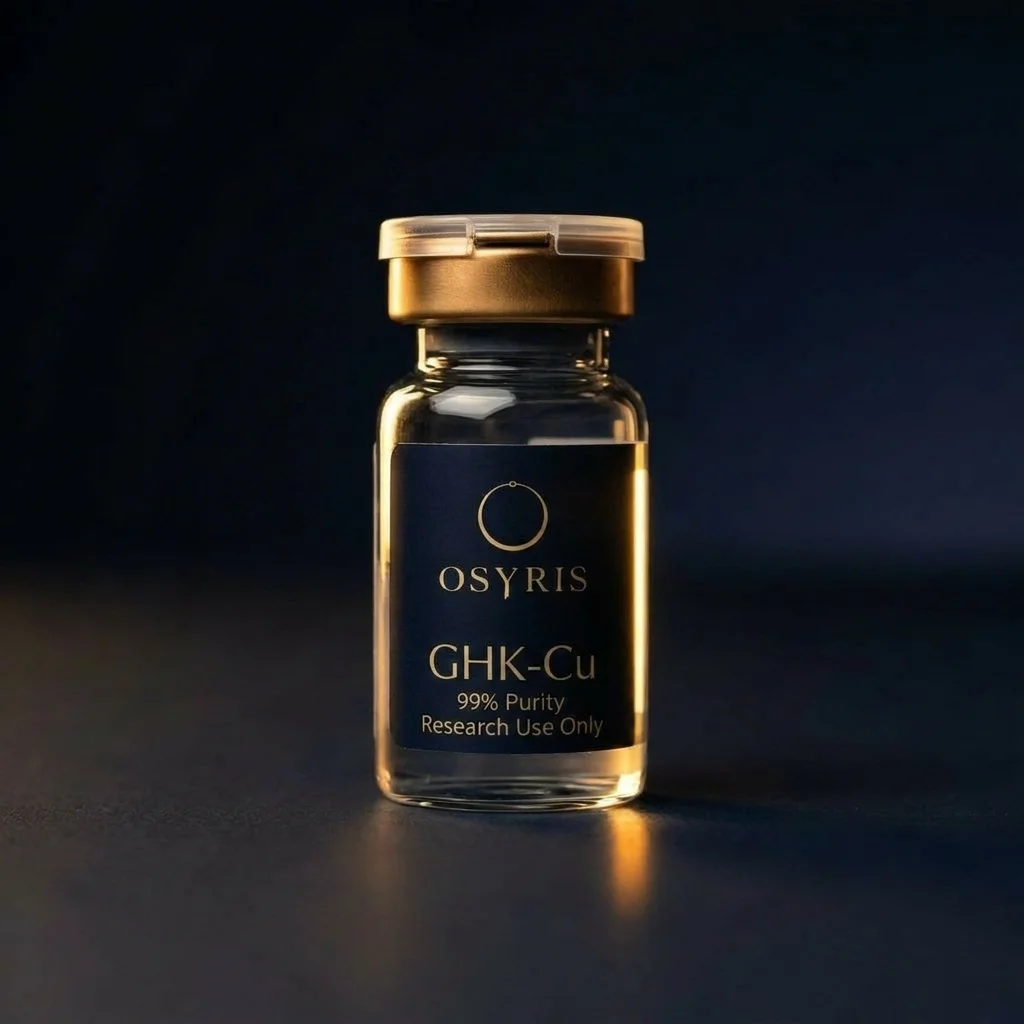
GHK-Cu is the copper(II) complex of glycyl-L-histidyl-L-lysine. It is widely used in vitro to study copper transport, redox balance, extracellular matrix regulation, and gene expression signatures related to tissue remodeling and cellular stress responses.
View →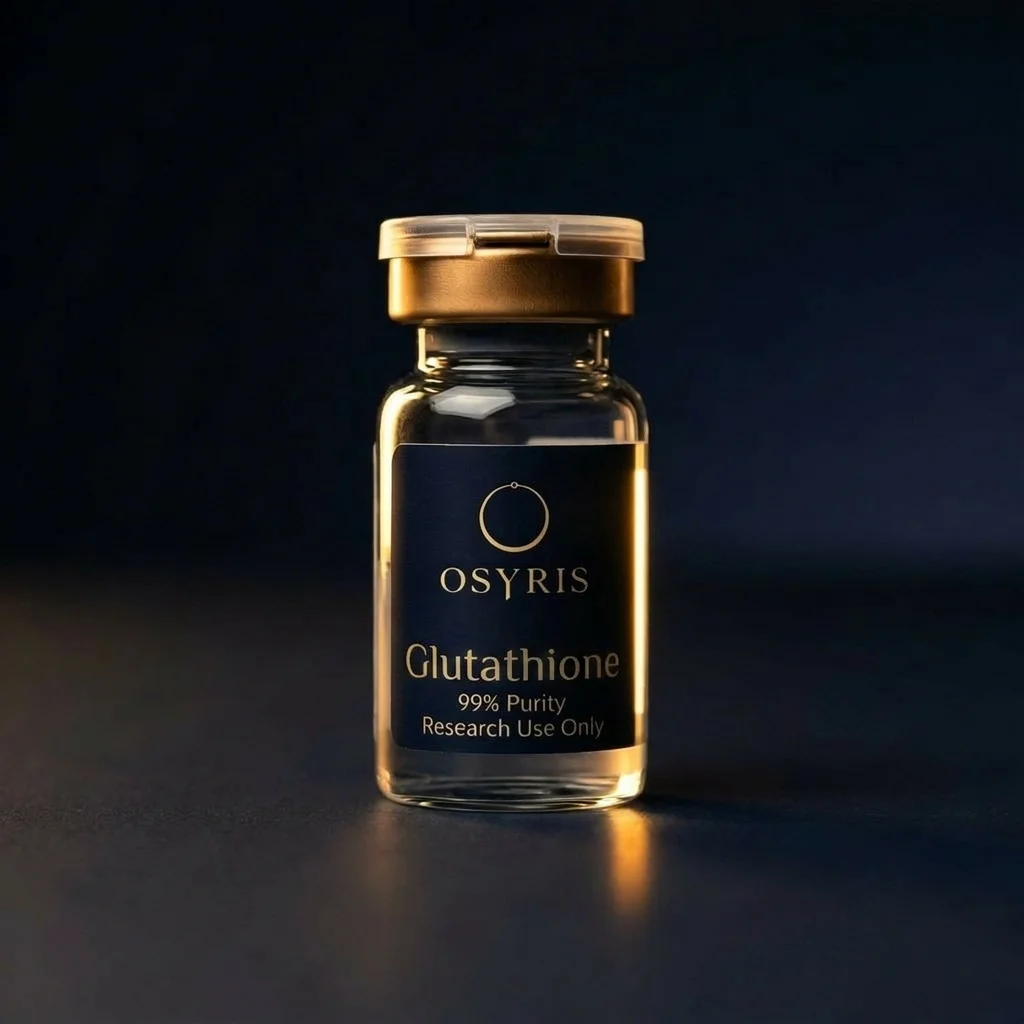 Primary Compound
Glutathione
Primary Compound
Glutathione
Glutathione (GSH) is an endogenous γ-glutamyl-cysteinyl-glycine tripeptide supplied as a research-grade standard. It is central to models of redox homeostasis, detoxification, antioxidant defense, and thiol-based signaling.
View →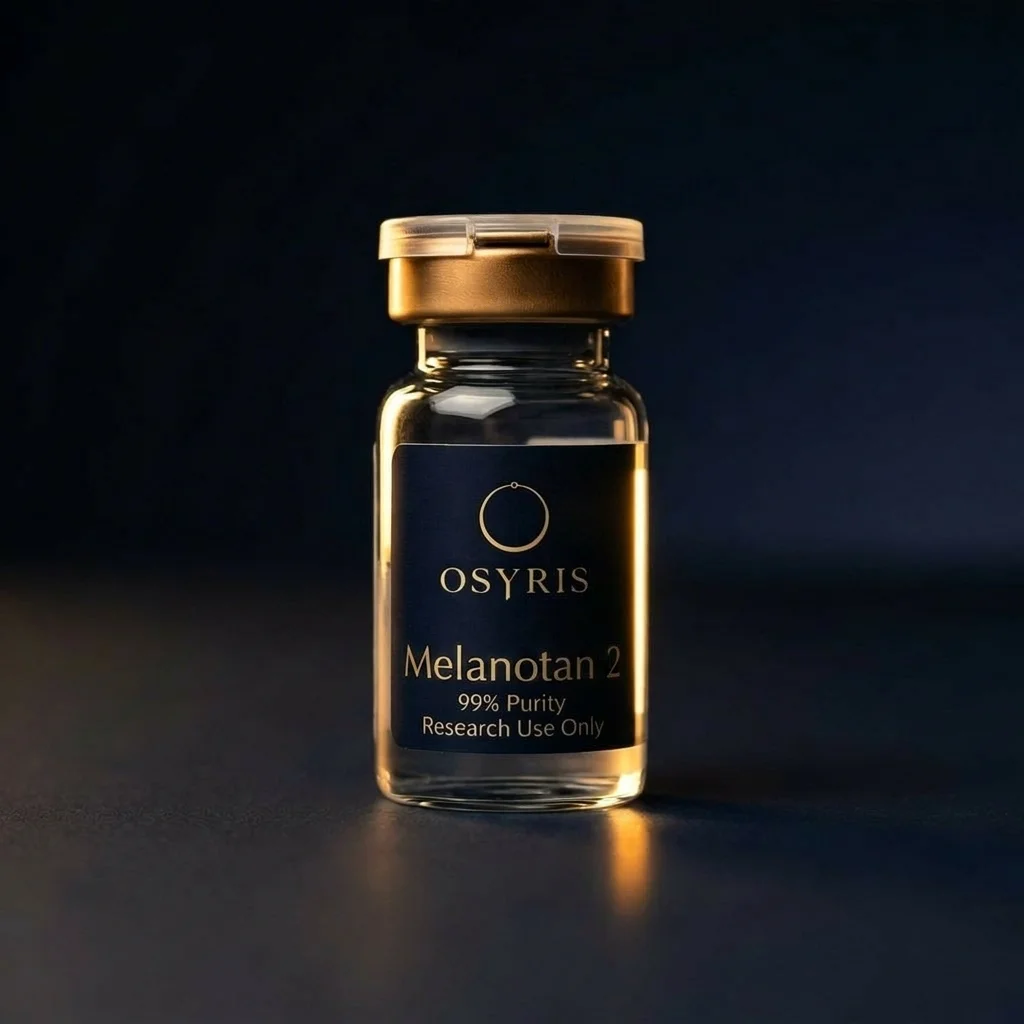 Primary Compound
Melanotan 2
Primary Compound
Melanotan 2
Melanotan II is a synthetic cyclic heptapeptide analog of α-MSH (alpha-melanocyte-stimulating hormone). It is studied for its interaction with melanocortin receptors, particularly MC1R and MC4R. MT-2 is used exclusively in laboratory settings to explore pigment regulation, energy homeostasis, and neuroendocrine signaling. Not for diagnostic or therapeutic use.
View →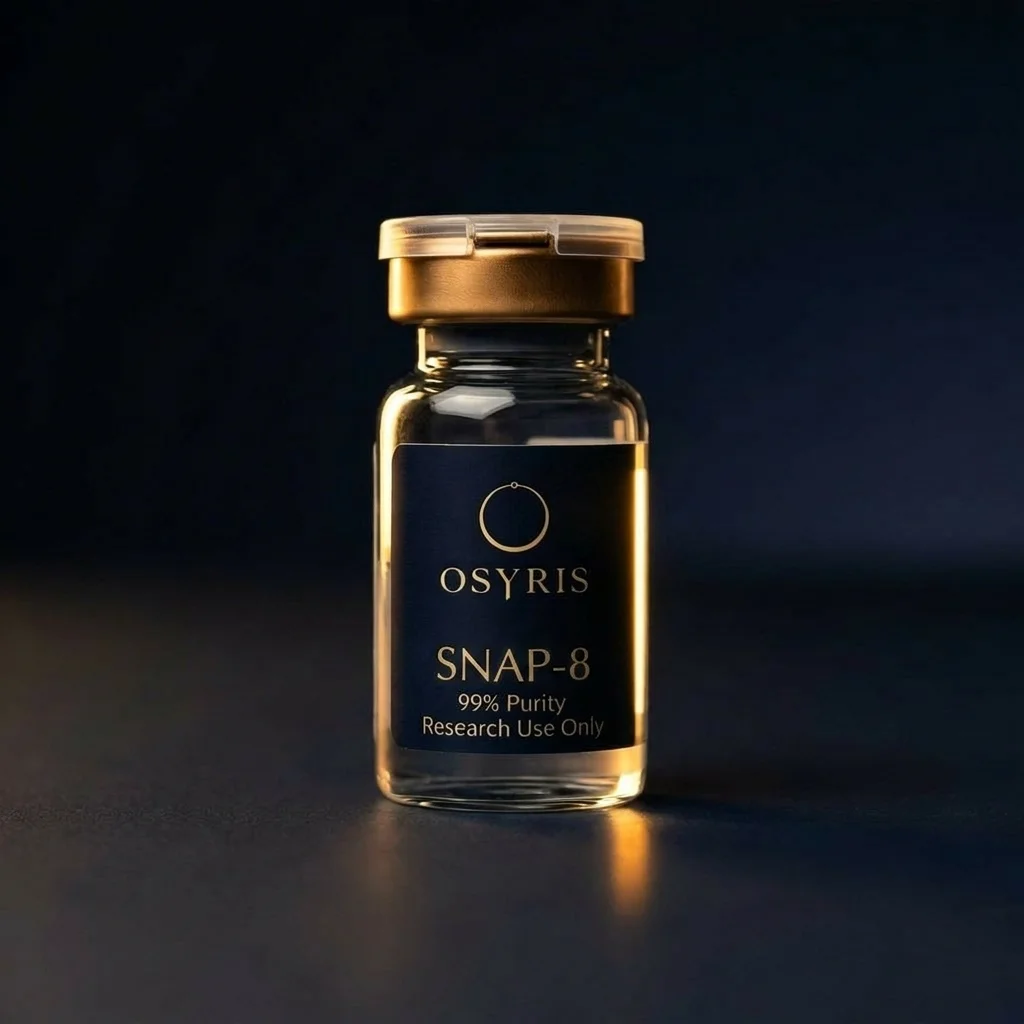 Primary Compound
SNAP-8
Primary Compound
SNAP-8
SNAP-8 is an acetylated octapeptide analog of the N-terminal domain of SNAP-25. It is used in vitro to investigate SNARE complex interactions, synaptic vesicle fusion, and peptide-mediated modulation of exocytosis in neuromuscular and dermal models, supporting structure–activity and vesicle trafficking research under controlled conditions.
View →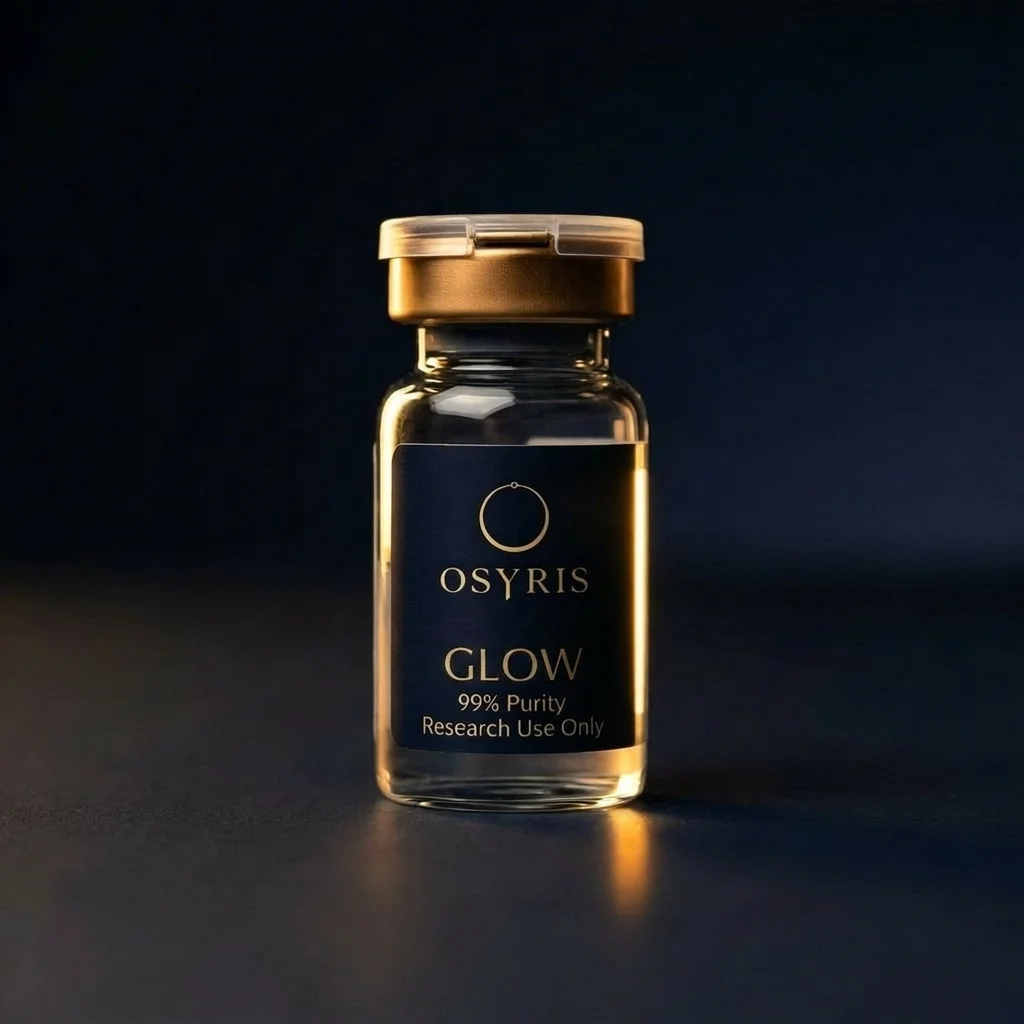 Primary Compound
GLOW
Primary Compound
GLOW
GLOW is a proprietary multi-peptide research blend composed of GHK-Cu (50MG), BPC-157 (10MG), and TB-500 (10MG), formulated for synergistic in vitro and in vivo study of cellular signaling, tissue regeneration, angiogenesis, and peptide-receptor interactions. This product is supplied as a lyophilized powder and is intended strictly for research purposes only.
View →Questions
Common Questions
Which aesthetics compound has the broadest effects?
GHK-Cu, by far. Its 4,000+ gene modulation profile makes it the most biologically broad compound not just in this category but in the entire OSYRIS catalog.
Can aesthetics compounds be used with recovery compounds?
Many are the same compounds. GHK-Cu, BPC-157, and TB500 appear in both Aesthetics (GLOW) and Recovery. The biology of skin repair and tissue repair overlaps significantly.
Is Melanotan 2 the same as PT-141?
Related but different. MT-II is non-selective (MC1R-MC5R) and is studied for pigmentation. PT-141 is more selective (MC3R/MC4R) and is studied for CNS-mediated effects. PT-141 was derived from MT-II.
Why is Glutathione in Aesthetics?
Its tyrosinase inhibition connects it to pigmentation biology, and its antioxidant properties are directly relevant to skin aging research. It cross-lists to Immune and Longevity.
Is SNAP-8 the same as Argireline?
Related. Argireline is the 6-amino-acid version (acetyl hexapeptide-3). SNAP-8 is the 8-amino-acid version with two additional residues that may improve binding.
What does the GLOW stack target that individual compounds don't?
Multi-layer, multi-mechanism skin biology. GHK-Cu handles gene expression and copper delivery. BPC-157 handles growth factor signaling. TB500 handles cell migration. Together they address three dimensions of tissue remodeling.