
Immune
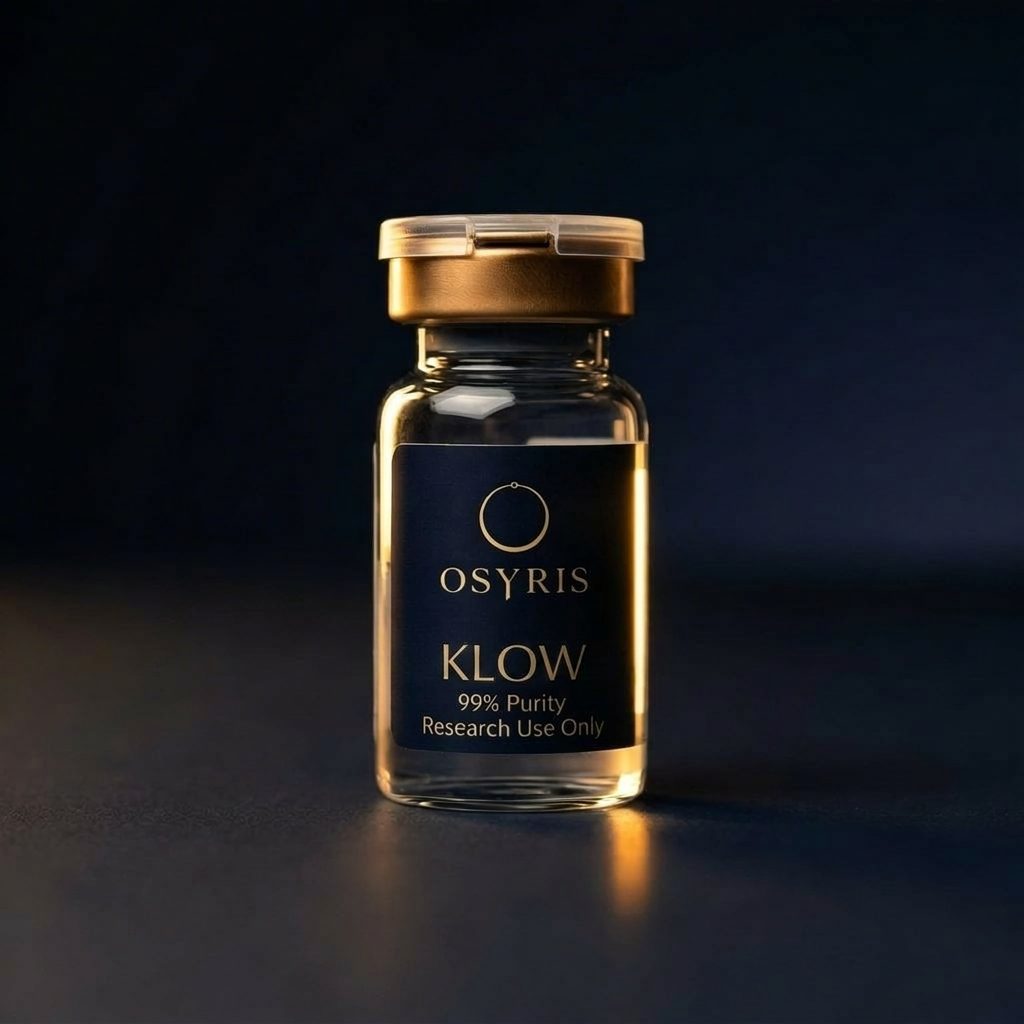
KLOW
KLOW is a composite research peptide blend comprising BPC-157, thymosin beta-4, GHK-Cu and KPV. Supplied as a high-purity lyophilized powder, it supports in vitro exploration of angiogenesis, extracellular matrix turnover, cytoskeletal organization, and inflammatory signaling using complementary pathways derived from the component molecules. For laboratory research only, and controlled assays.
- Quantity
- 80MG
- Purity
- See COA
Standard $9.99 | Expedited $12.99 | Free standard over $200
Research overview
Comprehensive Research Overview
-
Molecular Identity and Classification
KLOW combines four cataloged peptides: BPC-157, a pentadecapeptide recorded on PubChem with established sequence and identifiers [1]; thymosin beta-4 (also listed as timbetasin), a 43-residue actin-binding peptide entry [2]; GHK-Cu, the copper complex of glycyl-L-histidyl-L-lysine [3]; and KPV, the α-MSH(11–13) tripeptide Lys-Pro-Val [4].
-
Vascular and Angiogenesis Research
PubChem summaries and linked records describe BPC-157 and thymosin beta-4 in contexts that include endothelial behavior and angiogenesis models, supporting in vitro study designs that examine tube formation, migration, and matrix deposition [1][2]. GHK-Cu entries document metal-binding chemistry relevant to copper-dependent enzymatic processes often probed in vascular biology workflows [3].
-
Cytoskeletal Dynamics and Cell Migration
Thymosin beta-4 is indexed on PubChem for its actin-sequestering role, making it a frequent component in assays of cell motility and cytoskeletal remodeling [2]. BPC-157’s peptide profile further allows researchers to evaluate signaling axes that intersect with migration endpoints in cell culture systems [1].
-
Extracellular Matrix and Tissue Remodeling
GHK-Cu’s PubChem record details the copper-peptide complex and related literature, which researchers use to frame studies of matrix turnover, collagen-associated outcomes, and metalloproteinase activity in vitro [3]. Paired with BPC-157 and thymosin beta-4, investigators can design multi-analyte ECM experiments without implying any clinical application [1][2].
-
Inflammation and Innate Defense Models
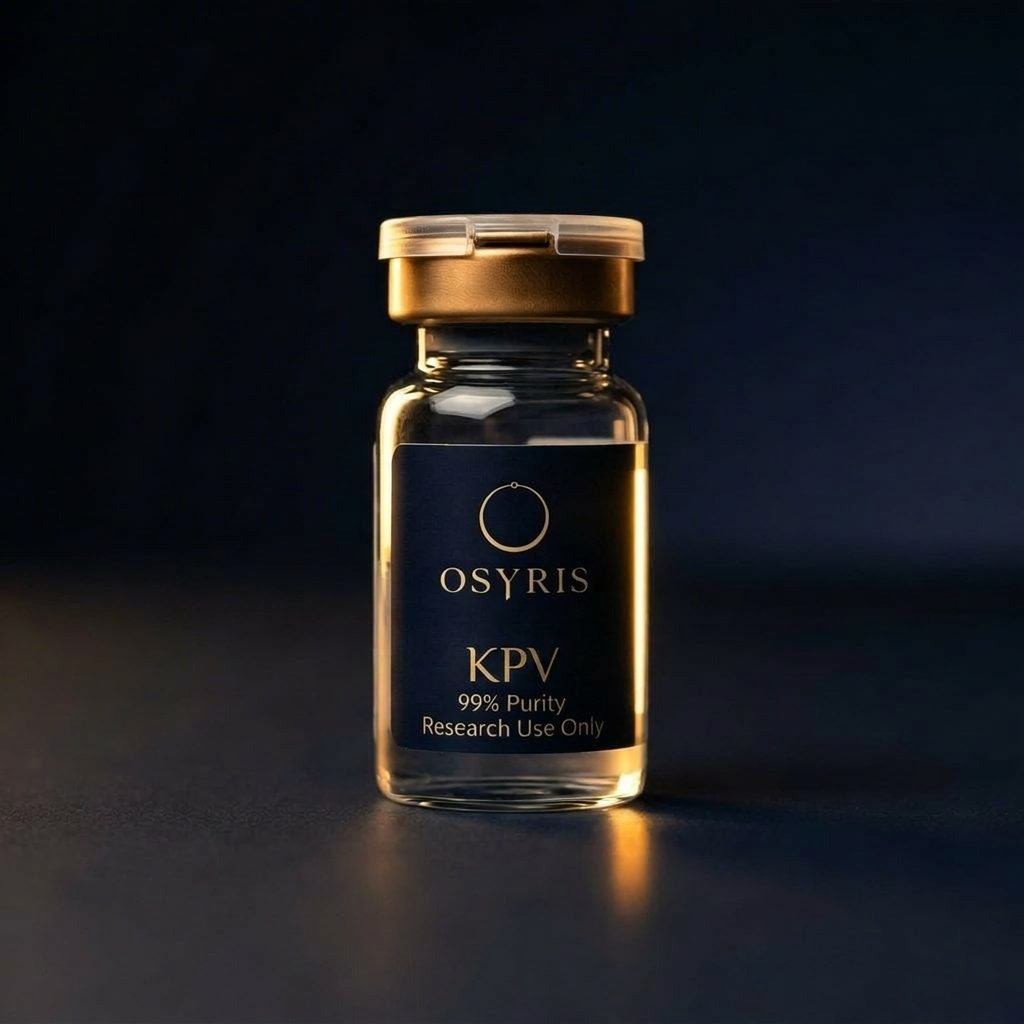
KPV is cataloged by PubChem as the Lys-Pro-Val fragment of the melanocortin family. Its listing and cross-references support bench studies that quantify cytokine outputs or barrier-related readouts under controlled conditions [4]. Incorporating KPV with the other components enables comparative panels across innate immune endpoints while remaining strictly preclinical [1][2][3][4].
-
Form and Study Design Considerations
As a composite, KLOW allows single-run, side-by-side evaluation of endpoints tied to copper coordination chemistry, cytoskeletal regulation, peptide fragment biology, and general peptide structure–activity relationships. All usage is limited to laboratory research, with no claims of safety, efficacy, or human application inferred from these identifiers [1][2][3][4].