
Recovery
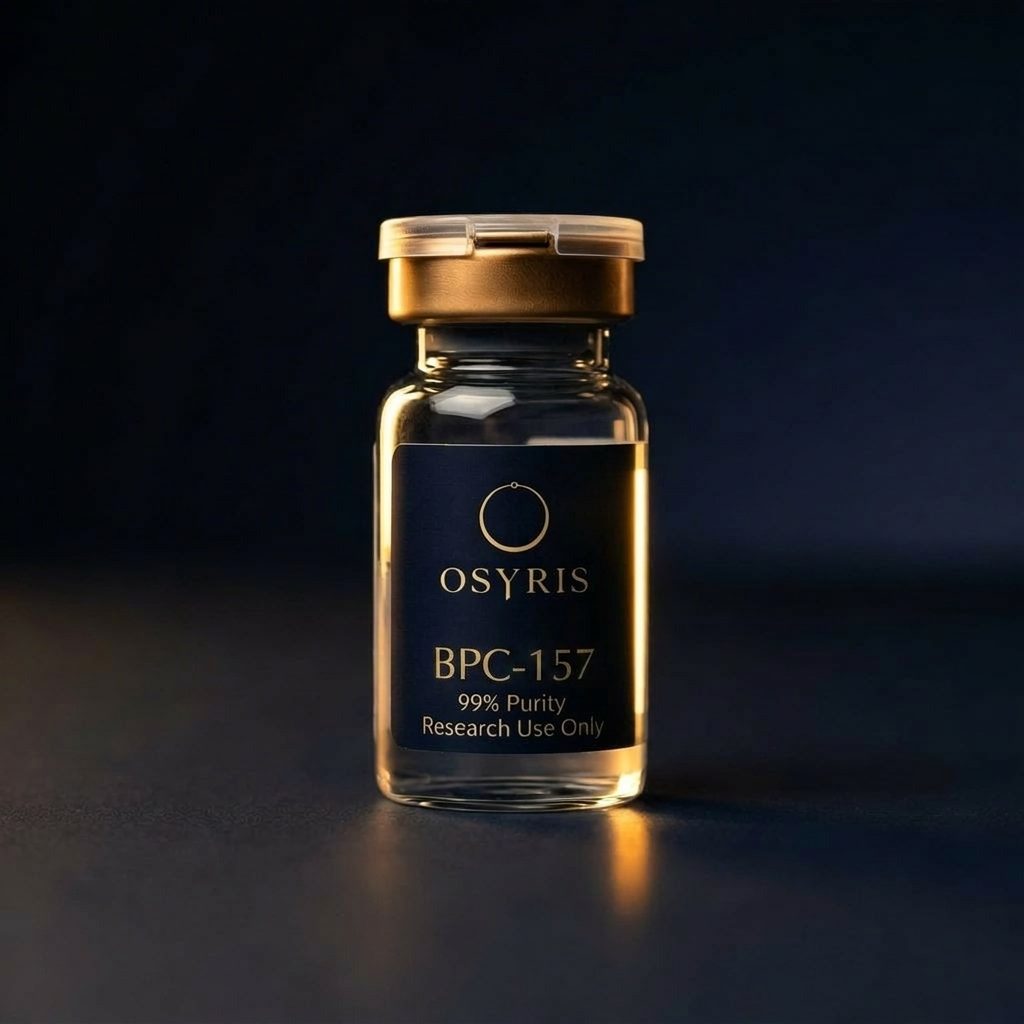
BPC-157
BPC-157 is a synthetic pentadecapeptide derived from a protective protein found in the gastric mucosa. Structurally stable and water-soluble, it is widely studied for its potential role in cellular signaling, tissue regeneration, and inflammation models. BPC-157 is intended solely for laboratory and in vitro research purposes.
- Quantity
- 10MG
- Formula
- C62H98N16O22
- Mol. Weight
- 1419.5 g/mol
- Purity
- See COA
Standard $9.99 | Expedited $12.99 | Free standard over $200
Research overview
Product Overview:
Product Name: BPC-157
Quantity: 10mg
Molecular Formula: C62H98N16O22
Molecular Weight: 1419.5 g/mol
Research Use Only. Not for Human Consumption.
Research Applications:
-
Tissue Repair and Cellular Regeneration
BPC-157 (Body Protection Compound-157) has been studied extensively in preclinical settings for its role in tissue repair and angiogenesis. Derived from a portion of human gastric juice protein BPC, the peptide exhibits a stable sequence of 15 amino acids. Research has shown its ability to stimulate fibroblast migration, collagen production, and epithelial repair in wound and muscle injury models [1].
In cell-based assays and rodent models, BPC-157 promoted fibroblast outgrowth and cell survival in environments simulating oxidative stress or injury. These characteristics support ongoing research into its cellular-level signaling activity, including VEGF receptor pathways and nitric oxide signaling [2].
-
Angiogenesis and Vascular Studies
BPC-157 has demonstrated strong angiogenic properties in both ischemic tissue and full-thickness skin wound models. Its pro-angiogenic activity appears to occur via modulation of vascular endothelial growth factor (VEGF) and endothelial nitric oxide synthase (eNOS), leading to improved blood vessel formation and perfusion under stressed conditions [3].
This property is of special interest in studies focusing on microvascular repair, ischemia, and circulatory regulation under chemically induced injury or surgical conditions.
-
Gastrointestinal and Inflammatory Research
Because BPC-157 is derived from gastric juice, it has been extensively studied in models of gut inflammation, ulceration, and intestinal barrier function. In chemically induced ulcer and colitis models, it supported mucosal integrity and reduced histological signs of inflammation [4].
Researchers are exploring its impact on gut-brain signaling, tight junction protein expression, and cytokine modulation, though these mechanisms remain under active investigation.
-
Neurological and Systemic Models
Emerging studies have begun examining BPC-157’s impact on the central nervous system, particularly in models of nerve injury, serotonin-dopamine balance, and motor function. Early preclinical data suggests it may influence neurovascular stability and axonal regeneration pathways, making it of interest in neural injury research [5].
Related products
-
Recovery
BPC/TB500 Blend
10mg/10mg
$69.99Add to cart This product has multiple variants. The options may be chosen on the product page -