
AboutStandards
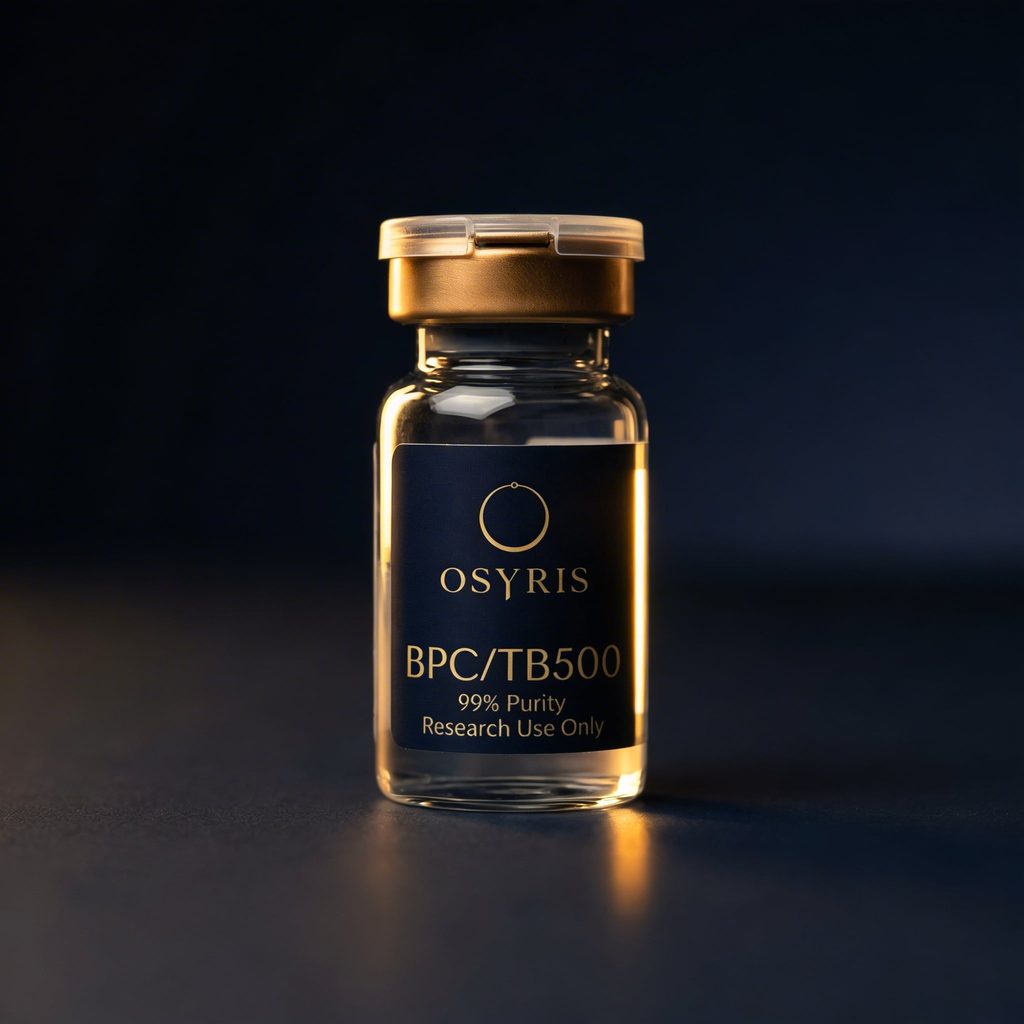
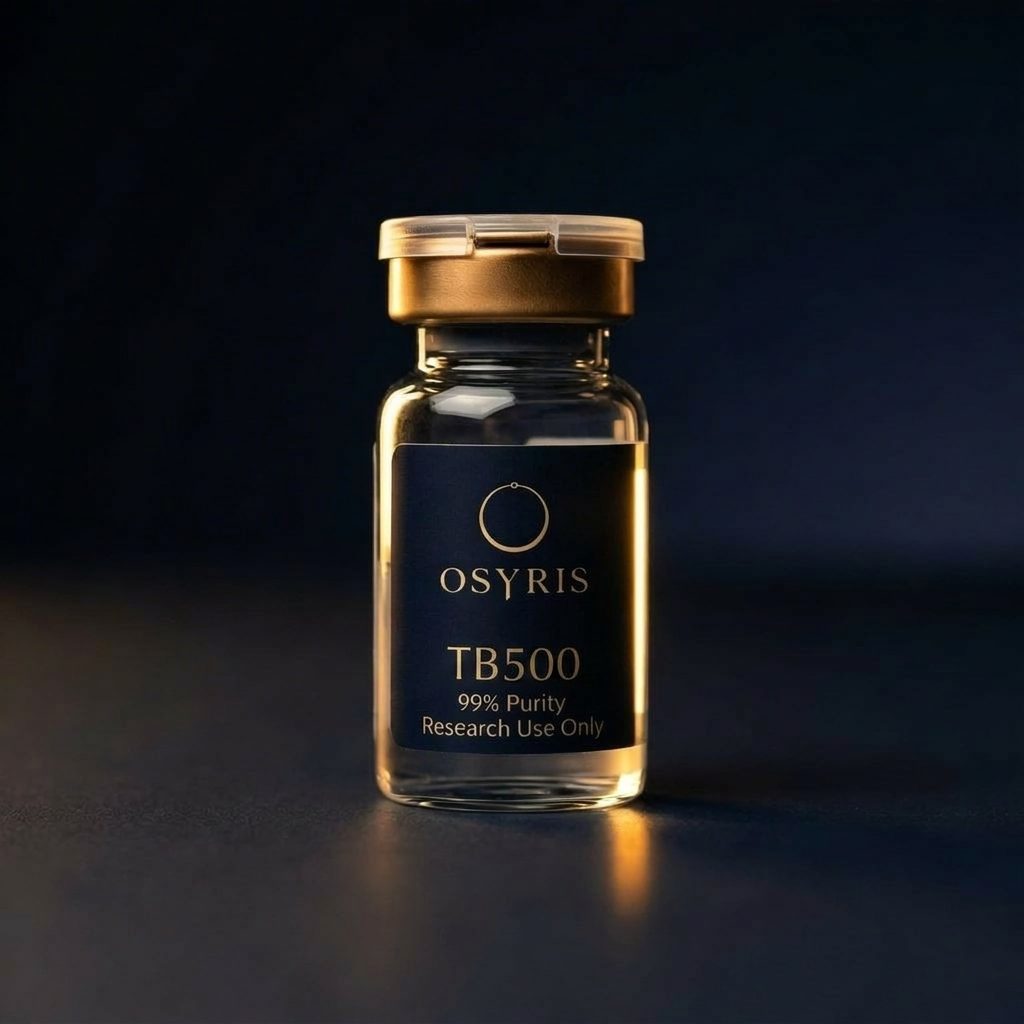
TB500 research peptide vial — OSYRIS Health
RECOVERY

TB500

$79.99

TB500 refers to research-grade thymosin beta-4–derived peptide material used to study actin binding, cell migration, angiogenesis, and tissue remodeling pathways. It is suited for in vitro and in vivo models investigating cytoskeletal regulation and repair-associated signaling, without any approved therapeutic designation.

QuantityStandard research vial
PuritySee COA
Free shipping on orders over $200
Download Certificate of Analysis
About This Compound

Product Overview

TB500 is a synthetic peptide fragment derived from Thymosin Beta-4 (Tβ4), a 43-amino-acid protein that is naturally present in virtually all human and animal cells. Thymosin Beta-4 was first identified in the thymus gland in the 1960s, but its role in biology extends far beyond the immune system — it is now understood to be one of the most abundant intracellular proteins, with primary functions in actin regulation, cell migration, and tissue repair signaling.

TB500 specifically represents the active region of Thymosin Beta-4 responsible for the protein's biological activity. The fragment retains the actin-binding domain and the cell migration signaling sequence while being smaller and more practical for research use. Its mechanism is fundamentally different from BPC-157 — where BPC-157 research focuses on growth factor modulation and the FAK-paxillin pathway, TB500 research centers on actin polymerization and cytoskeletal dynamics.

TB500 is one of the most commonly studied peptides in preclinical tissue repair models and is frequently investigated alongside BPC-157 in comparative and combination research protocols.

TB500 actin polymerization and cell migration research visualization — OSYRIS Health
Research Applications

Mechanism and Experimental Context

TB500's primary mechanism of action in research models involves its interaction with actin, the most abundant intracellular protein and the primary component of the cytoskeleton. Actin filaments form the structural scaffold that gives cells their shape and drives cell movement. TB500 binds to actin monomers (G-actin) and promotes polymerization into filaments (F-actin), which is a critical step in cell migration.1

A key property of TB500 in cell culture studies is its ability to sequester actin monomers at low concentrations while promoting filament formation at higher concentrations. This concentration-dependent behavior allows cells to rapidly reorganize their cytoskeleton in response to injury signals — a process that is essential for wound healing and tissue repair.

Research using fluorescence microscopy has shown that TB500 treatment increases the density and organization of actin filaments in fibroblasts and endothelial cells, creating the structural framework these cells need to migrate to injury sites.2

Cell migration is the process by which cells physically move from one location to another — a fundamental requirement for wound healing, as repair cells must travel from surrounding tissue to the injury site. TB500 has been studied extensively in cell migration assays, where it consistently promotes the directional movement of keratinocytes, endothelial cells, and fibroblasts in scratch-wound models.3

In animal studies, TB500 treatment has been associated with accelerated wound closure in dermal wound models. A study in rats demonstrated that TB500-treated wounds showed faster re-epithelialization (new skin coverage) and increased granulation tissue formation compared to controls. The effect was attributed to enhanced cell migration rather than increased cell proliferation — an important mechanistic distinction.

Research has also explored TB500's effects in corneal wound models, where it promoted corneal epithelial cell migration and reduced inflammation following chemical injury.4

Beyond its structural biology effects, TB500 has been studied for anti-inflammatory properties in several preclinical models. Research in rodent models of cardiac injury has shown that TB500 treatment reduced levels of pro-inflammatory cytokines including TNF-alpha and IL-1beta at the injury site.5

The anti-inflammatory mechanism appears to be related to TB500's effects on NF-κB signaling — a central regulatory pathway in inflammation. In vitro studies have shown that Thymosin Beta-4 (the parent protein) can modulate NF-κB activation in immune cells, potentially reducing the inflammatory response that can impair tissue repair when excessive.

This dual role — promoting repair while reducing inflammation — is why TB500 is frequently studied in models where chronic inflammation and tissue damage coexist.

A significant body of TB500 research has focused on cardiac models. Studies in mouse models of myocardial infarction showed that TB500 treatment reduced scar formation, promoted neovascularization (new blood vessel growth), and improved cardiac function as measured by ejection fraction. A 2004 study by Bock-Marquette et al. in Nature demonstrated that Thymosin Beta-4 promoted survival of cardiomyocytes following ischemic injury.6

The vascular effects of TB500 are thought to involve both its pro-angiogenic activity (promoting new blood vessel formation) and its anti-apoptotic effects (reducing programmed cell death in oxygen-deprived cells).

Referenced Studies

Source Literature

[1]

Safer D, et al. "Thymosin beta-4 and actin." International Journal of Biochemistry & Cell Biology, 2005. PubMed: PMID 15913710

[2]

Malinda KM, et al. "Thymosin beta-4 accelerates wound healing." Journal of Investigative Dermatology, 1999. PubMed: PMID 10383732

[3]

Philp D, et al. "Thymosin beta-4 promotes corneal wound healing." Investigative Ophthalmology & Visual Science, 2003. PubMed: PMID 12714632

[4]

Sosne G, et al. "Thymosin beta-4 promotes corneal wound healing and modulates inflammatory mediators in vivo." Experimental Eye Research, 2007. PubMed: PMID 17570358

[5]

Hinkel R, et al. "Thymosin beta-4 is an essential paracrine factor of embryonic endothelial progenitor cell-mediated cardioprotection." Circulation, 2008. PubMed: PMID 18824642

[6]

Bock-Marquette I, et al. "Thymosin beta-4 activates integrin-linked kinase and promotes cardiac cell migration, survival and cardiac repair." Nature, 2004. PubMed: PMID 15329770

Certificate of Analysis

Batch Documentation

Current published batch documentation is surfaced on-page whenever the provider exposes a public COA asset.

TB500 certificate of analysis

Frequently Asked Questions

Questions About TB500

TB500 is a synthetic peptide fragment derived from Thymosin Beta-4, a naturally occurring protein found in nearly all human and animal cells. It contains the active region responsible for actin binding and cell migration signaling. It is sold by OSYRIS exclusively for laboratory research.

Thymosin Beta-4 is the full-length 43-amino-acid protein. TB500 is a synthetic fragment containing the specific sequence responsible for the protein's biological activity — the actin-binding domain and cell migration signaling region. Think of TB500 as the active portion of the larger protein.

Both are studied in tissue repair models, but they work through completely different mechanisms. TB500 research focuses on actin polymerization and cell migration — it helps cells physically move to injury sites. BPC-157 research focuses on growth factor modulation and the FAK-paxillin signaling pathway. Their different mechanisms are why researchers sometimes study them together.

Actin is the most abundant protein inside cells. It forms filaments that create the cell's structural skeleton and drive cell movement. When tissue is injured, cells need to migrate to the damage site — actin reorganization is what makes that movement possible. TB500's interaction with actin is central to its research profile.

No. TB500 is not approved by the FDA for any use. It is classified as a research chemical. A regenerative medicine product based on Thymosin Beta-4 (the parent protein) has been investigated in clinical contexts, but TB500 itself is sold exclusively for laboratory research.

Store lyophilized TB500 at 2-8°C for short-term use or -20°C for long-term storage. Protect from light and moisture. Once reconstituted, refrigerate and use within your research protocol's designated timeframe.

The OSYRIS BPC/TB500 Blend combines BPC-157 and TB500 in a single vial for researchers studying both compounds together. Since BPC-157 and TB500 work through different mechanisms, combination protocols investigate whether their effects are complementary.

Every batch is independently tested using HPLC and LC-MS analysis. The Certificate of Analysis for the current batch is downloadable on this page.

Published research on TB500 and Thymosin Beta-4 includes dermal wound healing models, corneal injury models, cardiac ischemia models, and cell migration assays using various cell types including fibroblasts, keratinocytes, and endothelial cells.

Not exactly. TB500 is a fragment of Thymosin Beta-4 containing the biologically active region. The full-length protein has 43 amino acids. TB500 is shorter and focuses on the specific sequence responsible for actin binding and migration signaling.

Every Batch Tested by an Independent Lab

We publish the Certificate of Analysis for every product. See our full testing process.

See Our Standards →

All products sold by OSYRIS Health are intended for laboratory research purposes only and are not for human or veterinary use. The information provided on this page describes published scientific research and does not constitute medical advice, diagnosis guidance, or a recommendation for any specific use. Always ensure compliance with local regulations.