

Comparison
GLOW vs KLOW — Choosing the Right Stack
A stack-to-stack comparison focused on when GLOW is enough, when KLOW adds value, and when neither stack is the cleanest protocol choice.

Same Family, Different Depth
GLOW and KLOW live in the same family of multi-compound repair-oriented stacks, but KLOW adds another explicit anti-inflammatory layer through KPV. That changes the question each stack is best suited for. GLOW is the cleaner choice when the protocol is mainly about repair, remodeling, copper biology, and aesthetics-adjacent tissue response. KLOW is stronger when the model includes inflammatory stress as a central layer rather than a background condition.
What KPV Changes
The addition of KPV is not cosmetic. It shifts the stack from a repair-first design into a repair-plus-inflammation design. That makes KLOW more comprehensive, but it also makes it less ideal when the protocol is supposed to isolate the non-inflammatory components.
When to Use Neither Stack
There are plenty of protocols where neither stack is the right answer. If the question is really about BPC-157 versus TB500, or about GHK-Cu specifically, a single-compound design remains superior. Stacks are research tools for integrated questions, not replacements for mechanism-first experiments.
Featured Links
 Research Product
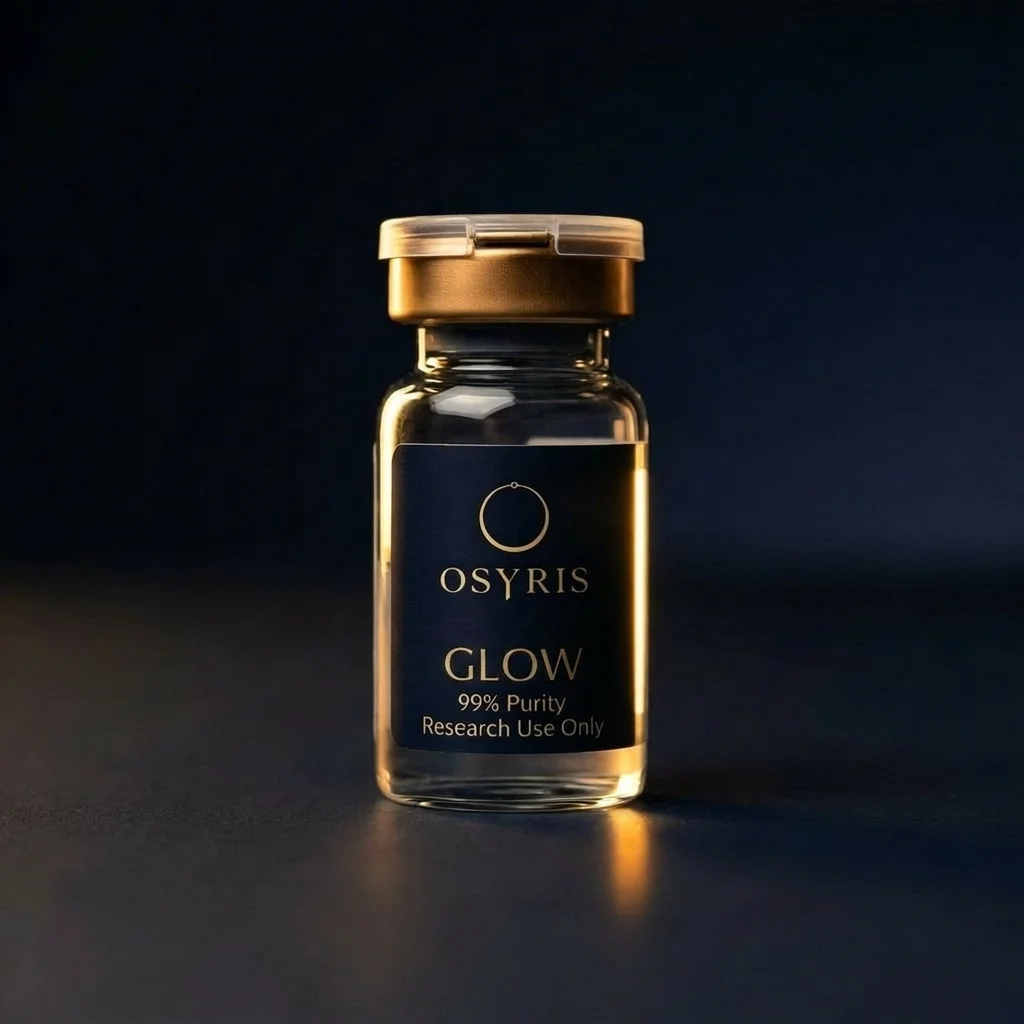
GLOW
Research Product
GLOW
GLOW is a proprietary multi-peptide research blend composed of GHK-Cu (50MG), BPC-157 (10MG), and TB-500 (10MG), formulated for synergistic in vitro and in vivo study of cellular signaling, tissue regeneration, angiogenesis, and peptide-receptor interactions. This product is supplied as a lyophilized powder and is intended strictly for research purposes only.
View product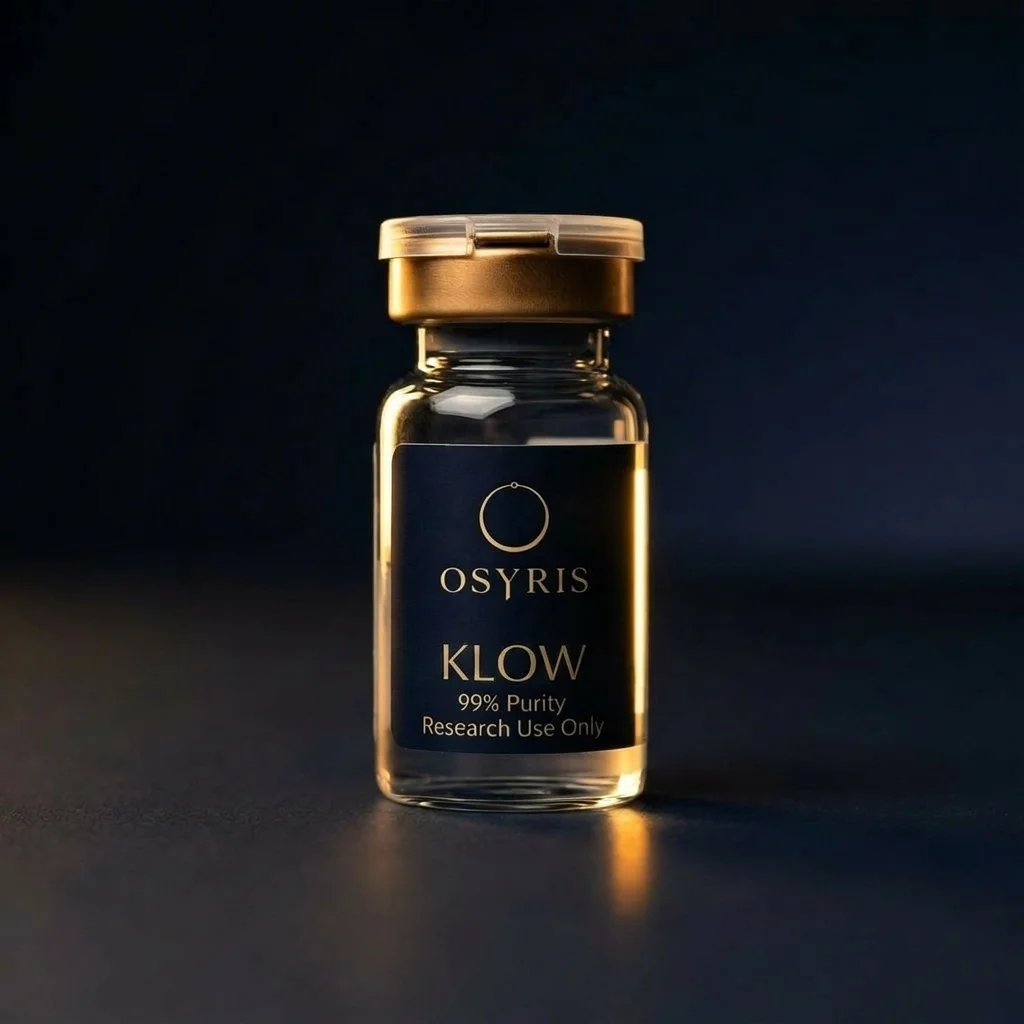 Research Product
KLOW
Research Product
KLOW
KLOW is a composite research peptide blend comprising BPC-157, thymosin beta-4, GHK-Cu and KPV. Supplied as a high-purity lyophilized powder, it supports in vitro exploration of angiogenesis, extracellular matrix turnover, cytoskeletal organization, and inflammatory signaling using complementary pathways derived from the component molecules. For laboratory research only, and controlled assays.
View product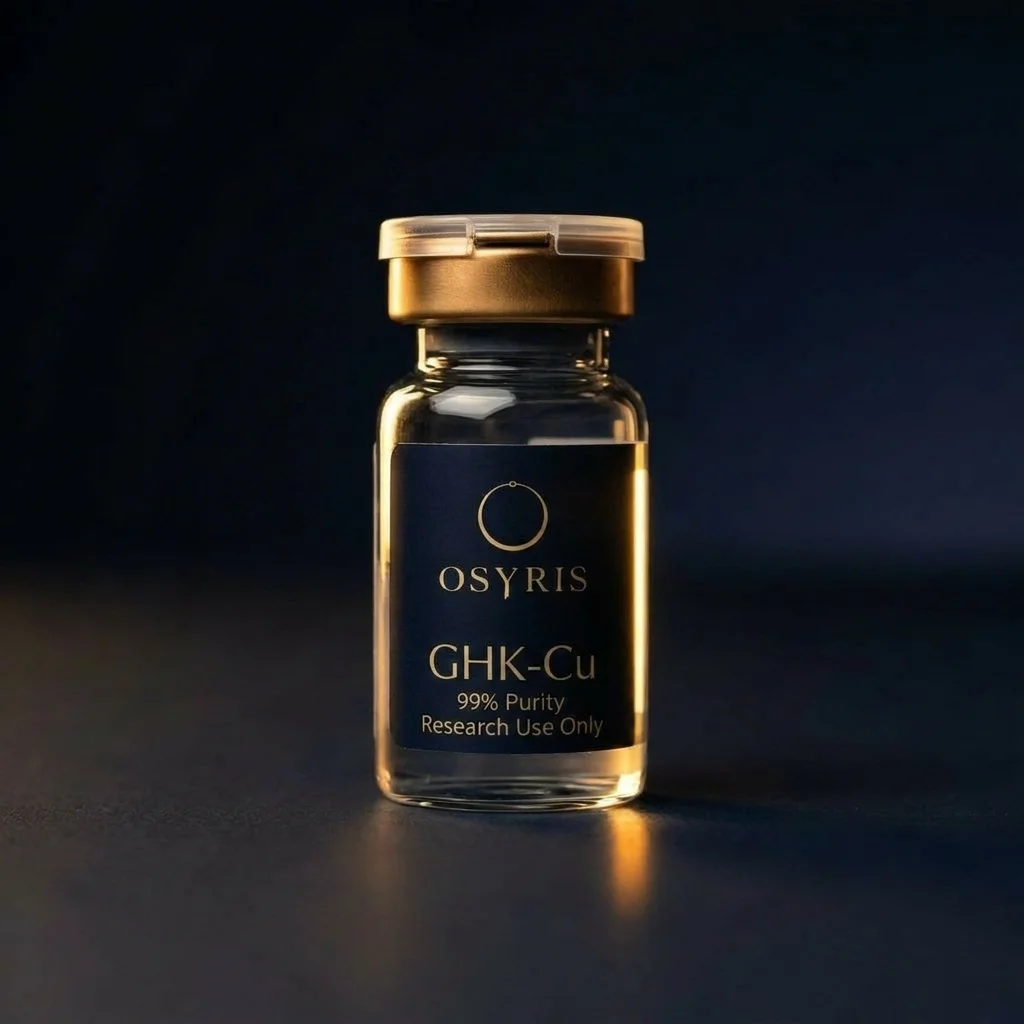 Research Product
GHK-Cu
Research Product
GHK-Cu
GHK-Cu is the copper(II) complex of glycyl-L-histidyl-L-lysine. It is widely used in vitro to study copper transport, redox balance, extracellular matrix regulation, and gene expression signatures related to tissue remodeling and cellular stress responses.
View product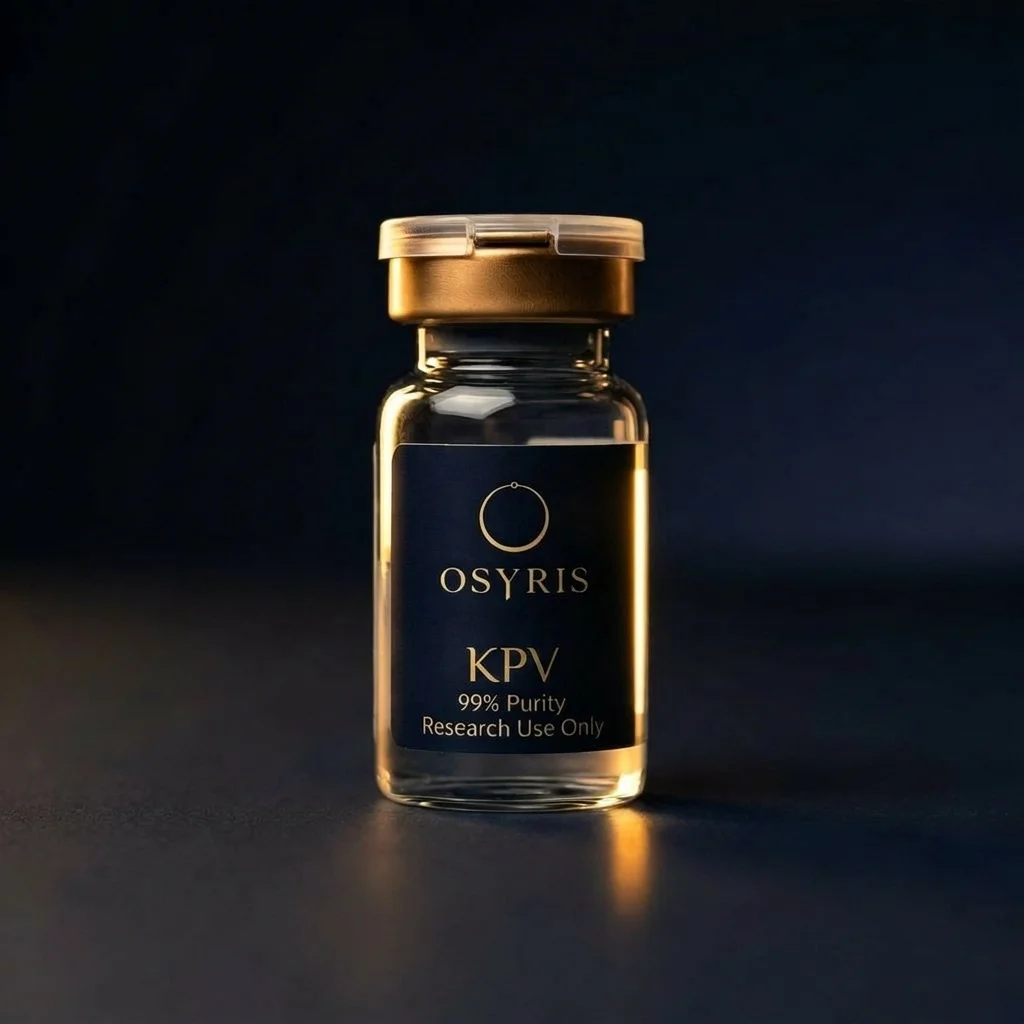 Research Product
KPV
Research Product
KPV
KPV is a tripeptide fragment (Lys-Pro-Val) derived from the α-melanocyte-stimulating hormone (α-MSH). Supplied as a high-purity research peptide, KPV 10 mg is used exclusively in controlled laboratory settings for studies exploring cellular interactions, peptide signaling, and structure–function relationships. For research purposes only.
View productQuestions
Common Questions
Is KLOW just a stronger version of GLOW?
Not exactly. It is a broader stack because it adds KPV, but broader is not always better if the protocol needs cleaner mechanistic interpretation.
When is GLOW the better choice?
When the protocol is mainly about repair, remodeling, and copper-linked biology without making inflammation the central layer.
When is KLOW the better choice?
When the model includes meaningful inflammatory stress and the design intentionally studies repair plus inflammation together.
Should I start with a stack?
Only if the question is genuinely multi-pathway. Otherwise single compounds usually produce cleaner data.
Does KPV change the interpretation significantly?
Yes. Adding KPV changes the biology being studied and therefore changes how the result should be interpreted.
Can GLOW or KLOW replace BPC-157 or TB500 in every protocol?
No. Stacks complement single-compound work; they do not erase the value of mechanism-first designs.