

Recovery
Recovery Peptides — Research Mechanisms and Compound Guide
Complete guide to recovery and tissue repair peptides. BPC-157, TB500, blends compared. Mechanisms, research applications, how to choose.
The Biology of Tissue Repair
Tissue repair is not a single process — it's an orchestrated sequence of overlapping biological events that unfolds over days to weeks after injury. Understanding this sequence is essential for understanding where each recovery peptide intervenes.
Phase 1: Inflammation (hours to days). Immediately after injury, the body mounts an inflammatory response. Blood vessels dilate, immune cells (neutrophils, macrophages) infiltrate the area, and inflammatory mediators (TNF-α, IL-1β, IL-6) are released. This phase clears debris and pathogens but can become destructive if excessive or prolonged.
Phase 2: Proliferation (days to weeks). Fibroblasts migrate to the wound site and begin producing new extracellular matrix (collagen, elastin, proteoglycans). Endothelial cells form new blood vessels (angiogenesis) to supply the growing tissue. Epithelial cells migrate across the wound surface (re-epithelialization).
Phase 3: Remodeling (weeks to months). The initial repair matrix is reorganized and strengthened. Collagen is cross-linked by lysyl oxidase. The tissue gradually approaches (but rarely achieves) its pre-injury strength and organization.
Each OSYRIS recovery compound targets a different step in this sequence.
The Recovery Compound Map
| Compound | Primary Mechanism | Repair Phase Targeted | Key Pathway |
|---|---|---|---|
| BPC-157 | Growth factor upregulation | Proliferation (signaling) | FAK-paxillin, EGF/VEGF/FGF |
| TB500 | Actin polymerization | Proliferation (migration) | G-actin → F-actin |
| BPC/TB500 Blend | Dual mechanism | Proliferation (both) | Combined signaling + migration |
| GLOW | Triple mechanism + copper | Proliferation + remodeling | Growth factors + actin + gene expression |
| KLOW | Immune + triple repair | Inflammation + proliferation | NF-κB inhibition + 3 repair pathways |
BPC-157: The Signal Amplifier
BPC-157 is the most extensively studied compound in the Recovery category. Its mechanism centers on amplifying the body's repair signals — upregulating growth factors (EGF, VEGF, FGF) that recruit repair cells, stimulate blood vessel formation, and drive collagen synthesis. The FAK-paxillin pathway activation promotes organized cell adhesion and directional migration.
Unique strengths: Broadest tissue type coverage (tendon, muscle, skin, GI, cornea, nerve), reported oral activity in animal models, extensive GI research portfolio, dual tissue repair + NO system modulation.
Evidence context: Over 100 PubMed publications, primarily from the University of Zagreb group. Independent replication emerging but limited. No human clinical trials.
Best for protocols studying: Growth factor-mediated repair, GI tissue biology, multi-tissue repair models, oral delivery research.
→ Read the full BPC-157 research overview → View BPC-157 product page
TB500: The Structural Enabler
TB500 provides the structural machinery that repair cells need to respond to growth factor signals. Its mechanism — actin polymerization and cytoskeletal reorganization — gives cells the physical capacity to migrate to injury sites. Where BPC-157 sends the "come here" signal, TB500 gives cells better legs to get there.
Unique strengths: Cardiac research (Nature publication on cardiomyocyte survival), internationally distributed evidence base (multiple independent research groups), anti-inflammatory properties through NF-κB modulation, established corneal wound healing data.
Evidence context: Extensive Thymosin Beta-4 literature from multiple international laboratories. The full protein (43 amino acids) has more published data than the TB500 fragment specifically.
Best for protocols studying: Cell migration dynamics, cardiac repair biology, actin cytoskeleton research, corneal wound models.
→ Read the full TB500 research overview → View TB500 product page
The Combination Rationale
The BPC/TB500 Blend and the multi-compound stacks (GLOW, KLOW) exist because tissue repair involves multiple simultaneous processes. A single compound targeting one mechanism addresses one bottleneck but leaves others unaddressed.
BPC/TB500 Blend targets the two most fundamental repair processes: signaling (BPC-157) and cell migration (TB500). The hypothesis: activating both produces effects neither achieves alone. Published evidence for the specific combination is limited — the rationale is based on the non-overlapping mechanisms documented independently for each compound.
GLOW adds GHK-Cu to the BPC-157 + TB500 combination, introducing copper-dependent collagen cross-linking and gene expression modulation (4,000+ genes affected in fibroblast studies). This creates a three-mechanism approach: signaling + migration + gene expression.
KLOW adds KPV to the GLOW formula, introducing direct NF-κB inhibition. This addresses the inflammation phase of repair — the critical first step that, when excessive, prevents effective tissue regeneration. KLOW is the only stack that targets both the inflammatory and proliferative phases.
How to Choose for Your Protocol
Single-mechanism studies: Use BPC-157 or TB500 individually to study one pathway in isolation with controlled variables.
Dual-mechanism studies: Use the BPC/TB500 Blend for protocols investigating whether simultaneous signaling and migration activation produces additive or synergistic effects.
Multi-mechanism studies: Use GLOW (aesthetics focus: collagen/skin) or KLOW (immune focus: inflammation + repair) for protocols studying comprehensive tissue remodeling.
Comparative studies: Use all available compounds side by side to isolate each mechanism's contribution to repair outcomes.
Cross-Category Connections
Recovery compounds appear across the OSYRIS catalog:
- GLOW is cross-listed to Aesthetics (skin/collagen focus)
- KLOW is cross-listed to Immune (NF-κB/inflammation focus) and Aesthetics
- BPC-157 has GI research relevant to Metabolic models
- GHK-Cu (in GLOW/KLOW) has gene expression data relevant to Longevity models
These cross-listings reflect the biological reality that tissue repair intersects with multiple research domains.
Featured Links
 Primary Compound
BPC-157
Primary Compound
BPC-157
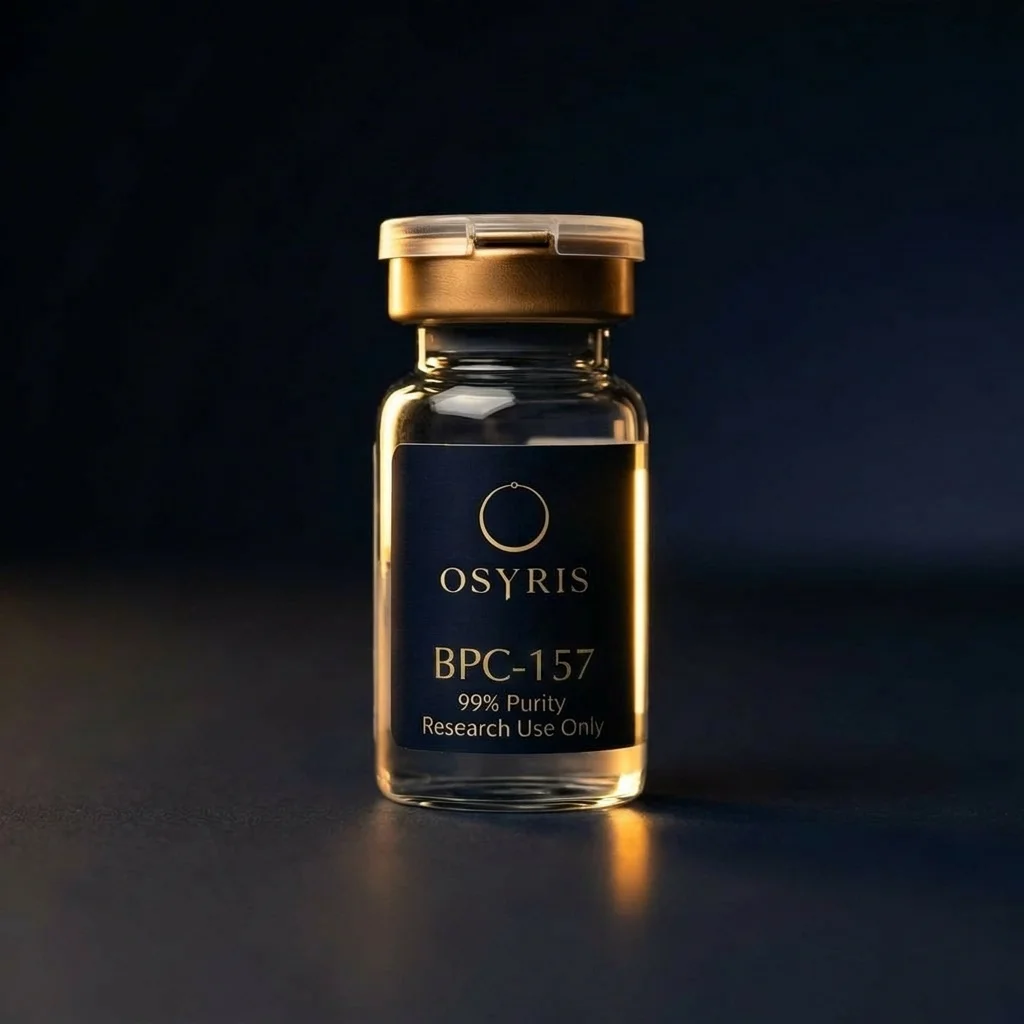
BPC-157 is a synthetic pentadecapeptide derived from a protective protein found in the gastric mucosa. Structurally stable and water-soluble, it is widely studied for its potential role in cellular signaling, tissue regeneration, and inflammation models. BPC-157 is intended solely for laboratory and in vitro research purposes.
View →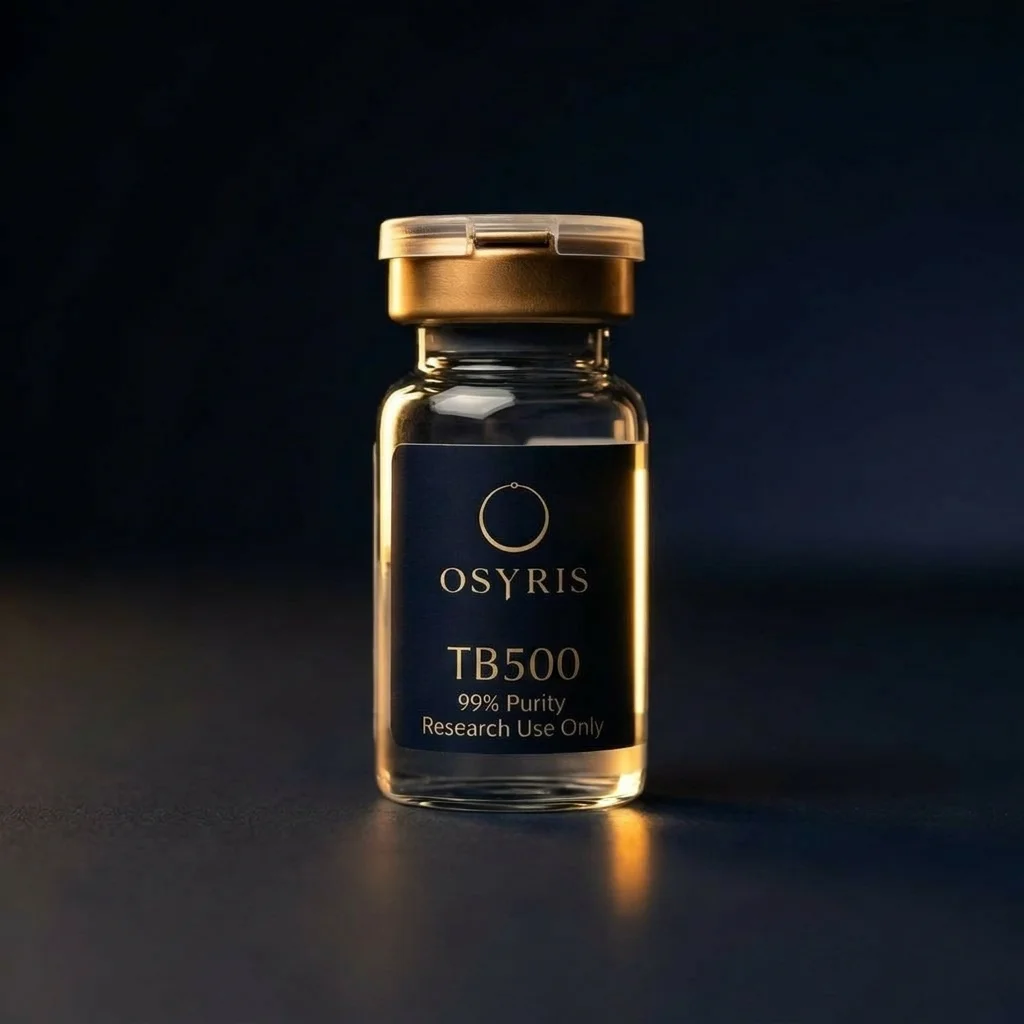 Primary Compound
TB500
Primary Compound
TB500
TB500 refers to research-grade thymosin beta-4–derived peptide material used to study actin binding, cell migration, angiogenesis, and tissue remodeling pathways. It is suited for in vitro and in vivo models investigating cytoskeletal regulation and repair-associated signaling, without any approved therapeutic designation.
View →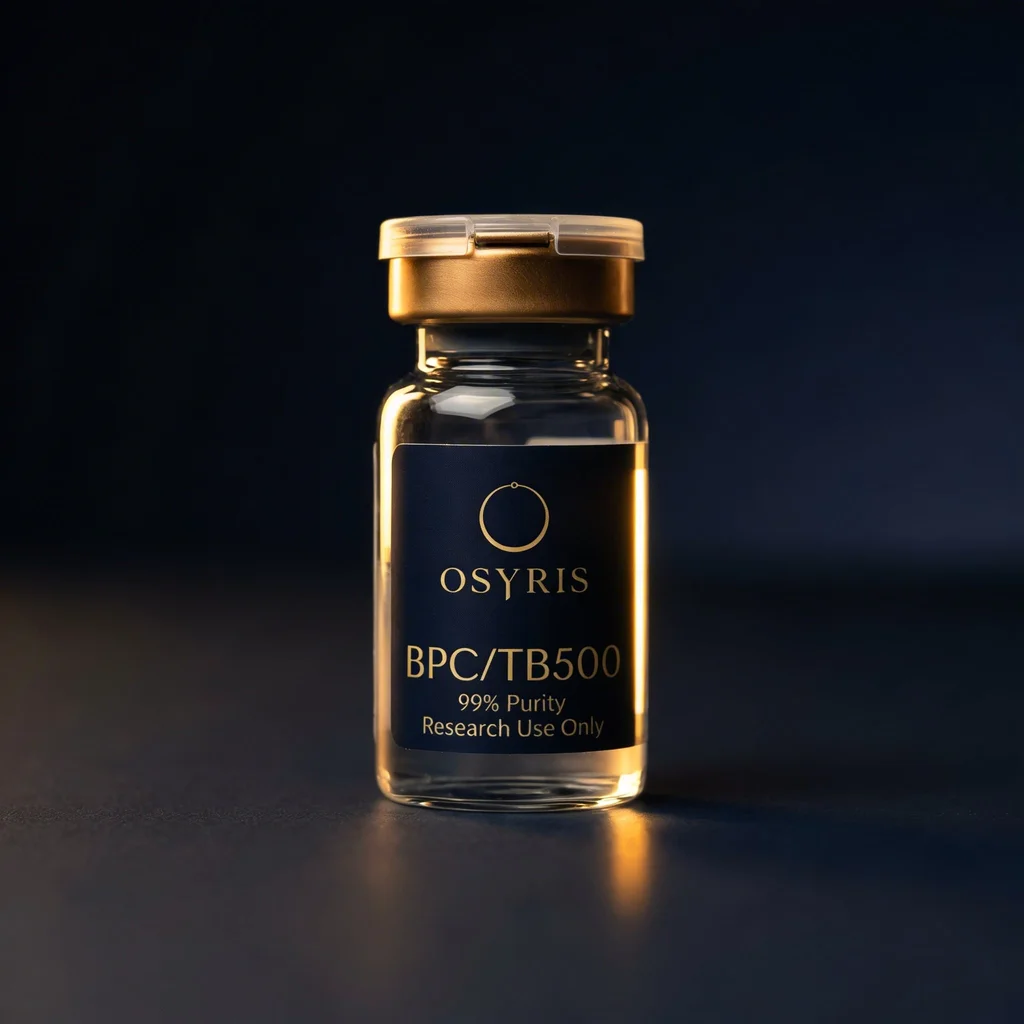 Primary Compound
BPC/TB500 Blend
Primary Compound
BPC/TB500 Blend
This research-only blend combines BPC-157 and TB-500, two synthetic peptides studied for their roles in tissue regeneration, cellular repair, angiogenesis, and inflammation modulation. The synergistic activity of these peptides supports their investigation across diverse biological models involving injury, oxidative stress, and vascular function. For controlled laboratory use only.
View →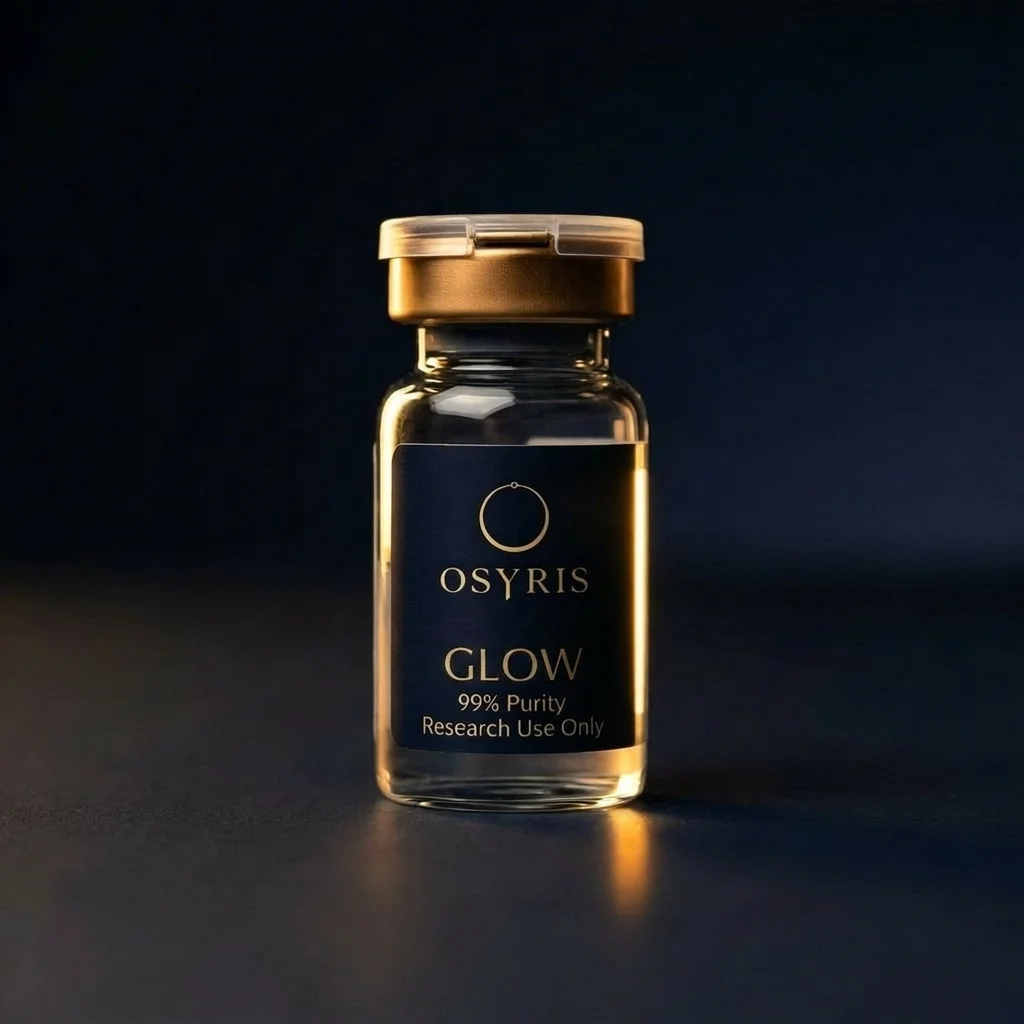 Cross-Listed • Aesthetics
GLOW
Cross-Listed • Aesthetics
GLOW
GLOW is a proprietary multi-peptide research blend composed of GHK-Cu (50MG), BPC-157 (10MG), and TB-500 (10MG), formulated for synergistic in vitro and in vivo study of cellular signaling, tissue regeneration, angiogenesis, and peptide-receptor interactions. This product is supplied as a lyophilized powder and is intended strictly for research purposes only.
View →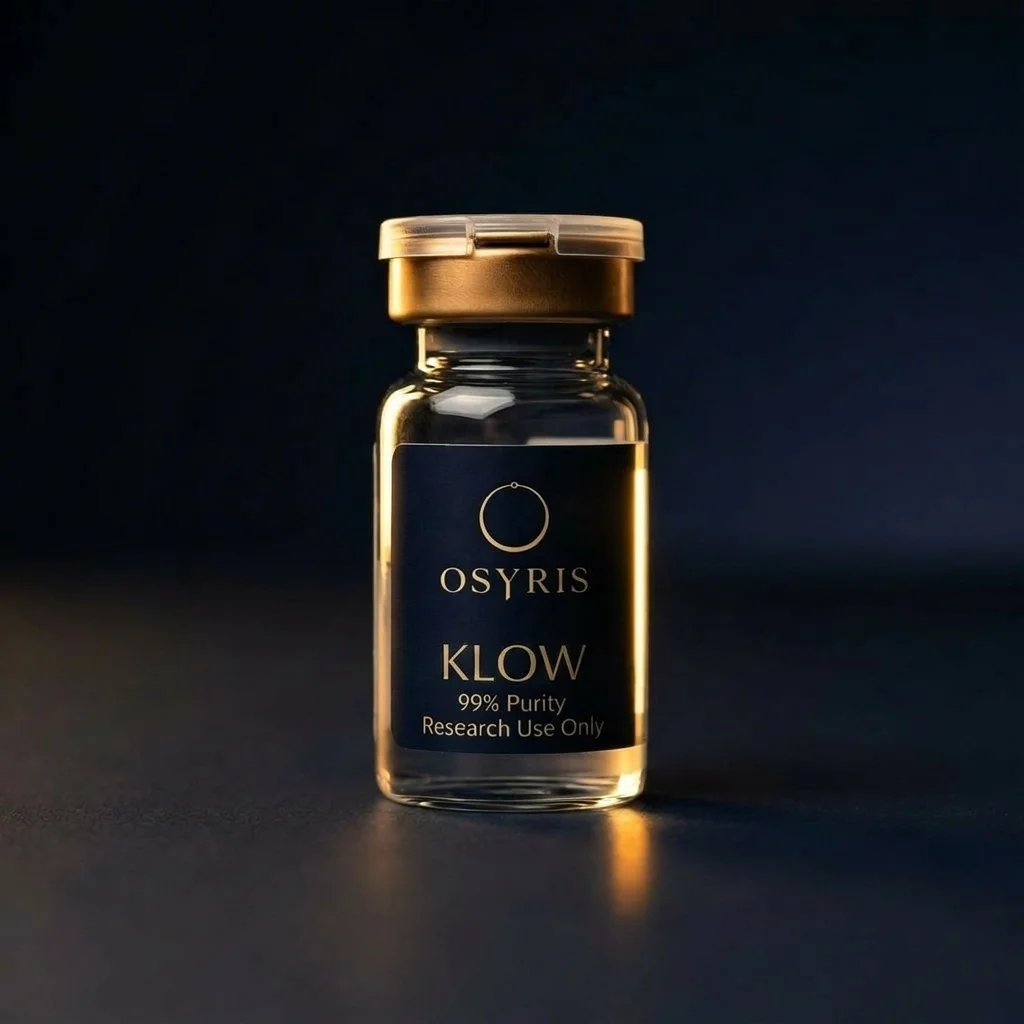 Cross-Listed • Immune
KLOW
Cross-Listed • Immune
KLOW
KLOW is a composite research peptide blend comprising BPC-157, thymosin beta-4, GHK-Cu and KPV. Supplied as a high-purity lyophilized powder, it supports in vitro exploration of angiogenesis, extracellular matrix turnover, cytoskeletal organization, and inflammatory signaling using complementary pathways derived from the component molecules. For laboratory research only, and controlled assays.
View →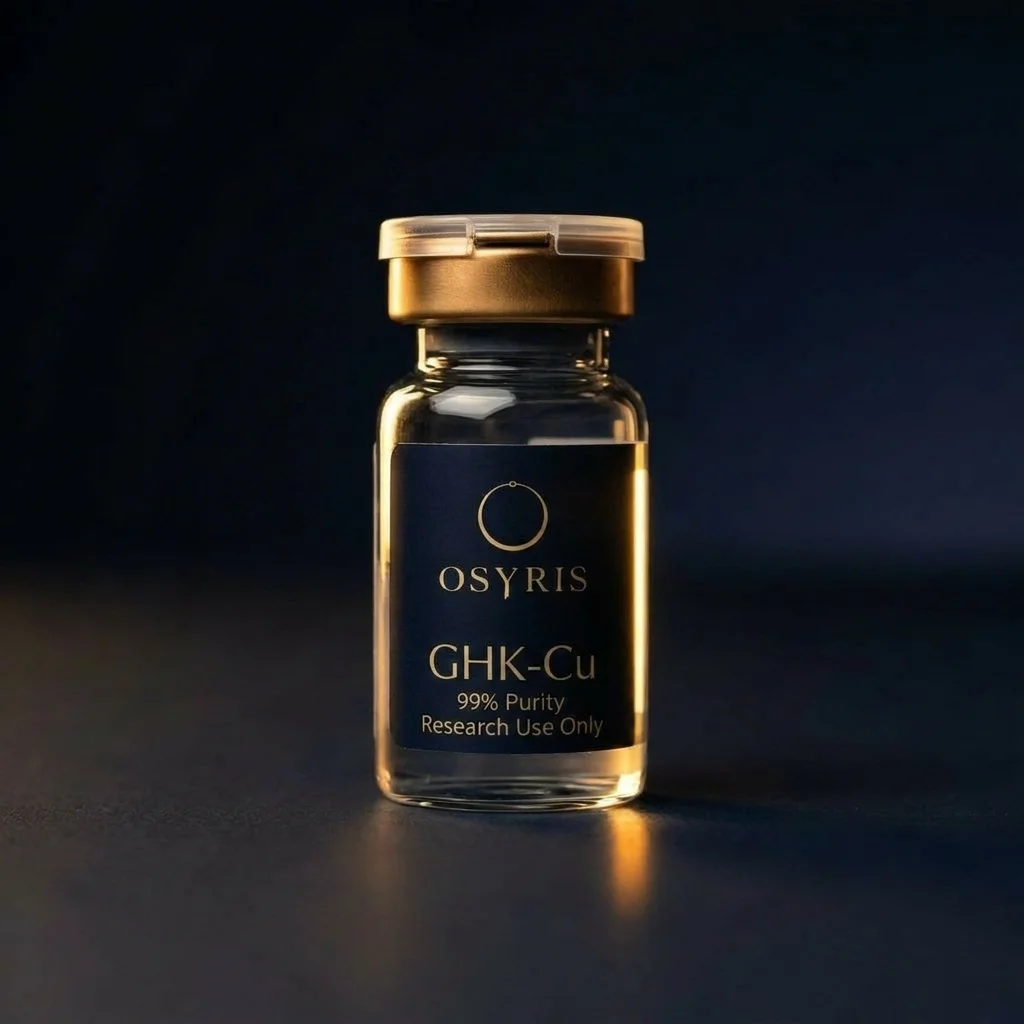 Cross-Listed • Aesthetics
GHK-Cu
Cross-Listed • Aesthetics
GHK-Cu
GHK-Cu is the copper(II) complex of glycyl-L-histidyl-L-lysine. It is widely used in vitro to study copper transport, redox balance, extracellular matrix regulation, and gene expression signatures related to tissue remodeling and cellular stress responses.
View →Questions
Common Questions
Which recovery peptide should I start with?
For growth factor-mediated repair research: BPC-157. For cell migration and actin biology: TB500. For multi-mechanism protocols: the BPC/TB500 Blend. The choice depends on your specific research question and the tissue model you're using.
Can recovery peptides be combined?
Yes. The BPC/TB500 Blend, GLOW, and KLOW stacks are designed for combination protocols. Individual compounds can also be purchased separately for custom ratios.
Which has the strongest evidence?
BPC-157 has the most published papers but from fewer independent groups. TB500/Thymosin Beta-4 has broader international evidence including a Nature publication. Neither has human clinical trials.
What's the difference between GLOW and KLOW?
GLOW = BPC-157 + GHK-Cu + TB500 (aesthetics/repair focus). KLOW = KPV + BPC-157 + TB500 + GHK-Cu (immune/repair focus). KLOW adds anti-inflammatory KPV.
Do any recovery peptides work orally?
BPC-157 has reported oral activity in rat models. TB500 has not been studied for oral delivery. All other compounds in the category use parenteral routes in published research.
How do recovery peptides relate to the inflammation phase?
BPC-157 modulates the NO system (involved in inflammation regulation). TB500 has anti-inflammatory effects via NF-κB. KPV (in KLOW) directly inhibits NF-κB. Different compounds address inflammation through different mechanisms.