
AboutStandards
IMMUNE

Research Peptides for Immune & Host Defense

Immune and host defense research peptides. KPV, Thymosin Alpha 1, VIP, KLOW Stack. HPLC/LC-MS tested.

Primary Compounds

These products live in Immune & Host Defense as their primary category and form the main grid for this page.

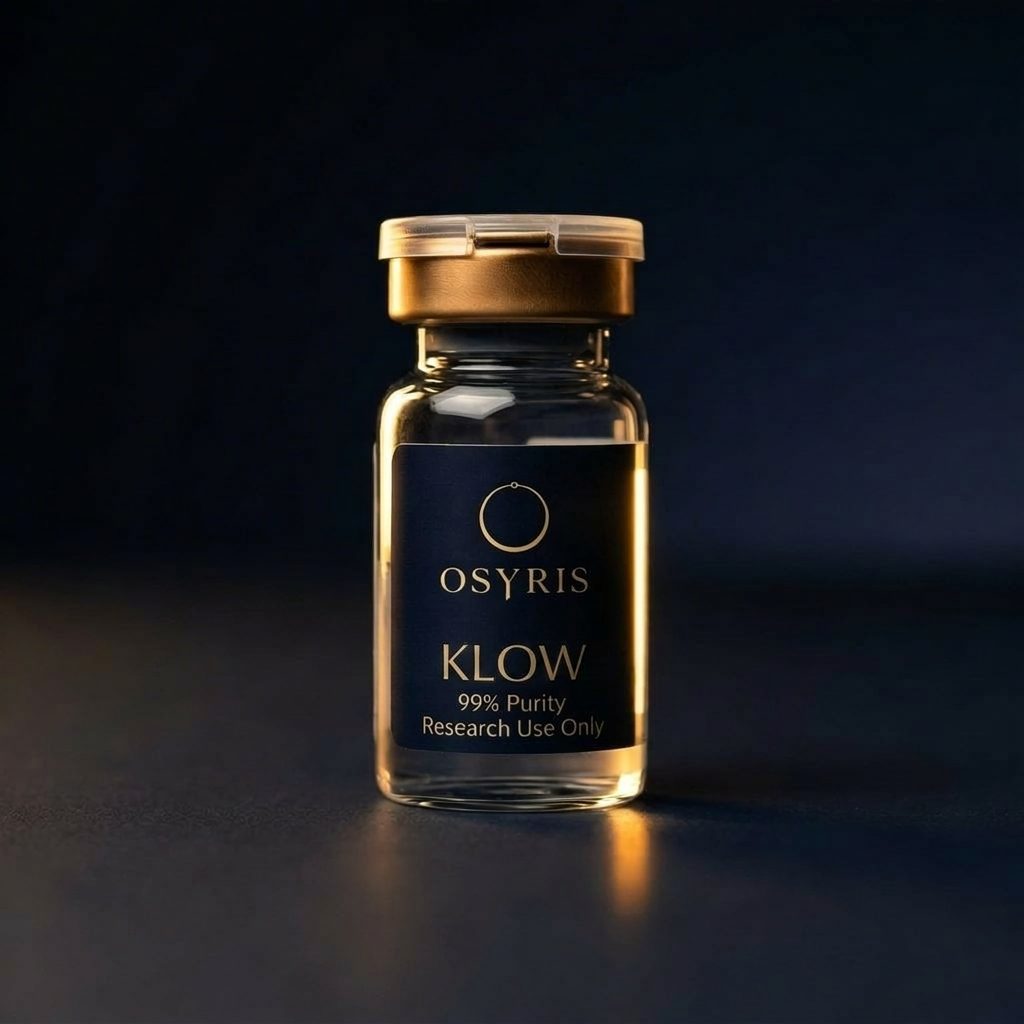
KLOW research peptide vial — OSYRIS Health
IMMUNE

KLOW

4 cited references

$129.99
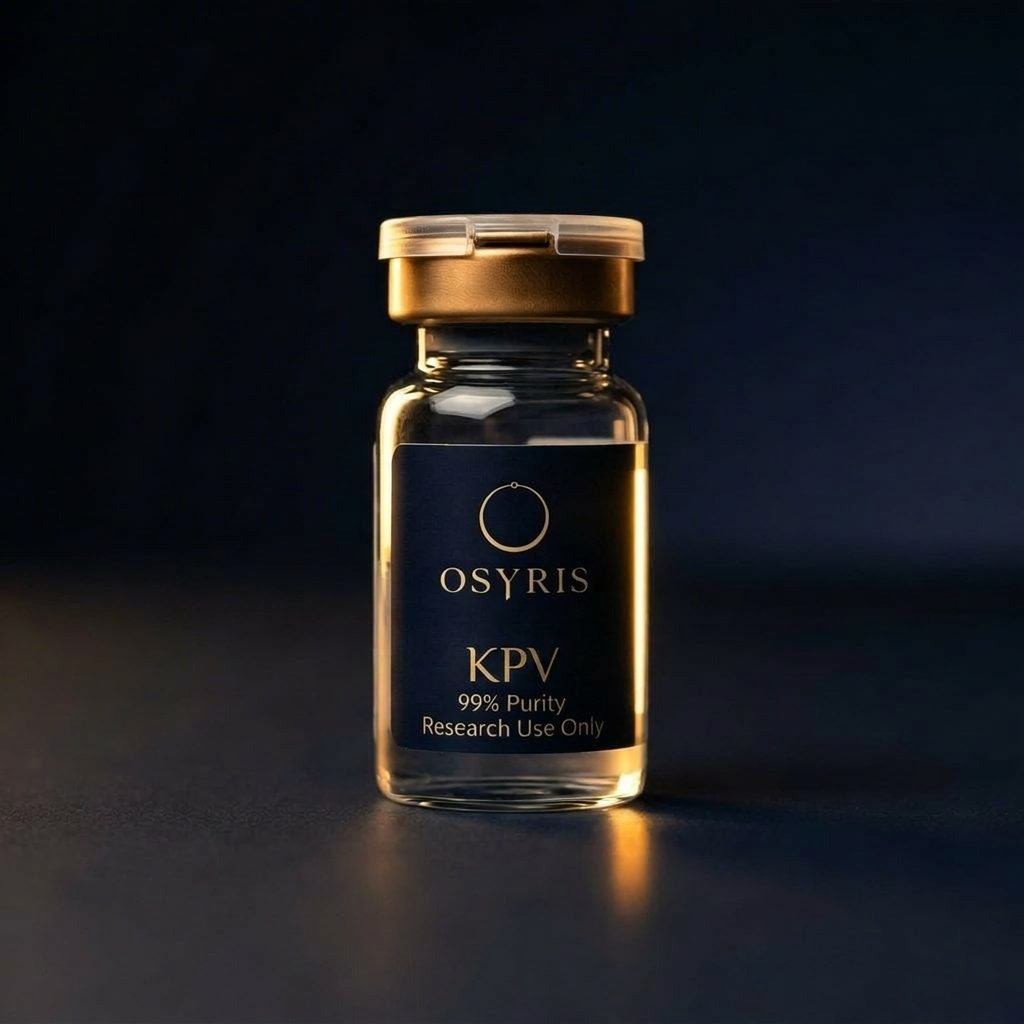
KPV research peptide vial — OSYRIS Health
IMMUNE

KPV

1 cited references

$59.99
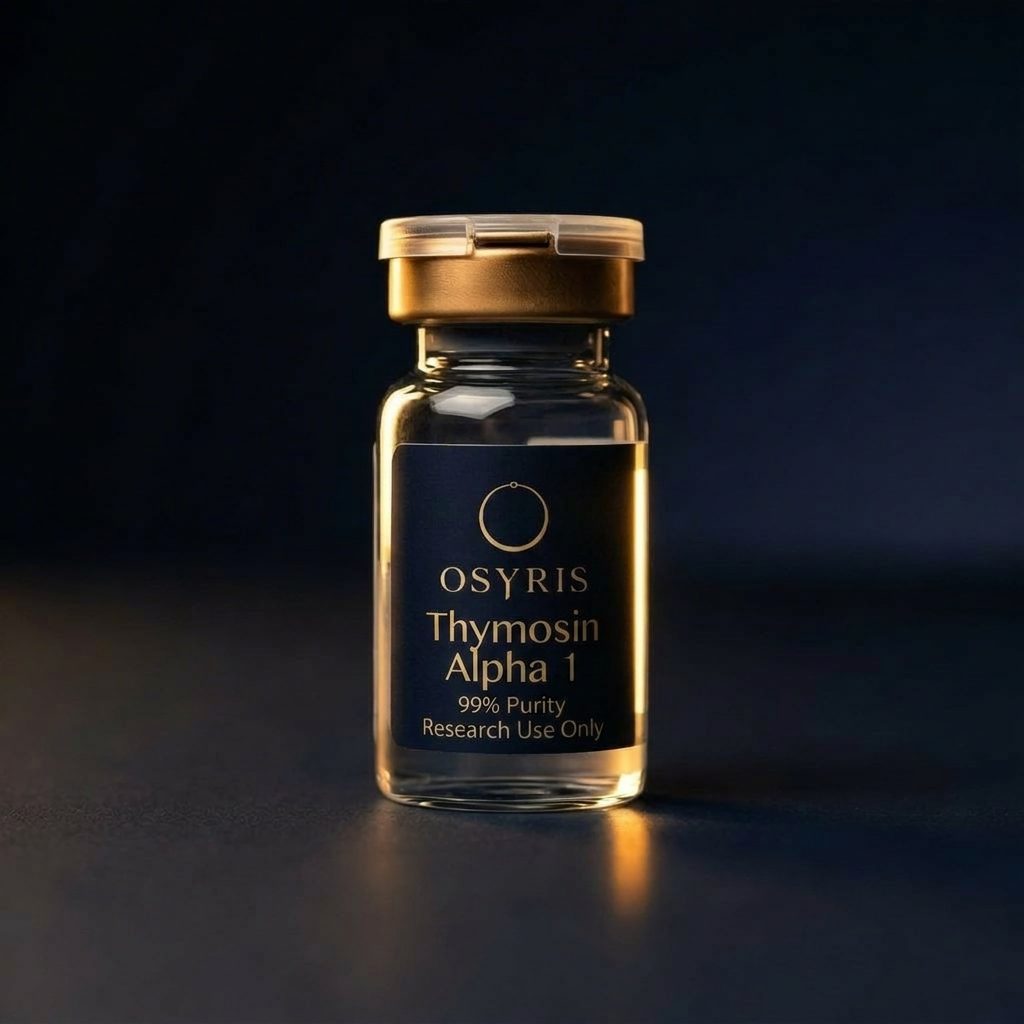
Thymosin Alpha 1 research peptide vial — OSYRIS Health
IMMUNE

Thymosin Alpha 1

1 cited references

$59.99
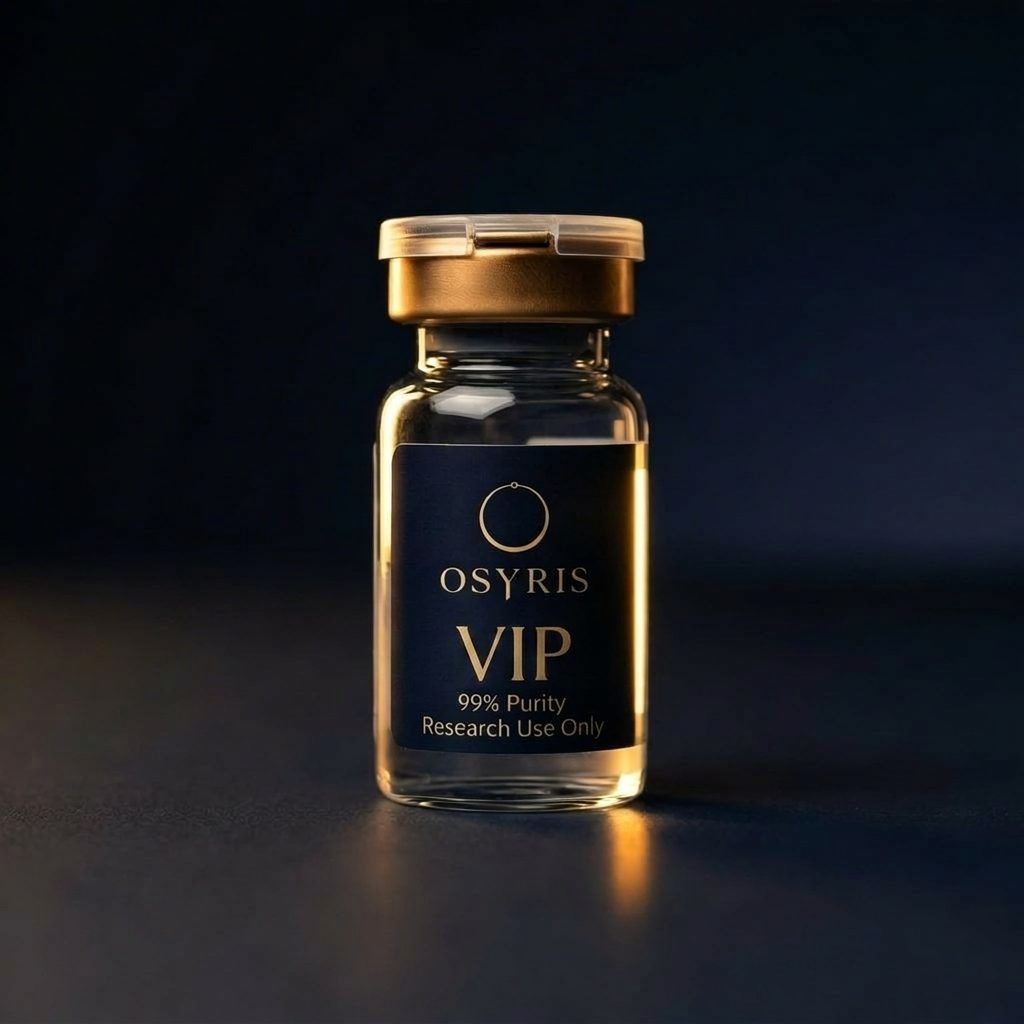
VIP research peptide vial — OSYRIS Health
IMMUNE

VIP

Current peptide page

$59.99

Immune peptide research reaches into almost every other category on the site because inflammation, host defense, and signaling stress are part of nearly every biological model. That is why this category feels broad without being vague. KPV, Thymosin Alpha 1, VIP, and KLOW all belong here as primary compounds because their clearest research framing is immune or inflammatory regulation rather than recovery, aesthetics, or metabolism.

This is also the category where cross-listing matters most. Some compounds from recovery, aesthetics, cognitive, and longevity work show up in immune-related discussions because the biology overlaps in real ways. The main grid here stays focused on the primary immune products, while the secondary section gives readers the broader context. That makes the page more honest and more useful. It also creates a stronger internal-linking web without confusing category ownership or ItemList schema.

Also Studied in This Area

These compounds are primarily categorized elsewhere but appear in Immune & Host Defense research contexts.

BPC-157 research peptide vial — OSYRIS Health
RECOVERY

BPC-157

10mg · C62H98N16O22 · MW 1419.5 g/mol

$59.99
Primary: Tissue Repair & Recovery
TB500 research peptide vial — OSYRIS Health
RECOVERY

TB500

4 cited references

$79.99
Primary: Tissue Repair & Recovery
BPC/TB500 Blend research peptide vial — OSYRIS Health
RECOVERY

BPC/TB500 Blend

10mg/10mg

$69.99 - $129.99
Primary: Tissue Repair & Recovery
Glutathione research peptide vial — OSYRIS Health
AESTHETICS

Glutathione

4 cited references

$59.99
Primary: Skin, Hair & Aesthetics
Semax research peptide vial — OSYRIS Health
COGNITIVE

Semax

5 cited references

$39.99
Primary: Cognitive & Neurological
Selank research peptide vial — OSYRIS Health
COGNITIVE

Selank

6 cited references

$39.99
Primary: Cognitive & Neurological

Research Overview

This section gives the broader research frame for the category before you move into the product-level specs, citations, and COAs.

Why immune work touches the whole catalog

Inflammation and host-defense signaling are rarely isolated. Tissue repair models involve immune activity. Cognitive research can overlap with neuroinflammation. Longevity work overlaps with immunosenescence and immunometabolism. That is why the immune category ends up linking out to more places than most other sections of the site.

The right way to handle that is not to dump every overlapping compound into the main grid. The right way is to keep a tight primary category and then surface the strongest secondary relationships below it. That keeps the page coherent while still reflecting the science.

Anti-inflammatory vs. immunomodulatory research

Immune peptide pages work best when they separate anti-inflammatory language from broader immunomodulatory language. Those are related ideas, but they are not identical. Some compounds are studied more narrowly around inflammatory signaling, barrier stress, or host response. Others are framed around larger immune-system regulation questions.

That distinction matters for readers because it helps them understand why compounds can share a category without serving the exact same research purpose. KPV, Thymosin Alpha 1, VIP, and KLOW all belong here, but they are not four versions of the same thing.

Why KLOW belongs here as a primary product

KLOW is a good example of why category logic matters. It contains ingredients that overlap with recovery and aesthetics, but its lead framing is anti-inflammatory and host-defense related. That is why it belongs in immune as its primary category. Putting it in metabolic would weaken both the page logic and the research story.

The same principle applies across the catalog. A compound can have several legitimate overlaps, but it still needs one best home for breadcrumbs, schema, and primary listing.

Reading immune pages without overpromising the science

Immune topics attract strong claims because the subject feels high stakes. That is exactly why this page stays grounded in research framing. The goal is to show where compounds are studied, what kinds of models they appear in, and how they connect to other categories without turning exploratory work into outcome promises.

For readers, the path is simple. Use this page to understand the immune and inflammatory landscape, then move into product pages to review specs, citations, and COAs. If the documentation is thin, treat the claim with caution.

Related Research Areas

Follow the strongest overlap paths when your question starts in Immune & Host Defense but quickly touches neighboring research areas.

Category FAQs

Questions About Immune & Host Defense

These answers follow the approved collection FAQ set for this category.

Thymosin Alpha 1 is studied in immune and host-defense research, especially where researchers are looking at signaling, immune regulation, and stress-response pathways.

KPV is a short peptide commonly discussed in anti-inflammatory and immune-related preclinical research. It is often used as a reference point for inflammatory signaling questions.

VIP is a neuropeptide studied in immune, inflammatory, and signaling research. Because it also overlaps with cognitive and hormonal topics, it appears as a bridge compound in the catalog.

KLOW is a stack product led by an immune and inflammatory research framing, with secondary overlap into recovery and aesthetics because of its component ingredients.

They are typically studied in cell and animal models focused on inflammatory signaling, barrier stress, host response, immune regulation, or related recovery pathways. That work is exploratory and model-specific.

Anti-inflammatory compounds are usually discussed more narrowly around reducing or altering inflammatory signaling. Immunomodulatory compounds may affect broader immune-system activity or regulation.

On this site it is sold for laboratory research purposes only. Product pages should not be read as treatment or approval claims.

Standard peptide handling usually means keeping lyophilized material cool, dry, and protected from light, then refrigerating reconstituted material when applicable. Use your lab's storage protocol.