
AboutStandards
METABOLIC

Research Peptides for Metabolic & Weight Management

Metabolic research peptides. GLP-1, GLP-2, GLP-3, AOD-9604, SLU-PP-32. Third-party verified with COAs.

Primary Compounds

These products live in Metabolic & Weight Management as their primary category and form the main grid for this page.

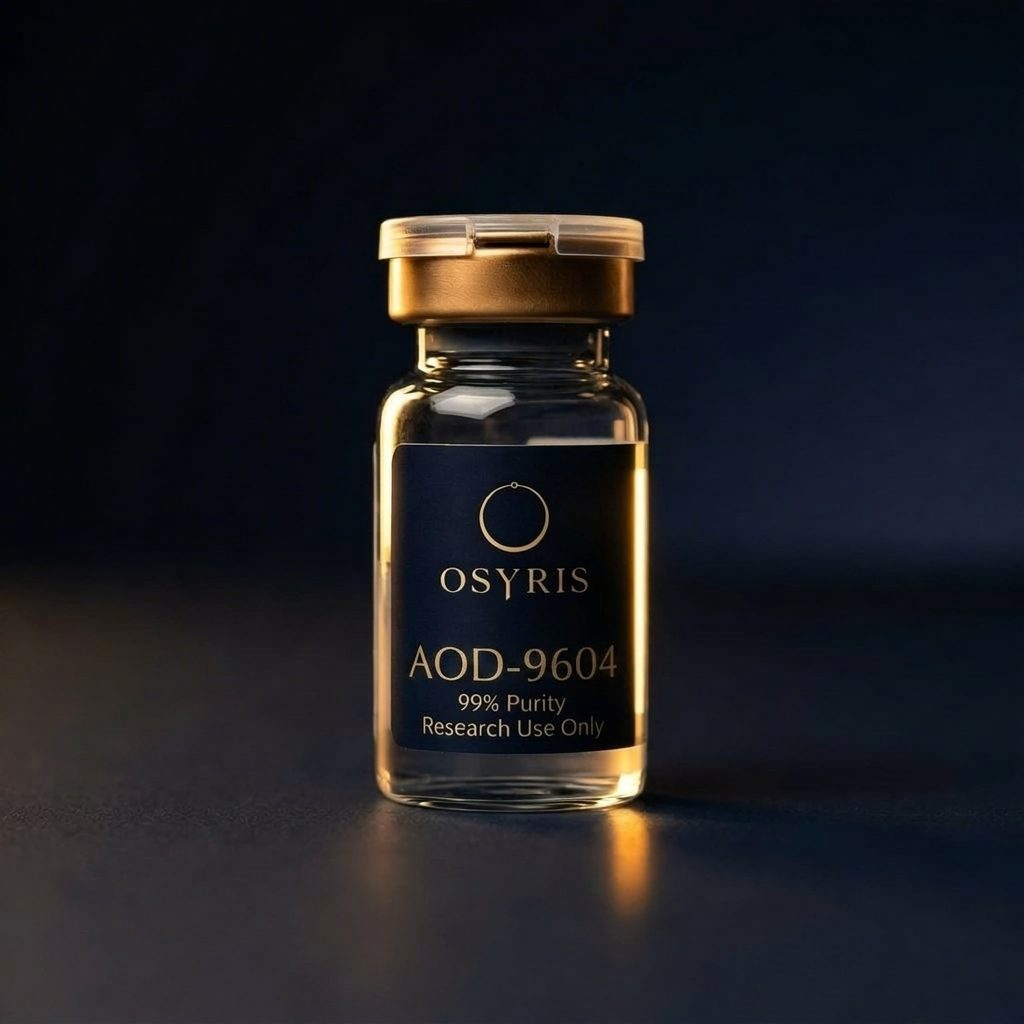
AOD-9604 research peptide vial — OSYRIS Health
METABOLIC

AOD-9604

10mg · C78H123N23O23S2 · MW 1815.1 g/mol

$49.99
Cagrilinitide research peptide vial — OSYRIS Health
METABOLIC

Cagrilinitide

10mg

$99.99
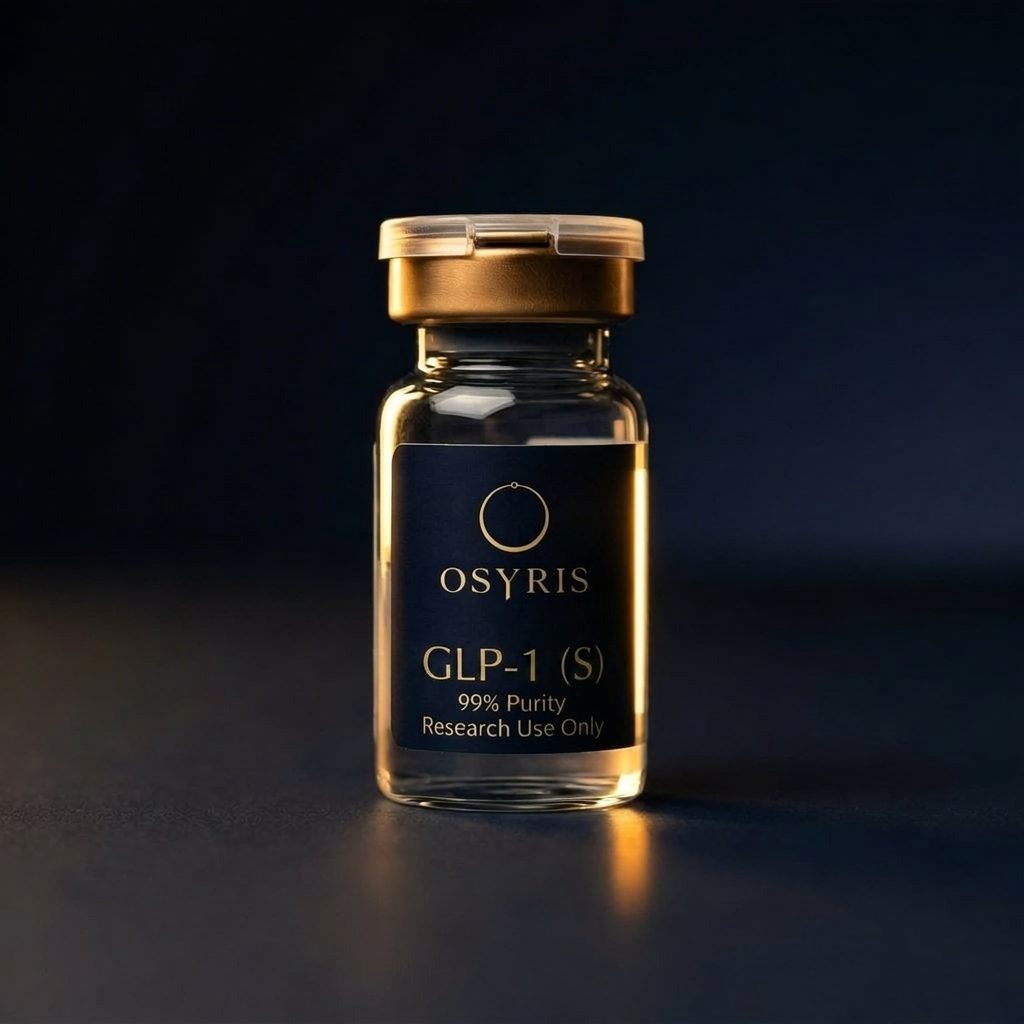
GLP – 1 (S) research peptide vial — OSYRIS Health
METABOLIC

GLP – 1 (S)

5mg · C187H291N45O59 · MW 4113.58 g/mol

$64.99
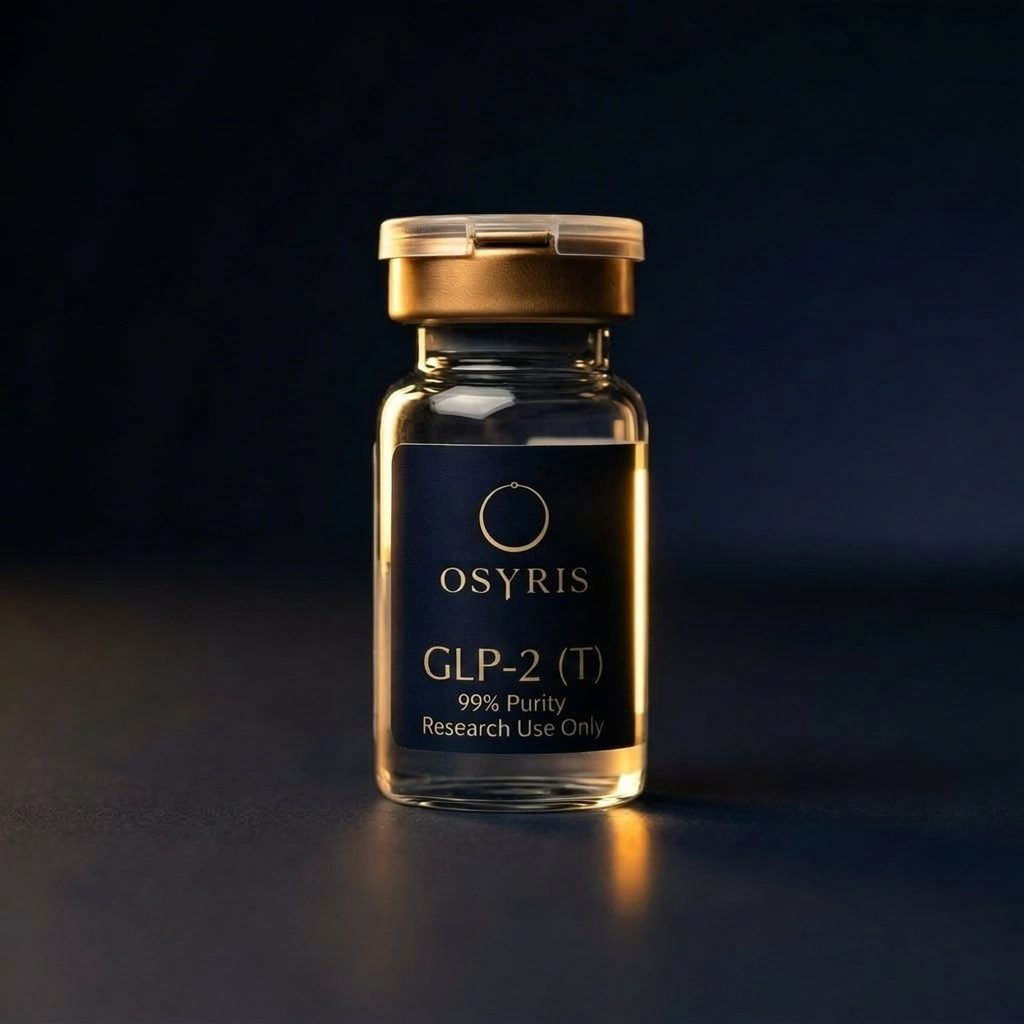
GLP – 2 (T) research peptide vial — OSYRIS Health
METABOLIC

GLP – 2 (T)

15mg · C225H348N48O68 · MW 4813.45 g/mol

$99.99 - $169.99
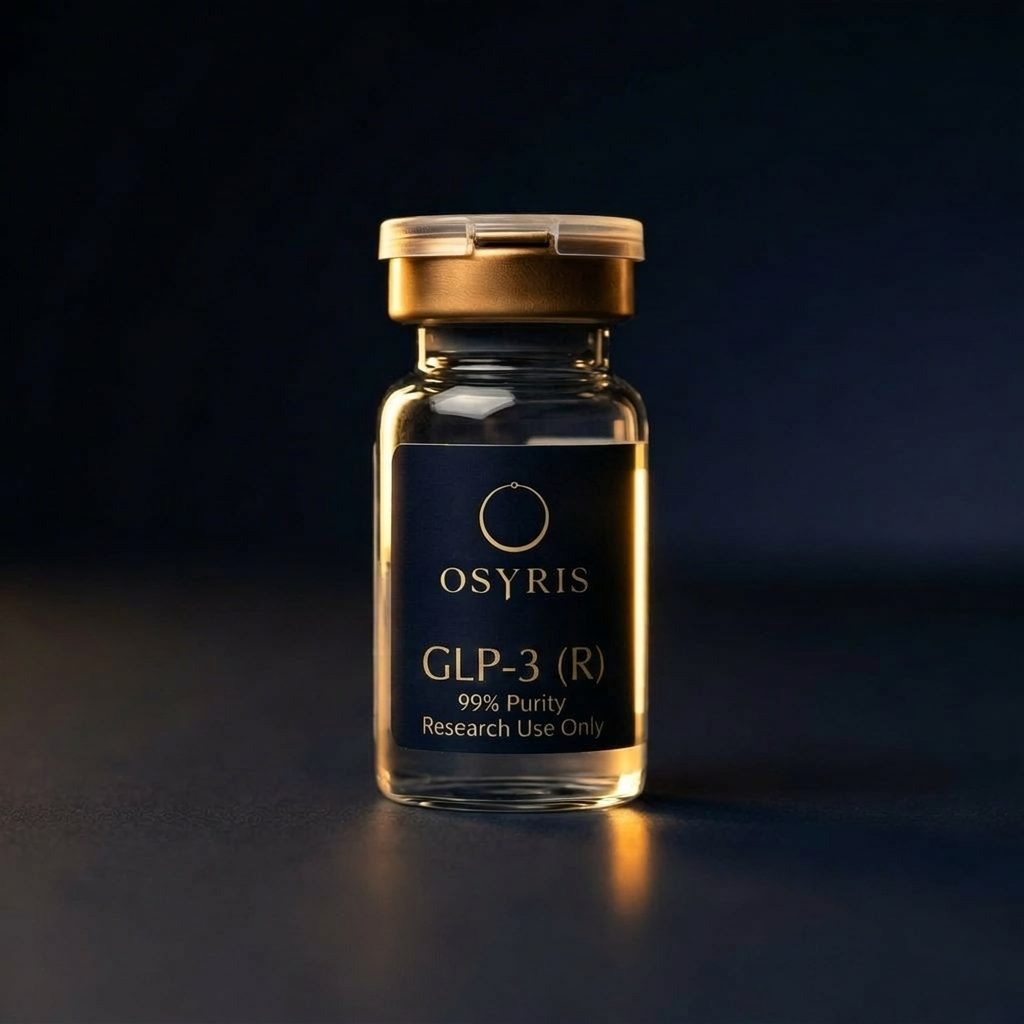
GLP – 3 (R) research peptide vial — OSYRIS Health
METABOLIC

GLP – 3 (R)

10mg · C222H340N60O68 · MW 5100 Da

$94.99 - $229.99
SLU-PP-32 research peptide vial — OSYRIS HealthNEW
METABOLIC

SLU-PP-32

ERR Agonist · Pan-ERR · Research Tool

$74.99

Metabolic peptide research is one of the busiest parts of the peptide market, and it is also one of the easiest places for useful science to get buried under hype. This category is built to keep the focus on the actual research areas: energy regulation, receptor signaling, appetite pathways, body-composition models, and mitochondrial metabolism. It includes AOD-9604, Cagrilinitide, GLP-1 (S), GLP-2 (T), GLP-3 (R), and SLU-PP-32 because those are the compounds in the current OSYRIS catalog that best fit that frame.

Some of these compounds are talked about in adjacent categories too. NAD+ and MOTS-C overlap with metabolism through mitochondrial work, while Tesamorelin and Ipamorelin overlap through body-composition and GH-axis research. Those relationships are real, but the main grid here stays focused on the compounds whose primary research identity is clearly metabolic. That keeps the category coherent for readers and keeps the schema clean for search.

Also Studied in This Area

These compounds are primarily categorized elsewhere but appear in Metabolic & Weight Management research contexts.

NAD+ research peptide vial — OSYRIS HealthNEW
LONGEVITY

NAD+

500mg · C21H27N7O14P2 · MW 663.43

$74.99
Primary: Longevity & Cellular Health
MOTS-C research peptide vial — OSYRIS Health
LONGEVITY

MOTS-C

10mg · C48H73NO13S · MW 1042.18 g/mol

$69.99
Primary: Longevity & Cellular Health
Tesamorelin research peptide vial — OSYRIS Health
GROWTH HORMONE

Tesamorelin

10mg · C221H366N72O67S · MW 5135.89 g/mol

$74.99
Primary: Growth Hormone & Secretagogues
Ipamorelin research peptide vial — OSYRIS Health
GROWTH HORMONE

Ipamorelin

2 cited references

$49.99
Primary: Growth Hormone & Secretagogues

Research Overview

This section gives the broader research frame for the category before you move into the product-level specs, citations, and COAs.

Receptor signaling drives much of this category

A large part of metabolic peptide research centers on receptor signaling. GLP-class compounds are the clearest example because the whole conversation starts with target engagement and the downstream effects researchers observe in appetite, glucose regulation, and body-composition models. That makes receptor profile a core sorting tool, not just a technical footnote.

It is also why comparison pages matter. Dual and triple agonist classes belong in the same category, but they should still be explained carefully so readers understand how a metabolic page can hold closely related compounds that are not identical in research framing.

Metabolic work is broader than weight-loss language

The search demand around this category often uses weight-related phrasing, but the underlying research is broader. Scientists study body composition, energy expenditure, adipose signaling, mitochondrial output, glucose handling, and stress adaptation under metabolic pressure. That is why AOD-9604 and SLU-PP-32 fit here even though they are not framed the same way as GLP-class compounds.

A good metabolic category page should make that clear. Otherwise everything gets flattened into one consumer-facing idea and the reader loses the actual difference between incretin-style receptor work and broader metabolic signaling research.

Why this category overlaps with longevity and GH work

Metabolic biology does not stay in one lane. Mitochondrial health overlaps with longevity. Body-composition research overlaps with growth hormone secretagogues. That is why NAD+, MOTS-C, Tesamorelin, and Ipamorelin show up as cross-listed compounds lower on this page even though they live elsewhere as primary products.

Cross-listing is especially useful here because the metabolic category is one of the strongest internal-link hubs on the site. Readers often start here, then branch outward into longevity or growth-hormone pages depending on whether their main question is energy, aging, or body composition.

How to evaluate metabolic product pages

Because this category attracts a lot of search traffic, it also attracts a lot of bad copy. The safest move is to ignore inflated promises and look at what the page can prove. You want a clear summary of the research context, a spec table, citations where available, and a batch-specific COA. If those pieces are missing, the page is light on the part that matters.

OSYRIS uses this category page as the hub, then pushes readers toward the individual product pages where the documentation lives. That is the right order: understand the category, then inspect the batch-level details.

Related Research Areas

Follow the strongest overlap paths when your question starts in Metabolic & Weight Management but quickly touches neighboring research areas.

Category FAQs

Questions About Metabolic & Weight Management

These answers follow the approved collection FAQ set for this category.

They are compounds studied for how they interact with GLP-related receptor pathways involved in metabolic signaling. On this site they are grouped under metabolic research rather than positioned as consumer wellness products.

They represent different research compounds within the GLP and multi-agonist conversation. The main differences come down to receptor profile, structure, and how researchers frame their metabolic signaling questions.

AOD-9604 is a synthetic fragment derived from human growth hormone sequence space and is commonly discussed in fat-metabolism and body-composition research.

SLU-PP-32 is an experimental research tool associated with ERR agonist work. ERR stands for estrogen-related receptor, a nuclear-receptor family studied in mitochondrial and metabolic signaling.

Cagrilinitide is studied in metabolic and appetite-related receptor research. On OSYRIS it is assigned to the metabolic category because that is its clearest primary context.

They are usually studied in cell systems and animal models focused on receptor signaling, glucose handling, appetite pathways, adipose biology, mitochondrial output, and body-composition change. Those models are exploratory.

No. On this site they are sold for laboratory research purposes only. Product pages should be read as research references, not as approved treatment pages.

The same standard applies as everywhere else in the catalog: look for third-party HPLC and LC-MS documentation tied to the actual batch, not just a generic purity claim with no COA.