

Recovery
TB500 — From Thymus to Tissue Repair
TB500 (Thymosin Beta-4 fragment) research overview. Actin biology, cell migration, cardiac repair, wound healing. PubMed citations.

The Thymosin Story
The discovery of TB500 begins with the thymus gland — the immune organ behind the breastbone that produces T-cells during childhood and then slowly shrinks with age. In the 1960s, Allan Goldstein at the Albert Einstein College of Medicine began isolating peptides from thymus extracts, seeking the molecular signals responsible for T-cell maturation.
What he found was far broader than expected. The thymus wasn't just producing immune signals — it was producing a family of peptides with diverse biological functions. These peptides, collectively called thymosins, were divided into three classes based on their isoelectric point: alpha, beta, and gamma. Thymosin Alpha 1 became the immune research focus (and is available separately in the OSYRIS catalog). Thymosin Beta-4, the beta-class member, turned out to have functions unrelated to immunity entirely.¹
Thymosin Beta-4 is now known to be one of the most abundant intracellular proteins in the human body. It's not even thymus-specific — it's expressed in virtually every cell type. Its primary function is regulating actin polymerization, the molecular process that gives cells their shape and the ability to move. TB500 is the synthetic fragment containing the biologically active domain of this protein.
Actin: The Protein That Moves Cells
To understand TB500, you need to understand actin. Actin is the most abundant protein inside cells, existing in two forms:
G-actin (globular): Individual monomers floating freely in the cytoplasm. Think of these as individual bricks.
F-actin (filamentous): Polymerized chains of G-actin monomers assembled into long filaments. Think of these as walls built from those bricks.
The dynamic equilibrium between G-actin and F-actin is what allows cells to change shape and move. When a cell needs to migrate (toward a wound, for example), it polymerizes G-actin into F-actin at the leading edge, pushing the membrane forward. Simultaneously, it depolymerizes F-actin at the rear, recycling monomers to the front. This treadmilling of actin is the fundamental engine of cell movement.²
Thymosin Beta-4 is the cell's primary G-actin sequestering protein. It binds G-actin monomers and holds them in reserve — preventing premature polymerization while maintaining a pool of monomers ready for rapid assembly when needed. This sequestering function is essential: without it, actin would polymerize uncontrollably, and cells would lose the ability to rapidly reorganize their cytoskeleton in response to signals.
TB500 retains this actin-binding domain. In research models, TB500 promotes actin polymerization and cytoskeletal reorganization — the structural prerequisites for cell migration.
The Wound Healing Evidence
TB500's wound healing research spans multiple tissue types and injury models:
Dermal Wounds
The earliest wound healing studies by Malinda et al. (1999) demonstrated that Thymosin Beta-4 accelerated wound closure in rat dermal wound models. Treated wounds showed faster re-epithelialization, increased angiogenesis at the wound site, and enhanced collagen deposition. Importantly, the effect was attributed to increased cell migration rather than increased cell proliferation — TB500 helped cells move faster to the injury site, not divide faster.³
Subsequent studies confirmed these findings across multiple wound types including incisional wounds, punch biopsy wounds, and burn wounds. The consistency across wound types supports the interpretation that TB500's mechanism (enhanced cell migration via actin dynamics) is tissue-general rather than wound-type-specific.
Corneal Wounds
TB500 has been studied extensively in corneal wound models. The cornea is a tissue where rapid re-epithelialization is critical — delayed healing can lead to infection, scarring, and vision impairment. Studies by Sosne et al. demonstrated that TB500 promoted corneal epithelial cell migration and reduced inflammation following chemical injury, mechanical debridement, and surgical wounding.⁴
The corneal research is notable because the eye is an accessible organ for direct observation of healing, allowing researchers to track the re-epithelialization process in real time. TB500 consistently accelerated the rate at which epithelial cells migrated to cover the wound surface.
Cardiac Tissue
The cardiac research represents TB500's most high-profile scientific achievement. In 2004, Bock-Marquette et al. published a paper in Nature demonstrating that Thymosin Beta-4 promoted survival of cardiomyocytes (heart muscle cells) following ischemic injury and activated integrin-linked kinase (ILK) — a signaling pathway that promotes cell survival and migration.⁵
Subsequent studies showed that TB500 treatment after experimental myocardial infarction in mice reduced scar size, promoted formation of new blood vessels in the damaged area (neovascularization), and improved cardiac function as measured by ejection fraction. The cardiac data is unique to TB500 — BPC-157's cardiac research is limited by comparison.
A key finding was that Thymosin Beta-4 appeared to activate cardiac progenitor cells that reside within the heart, potentially stimulating an endogenous repair response rather than only affecting migrating cells from outside the damaged area.⁶
The Anti-Inflammatory Dimension
Beyond structural biology, TB500 has demonstrated anti-inflammatory properties that may complement its tissue repair effects.
Research in cardiac ischemia models showed that TB500 treatment reduced levels of pro-inflammatory cytokines (TNF-alpha, IL-1beta, IL-6) at the injury site. The mechanism appears to involve modulation of NF-κB signaling — the same master inflammatory pathway targeted by KPV, though through a different molecular interaction.⁷
The anti-inflammatory activity is significant because excessive inflammation is often the barrier to effective tissue repair. Injured tissue that remains inflamed doesn't heal well — the inflammatory environment can damage repair cells and degrade newly formed tissue. A compound that both enhances repair cell migration and reduces local inflammation addresses both sides of the healing equation.
How TB500 Differs from BPC-157: A Deeper Look
The product page covers the basic mechanism distinction: BPC-157 modulates growth factors while TB500 modulates actin. The deeper comparison reveals additional differences:
Evidence distribution. BPC-157 research is concentrated in one laboratory group (University of Zagreb). TB500/Thymosin Beta-4 research comes from multiple international groups — Goldstein's team, Bock-Marquette's group, Sosne's corneal team, and others. This broader research base provides greater independent verification of TB500's effects.
Unique research territories. BPC-157 has extensive GI research that TB500 lacks. TB500 has extensive cardiac research (including a Nature publication) that BPC-157 lacks. Their shared territory is connective tissue repair.
Oral activity. BPC-157 has reported oral activity in animal models. TB500 has not been studied for oral administration — all published studies use parenteral routes.
Mechanism level. BPC-157 works at the signaling level (growth factors, NO system). TB500 works at the structural level (cytoskeleton). This distinction is why they're hypothesized to be complementary rather than redundant.⁸
Limitations
Clinical data gap. Like BPC-157, TB500 has not been tested in completed human clinical trials published in peer-reviewed journals. All evidence is preclinical.
Fragment vs full-length protein. Most published studies used full-length Thymosin Beta-4 (43 amino acids), not the TB500 fragment. While TB500 contains the active domain, the equivalence between the fragment and the full protein has not been rigorously characterized across all research applications.
Cardiac translation. The cardiac research in mice is compelling but the translation to human heart biology is uncertain. The mouse heart repairs differently than the human heart (mouse cardiomyocytes retain some proliferative capacity that human cardiomyocytes largely lack).
Dose optimization. Optimal dosing for different research applications has not been standardized. The literature contains a range of doses across different models without clear consensus.
Featured Links
 Research Product
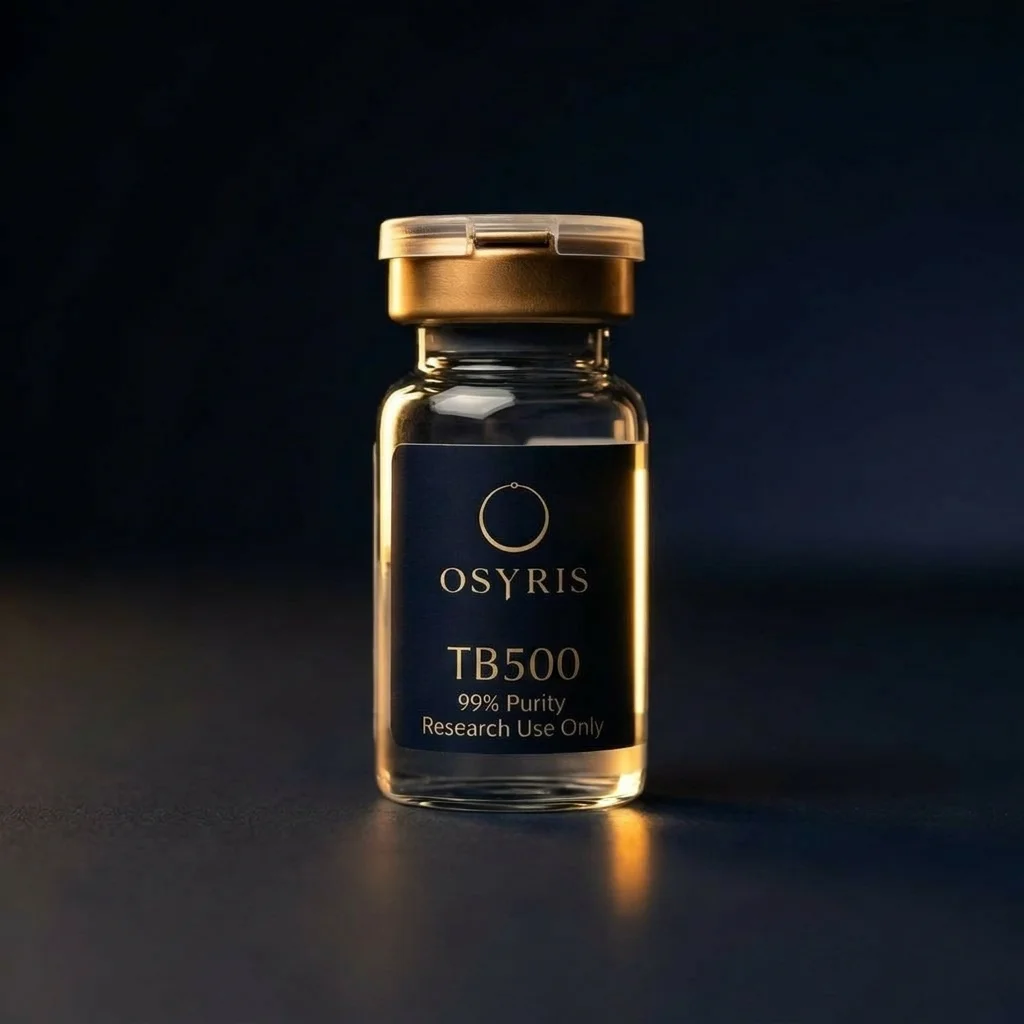
TB500
Research Product
TB500
TB500 refers to research-grade thymosin beta-4–derived peptide material used to study actin binding, cell migration, angiogenesis, and tissue remodeling pathways. It is suited for in vitro and in vivo models investigating cytoskeletal regulation and repair-associated signaling, without any approved therapeutic designation.
View product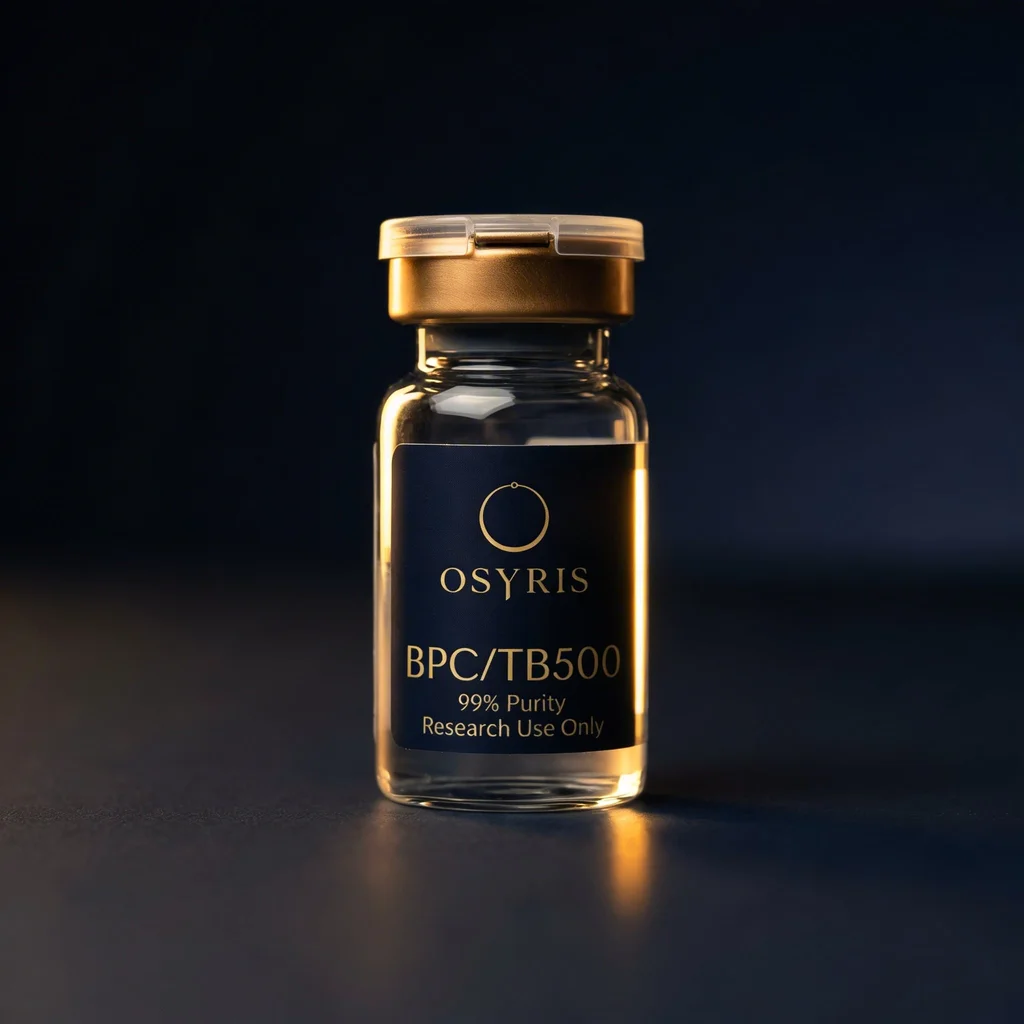 Research Product
BPC/TB500 Blend
Research Product
BPC/TB500 Blend
This research-only blend combines BPC-157 and TB-500, two synthetic peptides studied for their roles in tissue regeneration, cellular repair, angiogenesis, and inflammation modulation. The synergistic activity of these peptides supports their investigation across diverse biological models involving injury, oxidative stress, and vascular function. For controlled laboratory use only.
View product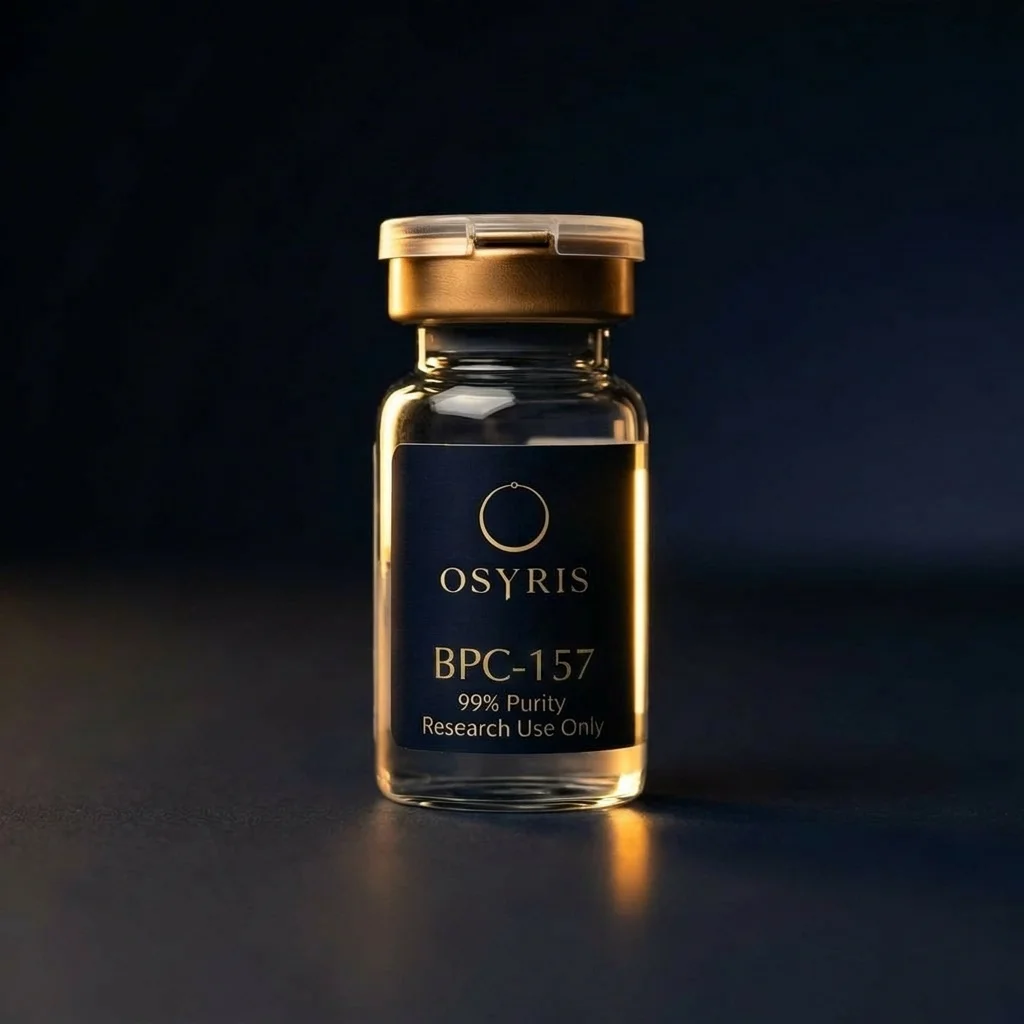 Research Product
BPC-157
Research Product
BPC-157
BPC-157 is a synthetic pentadecapeptide derived from a protective protein found in the gastric mucosa. Structurally stable and water-soluble, it is widely studied for its potential role in cellular signaling, tissue regeneration, and inflammation models. BPC-157 is intended solely for laboratory and in vitro research purposes.
View productQuestions
Common Questions
Is TB500 the same as Thymosin Beta-4?
TB500 is a fragment of Thymosin Beta-4 containing the biologically active domain. Most published research used the full-length 43-amino-acid protein. TB500 is shorter and focuses on the actin-binding and cell migration sequences.
Why is the cardiac research important?
The Bock-Marquette 2004 Nature paper demonstrated cardiomyocyte survival and progenitor cell activation — findings with potential implications for understanding cardiac repair biology. The cardiac data comes from multiple international research groups, providing strong independent verification.
Has TB500 been tested in humans?
No completed human clinical trials have been published in peer-reviewed journals. RegeneRx Biopharmaceuticals has investigated Thymosin Beta-4-based products in clinical contexts, but TB500 specifically remains in the preclinical stage.
What is the actin treadmilling cycle?
The dynamic process where G-actin monomers polymerize into F-actin filaments at the leading edge of a migrating cell while depolymerizing at the rear. This creates a continuous cycle that drives cell movement. TB500 influences this cycle by modulating the G-actin monomer pool.
Why is TB500's evidence base broader than BPC-157's?
TB500/Thymosin Beta-4 has been studied by multiple independent research groups internationally (including publications in Nature), while BPC-157 research is more concentrated in the University of Zagreb laboratory.
Can TB500 be taken orally?
TB500 has not been studied for oral administration. All published studies used parenteral (non-oral) routes. This contrasts with BPC-157, which has reported oral activity in animal models.
References
- Goldstein AL, et al. "Thymosin beta-4: a multi-functional regenerative peptide." Expert Opinion on Biological Therapy, 2012. PMID 22171665
- Safer D, et al. "Thymosin beta-4 and actin." International Journal of Biochemistry & Cell Biology, 2005. PMID 15913710
- Malinda KM, et al. "Thymosin beta-4 accelerates wound healing." Journal of Investigative Dermatology, 1999. PMID 10383732
- Sosne G, et al. "Thymosin beta-4 promotes corneal wound healing." Investigative Ophthalmology & Visual Science, 2003. PMID 12714632
- Bock-Marquette I, et al. "Thymosin beta-4 activates integrin-linked kinase." Nature, 2004. PMID 15329770
- Smart N, et al. "Thymosin beta-4 induces adult epicardial progenitor mobilization and neovascularization." Nature, 2007. PMID 17581586
- Hinkel R, et al. "Thymosin beta-4 mediated cardioprotection." Circulation, 2008. PMID 18824642
- Sikiric P, et al. "BPC 157 and Thymosin Beta-4 comparison." Current Pharmaceutical Design, 2018.