

Recovery
BPC-157 — A Complete Research Overview
Comprehensive overview of BPC-157 research. Tissue repair, GI cytoprotection, vascular, and neurological studies. PubMed citations. Plain-language summary.

What Is BPC-157?
BPC-157 is a synthetic pentadecapeptide — a chain of 15 amino acids with the sequence Gly-Glu-Pro-Pro-Pro-Gly-Lys-Pro-Ala-Asp-Asp-Ala-Gly-Leu-Val. It was first isolated and characterized in the early 1990s by researchers at the University of Zagreb in Croatia, derived from a protein found naturally in human gastric juice called Body Protection Compound.
The name reflects its origin: researchers discovered the parent protein in the context of studying the stomach's natural protective mechanisms against acid, enzymes, and physical damage. BPC-157 is the specific 15-amino-acid fragment identified as the biologically active portion of that protective protein.¹
Since its discovery, BPC-157 has become one of the most extensively studied peptides in preclinical research. PubMed lists over 100 published papers involving BPC-157, spanning tissue repair, gastrointestinal cytoprotection, vascular biology, and neurological function. The vast majority of this research has been conducted in animal models (primarily rats) and cell culture systems. As of this writing, no completed human clinical trials have been published in peer-reviewed journals — a critical context for interpreting all findings discussed below.
The Research Landscape: Where the Studies Come From
Before diving into specific findings, it's worth understanding the structure of the BPC-157 literature. The majority of published BPC-157 research originates from a single research group led by Professor Predrag Sikiric at the University of Zagreb. This group has been remarkably productive, publishing dozens of studies across multiple research areas over three decades.
The concentration of research within one group is both a strength and a limitation. It's a strength because it represents deep, sustained investigation by researchers with extensive experience with the compound. It's a limitation because independent replication by other research groups — a cornerstone of scientific confidence — is limited. Some recent studies by independent groups have begun to appear, but the evidence base is still heavily weighted toward the Zagreb program.²
This context doesn't invalidate the findings. It means that readers should apply the same standard they would to any body of preclinical research concentrated in a single laboratory: the results are promising and well-documented, but they await broader independent confirmation.
Tissue Repair and Wound Healing
BPC-157's most extensively studied property is its effect on tissue repair in animal models. The research covers a remarkably broad range of tissue types: tendons, ligaments, muscles, bones, skin, and corneal tissue have all been investigated.
Tendon and Ligament Research
A series of studies examined BPC-157 in rat models of tendon injury, including Achilles tendon transection and medial collateral ligament (MCL) rupture. In the Achilles model, BPC-157-treated tendons showed significantly greater tensile strength and more organized collagen deposition compared to controls at multiple time points post-injury. The effect was dose-dependent and appeared within the first week of treatment.³
The proposed mechanism involves BPC-157's effect on growth factor expression at the injury site. Studies demonstrated upregulation of EGF (epidermal growth factor), VEGF (vascular endothelial growth factor), and FGF (fibroblast growth factor) in BPC-157-treated tissues. These growth factors are the biochemical signals that recruit repair cells, promote blood vessel formation, and drive collagen synthesis — the fundamental processes of connective tissue healing.
Muscle Injury Research
In rat models of muscle crush injury and muscle transection, BPC-157 treatment accelerated the recovery of muscle function. Histological analysis showed improved muscle fiber alignment and reduced fibrosis (scar tissue formation) in treated animals. The muscle repair research is notable because muscle injuries typically heal with significant scarring, which permanently reduces function. BPC-157's apparent ability to improve the quality of muscle repair — not just its speed — distinguishes it from simple wound-healing accelerators.⁴
Skin Wound Models
Topical and systemic BPC-157 administration has been studied in rat skin wound models, including incisional wounds, burn wounds, and diabetic wound models. Treated wounds showed faster closure, increased granulation tissue formation, and accelerated re-epithelialization. The diabetic wound model is particularly relevant because impaired healing is a significant clinical problem in diabetes, and few experimental interventions have shown efficacy in these models.⁵
The FAK-Paxillin Pathway
Research has identified the focal adhesion kinase (FAK)-paxillin signaling pathway as a key mediator of BPC-157's tissue repair effects. FAK and paxillin are proteins that control cell adhesion (how cells attach to surrounding tissue) and cell migration (how cells move toward injury sites). BPC-157 appears to activate this pathway, promoting the organized movement of fibroblasts, endothelial cells, and other repair cells to damaged areas.
This mechanistic finding is important because it provides a molecular explanation for BPC-157's broad tissue repair effects: the FAK-paxillin pathway is active in virtually all tissue types, which could explain why BPC-157 shows activity across such a wide range of injury models.⁶
Gastrointestinal Cytoprotection
The gastrointestinal research represents BPC-157's original discovery context and remains one of the strongest areas of its preclinical evidence base.
Gastric Ulcer Models
BPC-157 demonstrated protective and healing effects in multiple rat models of gastric ulceration, including ethanol-induced lesions, NSAID-induced injury, stress-induced ulceration, and surgical anastomosis models. In the ethanol model — a standard pharmacological test for gastroprotective agents — BPC-157 significantly reduced lesion area and severity when administered either before or after ethanol exposure.⁷
Inflammatory Bowel Disease Models
A significant body of research has examined BPC-157 in rat models of inflammatory bowel disease (IBD), including TNBS-induced colitis and DSS-induced colitis. These models produce inflammation and ulceration in the colon that mimics aspects of human IBD. BPC-157 treatment reduced disease activity scores, decreased inflammatory cell infiltration, and improved mucosal healing in these models.
The IBD research connects BPC-157 to the nitric oxide (NO) system. Studies demonstrated that BPC-157 modulates both constitutive NOS (eNOS, nNOS) and inducible NOS (iNOS) — the enzymes that produce nitric oxide. In healthy tissue, NO produced by constitutive NOS maintains blood flow and mucosal protection. In inflamed tissue, excessive NO from inducible NOS contributes to tissue damage. BPC-157 appears to normalize this balance, maintaining beneficial NO signaling while reducing excessive inflammatory NO production.⁸
Oral Stability
One of BPC-157's most unusual properties is its apparent oral activity in animal studies. Most peptides are rapidly degraded by digestive enzymes when taken orally, rendering them inactive. Multiple studies have reported that BPC-157 produces measurable effects when administered orally in rats — a finding attributed to the peptide's origin in gastric juice, which may have endowed it with inherent resistance to the gastric environment.
This oral stability has been a focus of investigation because it challenges the conventional understanding that peptides cannot survive the GI tract. The exact mechanism of BPC-157's digestive resistance remains an active area of research.
Vascular Biology and Angiogenesis
BPC-157 has been studied in several models of vascular function, with a focus on its pro-angiogenic (new blood vessel-forming) effects.
Angiogenesis Research
In the chick embryo chorioallantoic membrane (CAM) assay — a standard model for studying blood vessel formation — BPC-157 significantly increased the number and branching of new blood vessels. Similar pro-angiogenic effects were observed in rat models of tissue ischemia (restricted blood flow), where BPC-157 promoted collateral vessel formation and improved blood perfusion to oxygen-deprived tissue.⁹
The vascular effects are mediated at least in part through VEGF pathway modulation. BPC-157 increases VEGF expression and upregulates VEGF receptor (VEGFR2) on endothelial cells, creating both more angiogenic signaling molecules and more receptors to receive them.
Blood Pressure and Vascular Tone
Research has also explored BPC-157's effects on blood pressure and vascular reactivity. In rat models, BPC-157 appeared to modulate NO-dependent vascular tone, with effects that varied depending on the pre-existing vascular state. In models of NO depletion (high blood pressure), BPC-157 restored normal vascular function. In models of NO excess (low blood pressure), it partially normalized vascular tone in the opposite direction.
This bidirectional effect — pushing vascular function toward homeostasis rather than consistently in one direction — is an unusual pharmacological property that has generated significant research interest.¹⁰
Neurological Research
BPC-157's neurological research is newer and less extensive than its tissue repair and GI profiles, but several published studies have explored CNS effects.
Dopaminergic System
Studies in rat models have investigated BPC-157's interactions with the dopaminergic system. Research showed that BPC-157 modulated dopamine system function in models of dopamine depletion and dopamine excess, again demonstrating the homeostatic (normalizing) pattern seen in its vascular research.
Peripheral Nerve Repair
BPC-157 has been studied in rat models of sciatic nerve transection, where it promoted nerve fiber regeneration and improved functional recovery as measured by electrophysiology and behavioral testing. The nerve repair effects may be related to BPC-157's general tissue repair mechanisms (growth factor upregulation, angiogenesis) operating in neural tissue.¹¹
Traumatic Brain Injury
Preliminary studies in rat models of traumatic brain injury (TBI) showed that BPC-157 administration reduced brain edema, decreased inflammatory markers, and improved functional outcomes on behavioral testing. These findings are early-stage and have not been extensively replicated.
Limitations and What We Don't Know
Honest assessment of BPC-157's research limitations is essential:
No human clinical trials. All findings come from animal models and cell culture. Translation from rats to humans is unpredictable — many compounds that show strong preclinical activity fail in human testing.
Research concentration. The majority of studies come from one research group. Independent replication is limited but beginning to emerge.
Mechanism complexity. BPC-157 appears to affect multiple systems (growth factors, NO system, FAK-paxillin, dopamine). Whether these represent a single upstream mechanism or multiple independent effects is not yet clear.
Long-term data. Most animal studies examine short-term effects (days to weeks). Long-term effects and safety in any species are not well-characterized.
Dose-response relationships. While dose-dependent effects have been demonstrated, optimal dosing across different research applications has not been standardized.
These limitations don't diminish the research — they define its current boundaries. BPC-157 has one of the largest preclinical evidence bases of any research peptide, but it remains firmly in the preclinical stage.
Where the Research Is Heading
The BPC-157 field is moving in several directions. Independent research groups outside Zagreb are beginning to publish studies, which will strengthen the evidence base. Combination research with other peptides (particularly TB500) is an active area. Mechanistic studies using genetic knockout models are being used to dissect BPC-157's pathways more precisely. And the oral bioavailability question continues to attract investigation because of its implications for peptide pharmacology broadly.
The compound's breadth of activity across tissue types, combined with its unique oral stability and homeostatic regulatory pattern, makes it one of the most scientifically interesting peptides in current preclinical research.
Featured Links
 Research Product
BPC-157
Research Product
BPC-157
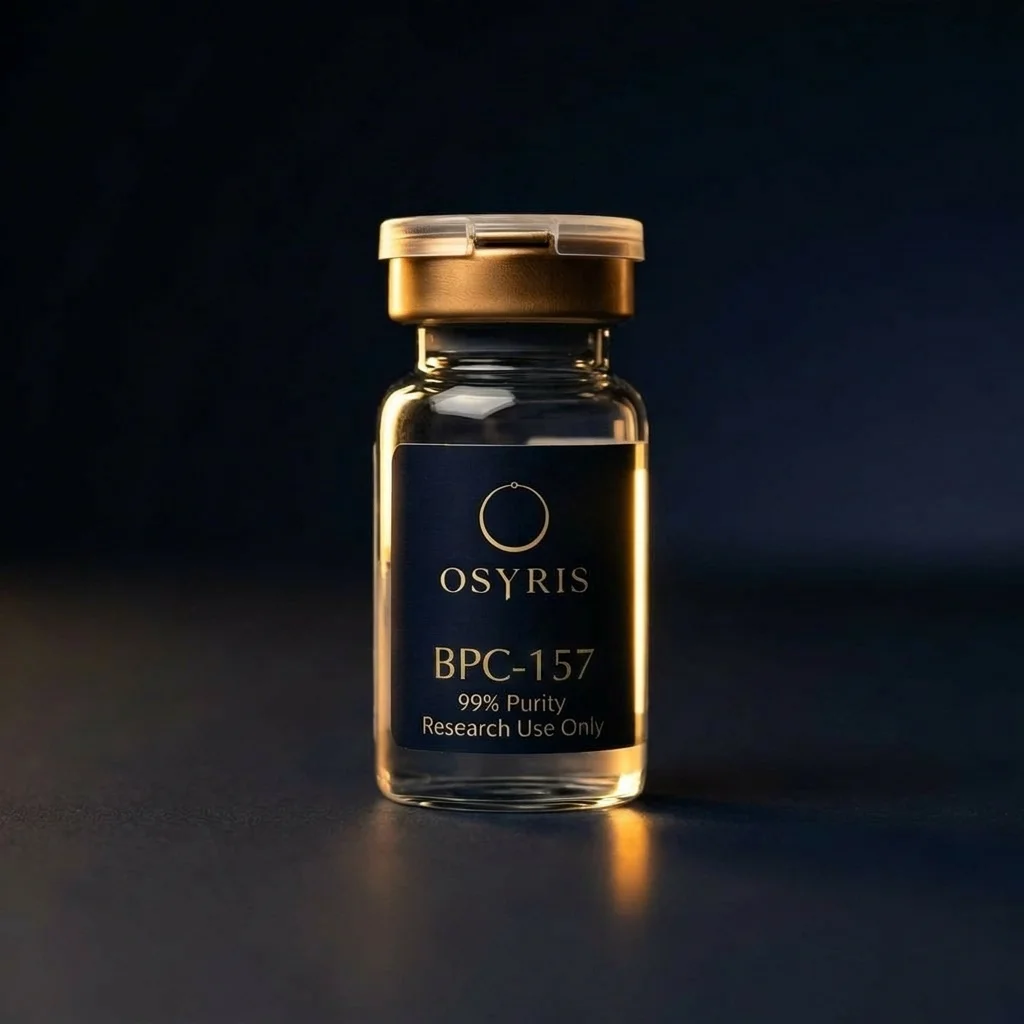
BPC-157 is a synthetic pentadecapeptide derived from a protective protein found in the gastric mucosa. Structurally stable and water-soluble, it is widely studied for its potential role in cellular signaling, tissue regeneration, and inflammation models. BPC-157 is intended solely for laboratory and in vitro research purposes.
View product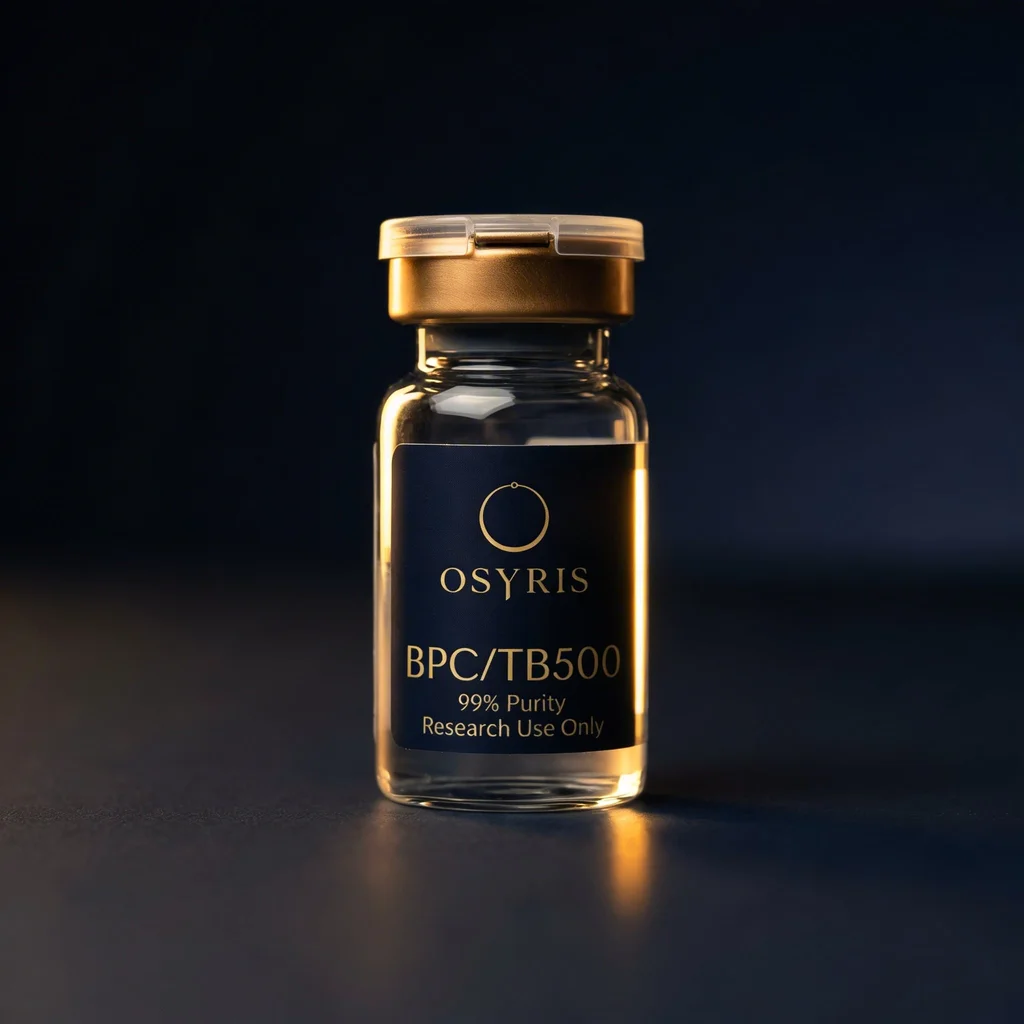 Research Product
BPC/TB500 Blend
Research Product
BPC/TB500 Blend
This research-only blend combines BPC-157 and TB-500, two synthetic peptides studied for their roles in tissue regeneration, cellular repair, angiogenesis, and inflammation modulation. The synergistic activity of these peptides supports their investigation across diverse biological models involving injury, oxidative stress, and vascular function. For controlled laboratory use only.
View product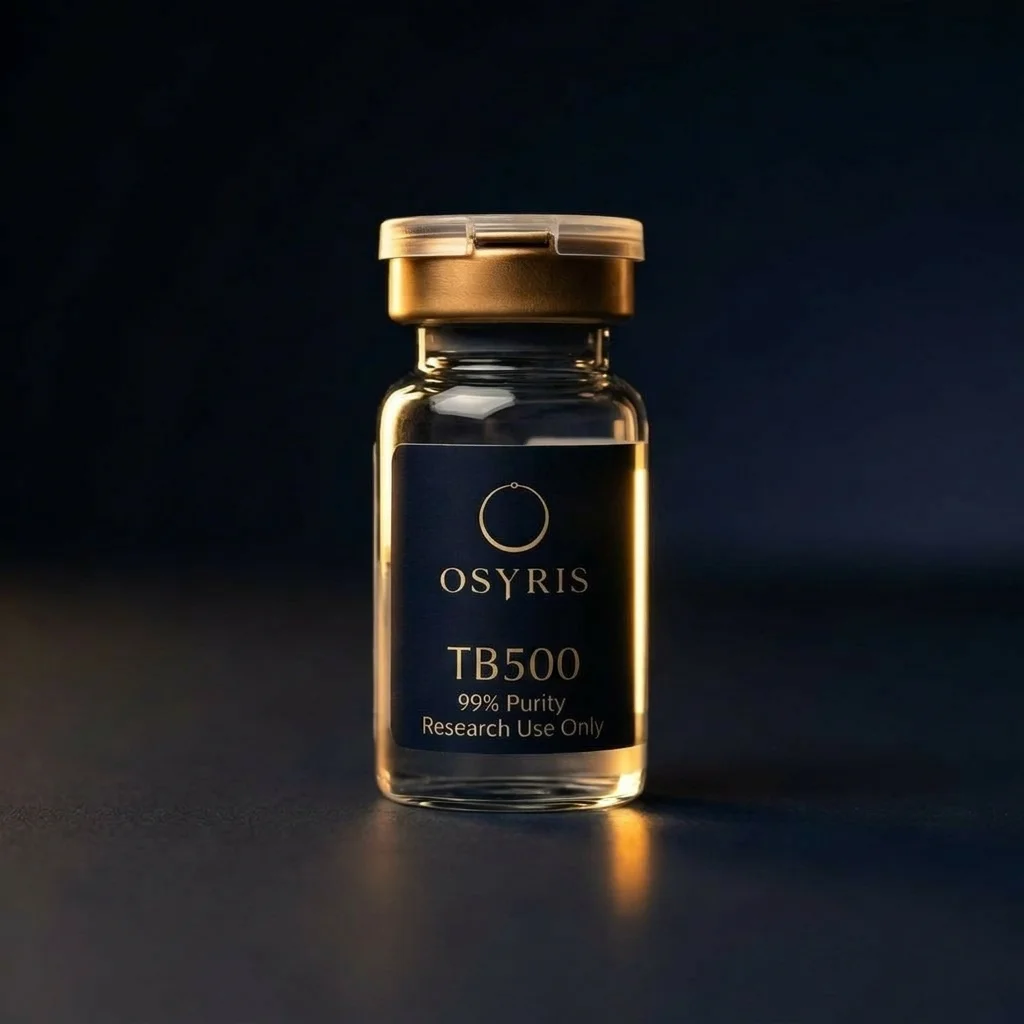 Research Product
TB500
Research Product
TB500
TB500 refers to research-grade thymosin beta-4–derived peptide material used to study actin binding, cell migration, angiogenesis, and tissue remodeling pathways. It is suited for in vitro and in vivo models investigating cytoskeletal regulation and repair-associated signaling, without any approved therapeutic designation.
View productQuestions
Common Questions
How many published studies exist on BPC-157?
Over 100 papers are listed on PubMed involving BPC-157, spanning tissue repair, gastrointestinal biology, vascular research, and neurological models. The majority come from the University of Zagreb research group.
Has BPC-157 been tested in humans?
No completed human clinical trials have been published in peer-reviewed journals as of this writing. All current evidence is from animal models (primarily rats) and cell culture experiments.
What is the most studied property of BPC-157?
Tissue repair in animal models. Research covers tendons, ligaments, muscles, bones, skin, and gastrointestinal tissue, with consistent findings of accelerated healing and improved repair quality.
Can BPC-157 be taken orally?
In rat studies, BPC-157 showed biological activity when administered orally — unusual for a peptide. This is attributed to its origin in gastric juice, which may provide inherent resistance to digestive enzymes. This has NOT been confirmed in human studies.
What is the FAK-paxillin pathway?
It's a cell signaling pathway that controls how cells attach to tissue and migrate toward injury sites. BPC-157 activates this pathway, which may explain its broad tissue repair effects across different tissue types.
Why does most BPC-157 research come from one group?
The compound was discovered and developed at the University of Zagreb by Professor Predrag Sikiric's research group, who have conducted the majority of published studies. Independent replication by other groups is emerging but limited.
What are the main research limitations?
No human data, research concentrated in one laboratory, complex multi-system mechanism not fully understood, limited long-term safety data, and non-standardized dosing across applications.
Where can I read the original studies?
All studies cited in this article are available on PubMed (pubmed.ncbi.nlm.nih.gov). Search "BPC 157" for the complete published literature.
References
- Sikiric P, et al. "Stable gastric pentadecapeptide BPC 157: novel therapy in gastrointestinal tract." Current Pharmaceutical Design, 2011. PMID 21861804
- Seiwerth S, et al. "BPC 157's effect on healing." Journal of Physiology — Paris, 2017. PMID 28552706
- Chang CH, et al. "BPC 157 enhances the growth of tendon fibroblasts." Journal of Orthopaedic Research, 2011. PMID 20839318
- Staresinic M, et al. "Gastric pentadecapeptide BPC 157 accelerates healing of transected rat Achilles tendon and in vitro stimulates tendocytes growth." Journal of Orthopaedic Research, 2003. PMID 14567613
- Sikiric P, et al. "Pentadecapeptide BPC 157 and wound healing." Current Pharmaceutical Design, 2018.
- Hsieh MJ, et al. "Therapeutic potential of BPC-157 on tendon-to-bone healing." Journal of Applied Physiology, 2017. PMID 28408695
- Sikiric P, et al. "Brain-gut axis and pentadecapeptide BPC 157." Current Neuropharmacology, 2016. PMID 26813123
- Sikiric P, et al. "Pentadecapeptide BPC 157, NO system, and counteraction of various toxic agents." Current Medicinal Chemistry, 2014.
- Hrelec M, et al. "Pentadecapeptide BPC 157 and vessel formation." Current Pharmaceutical Design, 2014. PMID 24001295
- Sikiric P, et al. "Pentadecapeptide BPC 157 and the cardiovascular system." Current Pharmaceutical Design, 2014. PMID 24001296
- Perovic D, et al. "BPC 157 and peripheral nerve regeneration." Regulatory Peptides, 2019.