

Longevity
NAD+ and Cellular Aging — What the Research Shows
What published research says about NAD+ in aging biology. Sirtuin activation, DNA repair, mitochondrial function. PubMed citations. Plain-language summary.
Why NAD+ Matters in Aging Research
NAD+ (nicotinamide adenine dinucleotide) is not a peptide. It's a coenzyme — a small molecule that enzymes need to function. But it sits at the center of aging biology research because it connects three of the most studied hallmarks of aging: mitochondrial dysfunction, DNA damage accumulation, and epigenetic changes.
Every cell in the body uses NAD+ for two fundamentally different purposes. First, it's an electron carrier in the metabolic reactions that convert food into energy (ATP). This is the textbook function — NAD+ shuttles electrons in the citric acid cycle and oxidative phosphorylation. Second, it's consumed as a substrate by enzymes that repair DNA, regulate gene expression, and maintain cellular health. These enzymes literally break NAD+ apart to do their jobs.¹
This dual role creates a metabolic tension: the same molecule needed for energy production is also needed for cellular maintenance. When NAD+ levels are abundant, cells can do both. When levels decline — as they do with age — cells face a tradeoff. The research question driving the NAD+ field is whether restoring NAD+ levels in aged tissues can resolve this tradeoff and reverse age-related functional decline.
Sirtuins: The NAD+-Dependent Regulators
The sirtuin family (SIRT1-7) is a group of enzymes that depend absolutely on NAD+ — they cannot function without it. Sirtuins have been called "longevity genes" because overexpression of certain sirtuins extends lifespan in yeast, worms, flies, and mice. They regulate:
- Gene expression (SIRT1, SIRT6, SIRT7 — histone deacetylation)
- Mitochondrial function (SIRT3, SIRT4, SIRT5 — mitochondrial deacetylation)
- DNA repair (SIRT1, SIRT6 — chromatin remodeling at damage sites)
- Inflammation (SIRT1 — NF-κB deacetylation)
- Metabolism (SIRT1 — PGC-1α activation, SIRT3 — fatty acid oxidation)
As NAD+ declines with age, sirtuin activity decreases proportionally. This creates a cascade: reduced SIRT1 activity means less gene regulation, reduced SIRT3 activity means less efficient mitochondria, and reduced SIRT6 activity means impaired DNA repair.⁴
The landmark 2013 study by Gomes et al. in Cell demonstrated this connection directly. They showed that declining NAD+ levels in aged mice caused a specific breakdown in nuclear-mitochondrial communication mediated by SIRT1, and that restoring NAD+ levels with the precursor NMN reversed this communication breakdown and restored mitochondrial function in muscle tissue to levels comparable to young mice.⁵
DNA Repair: The PARP Connection
PARP enzymes (poly-ADP-ribose polymerases) are the other major consumers of cellular NAD+. When DNA is damaged — by oxidative stress, radiation, or metabolic byproducts — PARP enzymes are recruited to the damage site, where they use NAD+ to build polymer scaffolds that recruit repair machinery.
DNA damage increases with age. More damage means more PARP activation, which means more NAD+ consumption. In severely damaged cells, PARP can consume so much NAD+ that there's not enough left for sirtuin activity — creating a competition between DNA repair and gene regulation for a limited NAD+ pool.⁶
Research by Fang et al. demonstrated this competition in models of accelerated aging. In animal models of ataxia-telangiectasia (a condition of defective DNA repair), NAD+ supplementation improved DNA repair capacity, restored mitochondrial function, and extended healthy lifespan. Similar results were seen in models of Werner syndrome (another premature aging condition), where NAD+ supplementation via NMN improved multiple aging parameters.⁷
Mitochondrial Function
NAD+ is essential for mitochondrial energy production — it carries electrons through Complexes I through IV of the electron transport chain. When NAD+ levels fall, electron transport chain efficiency decreases, ATP production drops, and reactive oxygen species (ROS) production increases.
The mitochondrial research has shown that NAD+ supplementation in aged mice restores:
- Mitochondrial membrane potential (the electrical gradient that drives ATP synthesis)
- Respiratory chain complex activity (the efficiency of each step in electron transport)
- Oxidative phosphorylation capacity (total ATP output)
- Mitochondrial biogenesis (the creation of new mitochondria through PGC-1α/SIRT1 signaling)
A key study by Zhang et al. in Science (2016) showed that NAD+ repletion improved mitochondrial function in aged mice and enhanced adult stem cell function, resulting in improved muscle regeneration capacity and extended lifespan.⁸
NAD+ vs. NMN vs. NR: Precursor vs. Product
A significant research question is whether it's better to supplement NAD+ directly or to supplement its precursors — NMN (nicotinamide mononucleotide) and NR (nicotinamide riboside). Each has a different position in the NAD+ synthesis pathway:
- NR → NMN → NAD+ (the salvage pathway)
- NR is converted to NMN by NRK enzymes
- NMN is converted to NAD+ by NMNAT enzymes
Most published aging studies have used NMN or NR rather than NAD+ directly, primarily because these precursors are orally bioavailable in animal models while NAD+ itself is a larger molecule with less established oral absorption.
The relative efficacy of direct NAD+ supplementation versus precursor supplementation is an active area of investigation. Some researchers argue that direct NAD+ avoids potential bottlenecks in the conversion enzymes. Others argue that precursors are more efficiently absorbed. OSYRIS offers NAD+ in its active form for research protocols that require the coenzyme itself rather than a precursor.⁹
Neurological NAD+ Research
NAD+ depletion has been implicated in several models of neurodegenerative disease. Brain tissue is particularly vulnerable to NAD+ decline because neurons have high metabolic demands and limited regenerative capacity.
Research in mouse models of Alzheimer's disease showed that NMN supplementation (raising NAD+ levels) reduced amyloid-beta accumulation, decreased neuroinflammation, improved synaptic plasticity, and enhanced cognitive performance on behavioral tests. Similar findings have been reported in Parkinson's disease and age-related cognitive decline models.¹⁰
The neurological research connects NAD+ to multiple neuroprotective mechanisms: SIRT1-mediated gene regulation in neurons, SIRT3-mediated mitochondrial protection, PARP-mediated DNA repair in post-mitotic cells, and NAD+-dependent calcium signaling.
Limitations and Honest Assessment
Human evidence is limited. The most dramatic NAD+ results come from mouse studies. Human clinical trials of NMN and NR have shown that these precursors can raise blood NAD+ levels, but clinically meaningful health outcomes in humans have not been conclusively demonstrated.
Mouse models are not humans. Mice live ~2 years and have different metabolic rates, body compositions, and aging trajectories. Lifespan extension in mice does not guarantee lifespan extension in humans.
Causality vs. correlation. While NAD+ decline correlates with aging, proving that NAD+ decline causes specific aging phenotypes (vs. being a consequence of other aging processes) requires more investigation.
Optimal dosing and timing. Whether NAD+ supplementation is most beneficial as a preventive measure (starting young) or a restorative measure (starting in old age) is unknown.
Commercial hype vs. science. The NAD+ field has attracted significant commercial interest, which has sometimes outpaced the evidence. The research is genuinely promising, but the gap between mouse studies and human health claims should be clearly acknowledged.
Featured Links
 Research Product
NAD+
Research Product
NAD+
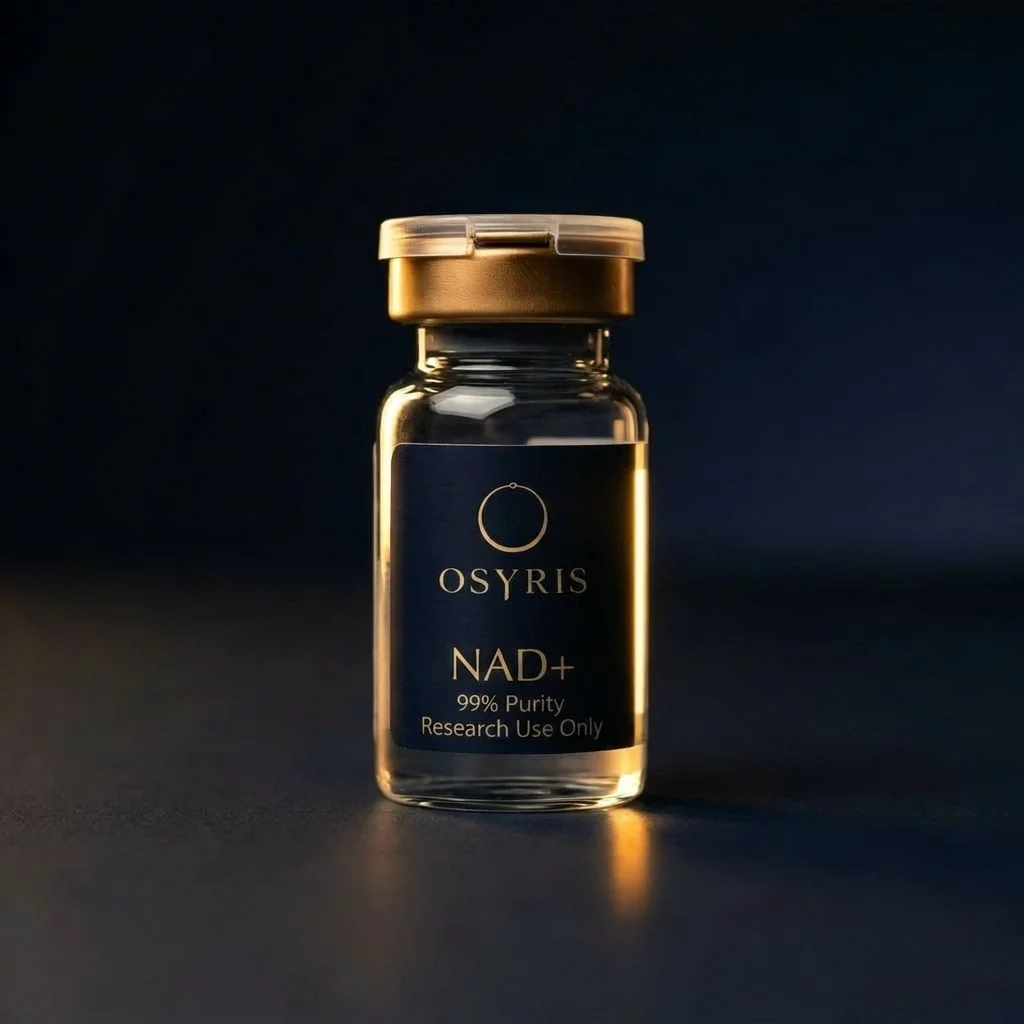
NAD⁺ is a coenzyme present in all living cells, playing a central role in redox reactions, energy metabolism, DNA repair, and cellular signaling. This high-purity NAD⁺ solution is designed for laboratory research involving aging, mitochondrial function, and sirtuin activation pathways. Not for human use or therapeutic application.
View product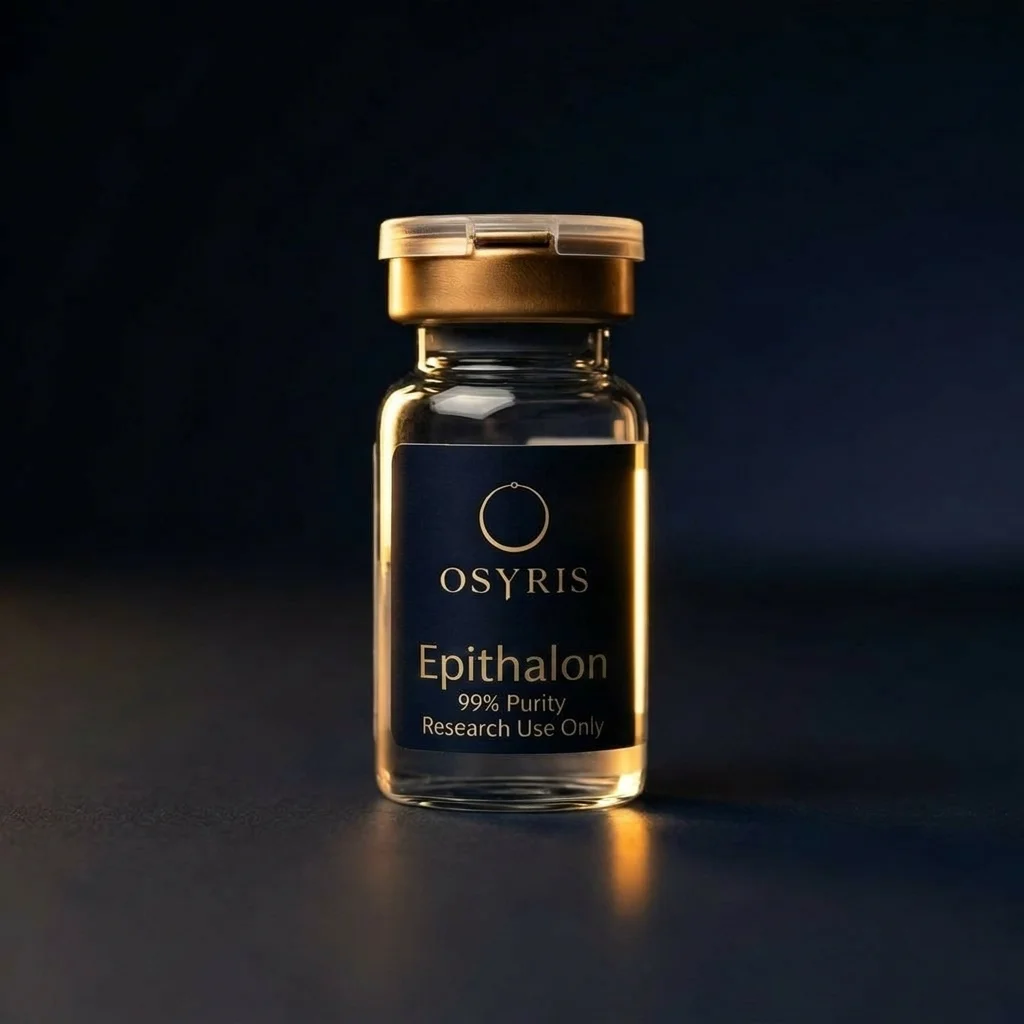 Research Product
Epithalon
Research Product
Epithalon
Epithalon (Ala-Glu-Asp-Gly) is a synthetic tetrapeptide modeled on pineal extracts. It is used in vitro and in vivo to investigate telomerase regulation, telomere dynamics, circadian biology, and molecular pathways associated with cellular aging and stress responses.
View product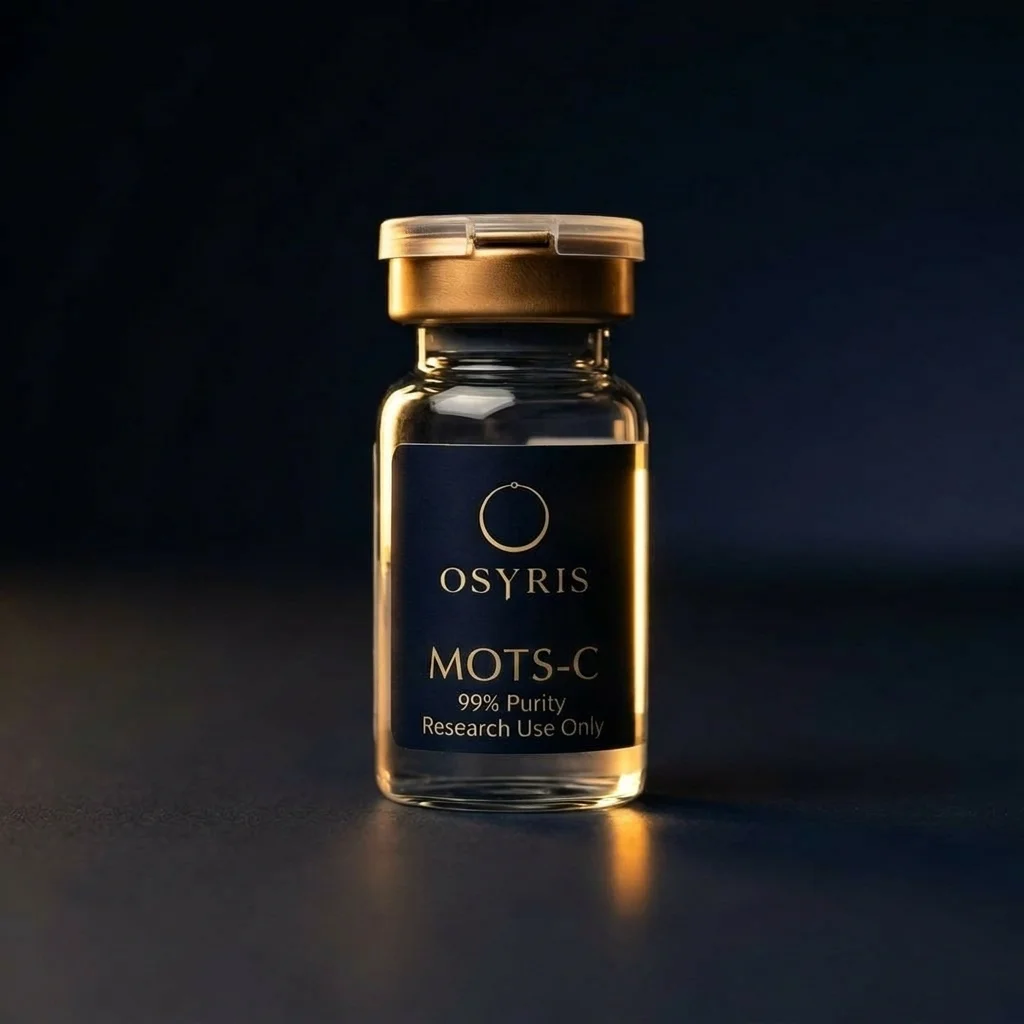 Research Product
MOTS-C
Research Product
MOTS-C
MOTS-c is a 16-amino acid mitochondrial-derived peptide encoded within the 12S rRNA of mitochondrial DNA. It is studied for its regulatory effects on metabolic homeostasis, cellular stress responses, and insulin sensitivity in preclinical models. MOTS-c is strictly intended for laboratory research use and not for human application.
View productQuestions
Common Questions
Is NAD+ a peptide?
No. NAD+ is a coenzyme (a dinucleotide). It's included in the OSYRIS catalog because of its central role in cellular aging research alongside peptide-based longevity compounds.
How much does NAD+ decline with age?
Studies report approximately 50% reductions in tissue NAD+ levels between young adulthood and old age, though exact figures vary by tissue type and measurement method.
What are sirtuins?
A family of seven enzymes (SIRT1-7) that regulate gene expression, DNA repair, metabolism, and mitochondrial function. They require NAD+ as a co-substrate — without NAD+, they cannot function.
What's the difference between NAD+, NMN, and NR?
NAD+ is the active coenzyme. NMN and NR are precursors that the body converts into NAD+. Most published aging studies used NMN or NR, while OSYRIS supplies NAD+ in its active form.
Has NAD+ supplementation been tested in humans?
Human trials of NMN and NR have shown blood NAD+ level increases. Clinically meaningful health outcomes in humans have not been conclusively proven. Most dramatic results are from mouse studies.
Why does NAD+ decline with age?
Multiple factors: increased consumption by PARP enzymes (repairing accumulated DNA damage), increased degradation by CD38 enzyme, and decreased production by NAMPT enzyme. Supply drops while demand rises.
Can NAD+ reverse aging?
In mouse models, NAD+ repletion has reversed specific aging parameters (mitochondrial function, DNA repair capacity, stem cell activity). Whether this translates to meaningful human anti-aging effects is an open research question.
How should NAD+ be stored for research?
Store at 2-8°C, protected from light and heat. NAD+ is more sensitive to degradation than most peptides.
References
- Imai S, Guarente L. "NAD+ and sirtuins in aging and disease." Trends in Cell Biology, 2014. PMID 25263697
- Massudi H, et al. "Age-associated changes in oxidative stress and NAD+ metabolism in human tissue." PLoS ONE, 2012. PMID 22848560
- Chini CCS, et al. "The NADase CD38 is induced by factors other than pro-inflammatory cytokines and is highly expressed in the aged brain." Biochemical and Biophysical Research Communications, 2020.
- Guarente L. "Sirtuins, aging, and medicine." New England Journal of Medicine, 2011. PMID 21916638
- Gomes AP, et al. "Declining NAD+ induces a pseudohypoxic state." Cell, 2013. PMID 24360282
- Fang EF, et al. "NAD+ replenishment improves lifespan and healthspan in ataxia telangiectasia models." Cell Metabolism, 2016. PMID 26869999
- Fang EF, et al. "NAD+ augmentation restores mitophagy and limits accelerated aging in Werner syndrome." Nature Communications, 2019. PMID 31780669
- Zhang H, et al. "NAD+ repletion improves mitochondrial and stem cell function." Science, 2016. PMID 27127236
- Yoshino J, et al. "NAD+ intermediates: the biology and therapeutic potential of NMN and NR." Cell Metabolism, 2018. PMID 29249689
- Yao Z, et al. "Nicotinamide mononucleotide inhibits JNK activation to reverse Alzheimer disease." Neuroscience Letters, 2017. PMID 28330719