
AboutStandards
AESTHETICS

Research Peptides for Skin, Hair & Aesthetics

Skin, hair, and aesthetics research peptides. GHK-Cu, Melanotan 2, SNAP-8, GLOW Stack. Batch COAs included.

Primary Compounds

These products live in Skin, Hair & Aesthetics as their primary category and form the main grid for this page.

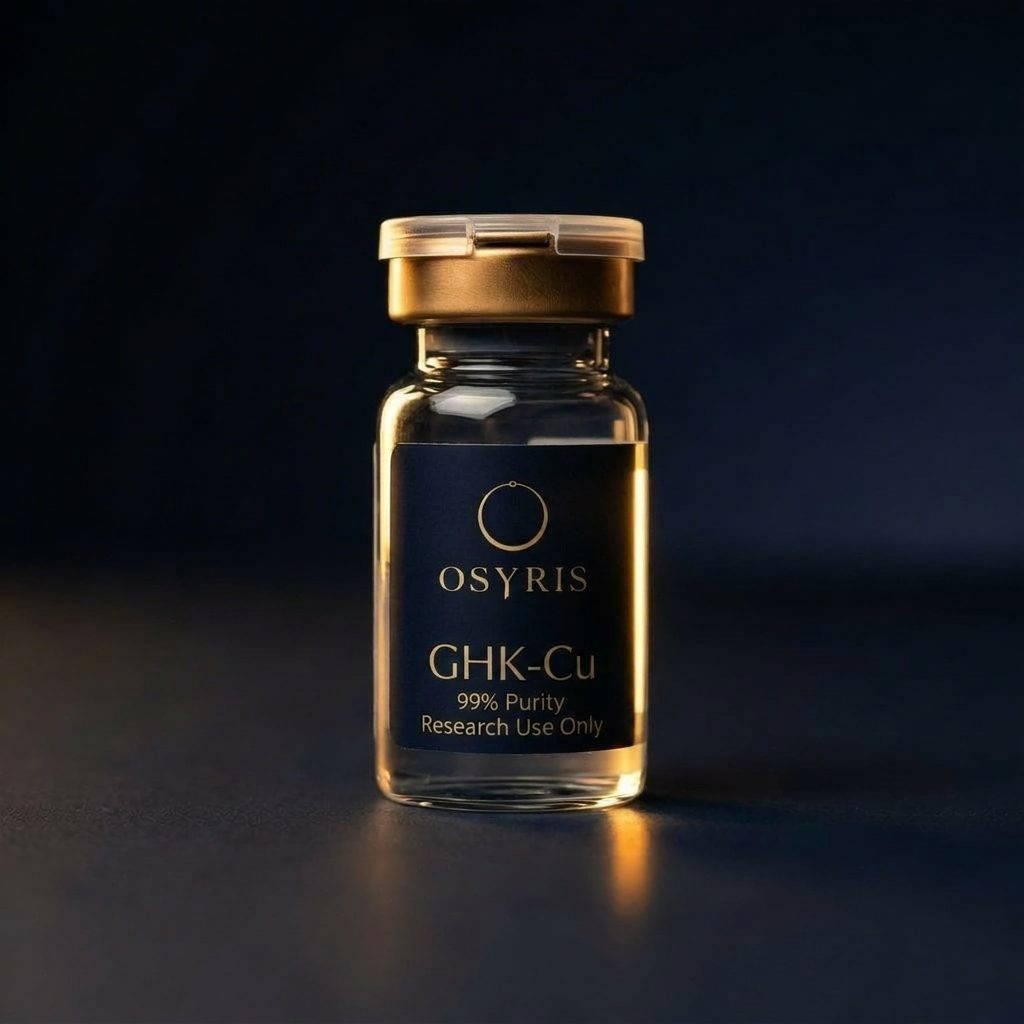
GHK-Cu research peptide vial — OSYRIS Health
AESTHETICS

GHK-Cu

4 cited references

$39.99
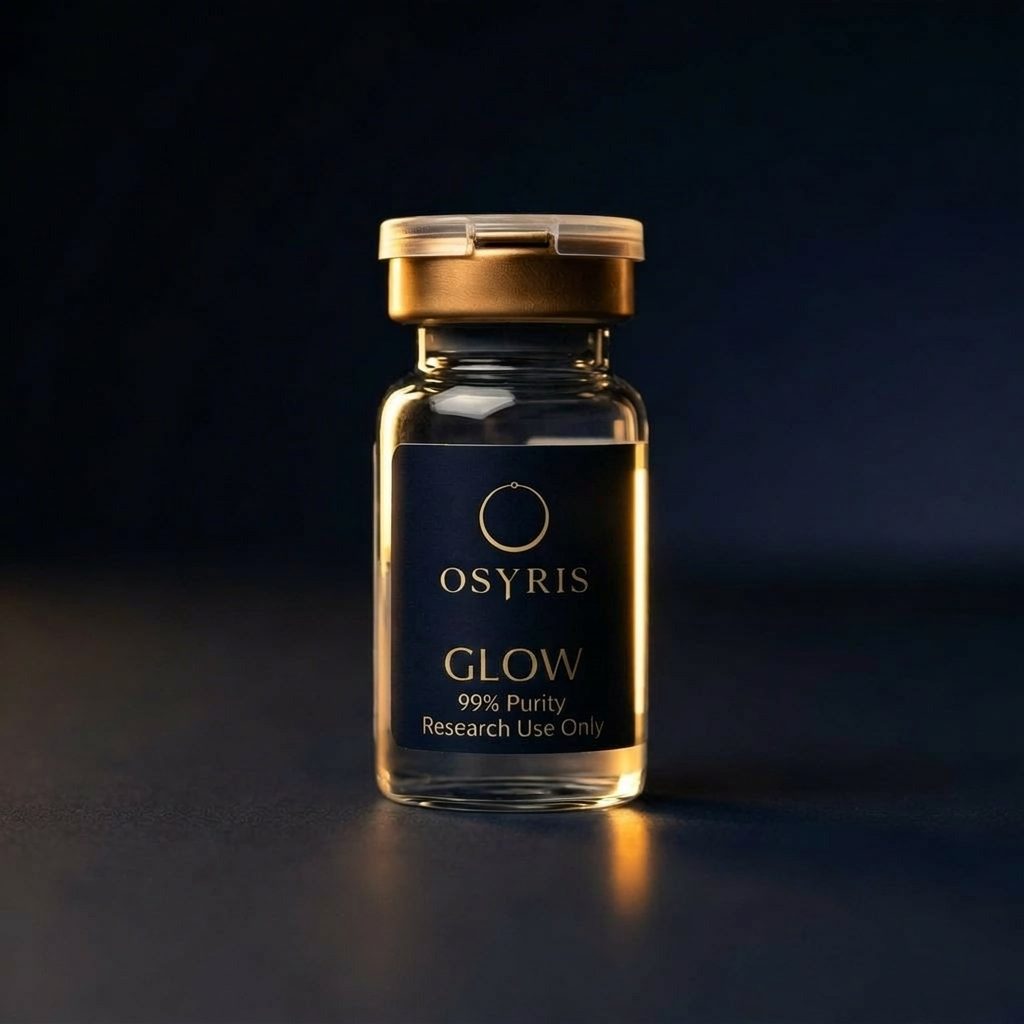
GLOW research peptide vial — OSYRIS Health
AESTHETICS

GLOW

6 cited references

$89.99
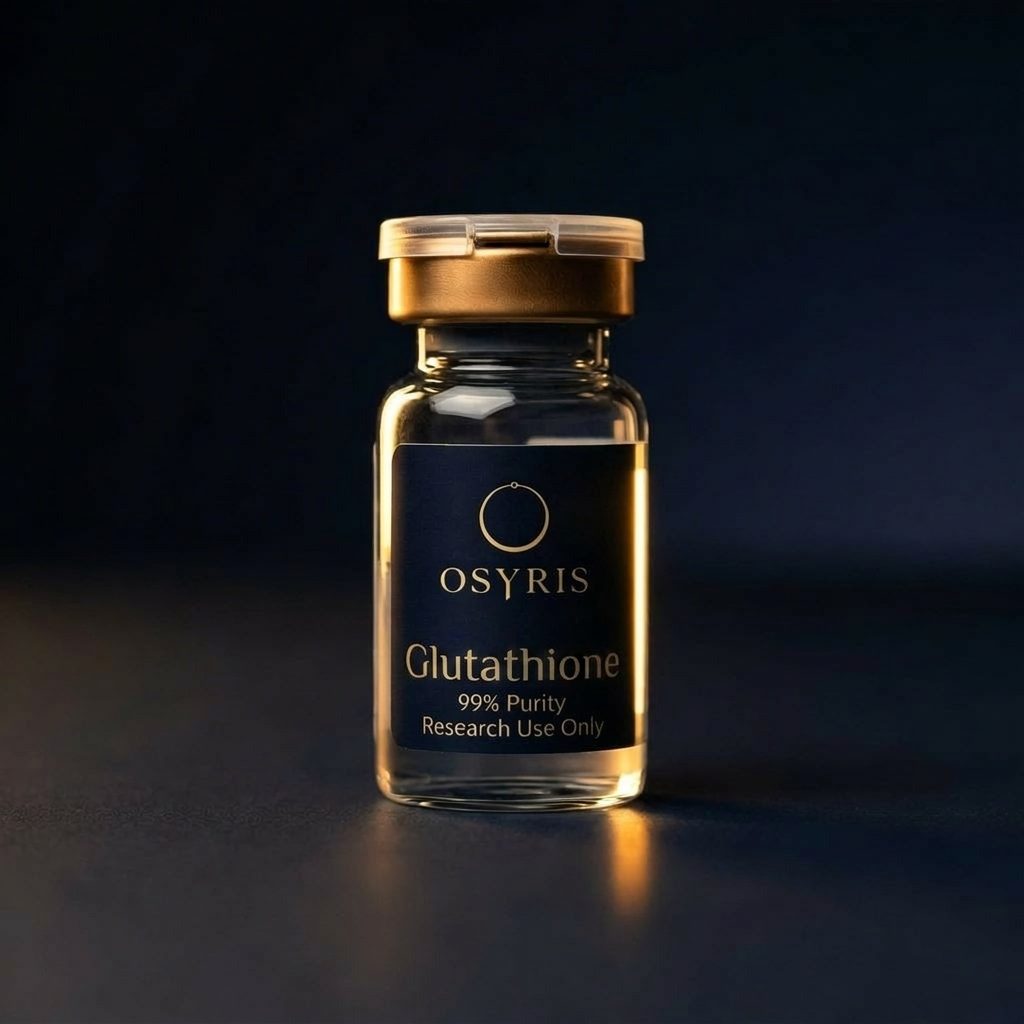
Glutathione research peptide vial — OSYRIS Health
AESTHETICS

Glutathione

4 cited references

$59.99
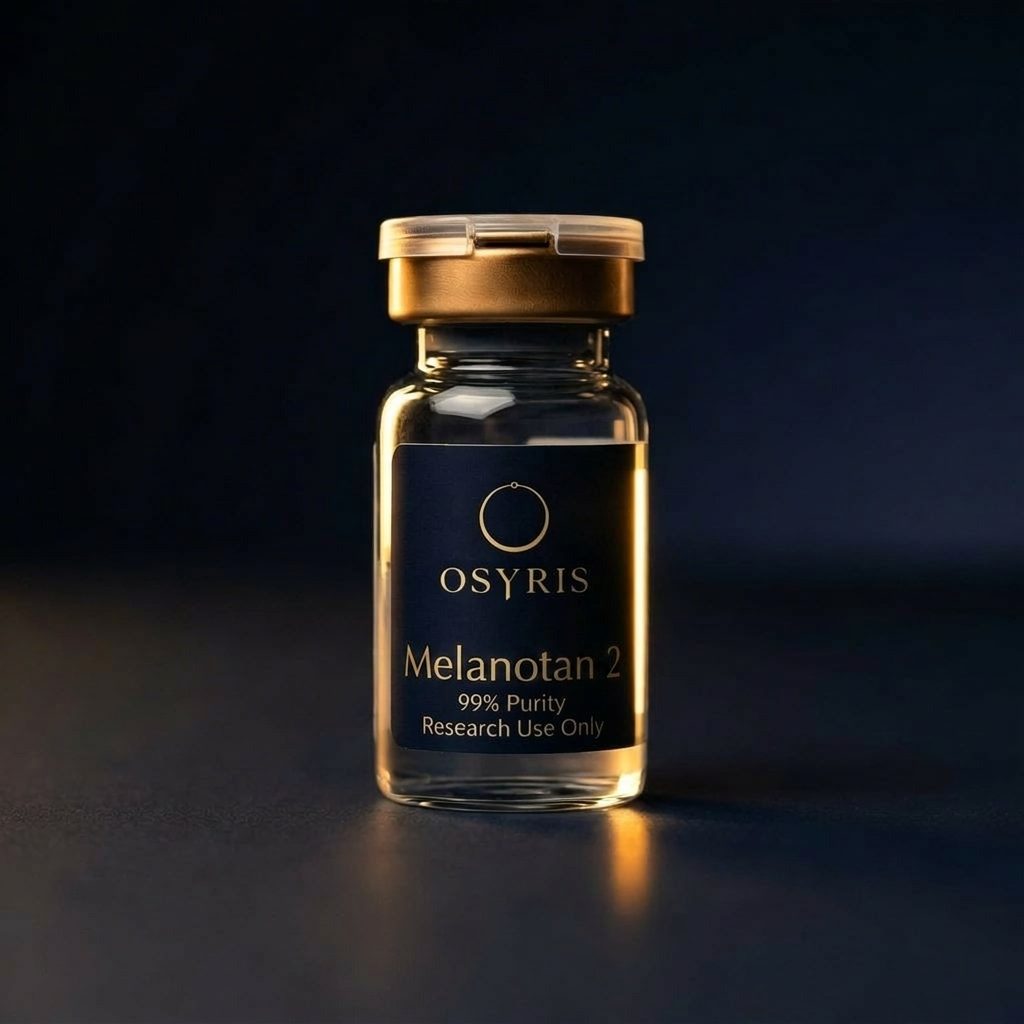
Melanotan 2 research peptide vial — OSYRIS Health
AESTHETICS

Melanotan 2

10mg · C50H69N15O9

$44.99
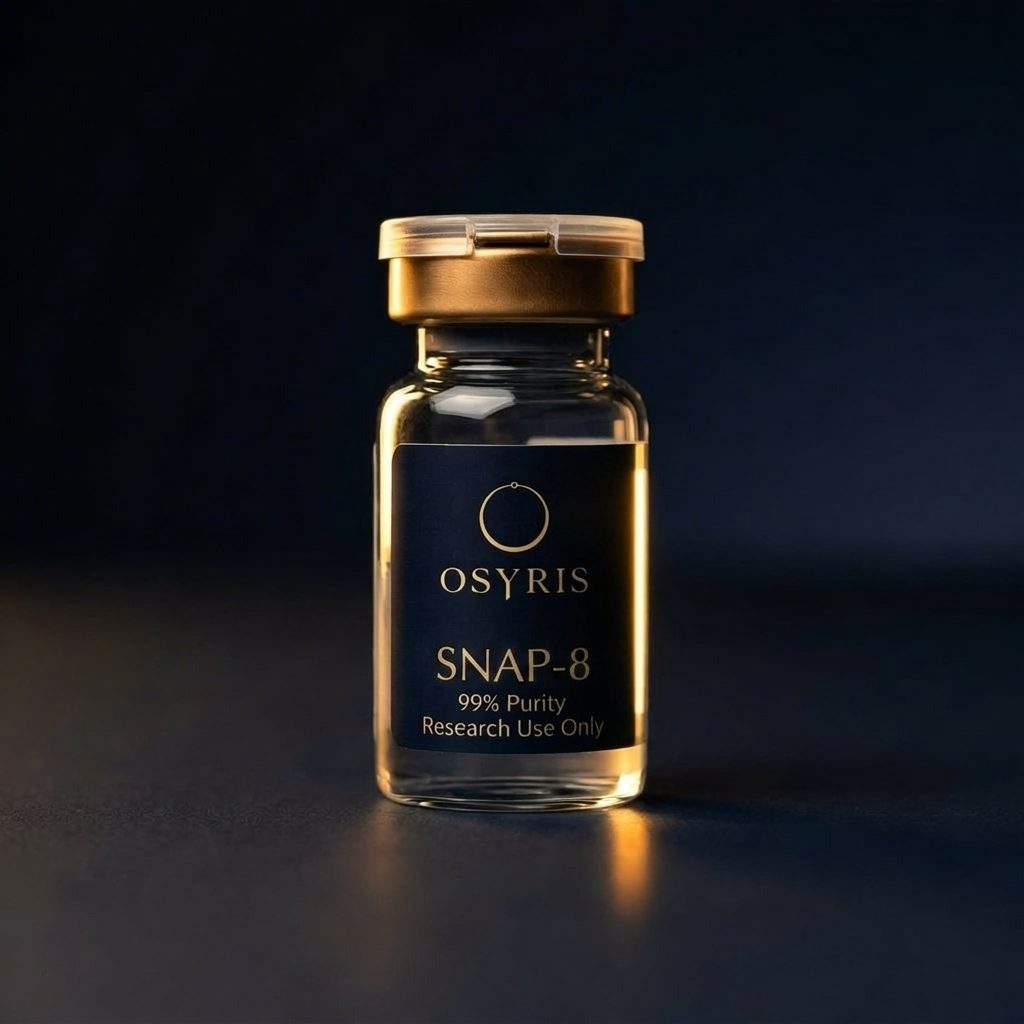
SNAP-8 research peptide vial — OSYRIS Health
AESTHETICS

SNAP-8

3 cited references

$34.99

Aesthetics research gets dismissed too easily because the word sounds cosmetic. In practice, this category includes work on skin remodeling, pigmentation, copper-peptide signaling, antioxidant balance, and barrier support. That is why GHK-Cu, GLOW, Glutathione, Melanotan 2, and SNAP-8 belong together here even though the compounds are structurally and mechanistically different.

This page is meant to keep aesthetics from turning into vague beauty language. Researchers in this area are often asking very specific questions about fibroblast behavior, extracellular matrix activity, oxidative stress, melanocortin signaling, or peptide effects in skin-related models. Some of these compounds also overlap with recovery or longevity work, and those overlaps matter. But aesthetics stays the best primary home because the main frame is still skin, hair, and visible tissue remodeling research.

Also Studied in This Area

These compounds are primarily categorized elsewhere but appear in Skin, Hair & Aesthetics research contexts.

BPC-157 research peptide vial — OSYRIS Health
RECOVERY

BPC-157

10mg · C62H98N16O22 · MW 1419.5 g/mol

$59.99
Primary: Tissue Repair & Recovery
TB500 research peptide vial — OSYRIS Health
RECOVERY

TB500

4 cited references

$79.99
Primary: Tissue Repair & Recovery
KLOW research peptide vial — OSYRIS Health
IMMUNE

KLOW

4 cited references

$129.99
Primary: Immune & Host Defense

Research Overview

This section gives the broader research frame for the category before you move into the product-level specs, citations, and COAs.

Aesthetics research often starts with structure and remodeling

The core of this category is tissue appearance through underlying structure. That means collagen-related signaling, fibroblast activity, extracellular matrix turnover, and the biochemical environment that shapes repair or visible texture over time. GHK-Cu is the anchor compound here because it sits inside that conversation more clearly than anything else in the current catalog.

A good aesthetics page should not pretend that visible outcomes are simple. Researchers usually care about the pathways that sit beneath them, not just the surface-level label attached to a product.

Pigmentation, peptides, and receptor context

Melanotan 2 expands the category beyond remodeling into melanocortin signaling and pigmentation-focused research. That matters because aesthetics is not limited to one visual question. Skin color, response to signaling ligands, and pathway overlap with hormonal research all sit inside the same broader field.

This is also a good example of why cross-listing exists. Melanotan 2 belongs here first, but it has a legitimate secondary overlap with hormonal research through the receptor family being studied.

Antioxidants, stacks, and multi-pathway products

Products like GLOW and Glutathione widen the page in a useful way. GLOW is a stack, which means it carries recovery overlap through its component compounds. Glutathione matters because oxidative stress is part of how researchers think about skin health, visible aging, and cellular stress in aesthetic contexts.

This category would feel incomplete without those compounds because aesthetics research rarely stays limited to one peptide or one pathway. The strongest pages are the ones that show the network instead of faking simplicity.

Why aesthetics links outward to recovery and longevity

Skin, hair, and visible tissue quality are downstream from deeper biology. Repair pathways matter. Aging pathways matter. Oxidative balance matters. That is why aesthetics connects naturally to the recovery and longevity categories instead of standing alone as a cosmetic corner of the catalog.

For readers, that means this page should work as a hub. Start here when the question is clearly skin, pigmentation, or visible tissue remodeling. Then branch outward when the research context shifts toward injury repair or age-related cellular decline.

Related Research Areas

Follow the strongest overlap paths when your question starts in Skin, Hair & Aesthetics but quickly touches neighboring research areas.

Category FAQs

Questions About Skin, Hair & Aesthetics

These answers follow the approved collection FAQ set for this category.

GHK-Cu is commonly studied in skin, hair, tissue-remodeling, and copper-peptide signaling research. It also overlaps with recovery and longevity discussions, but aesthetics is its clearest primary home.

GLOW is a stack product that combines compounds commonly discussed in skin- and tissue-related research. Because it includes recovery-linked ingredients, it also appears as a cross-listed compound outside this category.

Glutathione is studied as a major antioxidant in work involving oxidative stress, redox balance, and broader skin-related cellular conditions. It is not treated here as a cosmetic quick fix.

Melanotan 2 is a melanocortin-related peptide studied in pigmentation and receptor-signaling research. It also has a legitimate overlap with hormonal research because of the receptor family involved.

SNAP-8 is typically discussed in aesthetics-focused peptide research tied to expression-line and skin-surface studies. On OSYRIS it stays in aesthetics only, with no secondary cross-listing.

Researchers study copper peptides in relation to signaling, tissue remodeling, and extracellular matrix activity. The point is to understand pathways, not to treat them like finished cosmetic claims.

No. On this site they are listed as research materials, not beauty products. The category reflects the research area they are commonly associated with.

Look for third-party testing with a batch-specific COA. A marketed purity claim without batch documentation is not enough.