
What We Test
Every batch of every product undergoes two independent analytical tests:
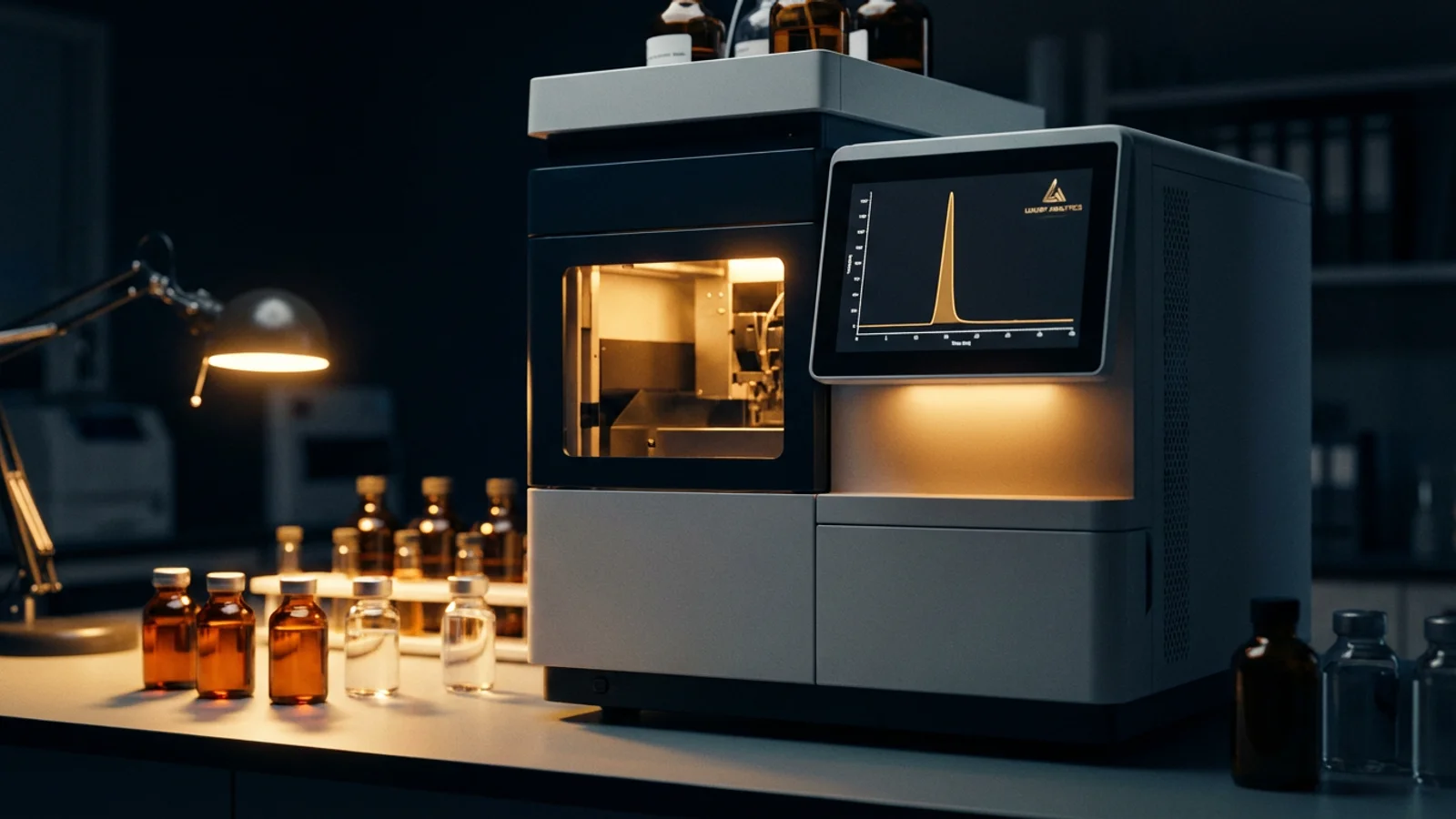
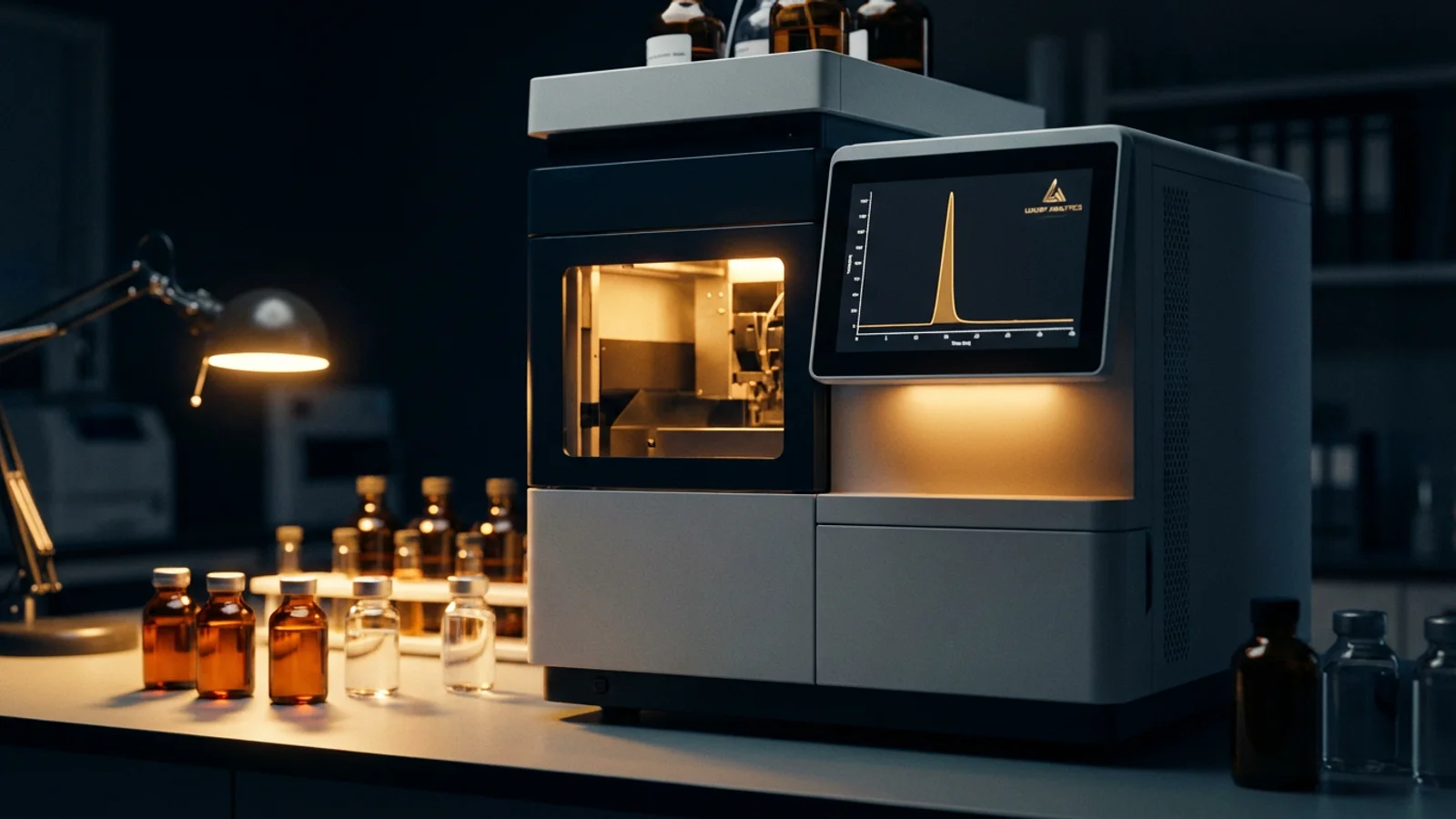
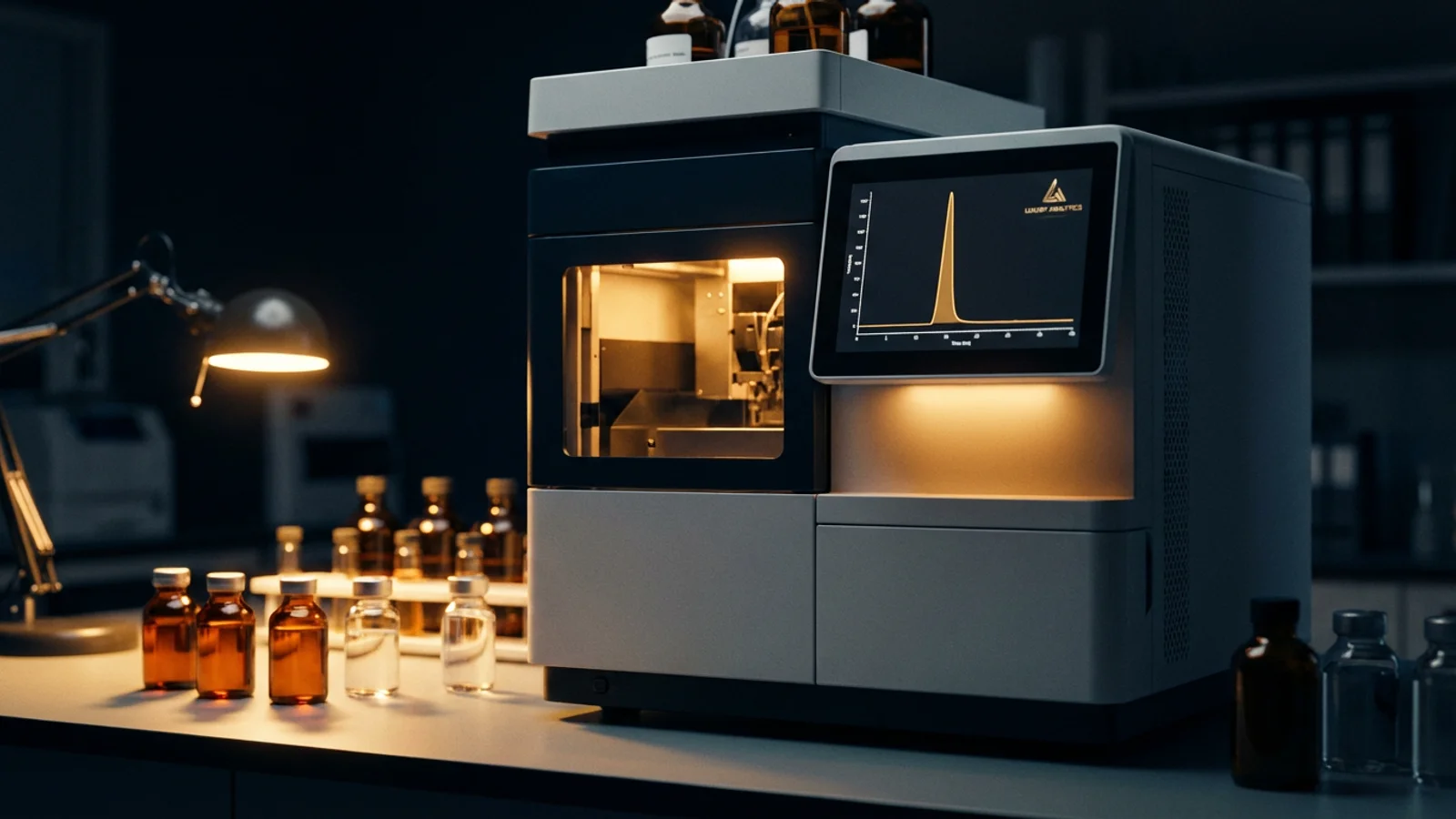
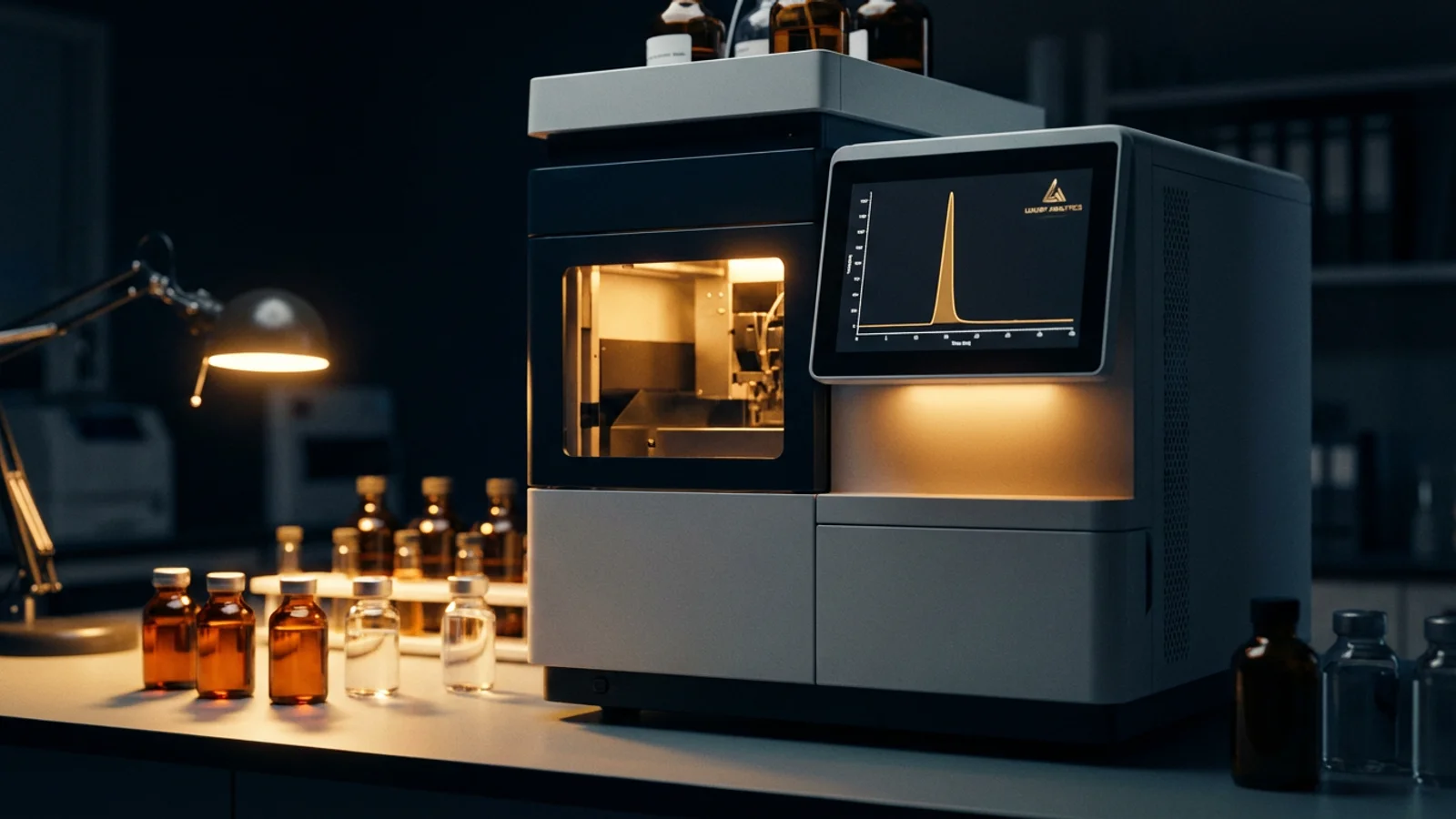
HPLC (High-Performance Liquid Chromatography) separates the components of a sample by passing it through a column under high pressure. The output is a chromatogram — a graph showing peaks for each detected component. The target compound should appear as a single dominant peak, with minimal or no secondary peaks indicating impurities. HPLC tells us: is this compound pure, and how pure is it?
LC-MS (Liquid Chromatography–Mass Spectrometry) combines the separation power of HPLC with mass spectrometry, which identifies compounds by their molecular weight. LC-MS tells us: is this the correct compound? It confirms molecular identity — verifying that the compound in the vial matches its label, not just in purity but in structure.
Together, HPLC + LC-MS answer two questions:
- Is this the right compound? (Identity — LC-MS)
- Is it pure? (Purity — HPLC)
How to Read a Certificate of Analysis
Every OSYRIS product page includes a downloadable Certificate of Analysis (COA) for the current batch. Here's what each section means:
Batch/Lot Number — A unique identifier for this specific production batch. Every vial from the same batch shares the same COA. Different batches may have slightly different purity values — this is normal.
Purity (%) — The percentage of the sample that is the target compound. OSYRIS standard: ≥98%. Typical batch results: 99.0-99.5%. A purity of 99.2% means 99.2% of the sample is the target compound and 0.8% is other material (usually residual solvent, salt, or synthesis byproducts).
Molecular Weight (Observed vs Expected) — The LC-MS result showing the detected molecular weight compared to the theoretical molecular weight. A match within instrument tolerance (typically ±1 Da) confirms compound identity.
HPLC Chromatogram — The graph showing the separation result. A single sharp peak at the expected retention time indicates high purity. Small secondary peaks indicate trace impurities. The area under the main peak relative to total area gives the purity percentage.
Our Sourcing
OSYRIS compounds are sourced from GMP-certified (Good Manufacturing Practice) synthesis facilities. GMP certification means the facility follows standardized production protocols, maintains quality control documentation, and undergoes regular audits. GMP sourcing doesn't guarantee the final product is pure — that's what independent testing is for — but it ensures the production environment meets established quality standards.
We verify every batch independently regardless of the manufacturer's internal testing. The manufacturer's COA is a starting point, not the final word. Our COA is the final word.
What "Research Grade" Means
OSYRIS products are research-grade, meaning they are manufactured and tested to specifications appropriate for laboratory research — not for human consumption, veterinary use, or dietary supplementation. Research-grade compounds undergo analytical verification (HPLC + LC-MS) for identity and purity but are not subject to the same regulatory framework as pharmaceutical-grade products intended for human administration.
This distinction is important: research-grade means independently verified and suitable for laboratory work. It does not mean FDA-approved, cGMP pharmaceutical-grade, or USP reference standard.
Our Purity Guarantee
Every batch of every OSYRIS product is guaranteed to test at ≥98% purity via independent HPLC analysis. If any batch tests below this threshold, we will replace it at no cost. This has never happened — our typical batch purity is 99.0-99.5% — but the guarantee exists because we stand behind our testing.