
AboutStandards
GROWTH HORMONE

Growth Hormone Secretagogue Research Peptides

Growth hormone secretagogue research peptides. CJC/Ipamorelin, Tesamorelin, Sermorelin. Lab tested with COA.

Primary Compounds

These products live in Growth Hormone & Secretagogues as their primary category and form the main grid for this page.

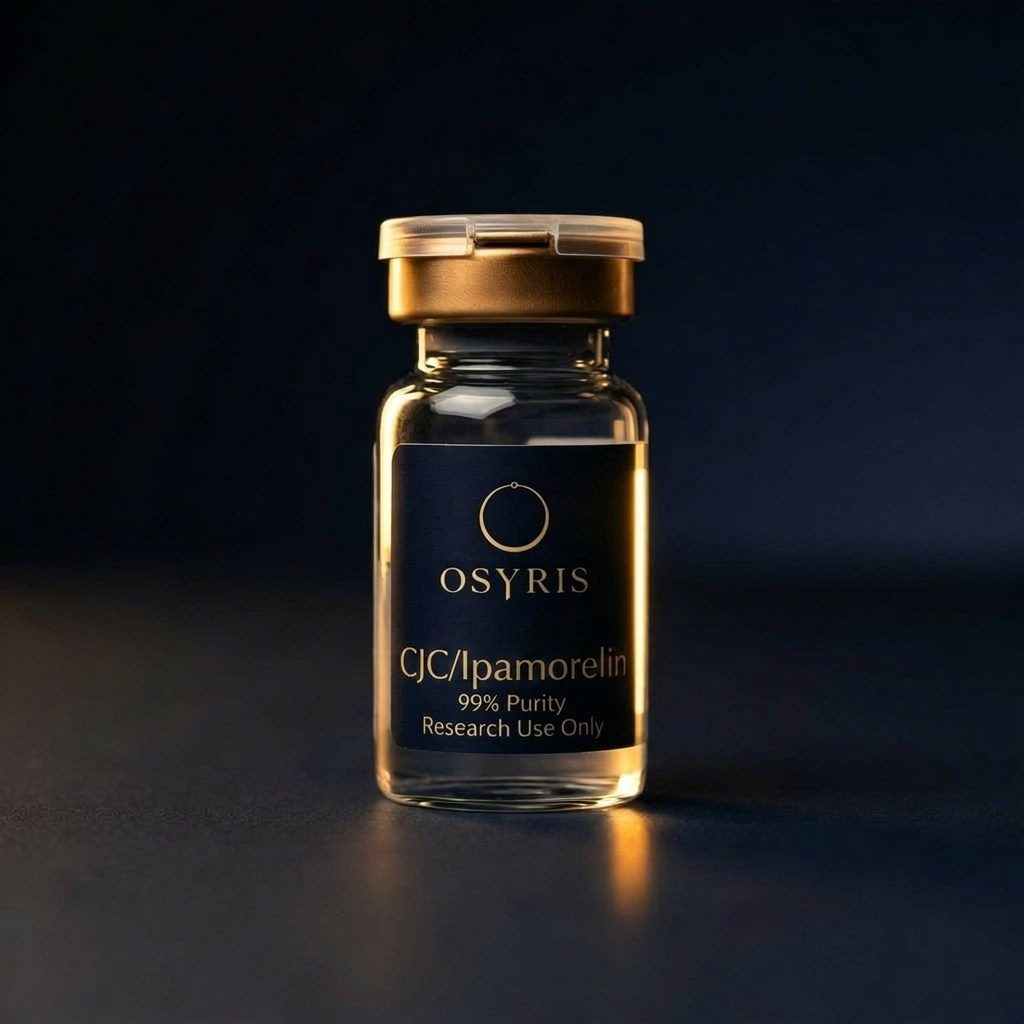
CJC NO DAC/Ipamorelin Blend research peptide vial — OSYRIS Health
GROWTH HORMONE

CJC NO DAC/Ipamorelin Blend

5mg

$74.99
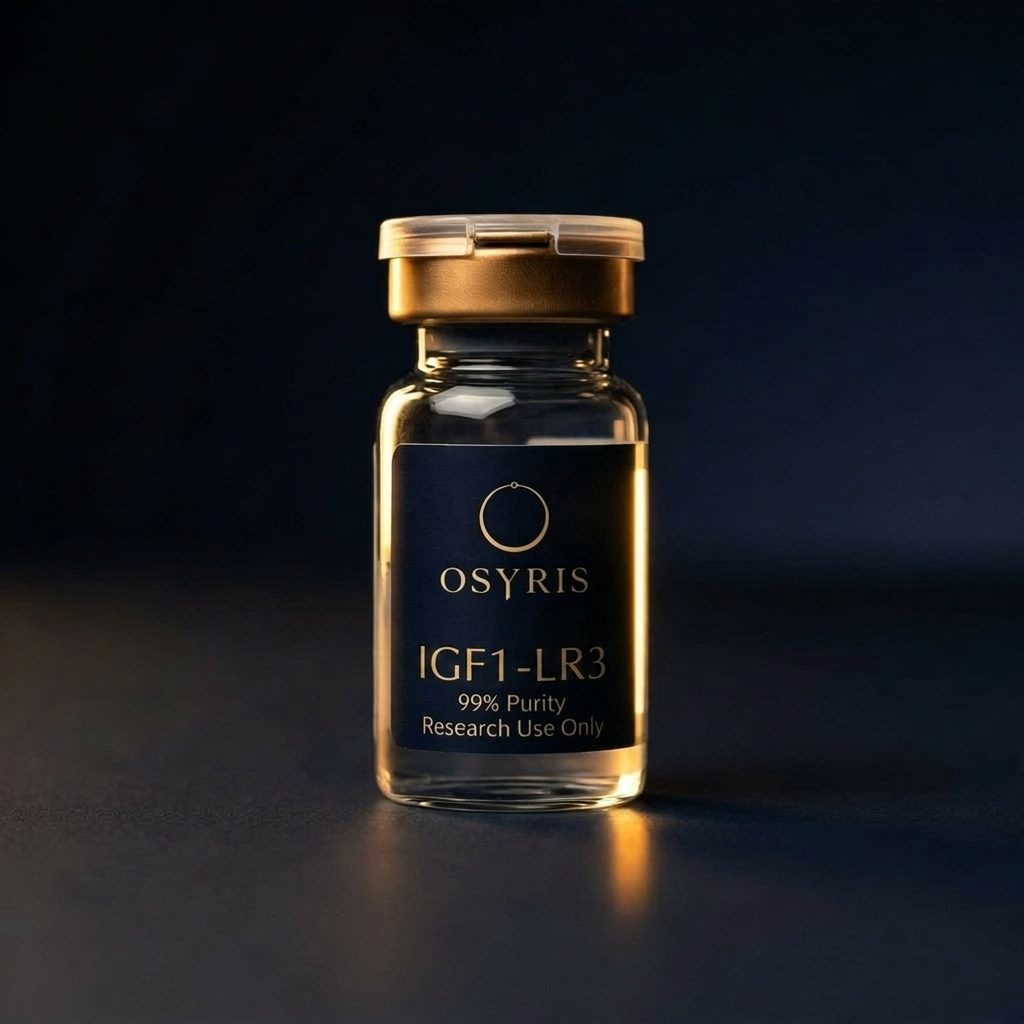
IGF1-LR3 research peptide vial — OSYRIS Health
GROWTH HORMONE

IGF1-LR3

3 cited references

$59.99
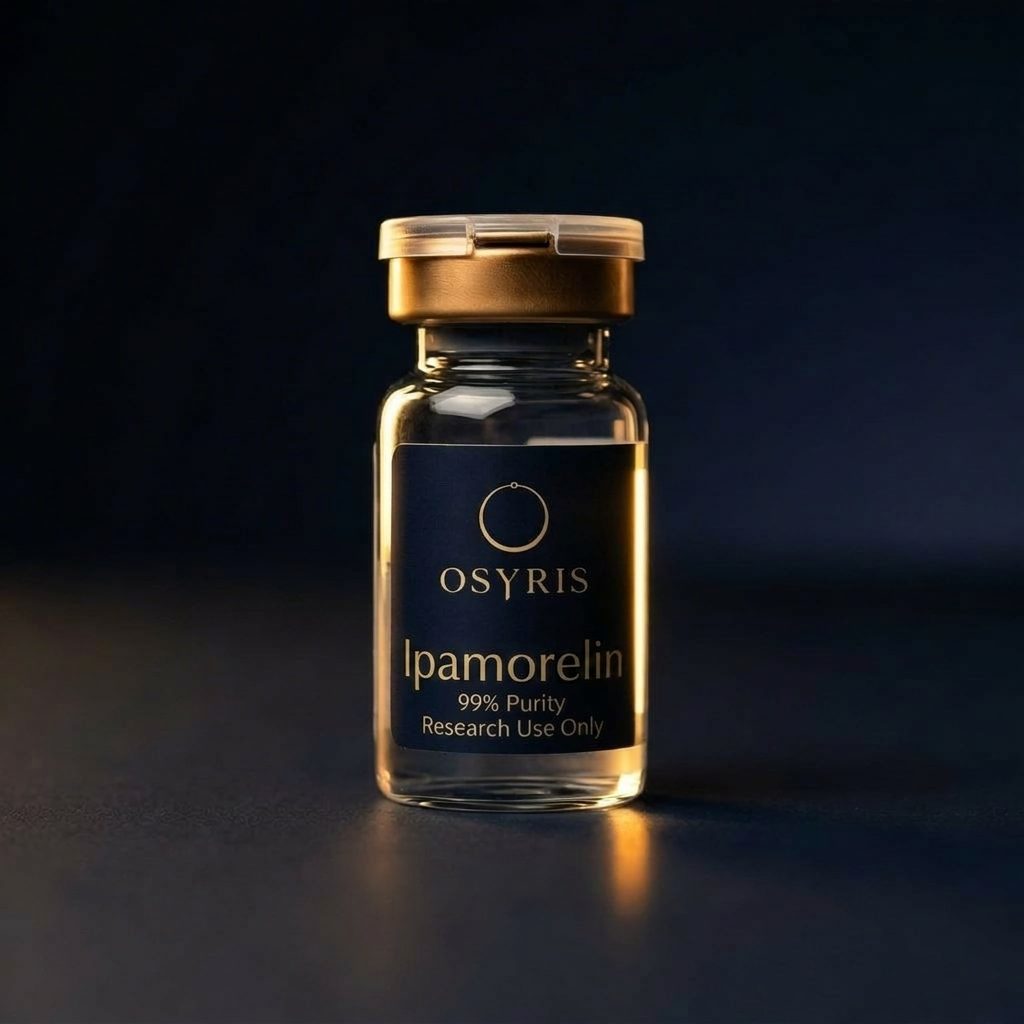
Ipamorelin research peptide vial — OSYRIS Health
GROWTH HORMONE

Ipamorelin

2 cited references

$49.99
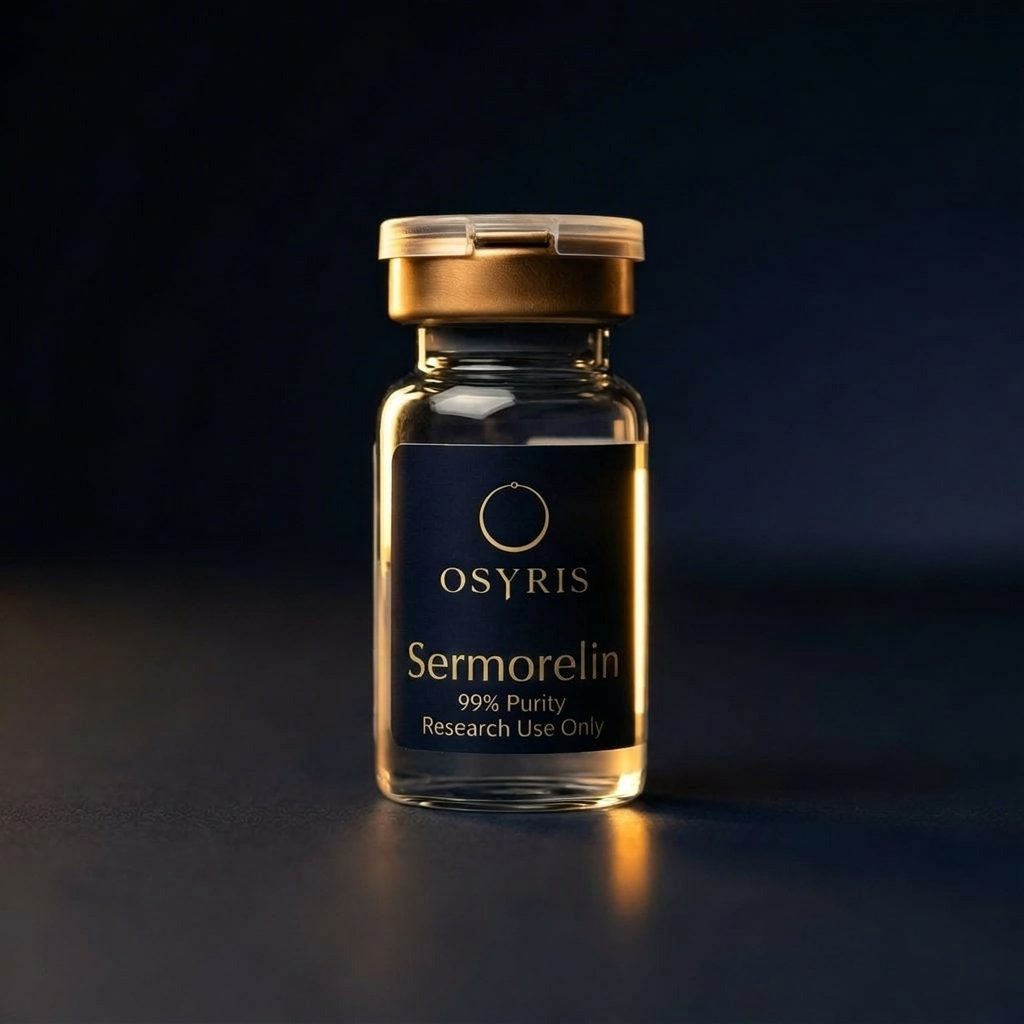
Sermorelin research peptide vial — OSYRIS Health
GROWTH HORMONE

Sermorelin

5 cited references

$69.99
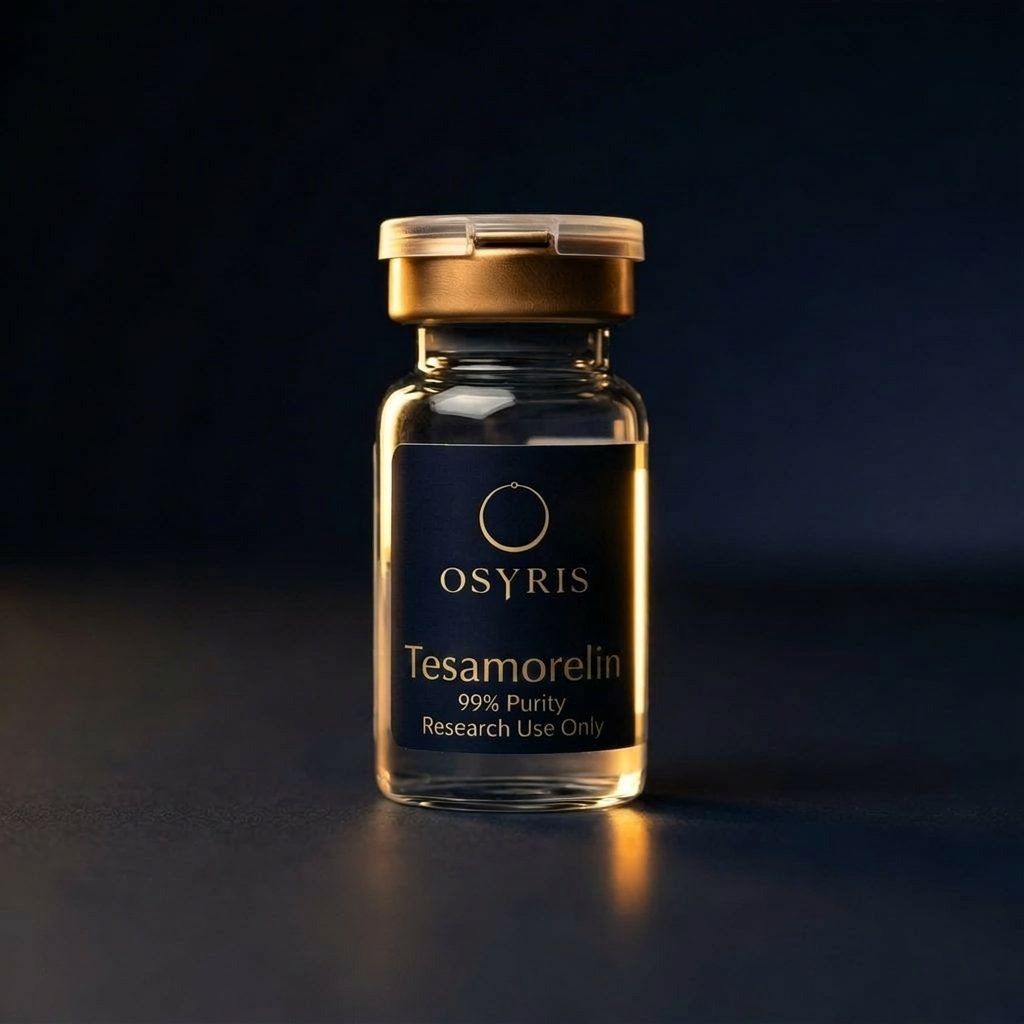
Tesamorelin research peptide vial — OSYRIS Health
GROWTH HORMONE

Tesamorelin

10mg · C221H366N72O67S · MW 5135.89 g/mol

$74.99

Growth hormone peptide research is one of the clearest technical categories on the site because the compounds share a common axis. CJC NO DAC/Ipamorelin Blend, IGF1-LR3, Ipamorelin, Sermorelin, and Tesamorelin all sit inside growth hormone secretagogue or GH-axis research. That does not mean the compounds are interchangeable. It means the page has a clean organizing principle built around how researchers group them in practice.

This category also overlaps with metabolic work because body composition, adipose signaling, and energy regulation often come up in GH-related models. The overlap matters, but it is still secondary. The main reason people land on this page is to compare secretagogue-style compounds, understand how the axis is being studied, and inspect the products that live most clearly inside that frame.

Also Studied in This Area

These compounds are primarily categorized elsewhere but appear in Growth Hormone & Secretagogues research contexts.

AOD-9604 research peptide vial — OSYRIS Health
METABOLIC

AOD-9604

10mg · C78H123N23O23S2 · MW 1815.1 g/mol

$49.99
Primary: Metabolic & Weight Management

Research Overview

This section gives the broader research frame for the category before you move into the product-level specs, citations, and COAs.

A focused category with a shared axis

This category is tighter than most because the compounds are all tied to the growth hormone axis in some way. That gives readers a cleaner comparison environment. Instead of mixing unrelated products together, the page keeps the focus on secretagogue and GH-linked signaling research.

That structure also improves internal linking. Someone interested in Ipamorelin usually benefits from seeing how it relates to Sermorelin, Tesamorelin, or blend products rather than being dropped into a flat catalog with no context.

Secretagogues, analogs, and downstream signaling

Researchers in this area are often comparing how compounds stimulate, mimic, or intersect with GH-axis signaling rather than asking one generic 'muscle growth' question. That is why terms like secretagogue, analog, and IGF-linked pathway matter. They point to different levels of the axis and different ways of structuring a model.

A good category page should explain that difference without overcomplicating it. Readers do not need jargon for its own sake. They need enough structure to know why these products belong together and where the differences begin.

Why this category overlaps with metabolic research

Growth hormone research often spills into metabolic territory because body composition, adipose signaling, and energy use are part of the same broader conversation. That is why Tesamorelin, Ipamorelin, and AOD-9604 can meaningfully link across categories without being reassigned.

The key is to keep the primary category honest. Growth-hormone pages should stay focused on GH-axis compounds first, then acknowledge metabolic overlap through related links and cross-listed cards.

What a strong GH category page should help readers do

The job of this page is comparison and orientation. Readers should leave knowing which compounds are secretagogue-focused, which ones are blend products, which ones sit downstream or adjacent to the axis, and where to click next for specs and documentation.

That is why this page works as a hub rather than a marketing page. It gives the shared frame, then points back to product detail pages where the batch-level proof lives.

Related Research Areas

Follow the strongest overlap paths when your question starts in Growth Hormone & Secretagogues but quickly touches neighboring research areas.

Category FAQs

Questions About Growth Hormone & Secretagogues

These answers follow the approved collection FAQ set for this category.

Ipamorelin is studied as a growth hormone secretagogue in GH-axis research. It also overlaps with metabolic work where body-composition questions are part of the model.

They are different GH-axis research compounds with different roles in how researchers frame secretagogue-related signaling. They are often discussed together, but they are not the same molecule.

Tesamorelin is a GH-axis research compound commonly grouped with secretagogue and body-composition related work. On OSYRIS it lives in growth hormone as its primary category.

Sermorelin is another GH-axis compound used in secretagogue-related research discussions. It sits in the same category as Ipamorelin and Tesamorelin but is not identical in structure or research framing.

IGF1-LR3 is an insulin-like growth factor research compound that belongs in the broader GH-axis conversation because of its downstream signaling relationship.

Researchers study them in models focused on GH-axis signaling, body composition, endocrine regulation, and related metabolic outcomes. Those findings are model-specific and not a substitute for approval or treatment claims.

It is a blend product that combines two GH-axis compounds in one vial for protocols that want to study their overlap in the same format.

No. Secretagogues and GH-related analogs are not the same thing as synthetic growth hormone. They belong to the same research area but are distinct compounds and should be treated that way.