
Research Overview
This section gives the broader research frame for the category before you move into the product-level specs, citations, and COAs.
Why repair research clusters around a few core compounds
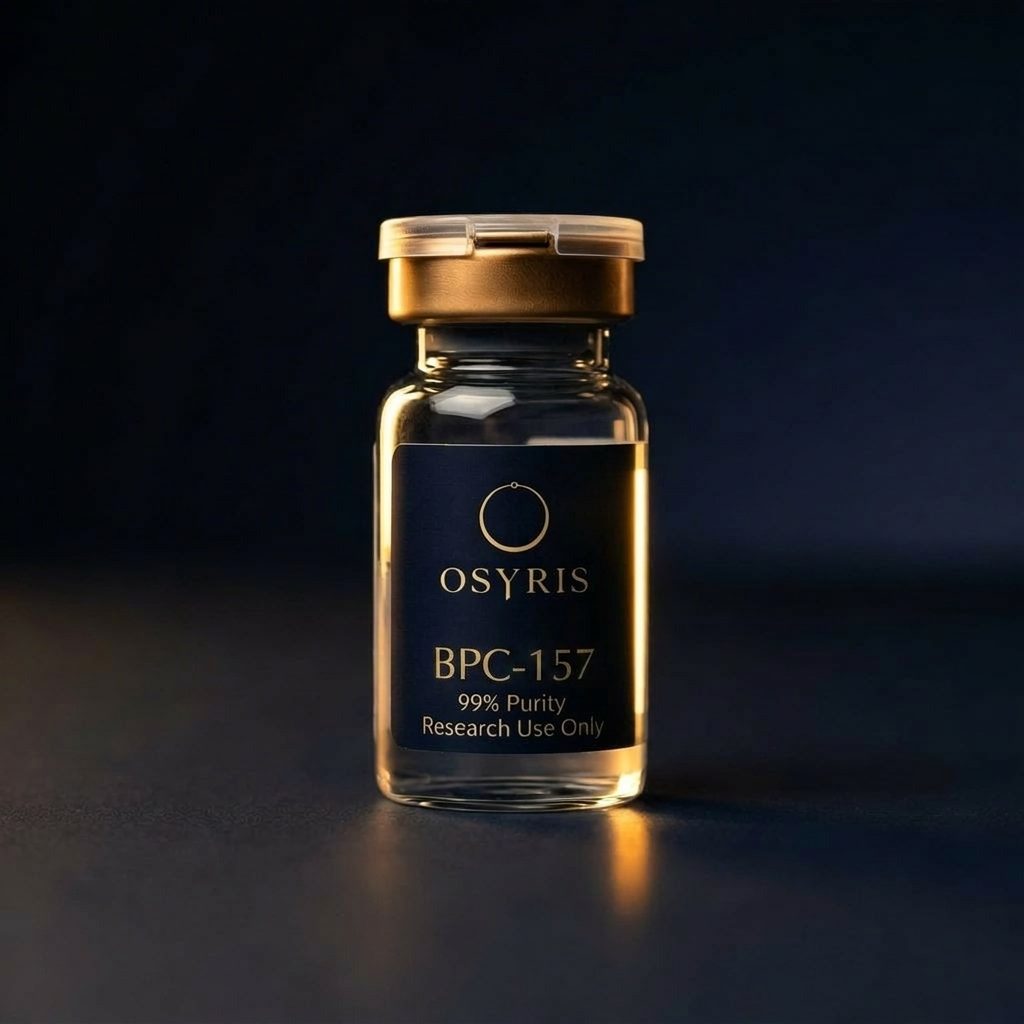
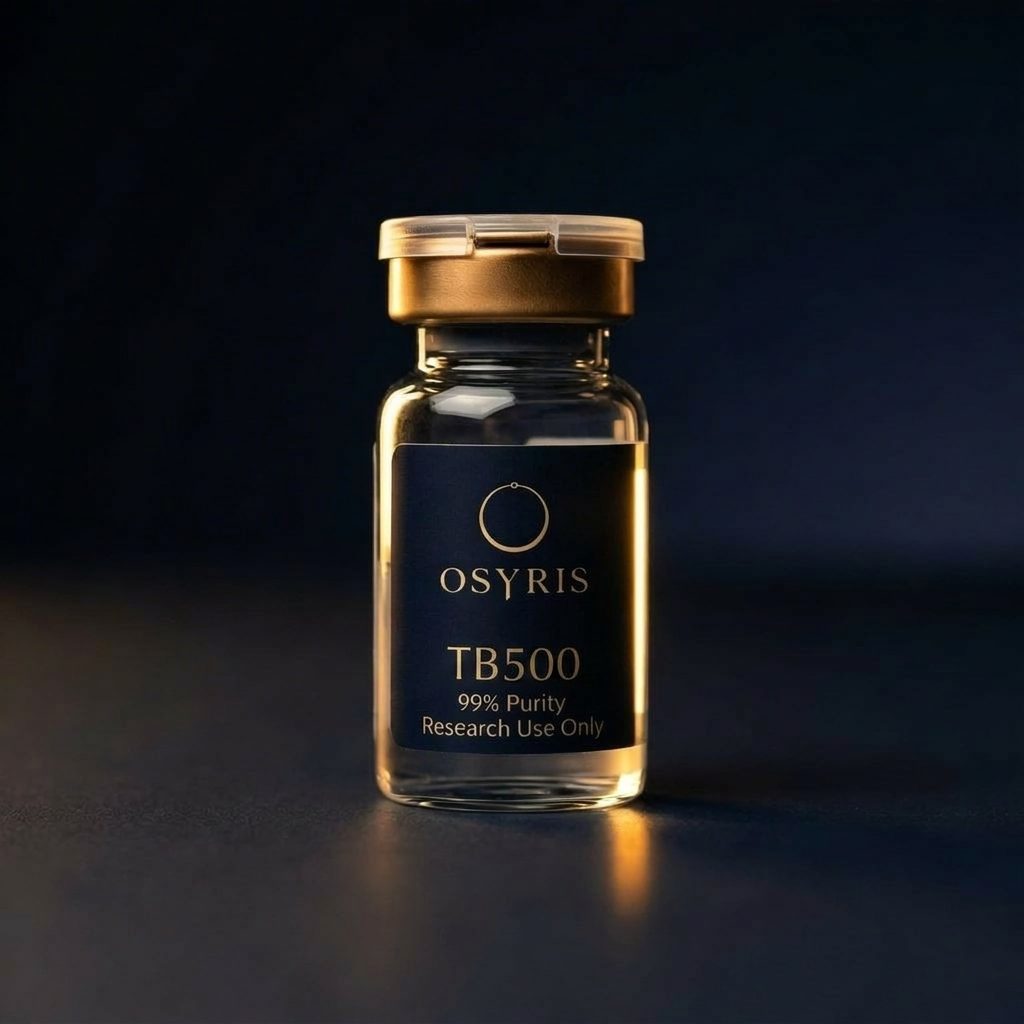
Recovery-focused peptide research is built around the same basic problem: stressed tissue rarely fails for one reason. Injury models usually involve a mix of inflammation, vascular disruption, extracellular matrix remodeling, and cell-signaling changes that affect how repair unfolds over time. That is why compounds like BPC-157 and TB500 keep appearing in adjacent conversations rather than staying boxed into one narrow use case.
Researchers are often less interested in a single dramatic outcome and more interested in pattern recognition. Does a compound show up across tendon, skin, muscle, gut, or vascular models? Does it appear in work on fibroblast migration, angiogenesis, barrier integrity, or inflammatory modulation? Those recurring patterns are what make the recovery category useful. They help readers separate compounds that are broadly studied from ones that only show up in scattered claims.
Repair, blood flow, and the role of tissue signaling
A big part of recovery research comes down to signaling. Researchers look at how compounds interact with pathways tied to nitric oxide, vascular endothelial growth factor, epithelial repair, and cytoskeletal change. Those details matter because healthy repair is not just about replacing damaged tissue. It is also about restoring blood flow, cell movement, and structural organization in a stressed environment.
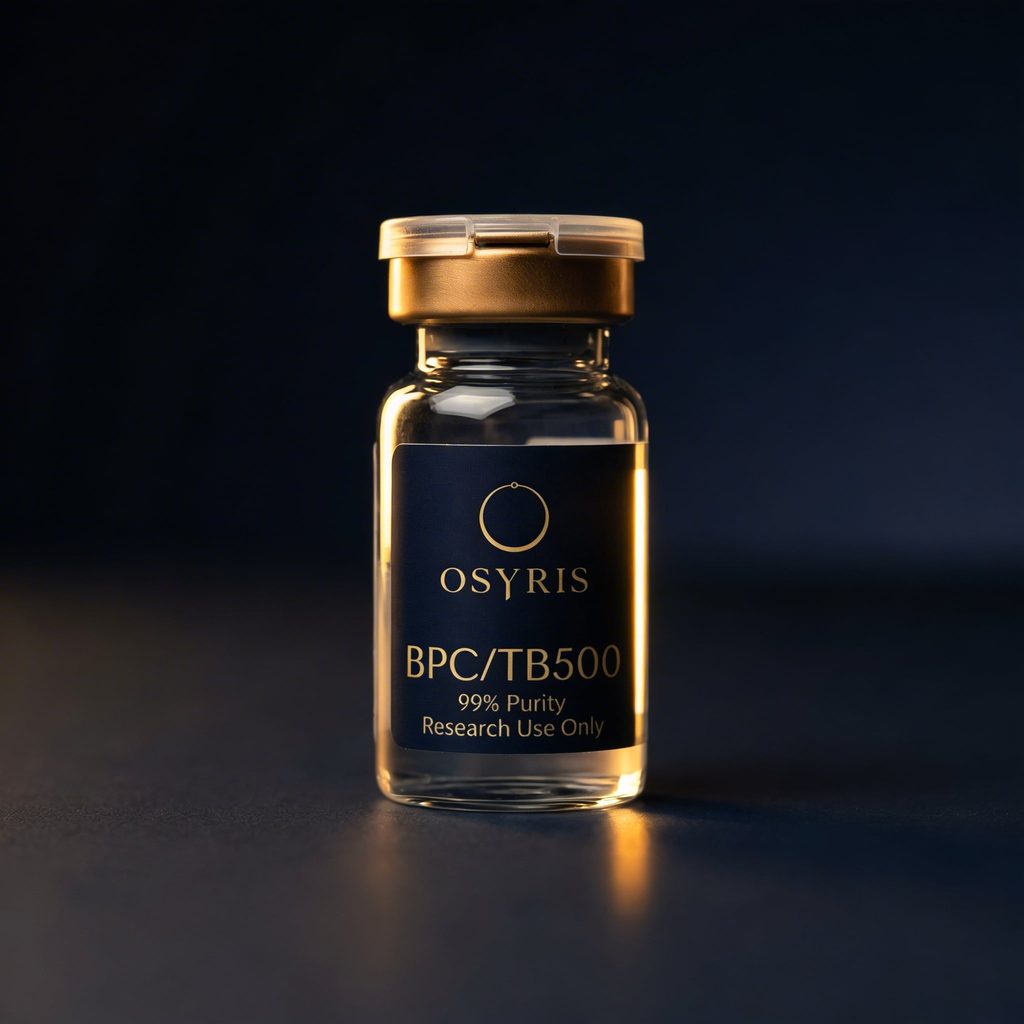
That is one reason BPC-157 and TB500 are often discussed together. They are studied in overlapping repair contexts, but not always for the same mechanistic emphasis. One may be framed more often through barrier and vascular support, while the other shows up more often in motility, remodeling, and migration discussions. A blend product exists because some researchers want to study those overlaps directly rather than treating the compounds as isolated tools.
Where inflammation fits into a recovery category
Recovery research almost always brushes up against immune and inflammatory signaling. That does not turn every recovery peptide into an immune peptide, but it does explain why the overlap exists. Tissue damage changes cytokine activity, oxidative stress, and local signaling in ways that can slow or reshape repair. A strong recovery category should acknowledge that instead of pretending every model is clean and isolated.
That is also why some compounds from other categories appear lower on this page in the cross-listed section. GHK-Cu, GLOW, and KLOW each have a reason to show up in recovery-related discussions even though their primary home sits elsewhere. Cross-listing gives that context without creating duplicate category ownership or muddling the main ItemList schema.
How to read recovery peptide pages without getting sold to
Recovery is one of the noisiest parts of the peptide market. It attracts real research interest, but it also attracts sloppy marketing. The safest way to read a recovery page is to ask a few simple questions. Does the page explain what the compound is actually studied for? Does it cite published literature? Does it show the COA without making you ask for it? If the answer is no, the page is probably built to convert fast, not inform well.
OSYRIS recovery pages are meant to do the opposite. Start with the category page for the big picture, then move into the product pages for specs, citations, and batch documentation. That workflow is slower than impulse shopping, but it gives researchers a cleaner base to work from.