
AboutStandards
LONGEVITY

Research Peptides for Longevity & Cellular Health

Longevity and cellular health research peptides. NAD+, Epithalon, MOTS-C. HPLC/LC-MS tested. COA with every order.

Primary Compounds

These products live in Longevity & Cellular Health as their primary category and form the main grid for this page.

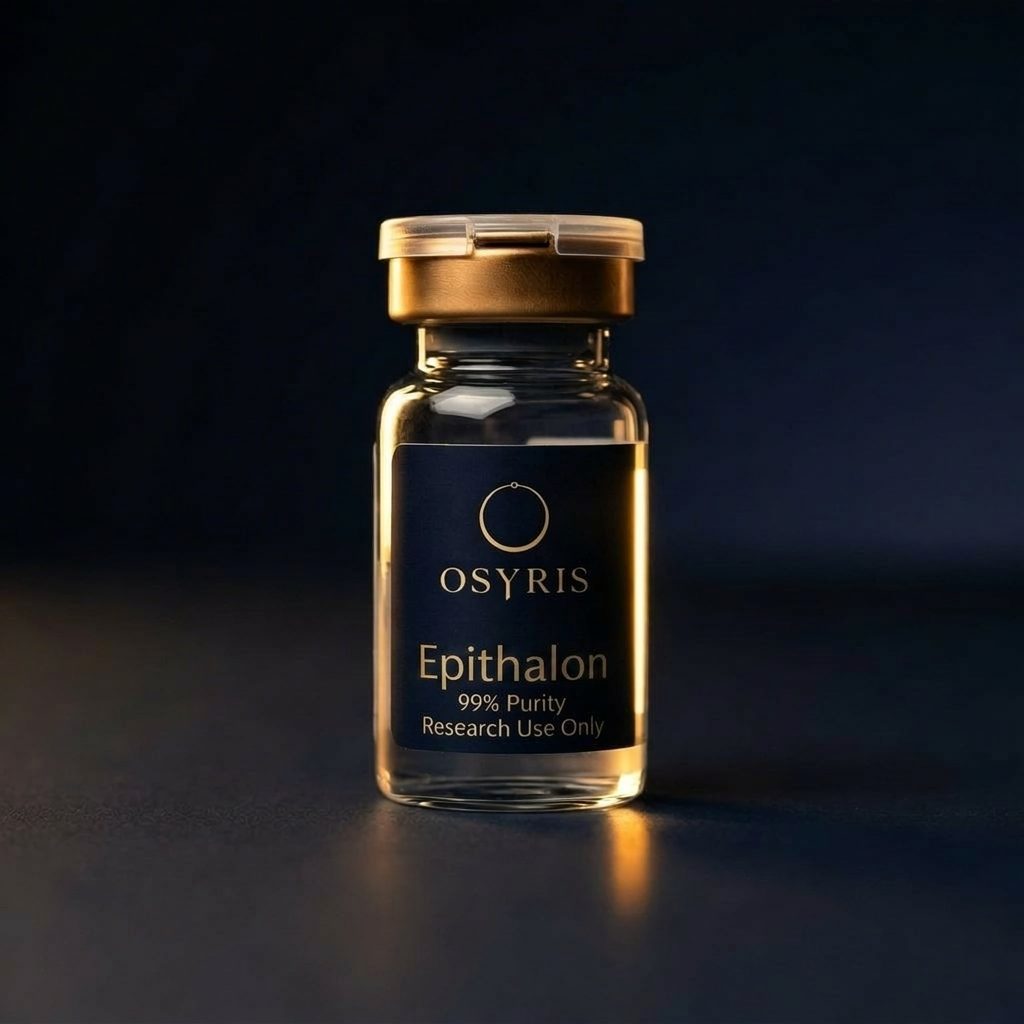
Epithalon research peptide vial — OSYRIS Health
LONGEVITY

Epithalon

5 cited references

$79.99
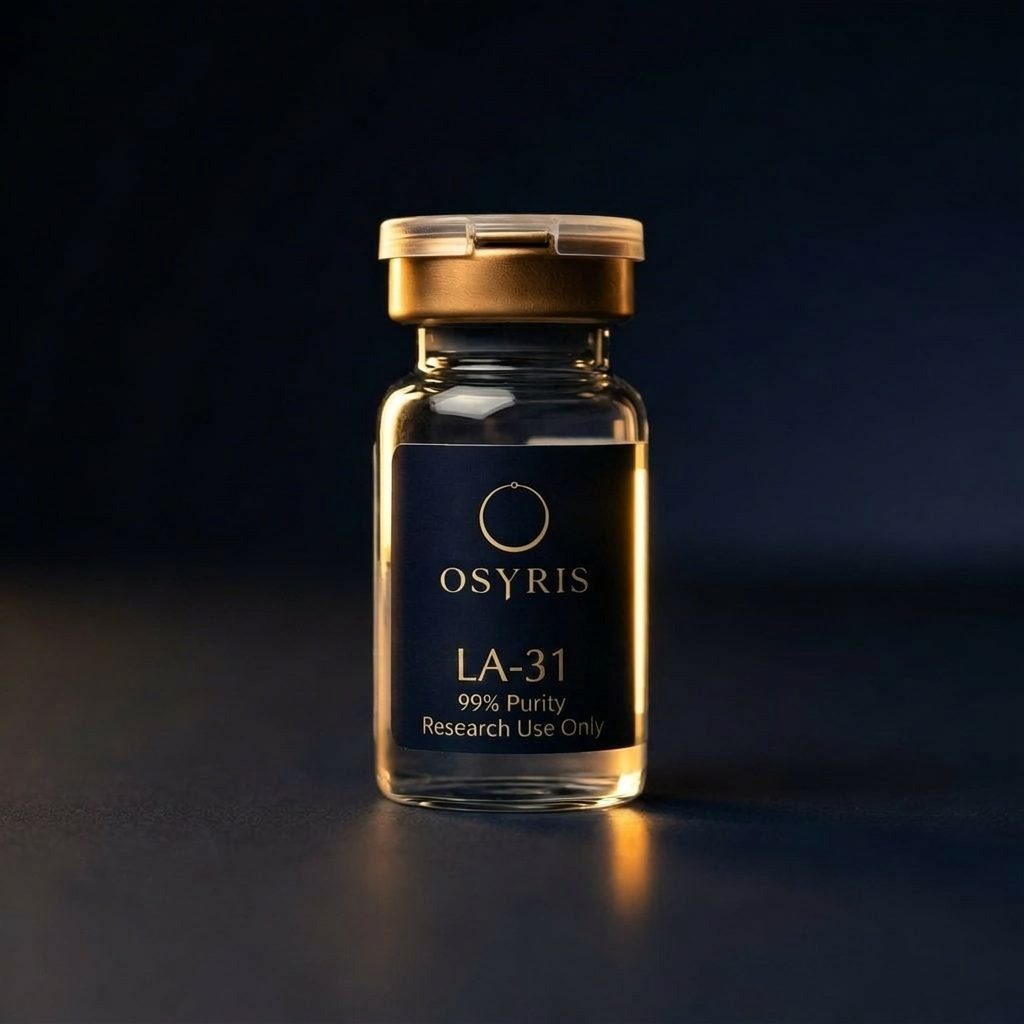
LA-31 research peptide vial — OSYRIS Health
LONGEVITY

LA-31

3 cited references

$49.99 - $150.00
MOTS-C research peptide vial — OSYRIS Health
LONGEVITY

MOTS-C

10mg · C48H73NO13S · MW 1042.18 g/mol

$69.99
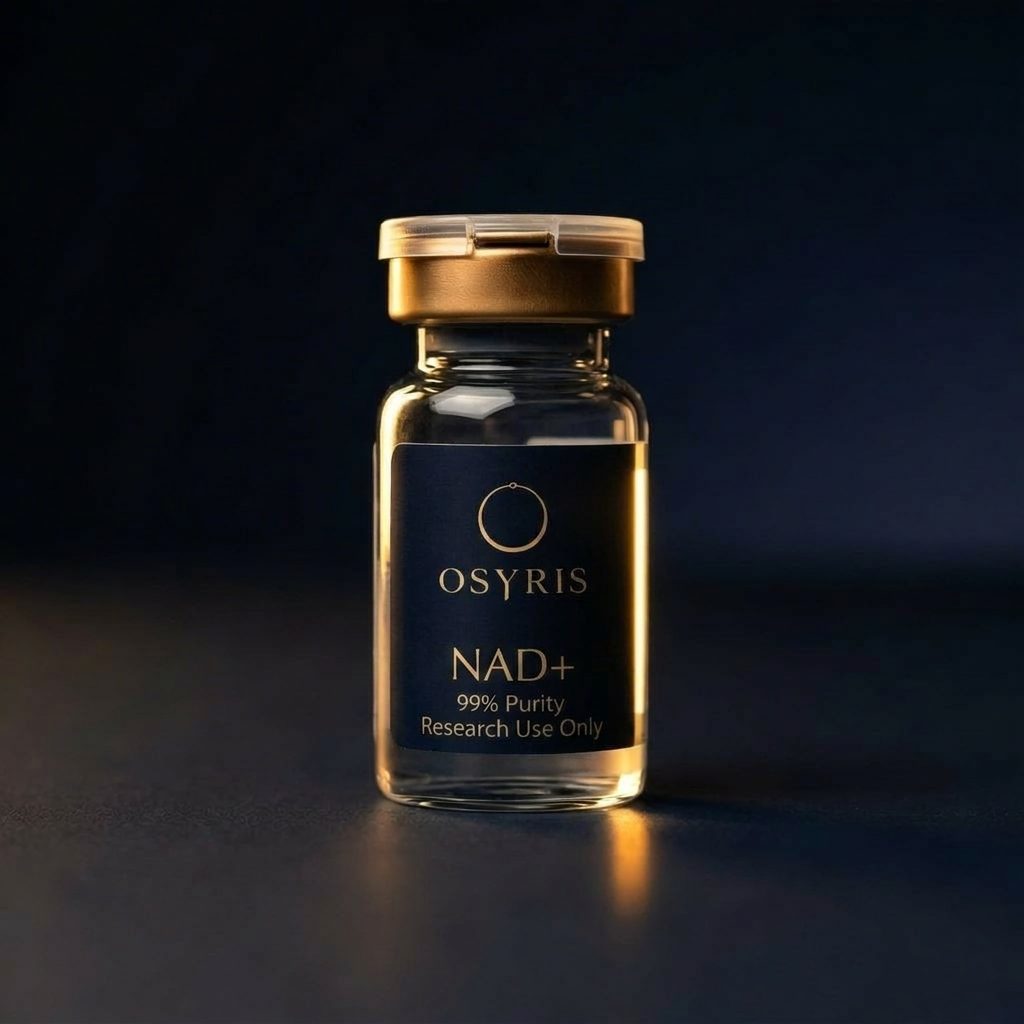
NAD+ research peptide vial — OSYRIS HealthNEW
LONGEVITY

NAD+

500mg · C21H27N7O14P2 · MW 663.43

$74.99
Vitamin B12 research peptide vial — OSYRIS HealthNEW
LONGEVITY

Vitamin B12

Research-Grade · Cobalamin · Reference Material

$99.99

Longevity research is not one topic. It is a stack of related questions about how cells handle stress, energy production, DNA repair, senescence, circadian signaling, and metabolic wear over time. That is why this category includes compounds that look very different on paper but still belong in the same conversation. Epithalon, MOTS-C, NAD+, Vitamin B12, and LA-31 all connect to the bigger question of how cellular systems hold up under age-related or chronic stress.

This page is built to keep that category from turning into vague anti-aging talk. The goal is not to promise more than the literature supports. The goal is to show how researchers frame these compounds in mitochondrial, telomeric, metabolic, and redox-related work. Some of these compounds also overlap with cognitive, immune, or metabolic research. That overlap is real, but longevity remains the clearest primary home for this set because the shared theme is cellular resilience over time, not one single organ system or marketing niche.

Also Studied in This Area

These compounds are primarily categorized elsewhere but appear in Longevity & Cellular Health research contexts.

GHK-Cu research peptide vial — OSYRIS Health
AESTHETICS

GHK-Cu

4 cited references

$39.99
Primary: Skin, Hair & Aesthetics
Glutathione research peptide vial — OSYRIS Health
AESTHETICS

Glutathione

4 cited references

$59.99
Primary: Skin, Hair & Aesthetics
DSIP research peptide vial — OSYRIS Health
COGNITIVE

DSIP

4 cited references

$29.99
Primary: Cognitive & Neurological

Research Overview

This section gives the broader research frame for the category before you move into the product-level specs, citations, and COAs.

Longevity research is mostly cellular research

The word longevity gets abused because it sounds bigger than it is. In a serious research context, longevity work usually means studying how cells respond to cumulative stress. That can include mitochondrial efficiency, oxidative balance, NAD-dependent signaling, telomere-related pathways, DNA repair, or resilience under inflammatory and metabolic pressure.

That is why this category does not chase vague anti-aging claims. It organizes compounds around the systems researchers actually study. Some are closer to energy metabolism. Some are closer to telomere or epigenetic discussions. Some function more like reference materials that support broader one-carbon or mitochondrial work. What ties them together is the question of long-term cellular function.

Mitochondria, redox state, and energy availability

A large share of longevity research lives in the mitochondria. NAD+ and MOTS-C are obvious examples because they show up in work on energy handling, stress adaptation, redox balance, and metabolic signaling. When cells lose flexibility under stress, researchers often look upstream at cofactor availability, mitochondrial output, and the signaling networks that respond to that change.

That mitochondrial focus is one reason this category overlaps with metabolic research. The overlap is useful, but the intent here is different. Metabolic pages are better for weight-management or incretin-centered questions. Longevity pages are better when the frame is cellular energy, resilience, aging biology, and maintenance over time.

Telomeres, signaling pressure, and aging models

Longevity research also includes compounds studied in relation to telomere biology, genomic maintenance, and stress-response signaling. Epithalon is the clearest example in this group. Researchers look at it because it sits inside that conversation about telomerase-related work and how cells behave across repeated stress cycles.

That does not mean the category is limited to one hypothesis. A useful longevity page should show how multiple pathways coexist. Some compounds are discussed for redox and mitochondrial reasons, some for epigenetic or telomeric reasons, and some because they support the biochemical context researchers are measuring around those questions.

Why cross-category overlaps matter here

Longevity compounds often cross into cognitive, immune, and metabolic research because aging is not siloed. Neuroprotection, immunosenescence, and metabolic decline all show up in the same long time horizon. That is why this page links out to those related areas and surfaces cross-listed compounds where the overlap is strong.

The goal is to keep the site structured without pretending biology is tidy. A compound can have one primary home for SEO, breadcrumbs, and schema while still appearing where the science overlaps. That gives readers a cleaner route through the catalog and gives the site a better internal-linking structure at the same time.

Related Research Areas

Follow the strongest overlap paths when your question starts in Longevity & Cellular Health but quickly touches neighboring research areas.

Category FAQs

Questions About Longevity & Cellular Health

These answers follow the approved collection FAQ set for this category.

NAD+ is a core cellular cofactor involved in redox balance, mitochondrial function, DNA repair, and sirtuin activity. Researchers study it in aging work because NAD-dependent signaling is tied to how cells respond to stress over time.

Epithalon is commonly discussed in telomere- and aging-related research contexts. Researchers study it as part of broader questions around cellular signaling, stress adaptation, and long-term tissue maintenance.

MOTS-C is a mitochondrial-derived peptide that shows up in research on energy regulation, metabolic signaling, and stress response. It is one of the compounds often discussed where longevity and metabolic biology overlap.

NAD+ is the cofactor itself. NMN is a precursor compound studied in relation to NAD+ pathways. They belong to the same conversation, but they are not the same molecule.

Telomerase-related work matters because telomere maintenance is part of how researchers think about cellular aging and replicative stress. It is one piece of the longevity puzzle, not the whole field by itself.

LA-31 is positioned in longevity and cellular health research as a compound tied to mitochondrial and age-related resilience questions. On OSYRIS it remains assigned to longevity as its primary research home.

Vitamin B12 supports research on one-carbon metabolism, enzymology, and cellular function. It is not framed here as a wellness product. It is included because it fits the broader cellular-health side of longevity research.

The important standard is third-party batch testing, not a marketing number in isolation. Look for HPLC and LC-MS documentation tied to the batch you are reviewing, plus a COA you can inspect before purchase.