

Stack Guide
The Science Behind Multi-Compound Research Stacks
A methodology-heavy research guide explaining when peptide stacks make sense, how to test them, and when single-compound designs are the better science.

Why Combine Compounds at All?
Compounds are combined in research when the protocol believes the biology is multi-layered enough that one molecule will not capture the whole question. Recovery models are the easiest example. Repair signaling, migration, copper-linked remodeling, and inflammatory tone may all matter in the same tissue context. A stack is a way to study that complexity deliberately.
The scientific justification must be stronger than 'more mechanisms means more power.' Good stacks are built around non-overlapping rationale. Bad stacks are built around feature accumulation.
Additive vs Synergistic Effects
Additive means the combined effect looks like the sum of the individual effects. Synergistic means the combination produces an effect greater than that sum. Those are different claims, and they need different experimental designs. A stack page should never imply synergy unless the protocol actually tested for it.
That is why factorial designs, dose-response matrices, and single-compound comparator arms matter so much in combination research. Without them, a stack can generate positive signal without answering whether the compounds are cooperating or just coexisting.
Where OSYRIS Stacks Fit
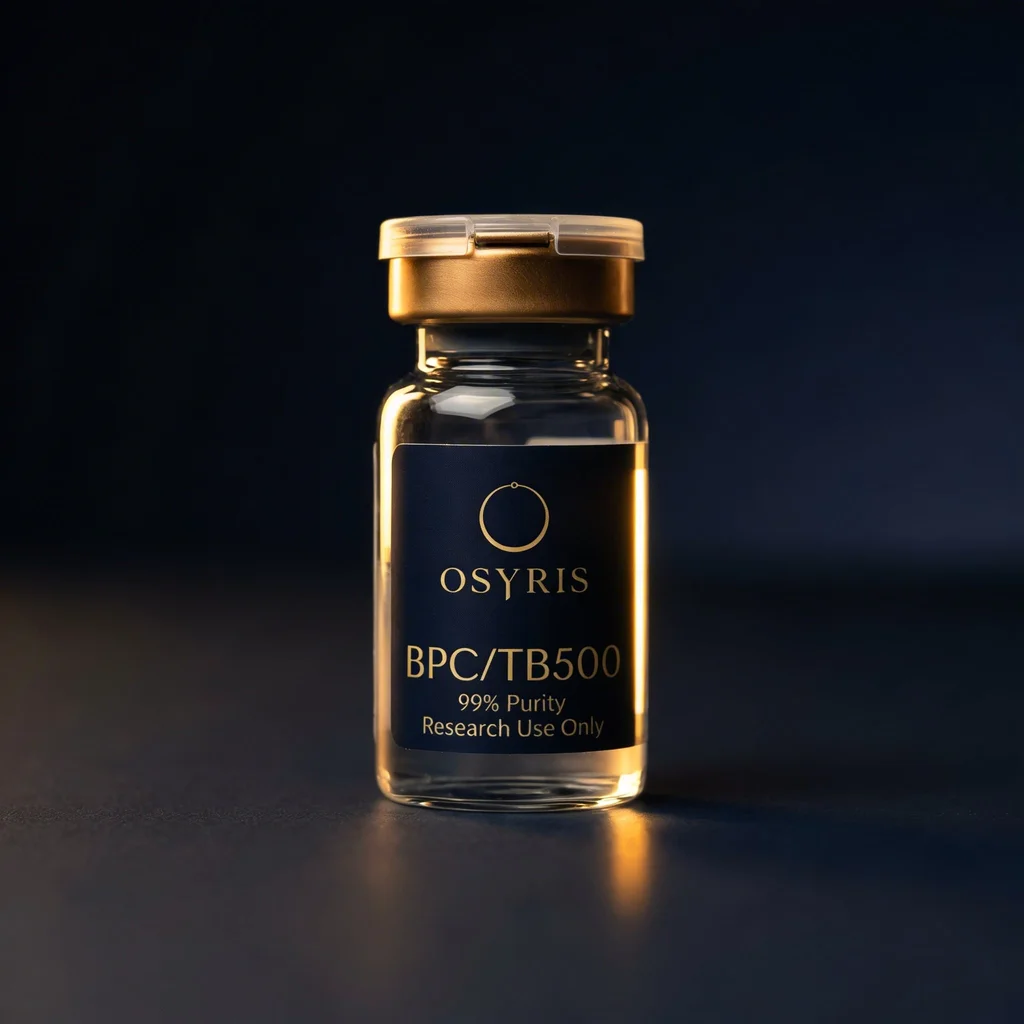
BPC/TB500 Blend fits the signaling-plus-migration logic. GLOW fits repair plus copper-linked remodeling. KLOW adds an explicit anti-inflammatory layer. CJC/Ipamorelin fits axis synergy on the growth-hormone side. Each stack has a scientific rationale, but each rationale only matters when the protocol is explicitly built around it.
Featured Links
 Research Product
BPC/TB500 Blend
Research Product
BPC/TB500 Blend
This research-only blend combines BPC-157 and TB-500, two synthetic peptides studied for their roles in tissue regeneration, cellular repair, angiogenesis, and inflammation modulation. The synergistic activity of these peptides supports their investigation across diverse biological models involving injury, oxidative stress, and vascular function. For controlled laboratory use only.
View product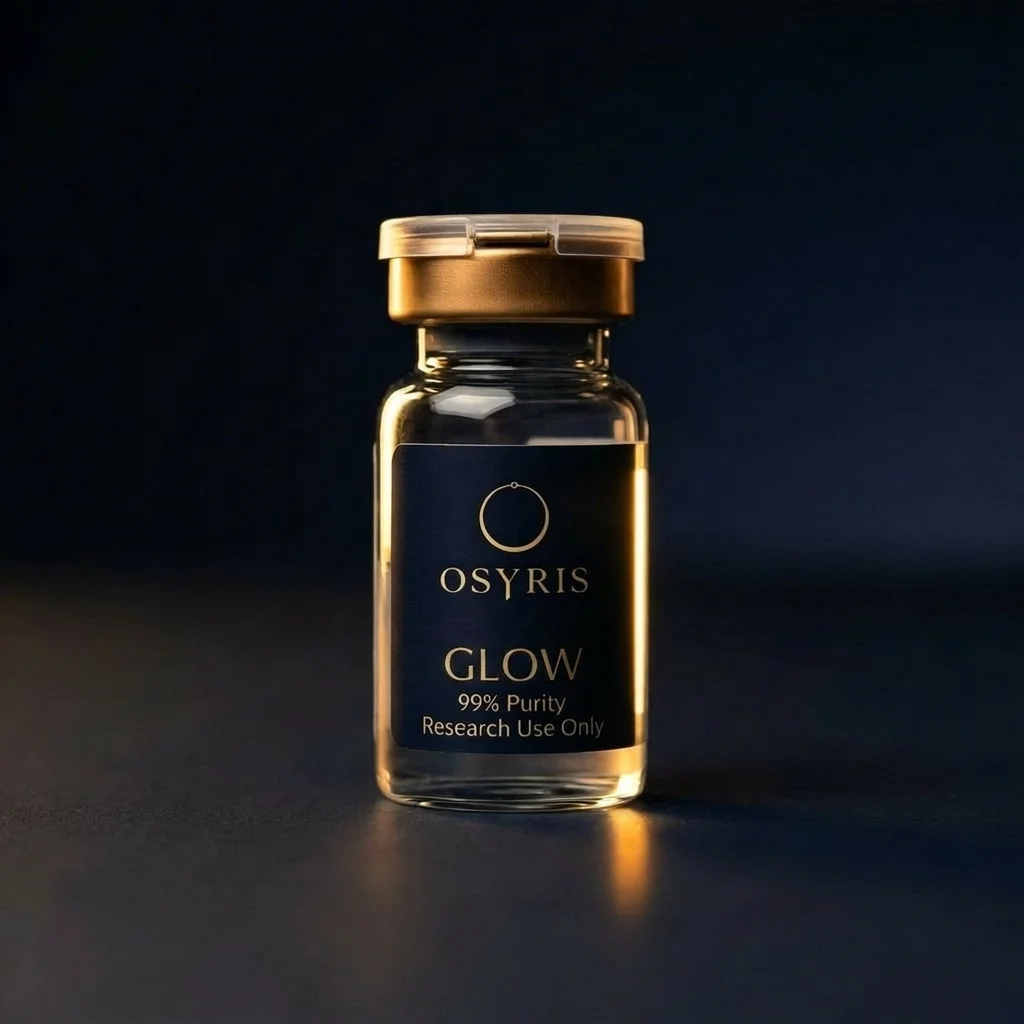 Research Product
GLOW
Research Product
GLOW
GLOW is a proprietary multi-peptide research blend composed of GHK-Cu (50MG), BPC-157 (10MG), and TB-500 (10MG), formulated for synergistic in vitro and in vivo study of cellular signaling, tissue regeneration, angiogenesis, and peptide-receptor interactions. This product is supplied as a lyophilized powder and is intended strictly for research purposes only.
View product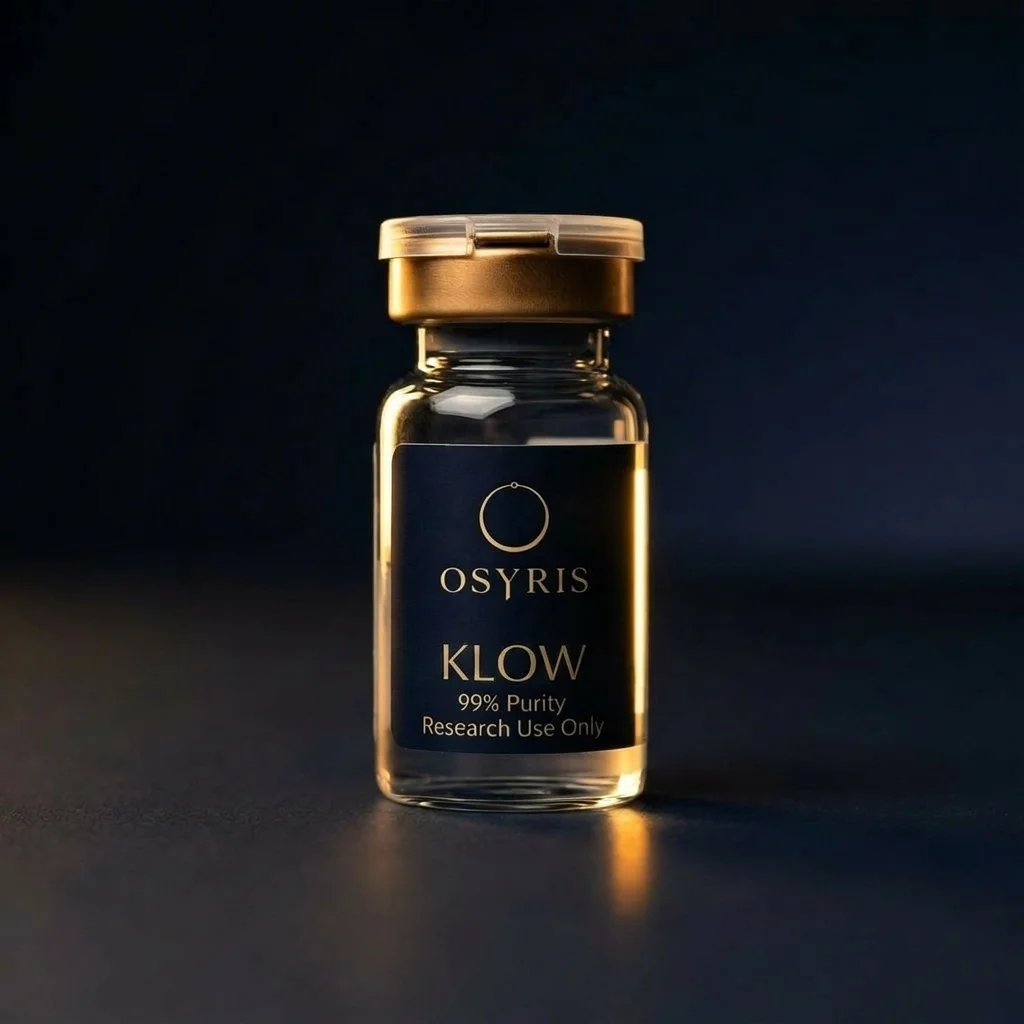 Research Product
KLOW
Research Product
KLOW
KLOW is a composite research peptide blend comprising BPC-157, thymosin beta-4, GHK-Cu and KPV. Supplied as a high-purity lyophilized powder, it supports in vitro exploration of angiogenesis, extracellular matrix turnover, cytoskeletal organization, and inflammatory signaling using complementary pathways derived from the component molecules. For laboratory research only, and controlled assays.
View product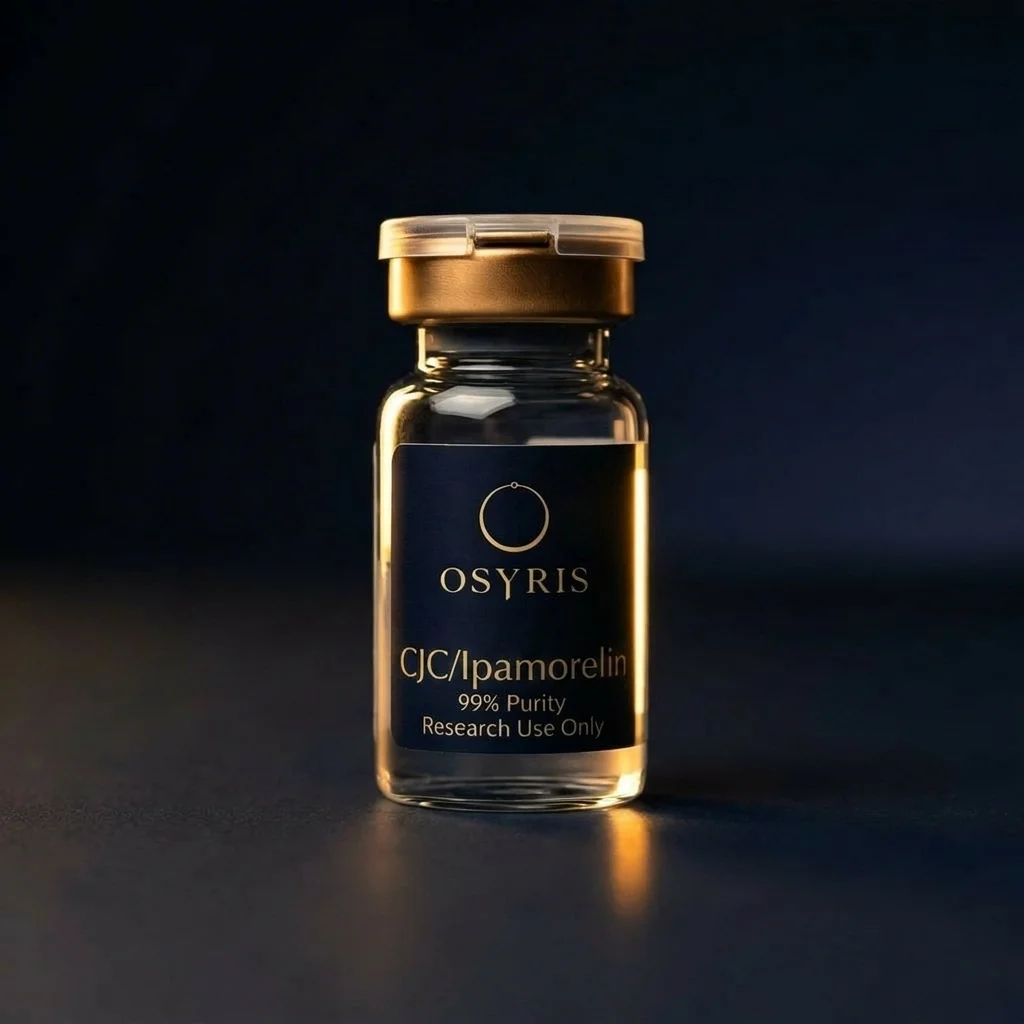 Research Product
CJC/Ipamorelin Blend
Research Product
CJC/Ipamorelin Blend
This blend combines CJC-1295 (No DAC) and Ipamorelin—two research peptides that act synergistically on the growth hormone (GH) axis. CJC-1295 stimulates GH-releasing hormone (GHRH) receptors, while Ipamorelin targets ghrelin receptors. Their combined use supports investigation into pulsatile GH secretion and downstream effects in cellular and endocrine research models.
View product Quality Framework Our StandardsReview how OSYRIS validates identity, purity, and documentation before each batch goes live.
Open →Questions
Common Questions
Are stacks always better than single compounds?
No. Stacks are better only when the protocol is genuinely multi-pathway and the added complexity is worth the tradeoff.
How do you prove synergy?
You need a design that measures the single compounds, the combination, and the expected additive baseline rather than assuming synergy from a larger signal alone.
What makes a good peptide stack?
Clear mechanistic complementarity, a justified use case, and a protocol that can still interpret the result.
When should I avoid stacks?
Avoid them when the question is mechanistic, dose-finding, or early-stage comparison work where one compound at a time will produce cleaner answers.
Can stacks still be useful in exploratory work?
Yes, especially when the goal is to test integrated biological scenarios rather than isolate one pathway.
Does OSYRIS present stack claims as proven synergy?
No. The stacks are framed as mechanistically complementary research tools, not as automatically synergistic products.