

Stack Guide
Choosing Between OSYRIS Stacks
A stack-selection guide that compares all major OSYRIS stacks by category, complexity, and the question each one is built to answer.

Start With the Research Goal
Stack selection gets easier when the first filter is the actual research goal. If the goal is recovery, the decision lives between BPC/TB500, GLOW, and KLOW. If the goal is growth-hormone-axis synergy, the decision starts and ends with CJC/Ipamorelin. Different stacks exist because different questions exist.
Complexity, Budget, and Interpretation
The next filter is complexity tolerance. Two-compound stacks are easier to interpret than four-compound stacks. Individual compounds are easier still. Budget matters too, but only after the scientific fit is clear. The cheapest protocol is not automatically the smartest one, and the most expensive one is not automatically the most sophisticated.
Choose the Simplest Viable Stack
If a two-compound design can answer the question, use it. If a four-compound design is necessary because the protocol is intentionally studying repair, copper-linked remodeling, and inflammatory context together, then KLOW earns its complexity. Stack choice should always follow the smallest design that still captures the biology you care about.
Featured Links
 Research Product
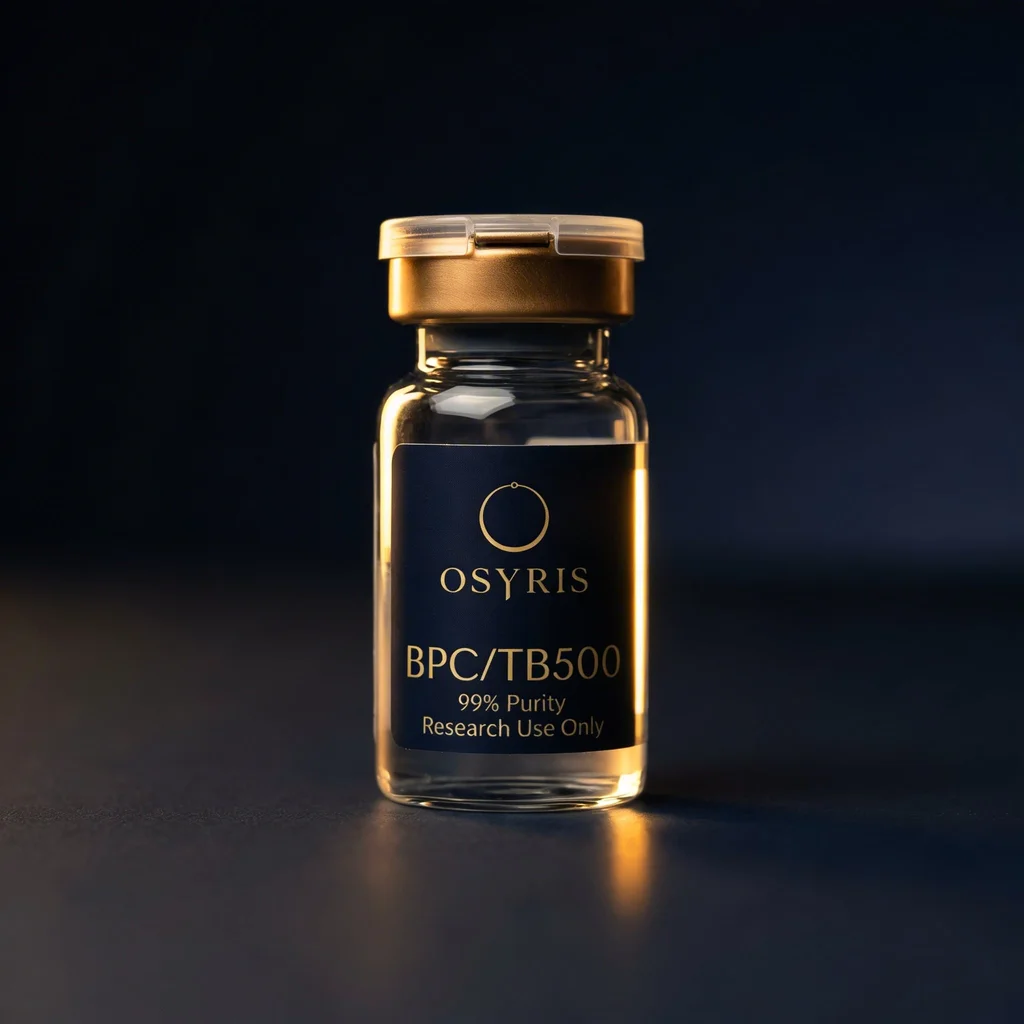
BPC/TB500 Blend
Research Product
BPC/TB500 Blend
This research-only blend combines BPC-157 and TB-500, two synthetic peptides studied for their roles in tissue regeneration, cellular repair, angiogenesis, and inflammation modulation. The synergistic activity of these peptides supports their investigation across diverse biological models involving injury, oxidative stress, and vascular function. For controlled laboratory use only.
View product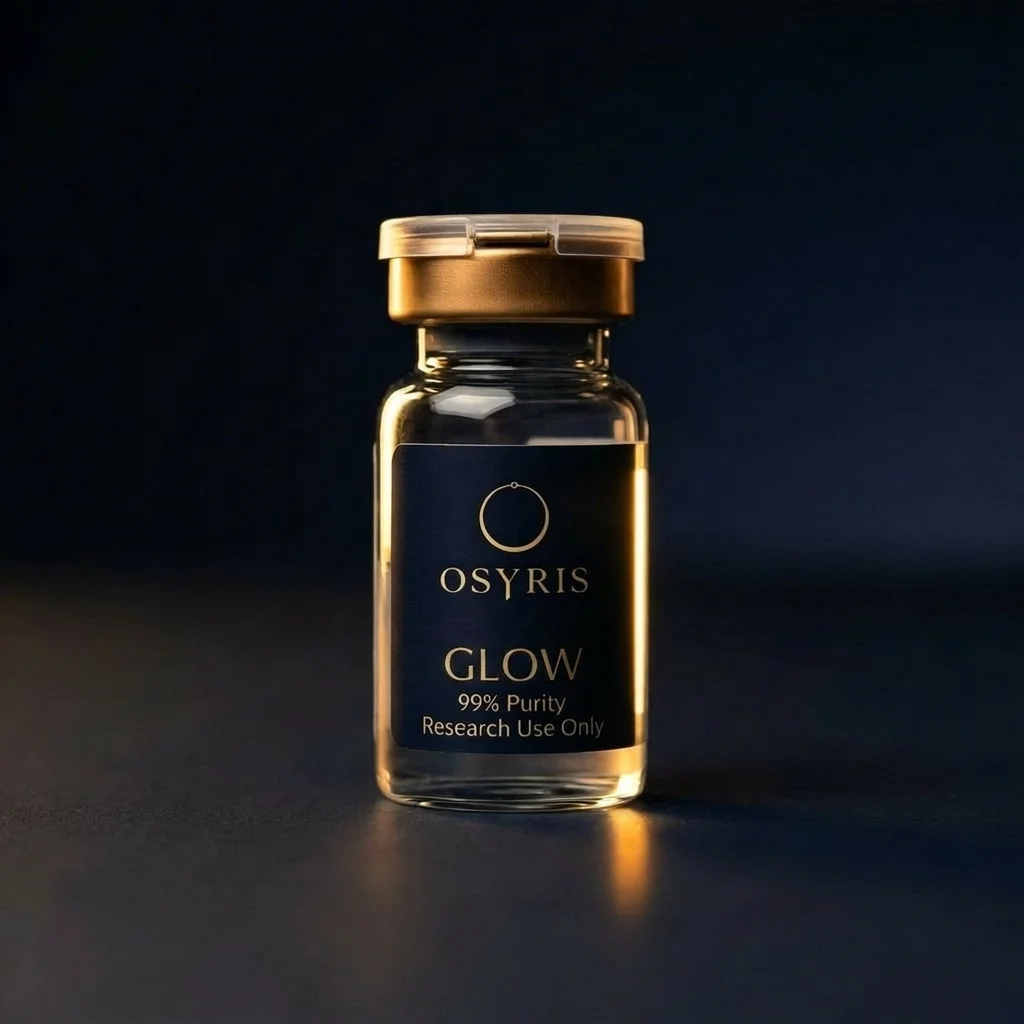 Research Product
GLOW
Research Product
GLOW
GLOW is a proprietary multi-peptide research blend composed of GHK-Cu (50MG), BPC-157 (10MG), and TB-500 (10MG), formulated for synergistic in vitro and in vivo study of cellular signaling, tissue regeneration, angiogenesis, and peptide-receptor interactions. This product is supplied as a lyophilized powder and is intended strictly for research purposes only.
View product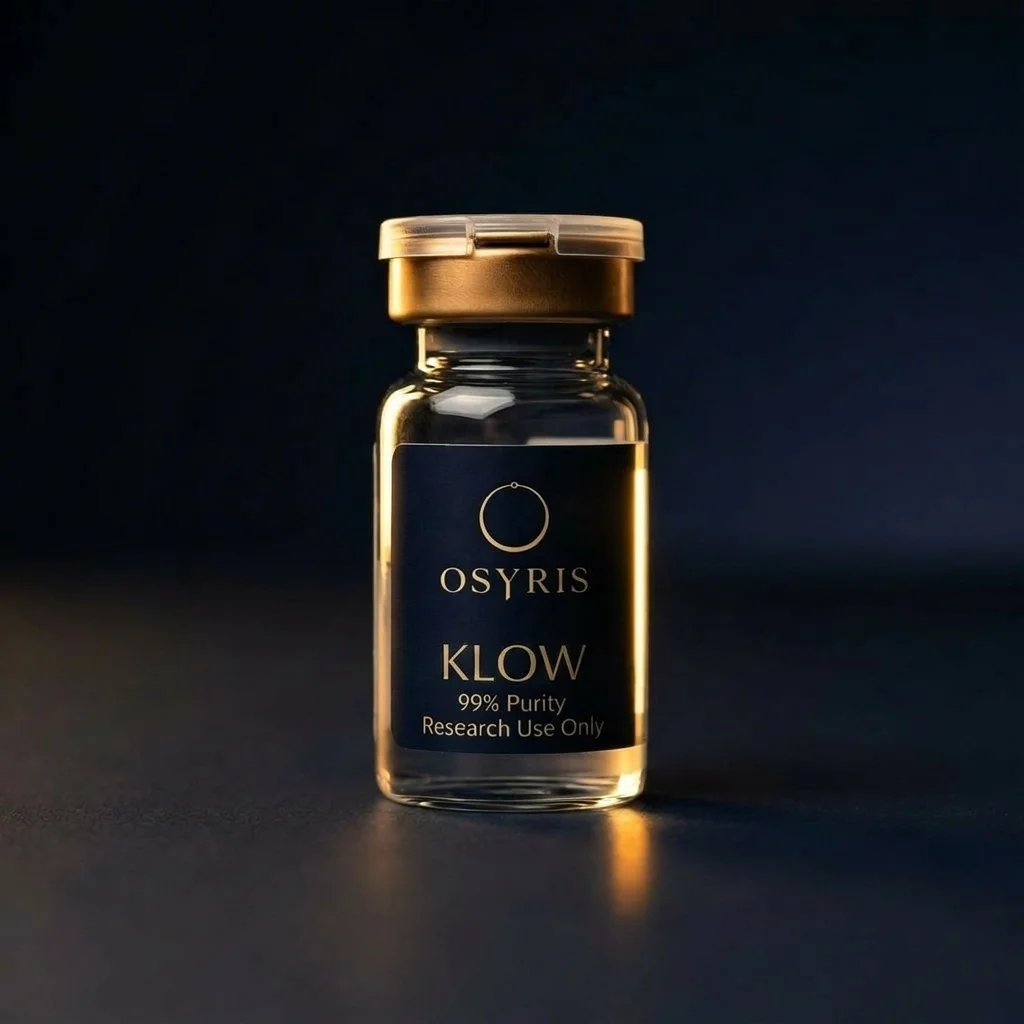 Research Product
KLOW
Research Product
KLOW
KLOW is a composite research peptide blend comprising BPC-157, thymosin beta-4, GHK-Cu and KPV. Supplied as a high-purity lyophilized powder, it supports in vitro exploration of angiogenesis, extracellular matrix turnover, cytoskeletal organization, and inflammatory signaling using complementary pathways derived from the component molecules. For laboratory research only, and controlled assays.
View product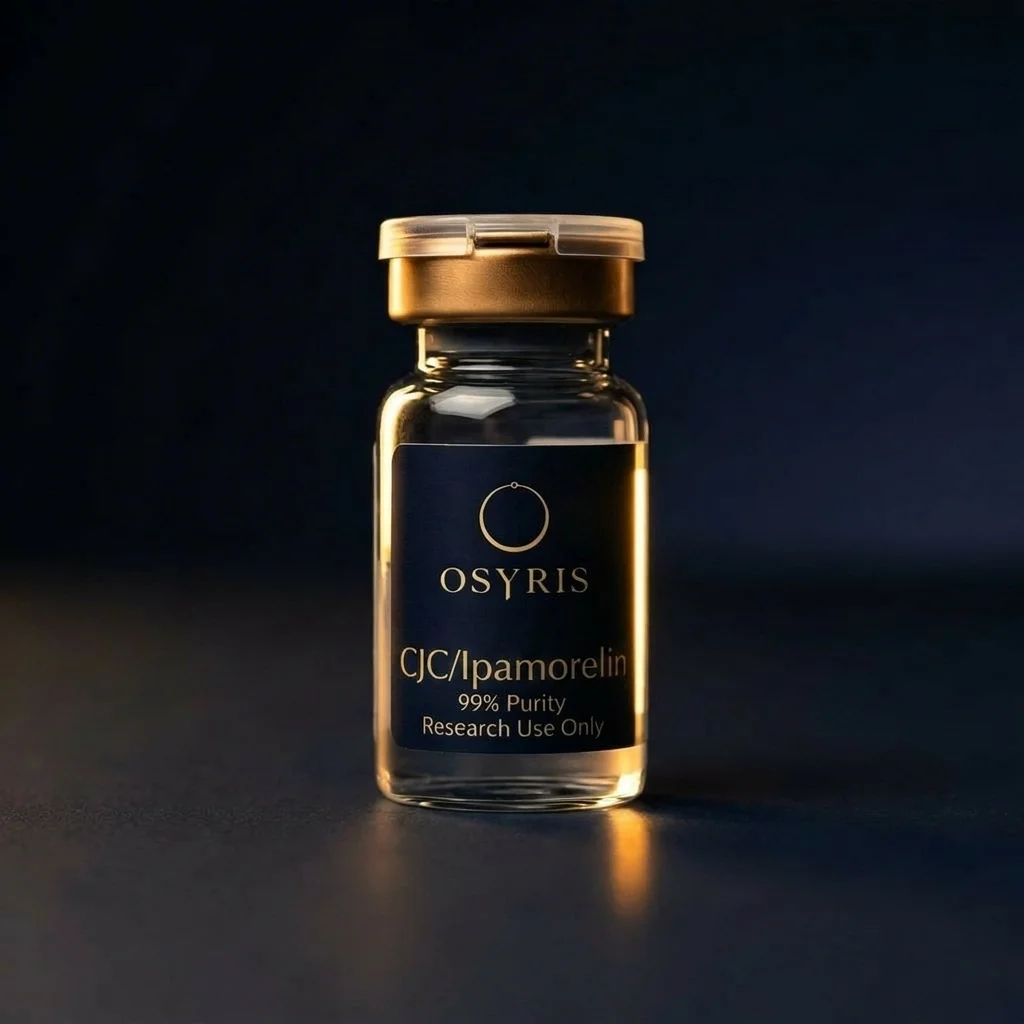 Research Product
CJC/Ipamorelin Blend
Research Product
CJC/Ipamorelin Blend
This blend combines CJC-1295 (No DAC) and Ipamorelin—two research peptides that act synergistically on the growth hormone (GH) axis. CJC-1295 stimulates GH-releasing hormone (GHRH) receptors, while Ipamorelin targets ghrelin receptors. Their combined use supports investigation into pulsatile GH secretion and downstream effects in cellular and endocrine research models.
View product Support FAQ HubUse the central FAQ page for fast answers on research use, storage, shipping, and documentation.
Open →Questions
Common Questions
What is the simplest OSYRIS stack?
BPC/TB500 Blend is the simplest stack in the recovery family because it combines two complementary compounds rather than three or four.
Which stack is best for inflammatory recovery protocols?
KLOW is the best fit when inflammatory tone is central to the recovery design.
Which stack is best for aesthetics-linked repair work?
GLOW is usually the better fit when copper-linked remodeling and aesthetics biology overlap with repair questions.
What if I only want to study one mechanism?
Then a stack is probably the wrong starting point. Single compounds usually make more sense.
When does CJC/Ipamorelin make sense?
When the protocol is built around combined GHRH and GHRP signaling rather than one side of the axis alone.
Should budget drive stack choice?
Only after the scientific fit is clear. The wrong cheaper stack is still the wrong protocol.