

Metabolic
GLP-1 vs GLP-2 vs GLP-3 — The Incretin Agonist Progression
Complete comparison of single (semaglutide), dual (tirzepatide), and triple (retatrutide) incretin agonists. Receptors, data, research applications.

The Three Levels of Incretin Agonism
The OSYRIS catalog contains all three levels of incretin receptor targeting available in current research. This is unique — no other vendor offers the complete single/dual/triple progression in research-grade format, allowing systematic comparison of what each additional receptor contributes.
What Each Receptor Adds
### GLP-1 (the foundation) The GLP-1 receptor alone provides appetite suppression (hypothalamic and brainstem), delayed gastric emptying, glucose-dependent insulin secretion, and glucagon suppression. These are well-established effects supported by extensive clinical data from the semaglutide trials.¹
### + GIP (the enhancer) Adding GIP receptor activation to GLP-1 produces: direct adipose tissue signaling (insulin sensitization in fat cells independent of weight loss), potential bone-protective effects, potential anti-nausea modulation, and clinically measurable increases in weight loss (~6 percentage points beyond GLP-1 alone).²
### + Glucagon (the metabolic accelerator) Adding glucagon receptor activation to GIP + GLP-1 introduces: hepatic fat oxidation (the liver burns more fat), increased resting energy expenditure (thermogenesis), and clinically measurable further weight loss (~3-4 percentage points beyond dual agonism in Phase 2 data).³
The Research Value of Having All Three
The scientific value of the OSYRIS GLP series is in the comparison. By testing GLP-1 (S), GLP-2 (T), and GLP-3 (R) in the same experimental model under the same conditions, researchers can isolate the contribution of each receptor:
GLP-2 (T) outcome minus GLP-1 (S) outcome = GIP receptor contribution GLP-3 (R) outcome minus GLP-2 (T) outcome = Glucagon receptor contribution
This subtractive approach is a standard pharmacological method for dissecting multi-target compounds. Having all three agonism levels from a single vendor with consistent quality ensures that differences in outcomes are attributable to receptor targets, not to compound quality variations.
Open Questions
Ceiling effect: Does the incremental benefit of each receptor continue with further additions (quadruple agonist?), or is there a point of diminishing returns?
Side effect scaling: More receptors means more potential off-target effects. Glucagon receptor activation raises blood glucose in some contexts — a potential counterproductive effect for diabetes research.
Individual variability: Not all subjects respond equally to each receptor combination. Understanding responder profiles is critical for interpreting comparative data.
Long-term outcomes: Phase 2 data for retatrutide extends only to 48 weeks. Multi-year comparative data between all three levels does not yet exist.⁴
Featured Links
 Research Product
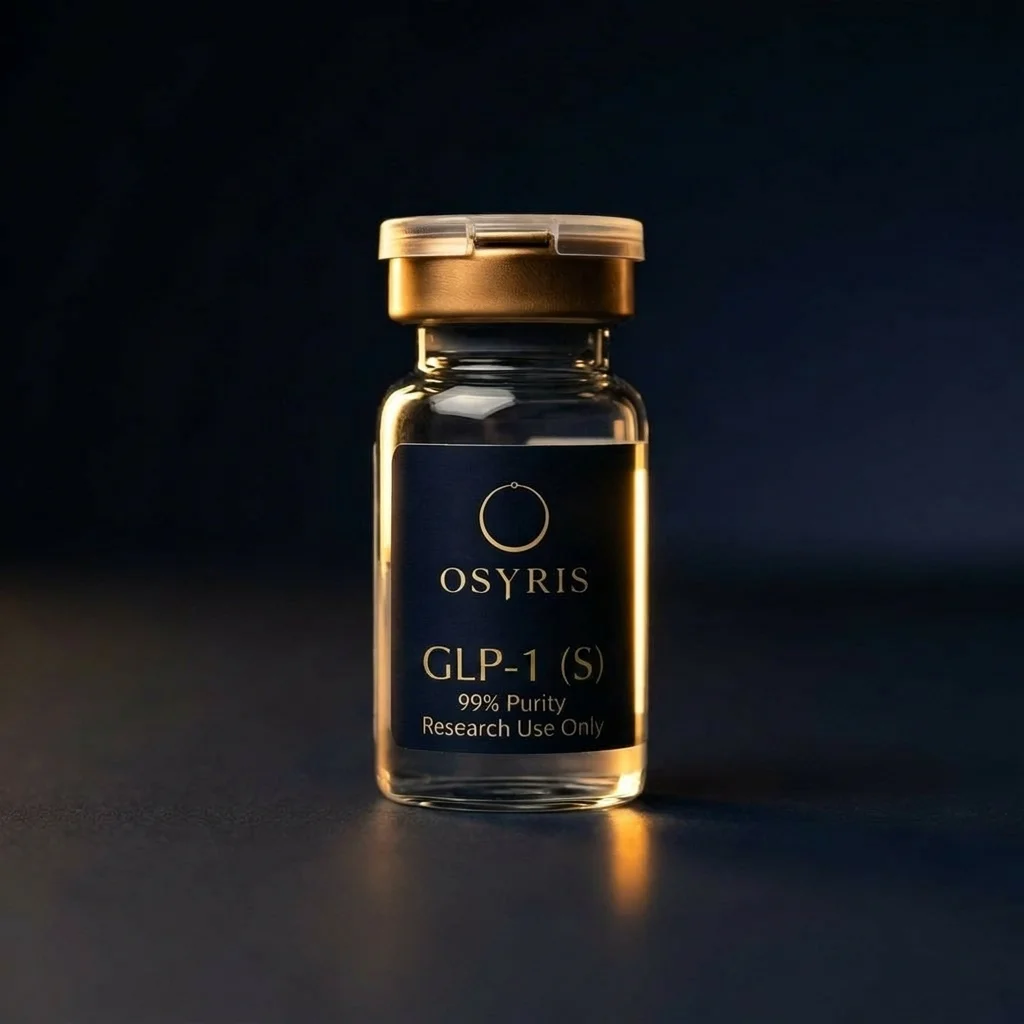
GLP-1 (S)
Research Product
GLP-1 (S)
GLP – 1 (S) is a synthetic GLP-1 receptor agonist peptide developed for the investigation of glucose regulation, insulin signaling, and appetite pathways. It is structurally modified to resist enzymatic degradation and prolong half-life. GLP – 1 (S) is supplied for controlled laboratory research and is not intended for human or veterinary use.
View product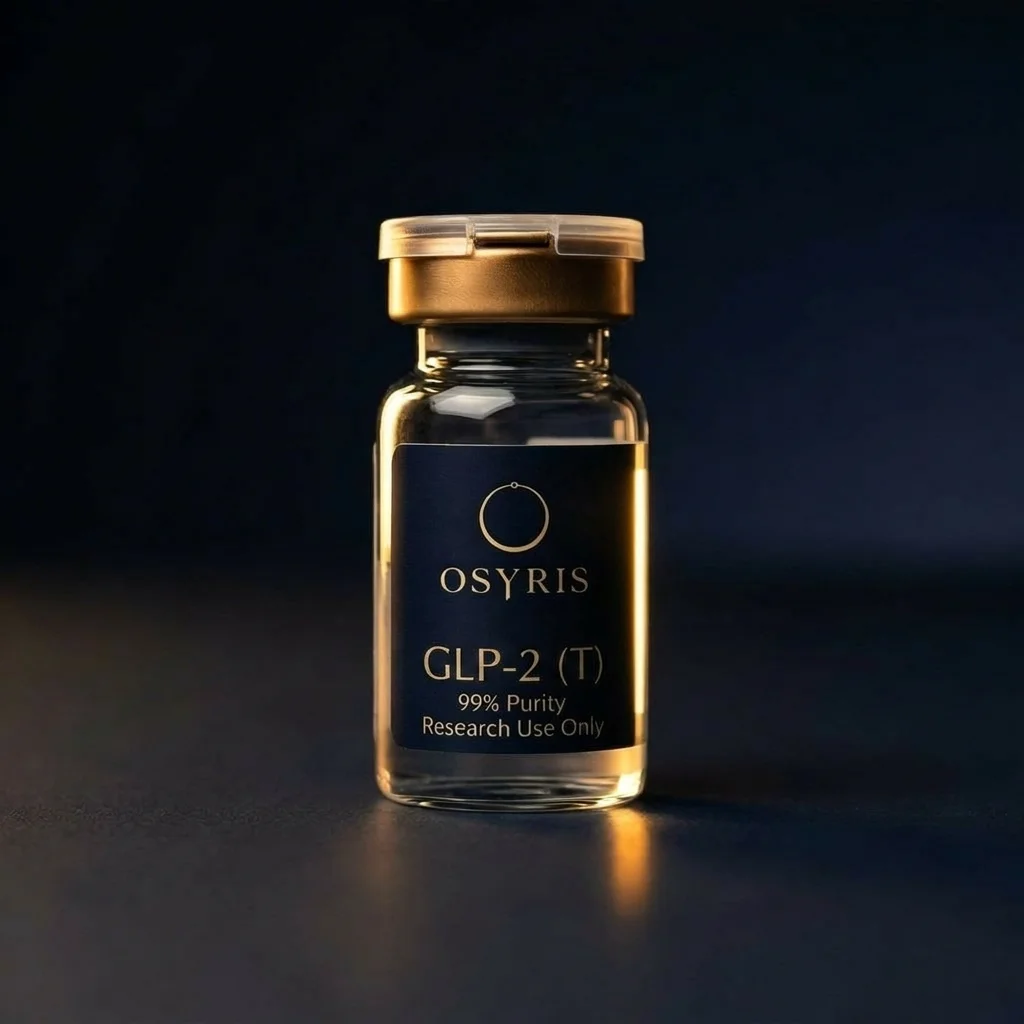 Research Product
GLP-2 (T)
Research Product
GLP-2 (T)
GLP – 2 (T) is a synthetic peptide designed as a dual agonist of GIP and GLP-1 receptors. It is studied for its effects on glycemic control, insulin signaling, and appetite regulation in metabolic research. GLP – 2 (T) is intended strictly for laboratory research use and is not approved for human or veterinary application.
View product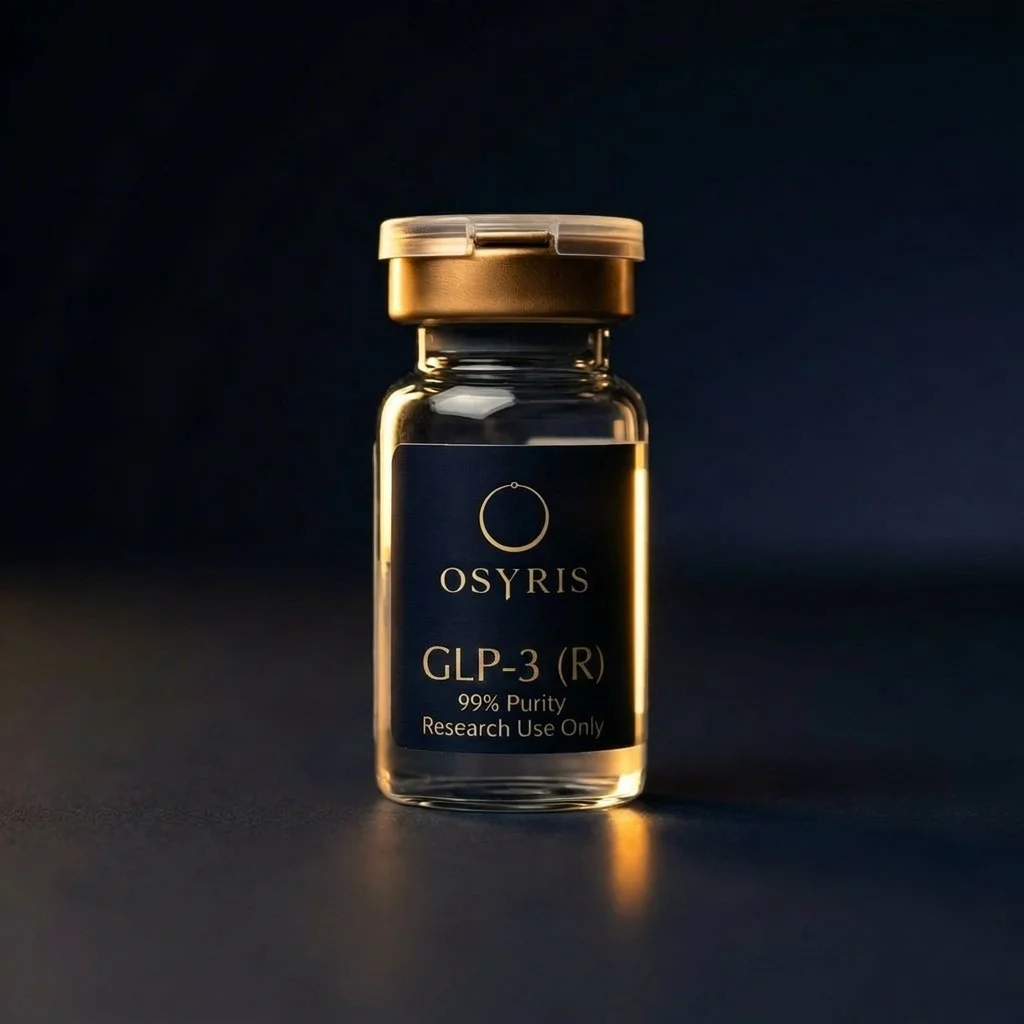 Research Product
GLP-3 (R)
Research Product
GLP-3 (R)
GLP – 3 (R) is a synthetic peptide that functions as a triple agonist of GLP-1, GIP, and glucagon receptors. It is studied in preclinical settings for its role in regulating energy balance, glucose metabolism, and lipid utilization. GLP – 3 (R) is provided exclusively for scientific research and is not approved for therapeutic use.
View productQuestions
Common Questions
Why does OSYRIS carry all three levels?
To enable systematic comparative research. By testing single, dual, and triple agonism under identical conditions, researchers can isolate the contribution of each receptor to metabolic outcomes.
Which is the "best" one?
There is no universal "best." Each level has different receptor coverage, different effect profiles, and different research applications. The choice depends on the specific research question.
Is triple always better than dual?
In clinical weight loss data, triple agonism produced the greatest reductions. But "better" depends on the endpoint. More receptors also means more pharmacological complexity and potential side effects. Whether the triple approach is optimal for all metabolic endpoints is an open question.
Are these the same as Ozempic/Mounjaro?
No. OSYRIS GLP compounds are research-grade, sold exclusively for laboratory research. They are not pharmaceutical products.
Can all three be tested in the same experiment?
Yes — that's the primary research value. Using all three from the same vendor ensures quality consistency across comparison groups.
What is a "subtractive pharmacology" approach?
Testing compounds with increasing receptor targets and attributing the incremental outcome difference to the added receptor. GLP-2 result minus GLP-1 result = GIP contribution.
Who does your testing?
An independent third-party analytical laboratory. We do not use in-house testing or accept the manufacturer's internal COA as sufficient. Every batch is tested independently before sale.
What is HPLC?
High-Performance Liquid Chromatography. It separates a sample into its components and measures the relative abundance of each. The result is a purity percentage and a chromatogram showing the separation.
What is LC-MS?
Liquid Chromatography–Mass Spectrometry. It combines HPLC separation with mass spectrometry to confirm the molecular identity of the compound — verifying that the molecule in the vial matches its label.
What purity should I expect?
OSYRIS guarantees ≥98%. Typical batch results are 99.0-99.5%. The exact purity for your batch is on the downloadable COA.
What does the COA show?
Batch number, purity percentage, observed vs expected molecular weight, HPLC chromatogram, and testing date. It is the complete analytical record for that specific production batch.
What does "GMP sourcing" mean?
Our compounds are synthesized in facilities that follow Good Manufacturing Practice protocols — standardized production procedures with quality control documentation and regular audits.
Are your products pharmaceutical grade?
No. They are research-grade — independently verified for identity and purity, suitable for laboratory research. They are not FDA-approved, cGMP pharmaceutical-grade, or USP reference standard products.
What if a batch fails testing?
We don't sell it. If a batch tests below 98% purity, it is rejected. Our purity guarantee means we replace any product that tests below threshold at no cost to the customer.
Is OSYRIS Health a pharmacy?
No. OSYRIS is not a pharmacy, and we do not dispense prescription medications. We sell research-grade compounds intended for laboratory research only.
Where are your products manufactured?
Our compounds are sourced from GMP-certified synthesis facilities. Every batch is independently tested by a third-party analytical laboratory before sale. See our Standards page for full details.
Can anyone purchase from OSYRIS?
Purchases are available to qualified researchers in the contiguous United States. All buyers must acknowledge our research-use terms at checkout, including that products are for laboratory research only and not for human or veterinary use.
How can I contact OSYRIS?
Email [support email] for product questions, order inquiries, or COA requests.
References
- Wilding JPH, et al. "Semaglutide for obesity (STEP-1)." New England Journal of Medicine, 2021. PMID 33567185
- Frias JP, et al. "Tirzepatide vs semaglutide (SURPASS-2)." New England Journal of Medicine, 2021. PMID 34170647
- Jastreboff AM, et al. "Retatrutide for obesity." New England Journal of Medicine, 2023. PMID 37351564
- Day JW, et al. "GLP-1/glucagon co-agonism." Molecular Metabolism, 2022. PMID 35331970