

Metabolic
Metabolic Peptides — Incretin Agonism, Fat Metabolism, and Exercise Mimetics
Complete guide to metabolic research compounds. Incretin agonists, lipolysis, AMPK, exercise mimetics. Single/dual/triple agonism compared.

Three Approaches to Metabolic Research
The OSYRIS Metabolic category is the largest in the catalog with 6 primary compounds (plus cross-listings). These compounds fall into three distinct pharmacological approaches:
Approach 1: Incretin Receptor Agonism
| Compound | Receptors | Class | Clinical Weight Loss |
|---|---|---|---|
| GLP-1 (S) | GLP-1 | Semaglutide class | ~15% (STEP) |
| GLP-2 (T) | GIP + GLP-1 | Tirzepatide class | ~21% (SURMOUNT) |
| GLP-3 (R) | GIP + GLP-1 + Glucagon | Retatrutide class | ~24% (Phase 2) |
| Cagrilinitide | Amylin | Amylin agonist | Studied in combination |
The incretin progression is OSYRIS's most distinctive offering. No other vendor provides all three agonism levels (single, dual, triple) plus amylin agonism in research-grade format. This enables systematic subtractive pharmacology: testing each level under identical conditions to isolate the contribution of each additional receptor.
The key insight: Each receptor adds qualitatively different metabolic effects, not just more of the same:
- GLP-1 alone: appetite suppression + insulin secretion + gastric slowing
- + GIP: adipose tissue insulin sensitization + potential bone protection + anti-nausea
- + Glucagon: hepatic fat oxidation + thermogenesis + energy expenditure increase
Cagrilinitide represents a fourth pathway (amylin) that modulates appetite through brainstem circuits distinct from GLP-1's hypothalamic mechanisms. It's studied both alone and in combination with GLP-1 agonists.
Approach 2: Direct Fat Metabolism
AOD-9604 takes a completely different approach to metabolic research. Rather than modulating appetite through receptor signaling, it directly stimulates fat breakdown (lipolysis) and inhibits fat formation (lipogenesis) in adipose tissue. It's the C-terminal fragment of growth hormone — the specific piece responsible for GH's fat-metabolizing effects, isolated from all other GH activities.
What makes this approach distinct: AOD-9604 doesn't affect appetite, insulin, glucose, or IGF-1. It's a direct intervention on fat tissue metabolism through beta-3 adrenergic receptors. This makes it a clean tool for studying fat metabolism independent of appetite and glucose variables.
Approach 3: Exercise-Mimetic Metabolism
SLU-PP-32 and MOTS-C (cross-listed from Longevity) represent pharmacological tools for studying exercise-induced metabolic adaptation without physical activity:
- SLU-PP-32 activates ERR (estrogen-related receptors) — nuclear receptors that drive exercise-induced gene expression programs including mitochondrial biogenesis and fatty acid oxidation.
- MOTS-C activates AMPK — the cell's energy sensor that triggers the metabolic cascade normally activated by exercise.
Different targets (ERR vs AMPK), same research question: which exercise benefits are mediated by each specific pathway?
The Complete Metabolic Research Toolkit
| Research Question | Best Compound(s) |
|---|---|
| GLP-1-specific effects | GLP-1 (S) |
| What does GIP add to GLP-1? | GLP-1 (S) vs GLP-2 (T) |
| What does glucagon add? | GLP-2 (T) vs GLP-3 (R) |
| Full incretin comparison | All three + Cagrilinitide |
| Direct fat metabolism (no appetite variable) | AOD-9604 |
| AMPK-mediated exercise effects | MOTS-C |
| ERR-mediated exercise effects | SLU-PP-32 |
| Exercise mimetic comparison | MOTS-C vs SLU-PP-32 |
Evidence Strength by Compound
The Metabolic category has the widest range of evidence quality in the OSYRIS catalog:
Strongest evidence: GLP-1 (S), GLP-2 (T) — backed by extensive Phase 3 clinical trials with thousands of participants. These have the most robust human data of any compounds OSYRIS sells.
Moderate evidence: GLP-3 (R) — Phase 2 clinical data (smaller sample sizes, shorter duration). AOD-9604 — Phase 2 trial data (safety confirmed, efficacy equivocal). Cagrilinitide — Phase 2 data in combination studies.
Early evidence: SLU-PP-32 — preclinical with limited published data. MOTS-C — growing preclinical data from one primary laboratory.
Researchers should calibrate their expectations to the evidence level of each compound.
Featured Links
 Primary Compound
GLP – 1 (S)
Primary Compound
GLP – 1 (S)
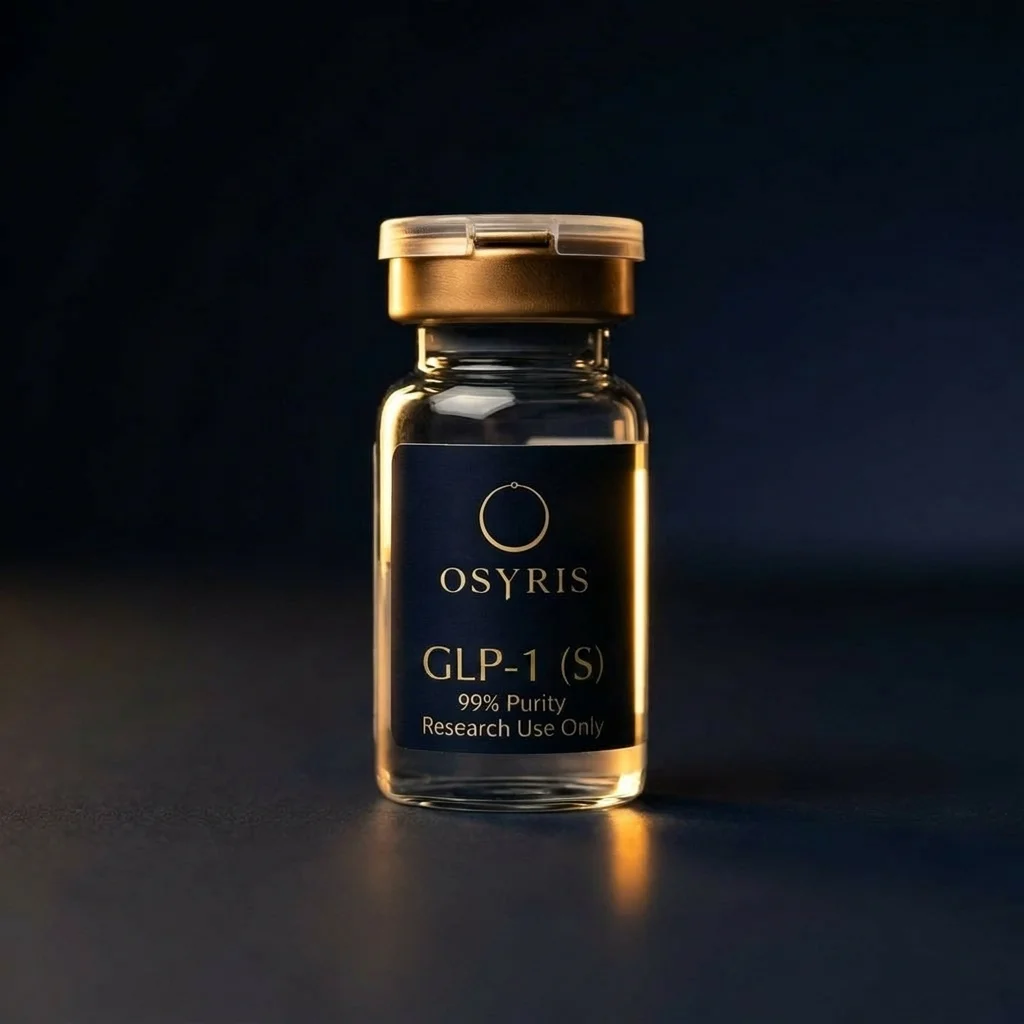
GLP – 1 (S) is a synthetic GLP-1 receptor agonist peptide developed for the investigation of glucose regulation, insulin signaling, and appetite pathways. It is structurally modified to resist enzymatic degradation and prolong half-life. GLP – 1 (S) is supplied for controlled laboratory research and is not intended for human or veterinary use.
View →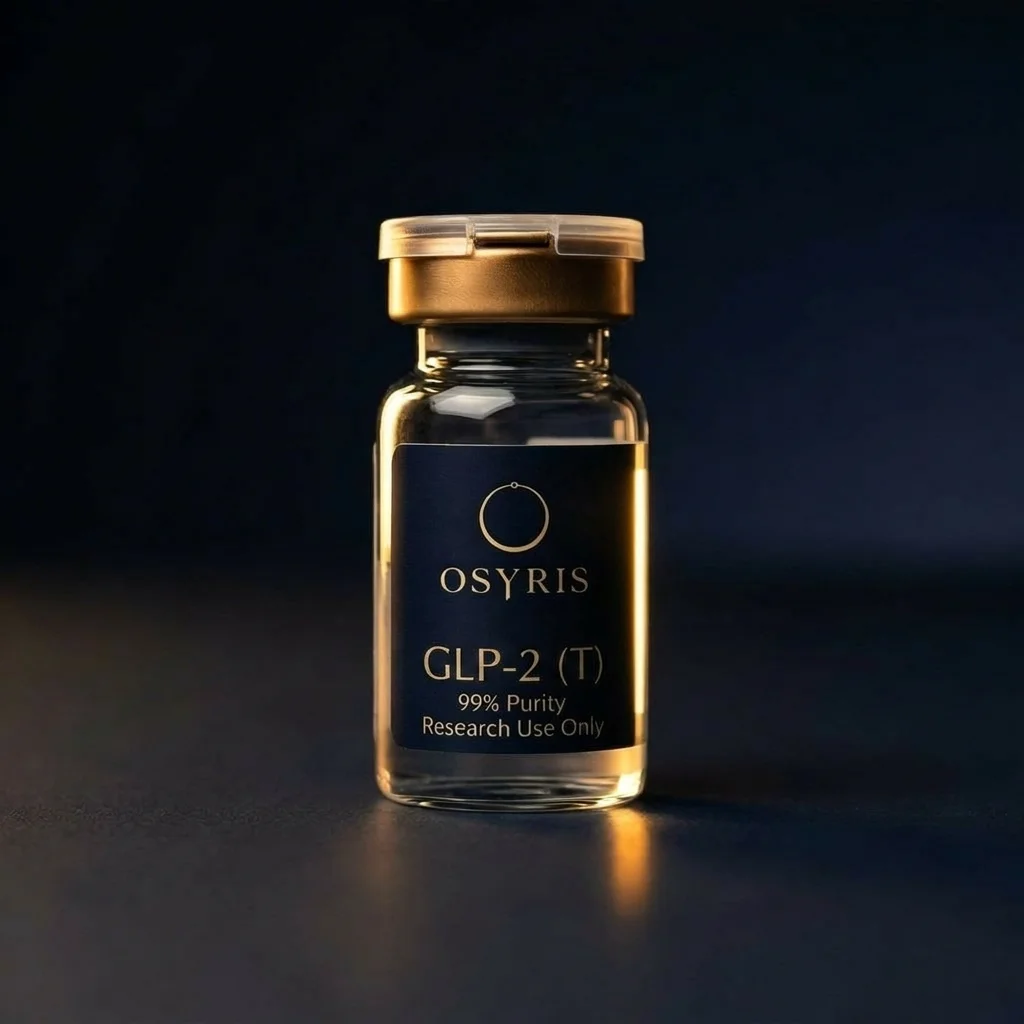 Primary Compound
GLP – 2 (T)
Primary Compound
GLP – 2 (T)
GLP – 2 (T) is a synthetic peptide designed as a dual agonist of GIP and GLP-1 receptors. It is studied for its effects on glycemic control, insulin signaling, and appetite regulation in metabolic research. GLP – 2 (T) is intended strictly for laboratory research use and is not approved for human or veterinary application.
View →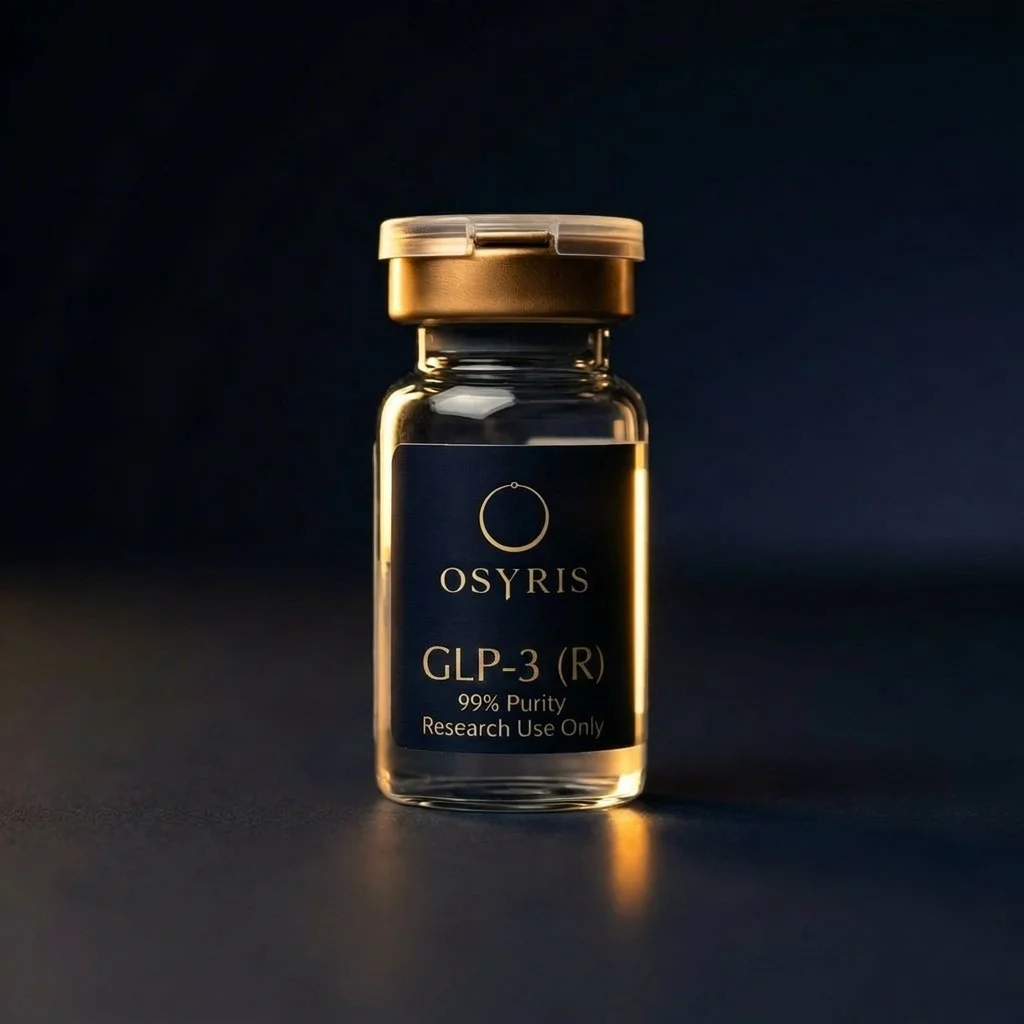 Primary Compound
GLP – 3 (R)
Primary Compound
GLP – 3 (R)
GLP – 3 (R) is a synthetic peptide that functions as a triple agonist of GLP-1, GIP, and glucagon receptors. It is studied in preclinical settings for its role in regulating energy balance, glucose metabolism, and lipid utilization. GLP – 3 (R) is provided exclusively for scientific research and is not approved for therapeutic use.
View → Primary Compound
Cagrilinitide
Primary Compound
Cagrilinitide
Cagrilinitide is a synthetic, long-acting peptide analogue of amylin developed for research applications. It incorporates targeted amino acid substitutions and fatty acid acylation to enhance molecular stability and receptor interaction duration. This compound is supplied exclusively for laboratory research and experimental investigation.
View →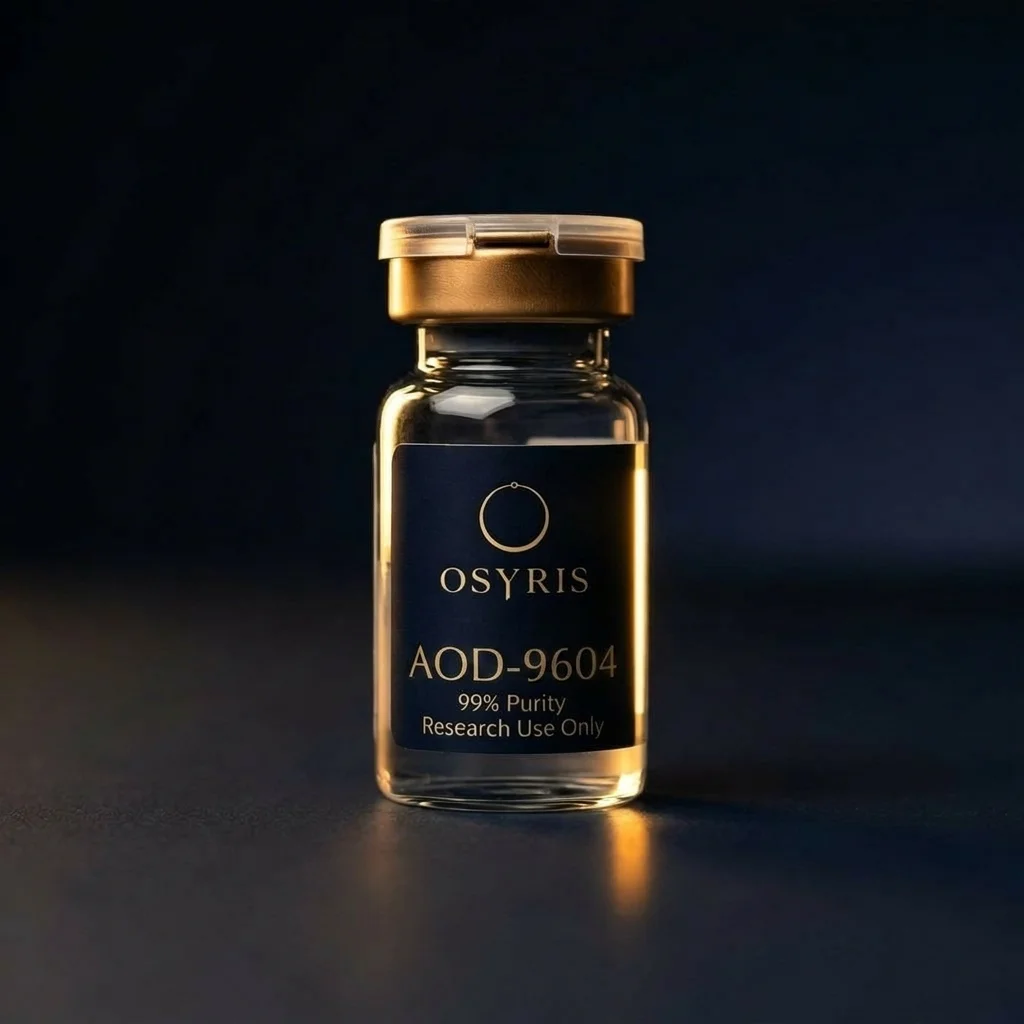 Primary Compound
AOD-9604
Primary Compound
AOD-9604
AOD-9604 is a synthetic peptide fragment of human growth hormone (hGH), comprising amino acids 176–191. Designed to focus on fat metabolism without affecting IGF-1 or glucose levels, it is widely studied in metabolic and obesity-related research. AOD-9604 is intended exclusively for controlled laboratory use in scientific research.
View →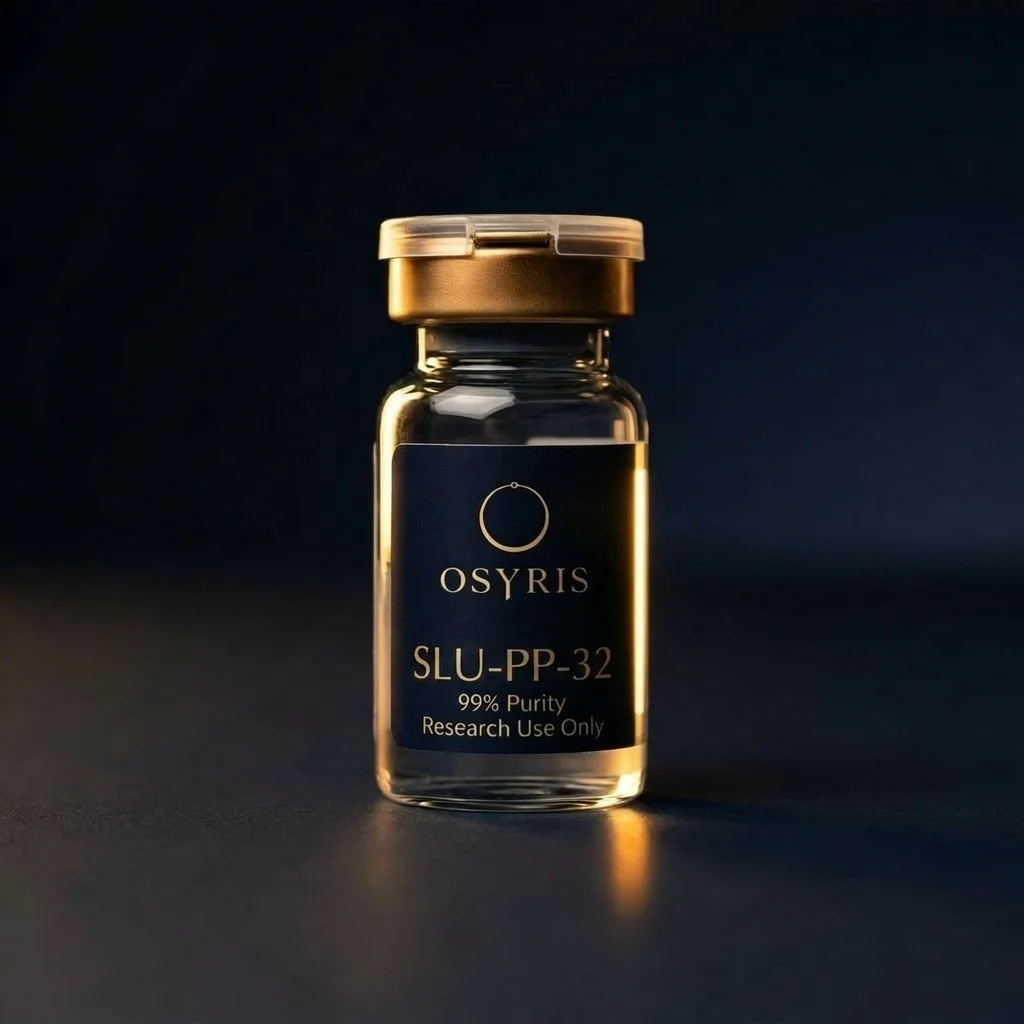 Primary Compound
SLU-PP-32
Primary Compound
SLU-PP-32
SLU-PP-32 is offered as an experimental ligand within the emerging family of estrogen-related receptor (ERR) agonist tool compounds. It is strictly for exploratory research on nuclear receptor signaling, mitochondrial regulation, and oxidative metabolism.
View →Questions
Common Questions
Which metabolic compound has the strongest evidence?
GLP-1 (S) and GLP-2 (T) have extensive Phase 3 clinical trial data. GLP-3 (R) has Phase 2 data. AOD-9604 has Phase 2 data. MOTS-C and SLU-PP-32 are preclinical only.
Why does OSYRIS carry all three GLP levels?
To enable systematic comparison of single, dual, and triple incretin agonism. This subtractive pharmacology approach isolates each receptor's contribution to metabolic outcomes.
Is AOD-9604 competing with GLP-1 agonists?
No. Completely different mechanisms. GLP-1 agonists work through appetite/insulin signaling. AOD-9604 works through direct adipose tissue lipolysis. They target different pathways and can theoretically be studied in combination.
What is an exercise mimetic?
A compound that activates some of the same metabolic pathways as exercise. MOTS-C (AMPK) and SLU-PP-32 (ERR) are exercise mimetics. They don't replace exercise — they help researchers study which exercise benefits are pathway-specific.
Are OSYRIS GLP compounds the same as Ozempic/Mounjaro?
No. OSYRIS compounds are research-grade for laboratory use. They share the same receptor targets as the pharmaceutical versions but are not pharmaceutical products.
Can different metabolic approaches be combined?
Scientifically, yes — they target non-overlapping pathways. The CagriSema program (amylin + GLP-1) is an example of clinical combination research. Preclinical combination studies using OSYRIS compounds are a valid research approach.