

Metabolic
AOD-9604 — Isolating the Fat-Burning Fragment of Growth Hormone
AOD-9604 growth hormone fragment research overview. Lipolysis, anti-lipogenesis, cartilage research, metabolic safety. PubMed cited.

The Selectivity Principle
The most important thing about AOD-9604 is what it doesn't do. Full-length human growth hormone (191 amino acids) has wide-ranging biological effects: it promotes linear growth, stimulates IGF-1 production, increases insulin resistance, alters glucose metabolism, promotes lipolysis, and affects virtually every tissue in the body. For researchers interested specifically in GH-mediated fat metabolism, these other effects are confounding variables.
AOD-9604 is the solution to this problem. It is the C-terminal fragment of growth hormone (amino acids 177-191) — specifically the region that Professor Frank Ng at Monash University identified as responsible for GH's lipolytic activity. By isolating this fragment, researchers gained a tool that stimulates fat breakdown without triggering IGF-1 production, insulin resistance, growth stimulation, or organ hypertrophy.¹
This selectivity has been confirmed repeatedly. Multiple studies have demonstrated that AOD-9604 does not raise IGF-1 levels, does not affect blood glucose or insulin sensitivity, does not stimulate linear growth in juvenile animal models, and does not alter organ weights. It specifically and selectively promotes lipolysis and inhibits lipogenesis.²
The Lipolysis Mechanism
AOD-9604 stimulates lipolysis in adipose tissue through activation of the beta-3 adrenergic receptor pathway. This triggers hormone-sensitive lipase (HSL) to release fatty acids from stored triglycerides in adipocytes. The released fatty acids enter the bloodstream and are available for oxidation (energy production) in muscle and other tissues.
Research in obese Zucker rats — a genetic model of obesity — demonstrated that chronic AOD-9604 administration reduced body fat percentage without affecting food intake, lean mass, or growth rate. The selectivity for fat mass reduction without lean mass loss is a key finding.³
An additional anti-lipogenic effect has been documented: AOD-9604 reduces the activity of lipogenic enzymes (fatty acid synthase, acetyl-CoA carboxylase), inhibiting the synthesis of new fat. This dual action — promoting breakdown of existing fat while inhibiting creation of new fat — represents a different approach from compounds that only affect one side of fat metabolism.
The Cartilage Surprise
An unexpected research direction emerged when AOD-9604 demonstrated activity in cartilage models. Studies in rabbit and rat models of cartilage injury showed that AOD-9604 promoted chondrocyte proliferation and stimulated proteoglycan synthesis. This finding led to regulatory pathway development in Australia, where an AOD-9604-containing product was investigated for osteoarthritis applications.⁴
The cartilage research connects back to growth hormone biology — GH plays an established role in cartilage maintenance — but the specific mechanism by which the C-terminal fragment affects chondrocytes is distinct from its lipolytic mechanism. This suggests AOD-9604 has multiple downstream effects beyond the beta-3 adrenergic pathway.
The Clinical Data
AOD-9604 is one of the few research peptides with published Phase 2 clinical trial data. An oral AOD-9604 study in overweight individuals (published in the International Journal of Obesity) examined multiple doses over 12 weeks. The trial confirmed the safety profile — no effects on IGF-1, insulin, glucose, or cortisol — but the primary efficacy endpoint (weight loss) was not met at the doses tested.⁵
The clinical result has been interpreted two ways. Critics note that the trial didn't show statistically significant weight loss. Proponents note that the oral delivery route may have been suboptimal for a peptide fragment, that the doses may have been insufficient, and that the safety confirmation (no metabolic side effects) remains valuable regardless of the efficacy outcome.
Featured Links
 Research Product
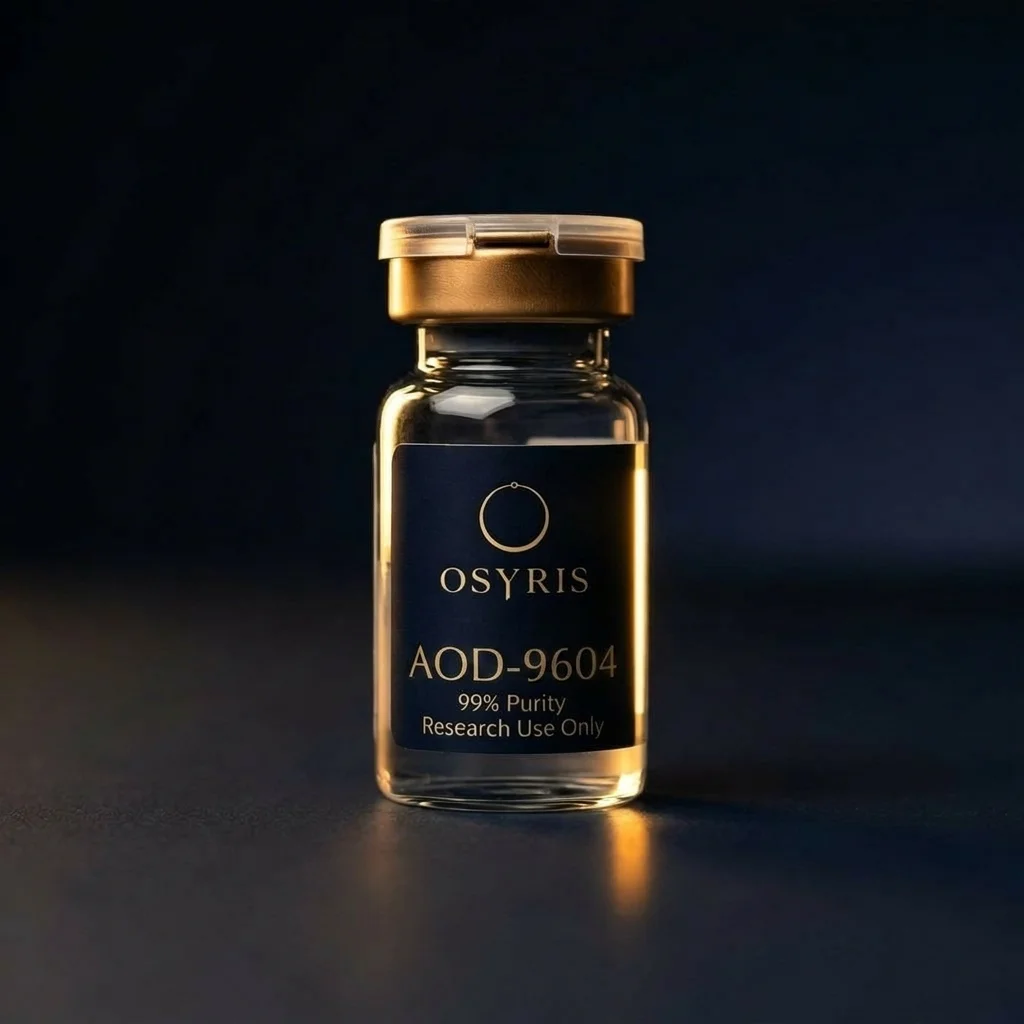
AOD-9604
Research Product
AOD-9604
AOD-9604 is a synthetic peptide fragment of human growth hormone (hGH), comprising amino acids 176–191. Designed to focus on fat metabolism without affecting IGF-1 or glucose levels, it is widely studied in metabolic and obesity-related research. AOD-9604 is intended exclusively for controlled laboratory use in scientific research.
View product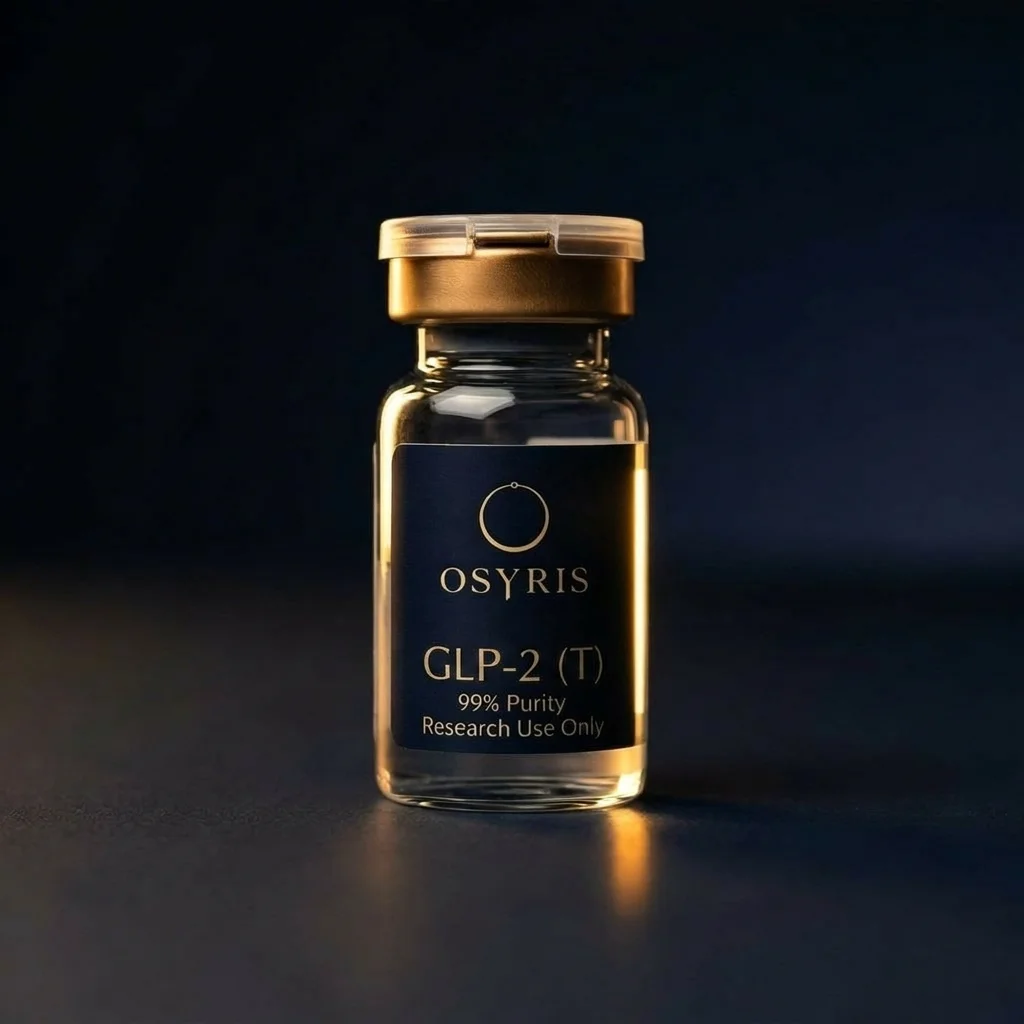 Research Product
GLP-2 (T)
Research Product
GLP-2 (T)
GLP – 2 (T) is a synthetic peptide designed as a dual agonist of GIP and GLP-1 receptors. It is studied for its effects on glycemic control, insulin signaling, and appetite regulation in metabolic research. GLP – 2 (T) is intended strictly for laboratory research use and is not approved for human or veterinary application.
View product Research Product
Tesamorelin
Research Product
Tesamorelin
Tesamorelin is a synthetic analog of growth hormone-releasing hormone (GHRH) composed of 44 amino acids. It is studied for its role in stimulating endogenous growth hormone (GH) release via pituitary GHRH receptors. Tesamorelin is used exclusively for controlled scientific research and is not approved for therapeutic or diagnostic use.
View productQuestions
Common Questions
What makes AOD-9604 different from HGH?
AOD-9604 is 15 amino acids from the C-terminus of the 191-amino-acid GH molecule. It retains fat-metabolizing activity but does not stimulate IGF-1, affect insulin/glucose, or promote growth. It's the fat-specific fragment.
Was the clinical trial a failure?
The primary weight loss endpoint wasn't met, but the safety data (no metabolic side effects) was confirmed. Whether the trial's dose or oral delivery route was suboptimal is debated.
Why does AOD-9604 affect cartilage?
The mechanism isn't fully understood. GH plays a role in cartilage biology, and the C-terminal fragment appears to retain some cartilage-relevant signaling. This was an unexpected finding that led to separate clinical investigation.
Does AOD-9604 raise IGF-1?
No. Multiple studies have confirmed no effect on IGF-1 levels — this is one of the compound's defining characteristics.
Why is AOD-9604 in the Metabolic category?
Its primary research application is fat metabolism (lipolysis + anti-lipogenesis), not growth hormone secretion.
How does AOD-9604 compare to GLP-1 agonists for metabolism research?
Completely different mechanisms. GLP-1 agonists work through incretin receptors (appetite, insulin, gastric emptying). AOD-9604 works through beta-3 adrenergic receptors in adipose tissue (direct lipolysis). They target different pathways.
References
- Ng FM, et al. "Metabolic effects of human GH C-terminal fragment." Endocrinology, 2000. PMID 10875258
- Heffernan MA, et al. "AOD9604 in obese mice and beta-3AR knockout mice." Endocrinology, 2001. PMID 11606459
- Heffernan MA, et al. "AOD9604 reduces body fat in obese Zucker rats." Obesity Research, 2001.
- Fong CY, et al. "Human GH C-terminal fragment promotes cartilage repair." Osteoarthritis and Cartilage, 2010.
- Thompson G, et al. "Oral AOD-9604 Phase IIb study." International Journal of Obesity, 2004.