

Roundup
Best Peptides for Tissue Repair Research
A category-wide comparison of the main compounds used in tissue repair research, from single compounds to multi-mechanism stacks.

The Tissue Repair Research Toolkit
Tissue repair is the most crowded peptide category because it asks a biologically messy question. Recovery involves blood flow, inflammatory tone, extracellular matrix turnover, fibroblast movement, and local signaling all at once. That is why the best tissue repair peptide depends less on hype and more on which layer of the repair process your protocol is actually trying to isolate.
BPC-157, TB500, GHK-Cu, and the OSYRIS repair stacks all show up for different reasons. Some are used to study broad growth-factor and vascular signaling. Some are used to study cell migration and remodeling. Some become more interesting when researchers want to model multi-pathway repair rather than single-mechanism effects.
Evidence Strength Ranking
- TB500 / Thymosin Beta-4 — the broadest international preclinical evidence base, including cardiac and tissue remodeling work.
- BPC-157 — deep single-laboratory evidence across vascular, gastrointestinal, and repair-signaling models.
- GHK-Cu — strong collagen and gene-expression relevance, especially when the protocol is skin- or matrix-focused.
- KPV / immune-linked stacks — strongest when inflammation control is part of the recovery question rather than the only endpoint.
The ranking changes when the protocol becomes more specific. If the question is GI cytoprotection, BPC-157 climbs. If the question is cardiac remodeling or cell migration, TB500 becomes more attractive. If the question is collagen or dermal remodeling, GHK-Cu deserves a dedicated lane.
When to Use a Single Compound vs a Stack
Single-compound protocols are the cleanest way to study mechanism. They help answer whether one molecule changes migration, angiogenesis, or remodeling on its own. Stacks make more sense when the protocol is about complementarity: signaling plus migration, repair plus inflammation control, or repair plus copper-linked gene-expression effects.
That is the logic behind the progression from BPC-157 or TB500 alone, to BPC/TB500 Blend, to GLOW, and then to KLOW. Each step adds another layer of biology, but it also adds interpretive complexity. The smartest protocol is usually the simplest one that still answers the question.
Featured Links
 Research Product
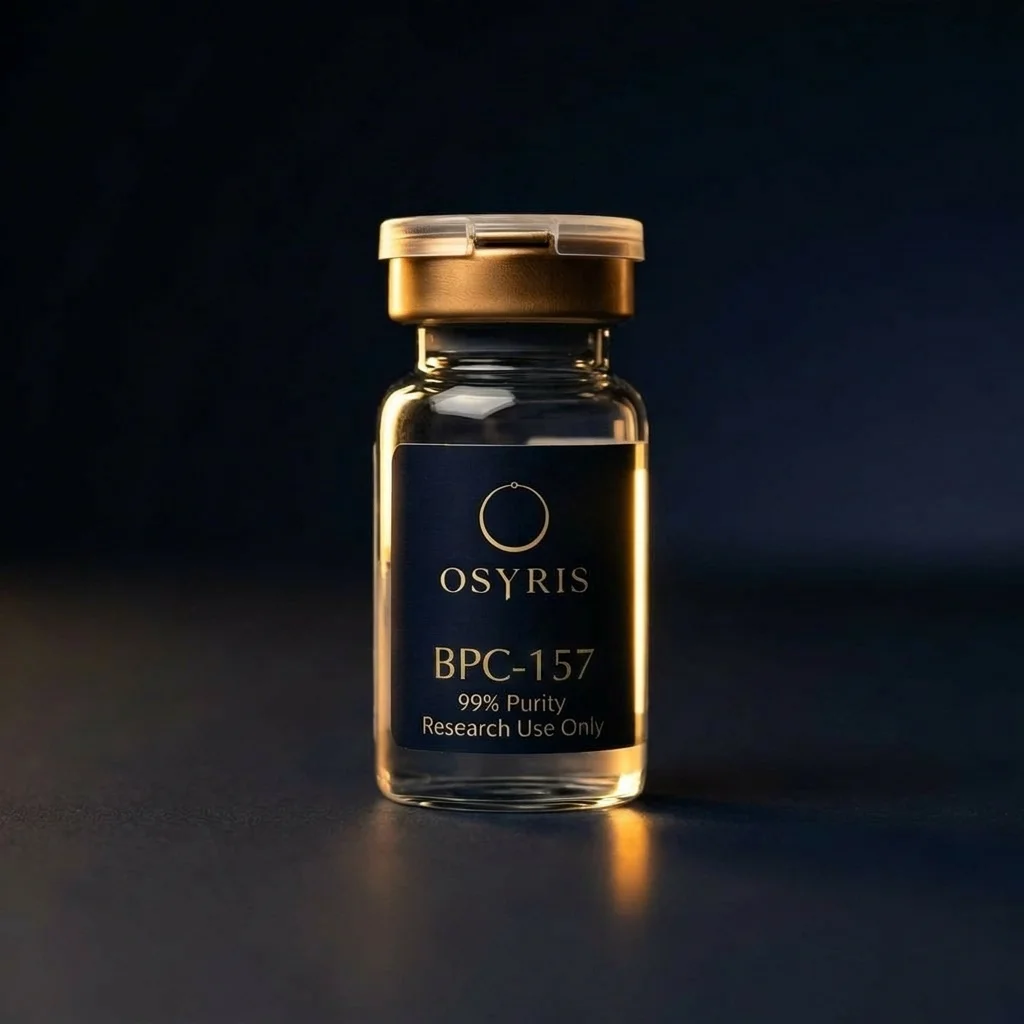
BPC-157
Research Product
BPC-157
BPC-157 is a synthetic pentadecapeptide derived from a protective protein found in the gastric mucosa. Structurally stable and water-soluble, it is widely studied for its potential role in cellular signaling, tissue regeneration, and inflammation models. BPC-157 is intended solely for laboratory and in vitro research purposes.
View product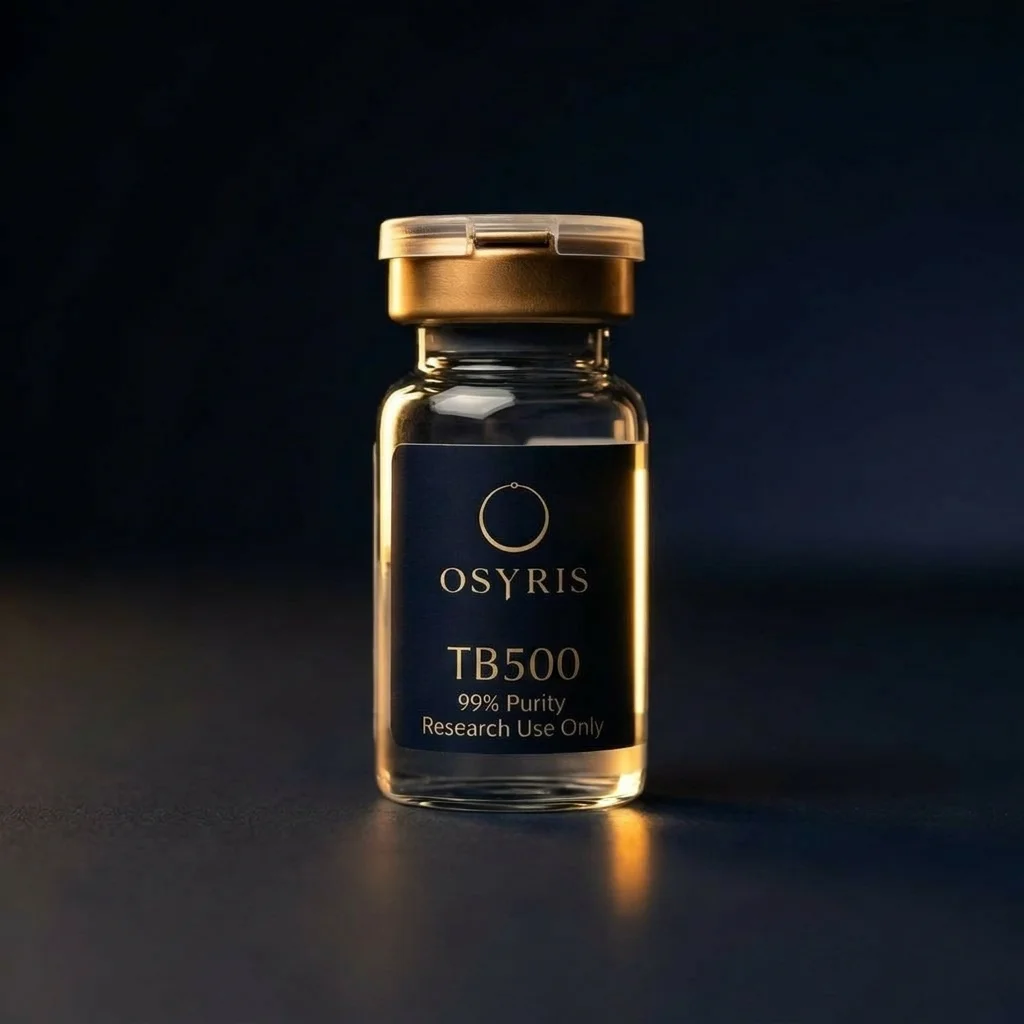 Research Product
TB500
Research Product
TB500
TB500 refers to research-grade thymosin beta-4–derived peptide material used to study actin binding, cell migration, angiogenesis, and tissue remodeling pathways. It is suited for in vitro and in vivo models investigating cytoskeletal regulation and repair-associated signaling, without any approved therapeutic designation.
View product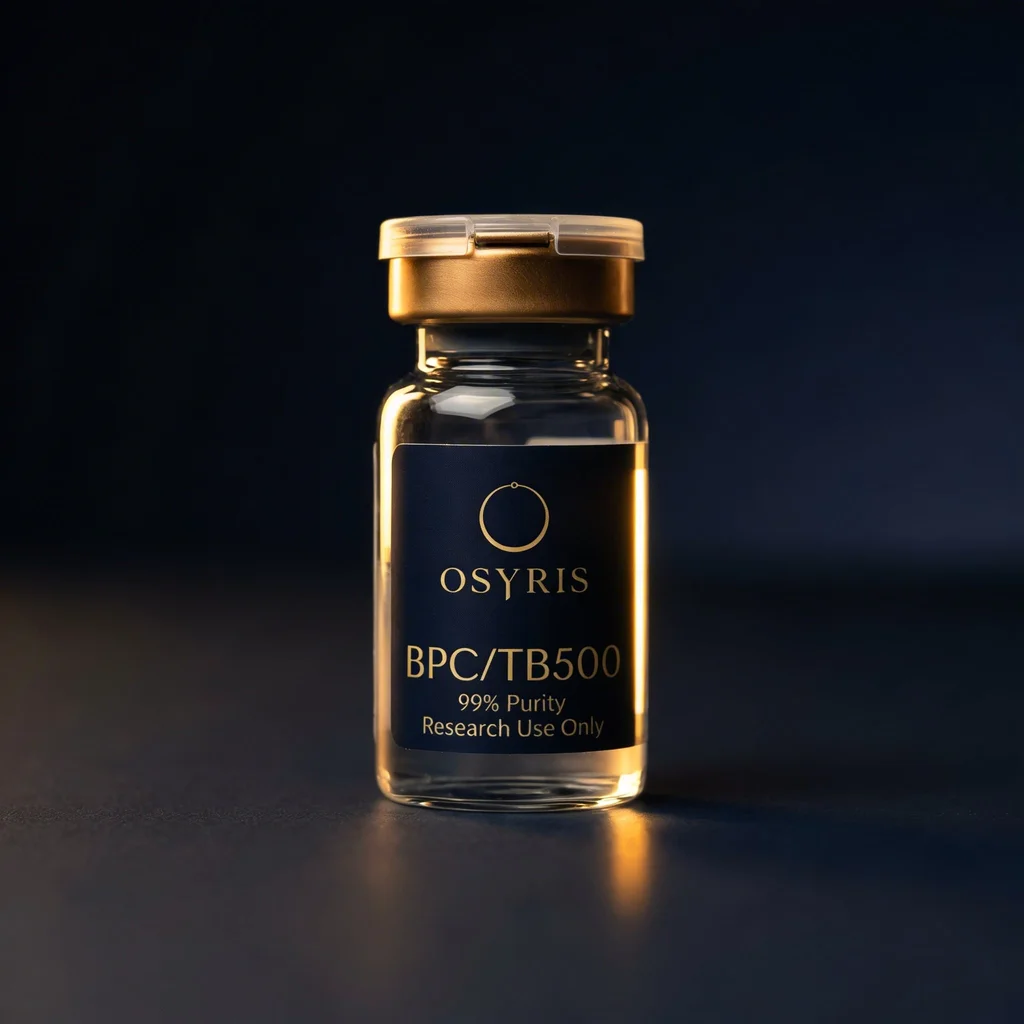 Research Product
BPC/TB500 Blend
Research Product
BPC/TB500 Blend
This research-only blend combines BPC-157 and TB-500, two synthetic peptides studied for their roles in tissue regeneration, cellular repair, angiogenesis, and inflammation modulation. The synergistic activity of these peptides supports their investigation across diverse biological models involving injury, oxidative stress, and vascular function. For controlled laboratory use only.
View product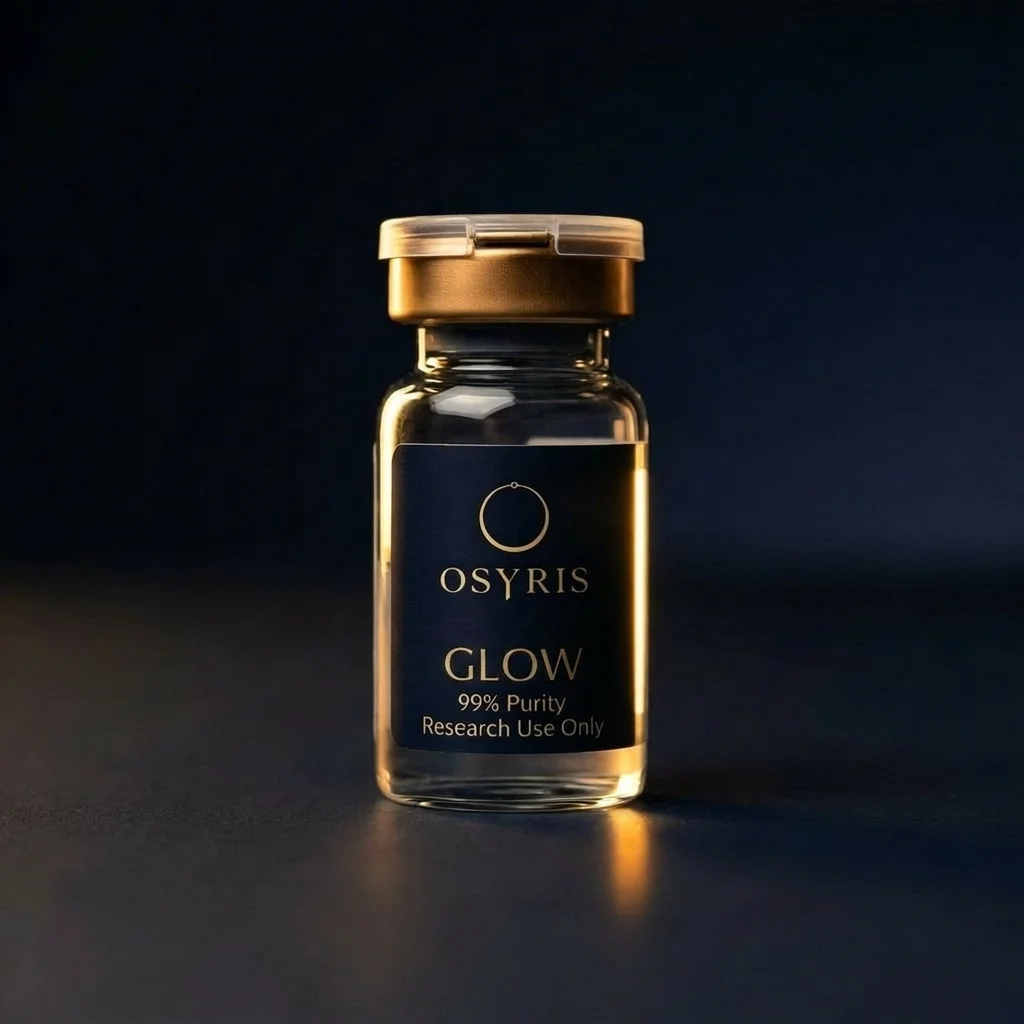 Research Product
GLOW
Research Product
GLOW
GLOW is a proprietary multi-peptide research blend composed of GHK-Cu (50MG), BPC-157 (10MG), and TB-500 (10MG), formulated for synergistic in vitro and in vivo study of cellular signaling, tissue regeneration, angiogenesis, and peptide-receptor interactions. This product is supplied as a lyophilized powder and is intended strictly for research purposes only.
View product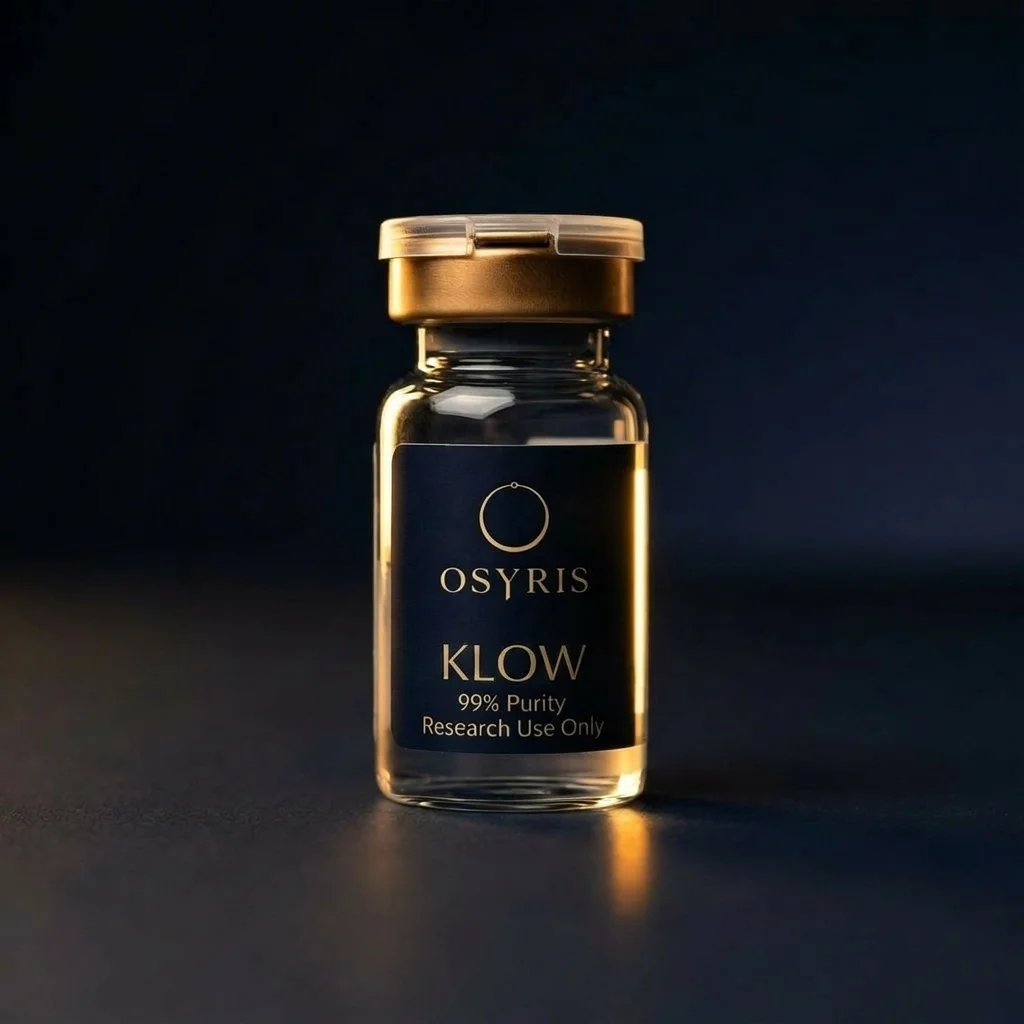 Research Product
KLOW
Research Product
KLOW
KLOW is a composite research peptide blend comprising BPC-157, thymosin beta-4, GHK-Cu and KPV. Supplied as a high-purity lyophilized powder, it supports in vitro exploration of angiogenesis, extracellular matrix turnover, cytoskeletal organization, and inflammatory signaling using complementary pathways derived from the component molecules. For laboratory research only, and controlled assays.
View product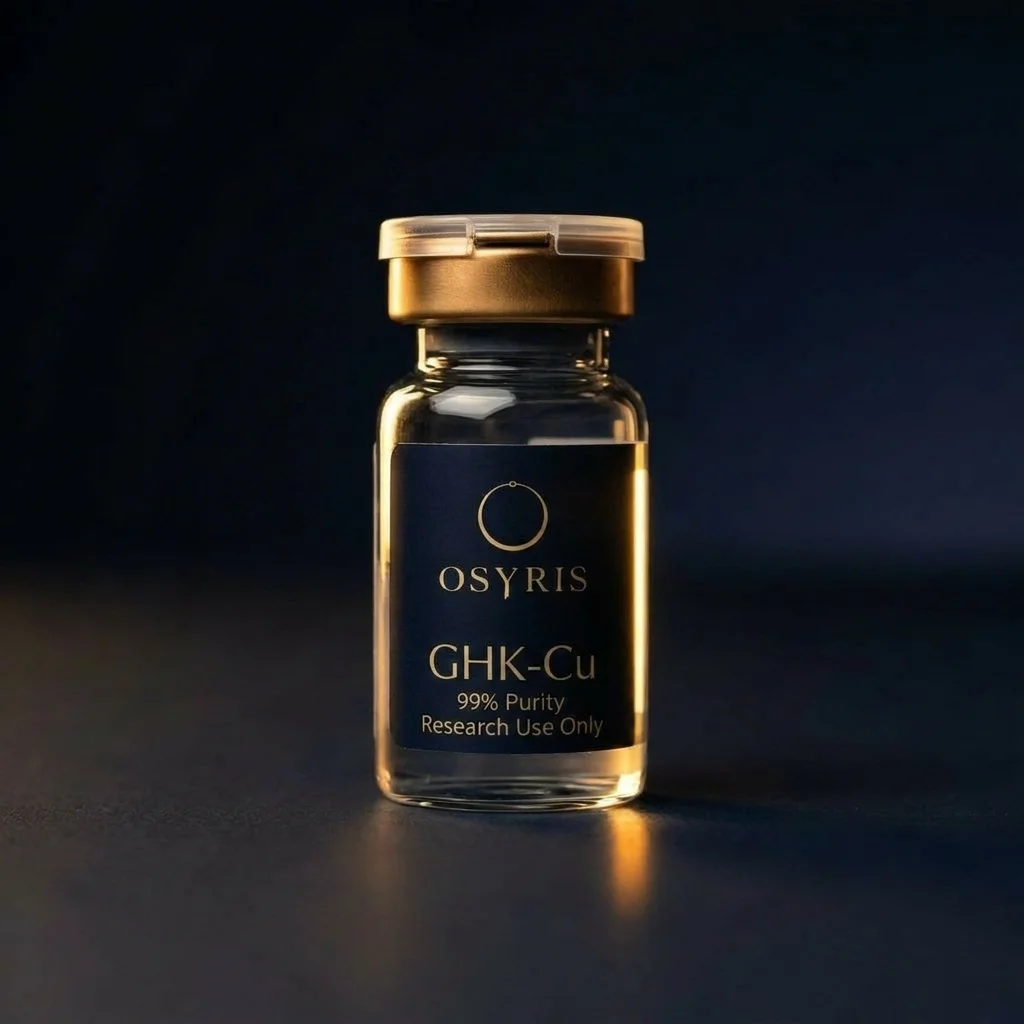 Research Product
GHK-Cu
Research Product
GHK-Cu
GHK-Cu is the copper(II) complex of glycyl-L-histidyl-L-lysine. It is widely used in vitro to study copper transport, redox balance, extracellular matrix regulation, and gene expression signatures related to tissue remodeling and cellular stress responses.
View productQuestions
Common Questions
Which tissue repair peptide has the most evidence?
TB500 has the broadest multi-lab preclinical footprint, while BPC-157 has one of the deepest single-laboratory evidence bases in recovery research.
Is BPC-157 the same as TB500?
No. They are different compounds that appear in overlapping recovery discussions for different mechanistic reasons.
When does the BPC/TB500 Blend make sense?
It makes sense when the experiment is intentionally studying complementary repair pathways rather than isolating one compound at a time.
What if the protocol is mostly about inflammation?
Then KPV, KLOW, VIP, or a more immune-centered design may be better than a pure repair-first protocol.
Which compound is most relevant for GI repair models?
BPC-157 is the compound most closely associated with GI and barrier-related repair work in the literature.
Are any of these repair peptides FDA approved?
No. These compounds are sold here for laboratory research only, not as FDA-approved therapies.