

Immune
Thymosin Alpha 1 — The Immune Peptide With Clinical Proof
Thymosin Alpha 1 immune peptide research. T-cell maturation, dendritic cells, viral immunity. Approved in 35+ countries. PubMed cited.

The Compound With the Most Clinical History
Thymosin Alpha 1 holds a unique position in the research peptide landscape: it is the only immune-modulating peptide in the OSYRIS catalog with an extensive clinical trial history and regulatory approval in multiple countries. A synthetic version (thymalfasin, marketed as Zadaxin) has been approved in over 35 countries — not the United States, but across Asia, Latin America, and parts of Europe — for immune-related indications.¹
This clinical history means Tα1 has something most research peptides lack: human data from controlled trials. While the clinical data is weighted toward specific indications (hepatitis B/C adjunct therapy), it provides validated evidence of immunomodulatory activity in humans, pharmacokinetic parameters, and safety data — information that informs preclinical research design.
How Tα1 Modulates the Immune System
Tα1's mechanism is best understood as immune optimization rather than immune stimulation. It doesn't simply "boost" the immune system — it promotes the maturation and differentiation of immune cells, enhancing the quality of the immune response rather than just its quantity.²
T-cell maturation. Tα1 promotes the differentiation of immature T-cell precursors (thymocytes) into functional mature T-cells. It increases the expression of CD4 and CD8 markers — the surface proteins that define helper and cytotoxic T-cell populations.
Dendritic cell activation. Tα1 enhances dendritic cell maturation and antigen presentation — the process by which dendritic cells capture, process, and display foreign antigens to T-cells, initiating adaptive immune responses. A 2006 study by Romani et al. in Blood demonstrated that Tα1 activated dendritic cell tryptophan catabolism through the IDO (indoleamine 2,3-dioxygenase) pathway, establishing a regulatory immune environment that balances inflammation with tolerance.³
Natural killer cell enhancement. Tα1 increases NK cell activity — the innate immune cells that recognize and destroy virus-infected cells and some tumor cells without prior antigen exposure.
Cytokine modulation. Tα1 promotes production of IL-2, IFN-alpha, and IFN-gamma — cytokines that activate cell-mediated immunity — while modulating the balance between pro- and anti-inflammatory mediators.
The Clinical Evidence
Hepatitis B Research
The most extensive clinical data for Tα1 comes from hepatitis B trials, primarily conducted in Asia. Multiple randomized controlled trials demonstrated that Tα1 as an adjunct to standard antiviral therapy improved sustained virological response rates compared to antiviral therapy alone. The mechanism was attributed to enhanced T-cell-mediated viral clearance.⁴
Hepatitis C Research
Similar adjunctive studies in hepatitis C showed improved response rates when Tα1 was combined with interferon-based therapy. The immunomodulatory effect appeared to enhance the immune system's ability to control viral replication in conjunction with direct antiviral agents.
Vaccine Adjuvant Research
Tα1 has been studied as a vaccine adjuvant — a compound that enhances immune responses to vaccination. Research in elderly populations (who typically have reduced vaccine responsiveness due to immunosenescence) showed that Tα1 administration alongside influenza vaccination improved antibody titers compared to vaccination alone.⁵
Immunosenescence: The Aging Connection
Tα1's origin in the thymus gland connects it directly to immune aging. The thymus undergoes dramatic involution (shrinkage) beginning at puberty — by age 50, the thymus is largely replaced by fat tissue, and thymic output of new T-cells has declined by ~95% compared to childhood levels.
This thymic involution is considered a primary driver of immunosenescence — the age-related decline in immune function characterized by reduced T-cell diversity, impaired vaccine responses, increased susceptibility to infection, and reduced immune surveillance against abnormal cells.⁶
Tα1 is studied in immunosenescence models as a potential compensator for reduced thymic output. The hypothesis is that Tα1 can promote T-cell maturation and differentiation from remaining progenitor cells, partially compensating for the thymus's diminished capacity.
The Tα1 vs TB500 Clarification
A common source of confusion: Thymosin Alpha 1 and Thymosin Beta-4 (the parent of TB500) share the "thymosin" name but are completely different molecules with different mechanisms and different research applications.
| Thymosin Alpha 1 | Thymosin Beta-4 / TB500 | |
|---|---|---|
| Size | 28 amino acids | 43 amino acids (parent) |
| Function | Immune modulation | Tissue repair (actin) |
| Target Cells | T-cells, DCs, NK cells | Fibroblasts, endothelial cells |
| Category | Immune | Recovery |
| Mechanism | T-cell maturation, cytokine modulation | Actin polymerization, cell migration |
They were both isolated from thymus extracts but belong to different protein families and have no functional overlap.
Limitations
US regulatory gap. Despite approval in 35+ countries, Tα1/thymalfasin has not received FDA approval. The reasons are complex (involving commercial decisions and FDA evidentiary standards) rather than safety concerns.
Indication-specific data. The strongest clinical evidence is for hepatitis B/C adjunct therapy. Whether immunomodulatory effects generalize to other immune challenges is less well established in clinical settings.
Mechanism complexity. Tα1 affects multiple immune cell types through multiple pathways. Which effects are primary versus secondary is not fully resolved.
Featured Links
 Research Product
Thymosin Alpha 1
Research Product
Thymosin Alpha 1
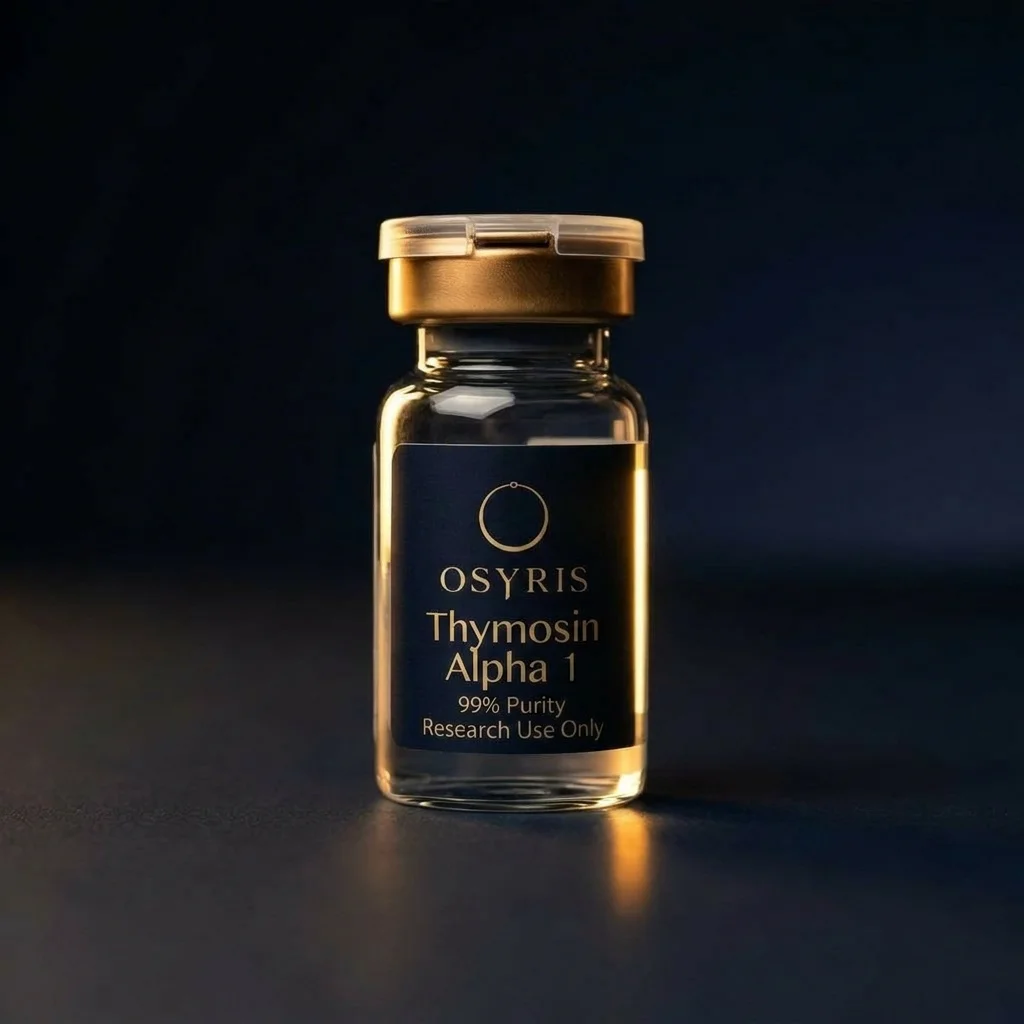
Thymosin Alpha 1 is a synthetic 28-amino-acid peptide fragment derived from pro-thymosin α, classified as an immunomodulatory research peptide. It is widely used in laboratory settings to investigate cellular regulation, biochemical signaling pathways, and interactions with immune-related molecular targets. Intended strictly for controlled research applications only.
View product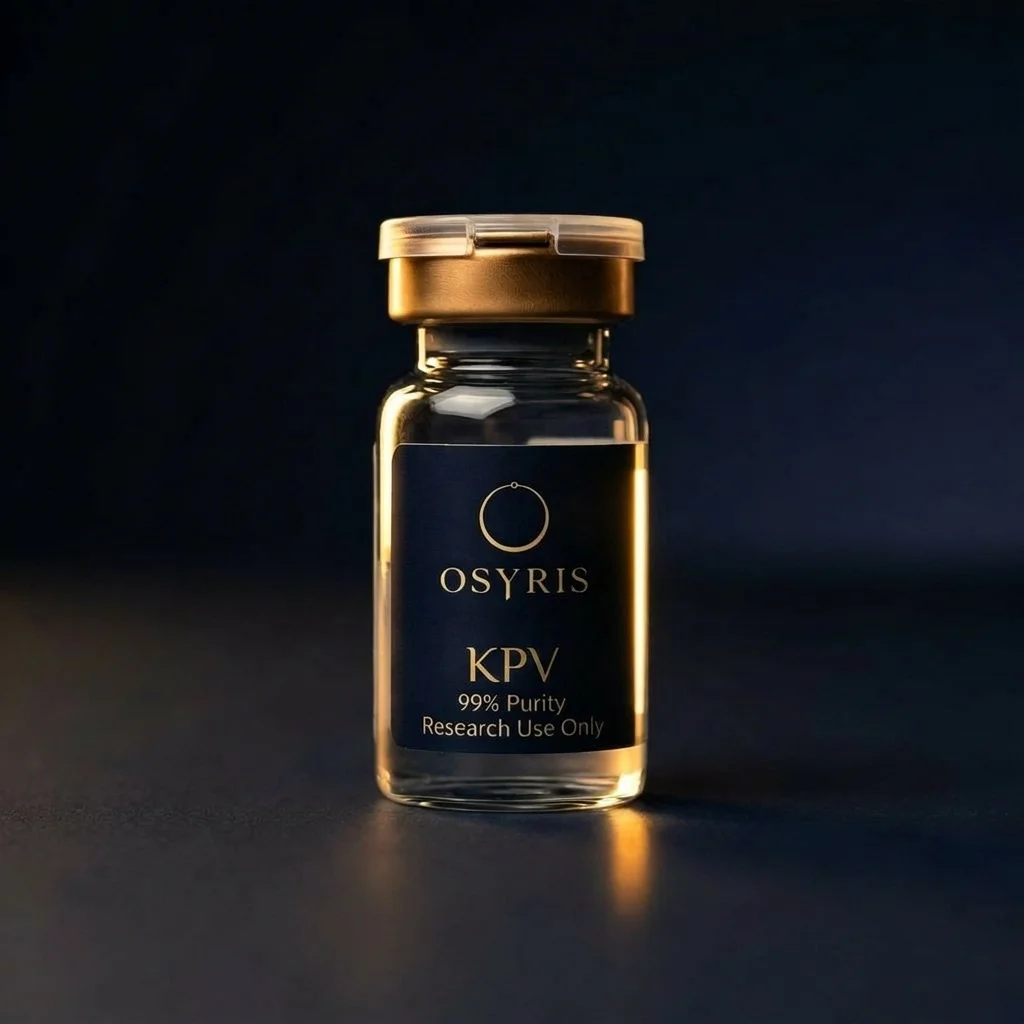 Research Product
KPV
Research Product
KPV
KPV is a tripeptide fragment (Lys-Pro-Val) derived from the α-melanocyte-stimulating hormone (α-MSH). Supplied as a high-purity research peptide, KPV 10 mg is used exclusively in controlled laboratory settings for studies exploring cellular interactions, peptide signaling, and structure–function relationships. For research purposes only.
View product Research Product
VIP
View product
Research Product
VIP
View product
Questions
Common Questions
Is Thymosin Alpha 1 FDA approved?
Not in the US. It's approved as thymalfasin (Zadaxin) in 35+ countries for immune-related indications. OSYRIS Tα1 is research-grade for laboratory use only.
Why isn't it FDA approved if it's approved elsewhere?
The reasons involve commercial decisions and differences in regulatory evidentiary standards between the FDA and other agencies. It's not a safety concern — the compound has extensive safety data from clinical use worldwide.
Is this the same as TB500?
No. Despite both being "thymosins," they are completely different molecules. Thymosin Alpha 1 (immune modulation, 28 amino acids) and Thymosin Beta-4/TB500 (tissue repair, 43 amino acids) have no functional overlap.
What is immunosenescence?
The age-related decline in immune function driven largely by thymic involution. T-cell diversity decreases, vaccine responses weaken, and immune surveillance declines. Tα1 is studied as a potential compensator for this decline.
How does Tα1 differ from KPV?
Different mechanisms. KPV inhibits NF-κB (reducing inflammation). Tα1 promotes T-cell maturation and enhances adaptive immunity. KPV is anti-inflammatory. Tα1 is immunomodulatory.
Does Tα1 have human clinical data?
Yes — more than almost any other peptide in the OSYRIS catalog. Multiple randomized controlled trials in hepatitis B/C, vaccine adjuvant studies, and safety data from clinical use in 35+ countries.
References
- Goldstein AL, et al. "Thymosin alpha 1: from bench to bedside." Annals of the New York Academy of Sciences, 2007. PMID 17413005
- Garaci E. "Thymosin alpha 1: a historical overview." Annals of the New York Academy of Sciences, 2007. PMID 17413004
- Romani L, et al. "Thymosin alpha 1 activates dendritic cell tryptophan catabolism." Blood, 2006. PMID 16352815
- You J, et al. "Thymalfasin combined with interferon for HBeAg-positive chronic hepatitis B: a meta-analysis." Journal of Clinical Virology, 2006.
- Gravenstein S, et al. "Effect of thymosin alpha 1 on the immune response of elderly nursing home residents to influenza vaccine." Journal of the American Geriatrics Society, 1989. PMID 2681361
- Aspinall R, Andrew D. "Thymic involution in aging." Journal of Clinical Immunology, 2000. PMID 10941822