

Growth Hormone
Growth Hormone Peptides — The Somatotropic Axis Research Toolkit
Complete guide to GH axis research. GHRH analogs, GHRPs, IGF-1, GH fragments. Selectivity, synergy, pulsatile release. Every node mapped.

The Somatotropic Axis: A Multi-Level System
Growth hormone biology isn't one pathway — it's a cascade with multiple control points from the hypothalamus to target tissues. The OSYRIS Growth Hormone category provides research tools at every level:
``` HYPOTHALAMUS │ releases GHRH │ ← Sermorelin, CJC-1295 (GHRH analogs) act HERE │ ← Somatostatin inhibits HERE ▼ PITUITARY (somatotroph cells) │ releases GH in pulses │ ← Ipamorelin (GHRP) amplifies HERE │ ← CJC/Ipamorelin Blend targets BOTH levels ▼ LIVER │ produces IGF-1 in response to GH │ ← IGF1-LR3 acts as the downstream effector ▼ TARGET TISSUES (muscle, bone, fat, organs) │ ← AOD-9604 isolates the fat-specific fragment │ ← Tesamorelin has clinical body composition data ```
Every Node Explained
Level 1: GHRH Analogs (Hypothalamic Stimulation)
Sermorelin — The first 29 amino acids of GHRH. The minimum active fragment. Former FDA approval (Geref) for GH deficiency assessment. Short-acting, produces brief GH pulses mimicking natural GHRH kinetics.
Tesamorelin — Full 44-amino-acid GHRH with a hexenoic acid modification that blocks DPP-IV degradation. Longer-acting than Sermorelin. Current FDA approval (Egrifta) for lipodystrophy. Clinical data on visceral fat reduction and hepatic steatosis.
CJC-1295 (no DAC) — Modified GHRH with improved stability. The "no DAC" version (without Drug Affinity Complex) produces shorter-duration pulses suitable for pulsatile GH research. Available in the CJC/Ipamorelin Blend.
Level 2: GHRPs (Pituitary Amplification)
Ipamorelin — The selective GHRP. Activates GHS-R1a (ghrelin receptor) on pituitary somatotrophs to amplify GH release. No cortisol, prolactin, or aldosterone side effects — unprecedented selectivity in the GHRP class. Available individually and in the CJC/Ipamorelin Blend.
Level 3: Downstream Effectors
IGF1-LR3 — The modified IGF-1 analog with reduced IGFBP binding. Acts at the effector level — the downstream target of GH signaling. Used extensively in cell culture as a growth factor. Allows researchers to study IGF-1 receptor biology independently from upstream GH signaling.
Level 4: Selective Fragments
AOD-9604 — The C-terminal fragment of GH (amino acids 177-191) that retains fat-metabolizing activity without IGF-1 stimulation, growth effects, or glucose/insulin changes. Classified under Metabolic but cross-listed here due to its GH origin.
The Synergy Principle
GHRH and GHRP work through complementary receptor systems on the same cell type:
- GHRH (via GHRH receptor): Stimulates GH gene transcription and primes vesicles for release
- GHRP/Ipamorelin (via GHS-R1a): Amplifies the release signal, increasing the amount of GH released per pulse
In animal models, the combination consistently produces GH output 2-3x greater than either compound alone. This is not additive — it's synergistic. The two receptor systems converge on intracellular signaling cascades (cAMP + calcium) that amplify each other.
The CJC/Ipamorelin Blend provides this combination in a single vial. The no-DAC formulation of CJC-1295 ensures short-duration GH pulses that mimic physiological secretion.
Pulsatile vs Sustained: Why Pattern Matters
Natural GH secretion is pulsatile — bursts every 3-4 hours with the largest pulse during deep sleep. Research has shown that the biological effects of GH depend on the pattern:
- Pulsatile GH preferentially stimulates linear growth, muscle protein synthesis, and lipolysis
- Sustained GH preferentially stimulates liver IGF-1 production, which has both growth-promoting and potentially problematic effects at high sustained levels
Secretagogues (Ipamorelin, Sermorelin, CJC-1295 no DAC) produce pulsatile release. Exogenous GH injection produces sustained elevation. This is a fundamental distinction for research design.
Choosing by Research Level
| Research Question | Compound | Axis Level |
|---|---|---|
| GHRH receptor pharmacology | Sermorelin | Hypothalamic |
| DPP-IV resistance effects | Tesamorelin vs Sermorelin | Hypothalamic |
| GHS-R1a / ghrelin receptor biology | Ipamorelin | Pituitary |
| GHRH + GHRP synergy | CJC/Ipamorelin Blend | Both |
| GH release selectivity (no cortisol) | Ipamorelin | Pituitary |
| IGF-1 receptor biology (bypass GH) | IGF1-LR3 | Effector |
| Fat-specific GH effects (no growth) | AOD-9604 | Fragment |
| Body composition / visceral fat | Tesamorelin | Hypothalamic |
| Bone density effects of GH | Ipamorelin | Pituitary |
Featured Links
 Primary Compound
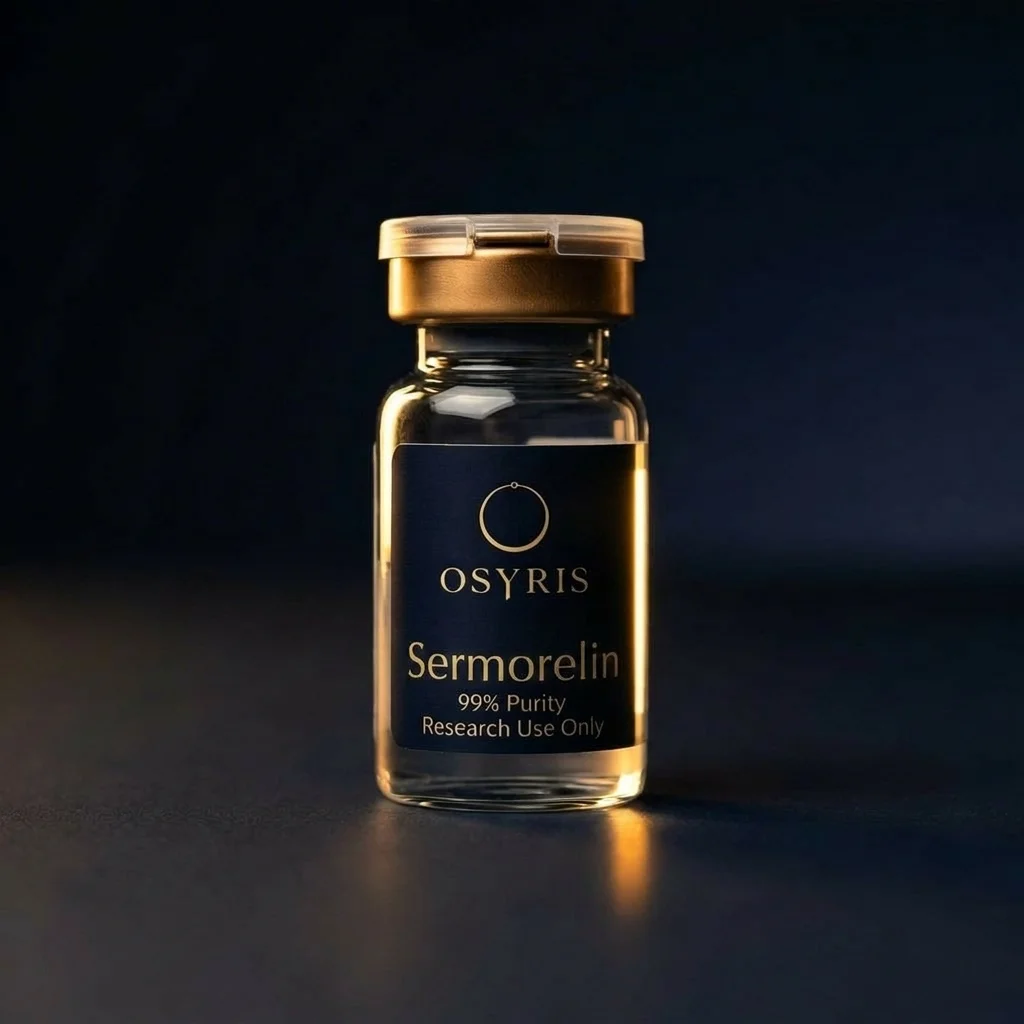
Sermorelin
Primary Compound
Sermorelin
Sermorelin acetate (10mg) is a synthetic analog of growth hormone–releasing hormone (GHRH), consisting of the first 29 amino acids of the natural peptide. With ≥99% purity, this research peptide is used in laboratory studies exploring neuroendocrine regulation, aging models, and pituitary function. Supplied for research purposes only.
View →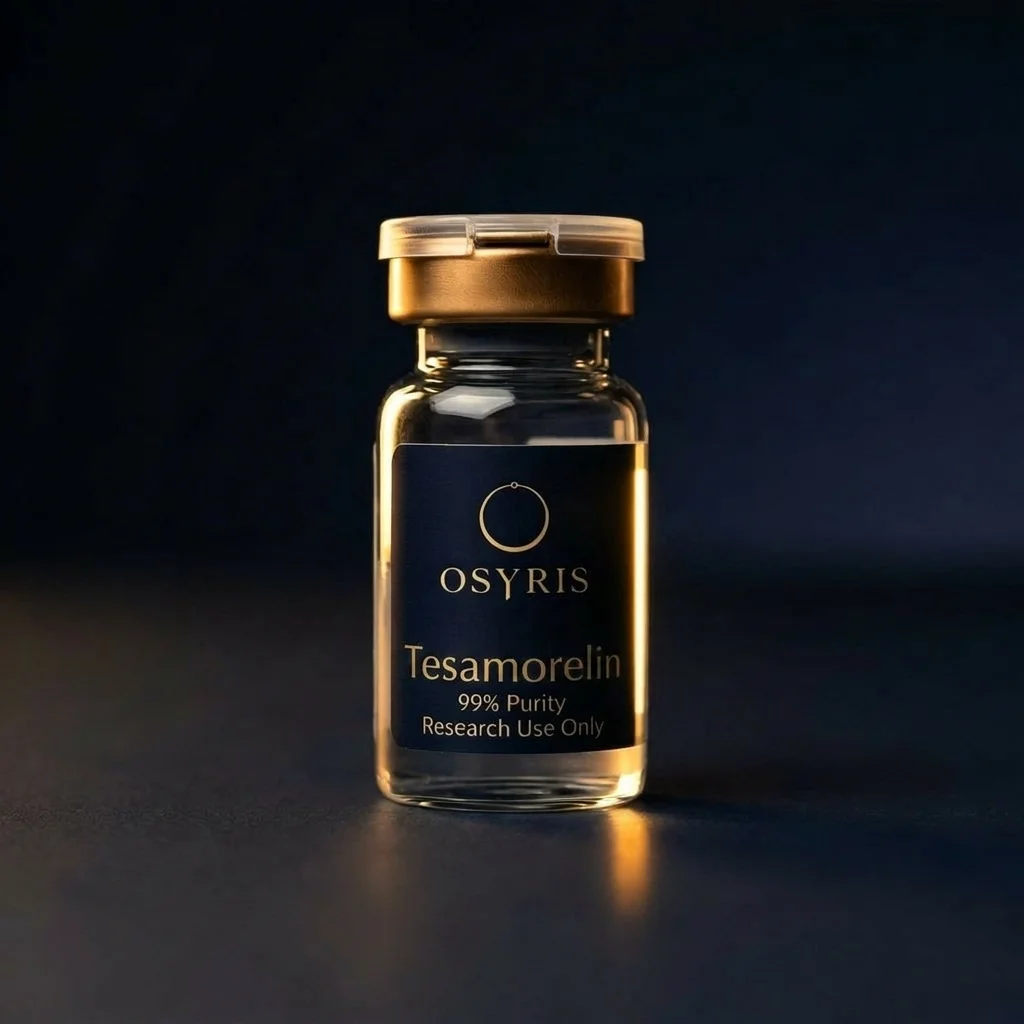 Primary Compound
Tesamorelin
Primary Compound
Tesamorelin
Tesamorelin is a synthetic analog of growth hormone-releasing hormone (GHRH) composed of 44 amino acids. It is studied for its role in stimulating endogenous growth hormone (GH) release via pituitary GHRH receptors. Tesamorelin is used exclusively for controlled scientific research and is not approved for therapeutic or diagnostic use.
View →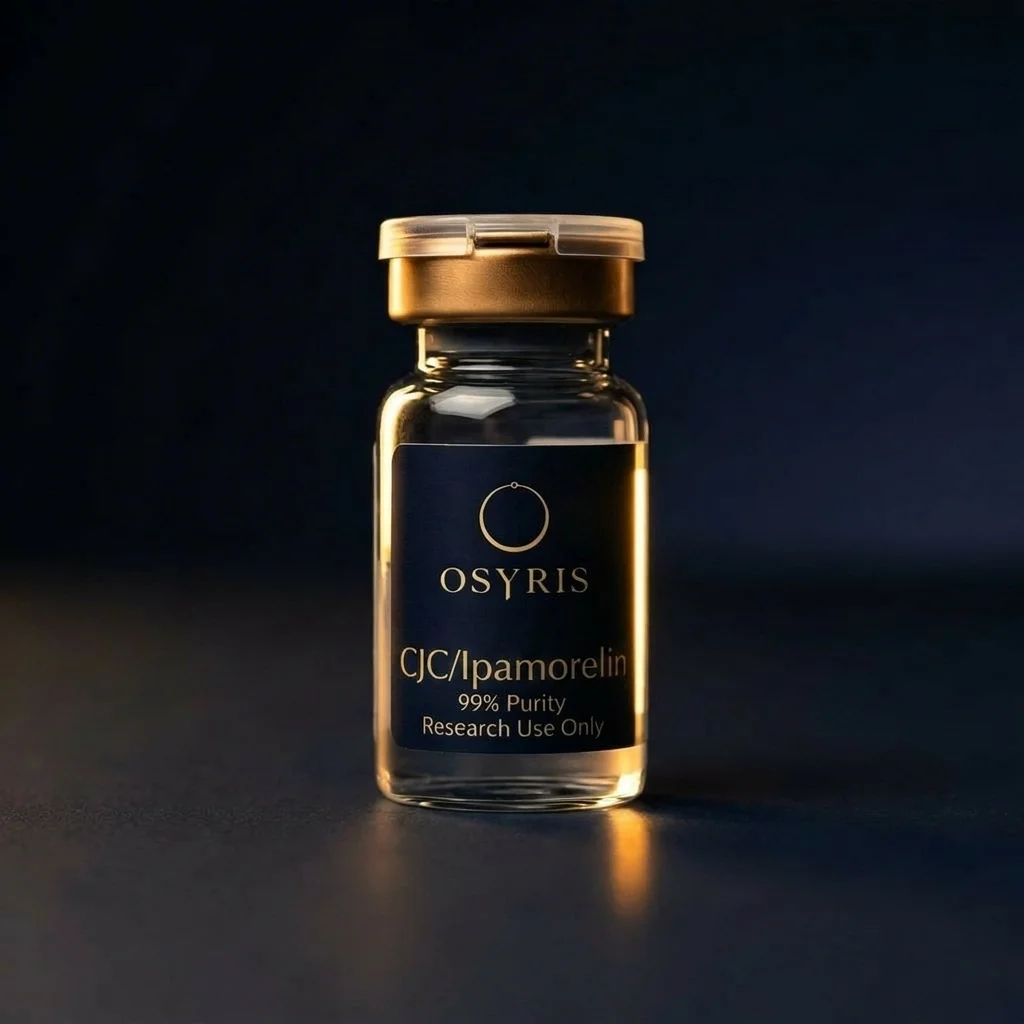 Primary Compound
CJC NO DAC/Ipamorelin Blend
Primary Compound
CJC NO DAC/Ipamorelin Blend
This blend combines CJC-1295 (No DAC) and Ipamorelin—two research peptides that act synergistically on the growth hormone (GH) axis. CJC-1295 stimulates GH-releasing hormone (GHRH) receptors, while Ipamorelin targets ghrelin receptors. Their combined use supports investigation into pulsatile GH secretion and downstream effects in cellular and endocrine research models.
View →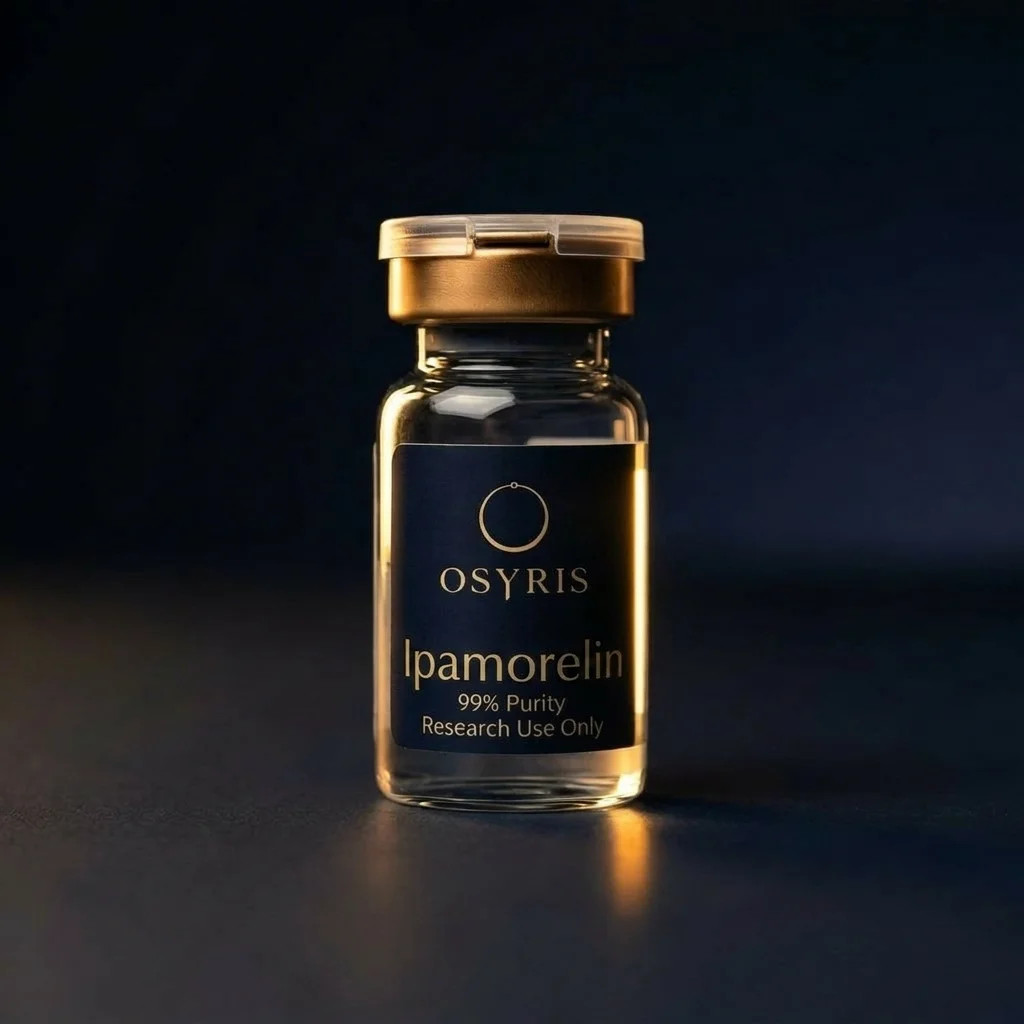 Primary Compound
Ipamorelin
Primary Compound
Ipamorelin
Ipamorelin is a selective pentapeptide agonist of the growth hormone secretagogue receptor (GHSR1a). It is used to study GH-axis regulation, receptor pharmacology, and peptide signaling in endocrine and analytical research models.
View →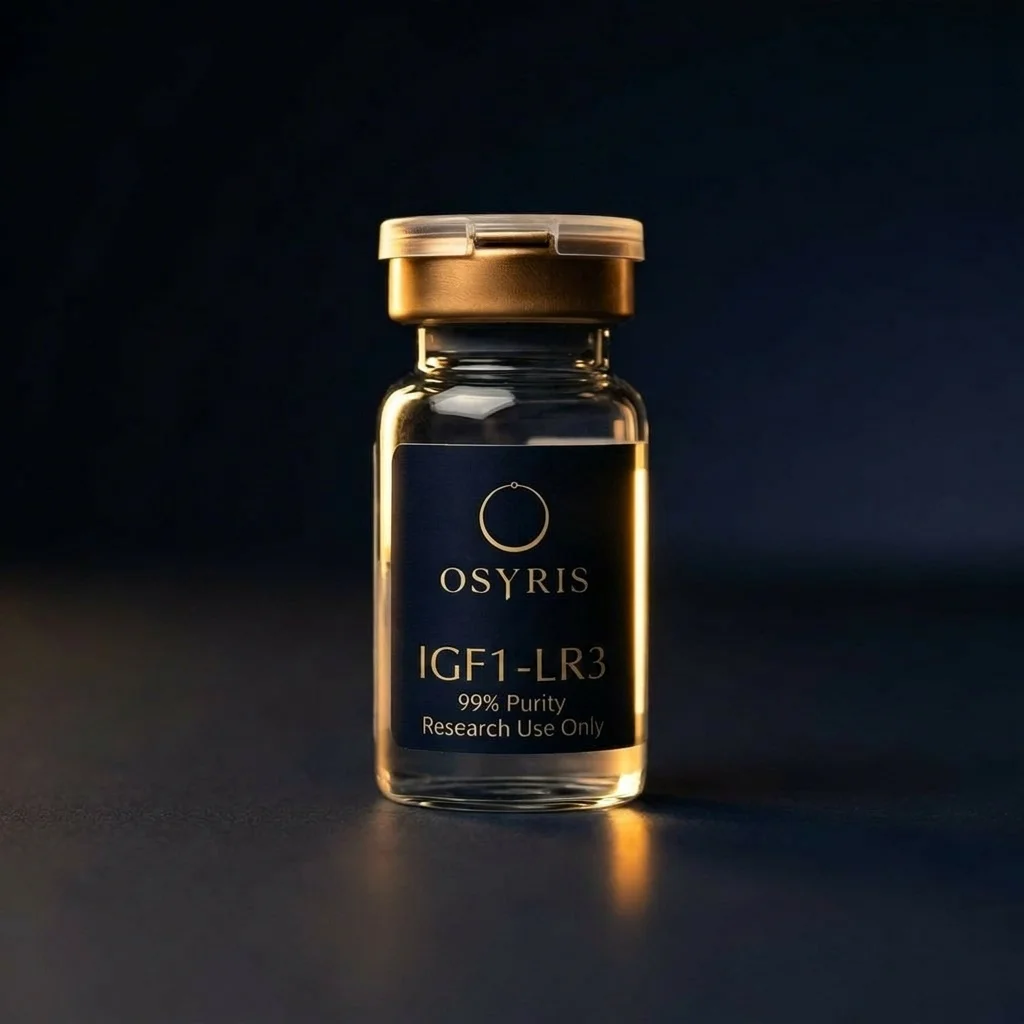 Primary Compound
IGF1-LR3
Primary Compound
IGF1-LR3
IGF-1 LR3 is an 83-amino-acid recombinant analog of insulin-like growth factor-1 with an N-terminal extension and Arg3 substitution. It is used to study IGF-1 receptor signaling, proliferation, differentiation, and survival pathways in cell culture and animal models.
View →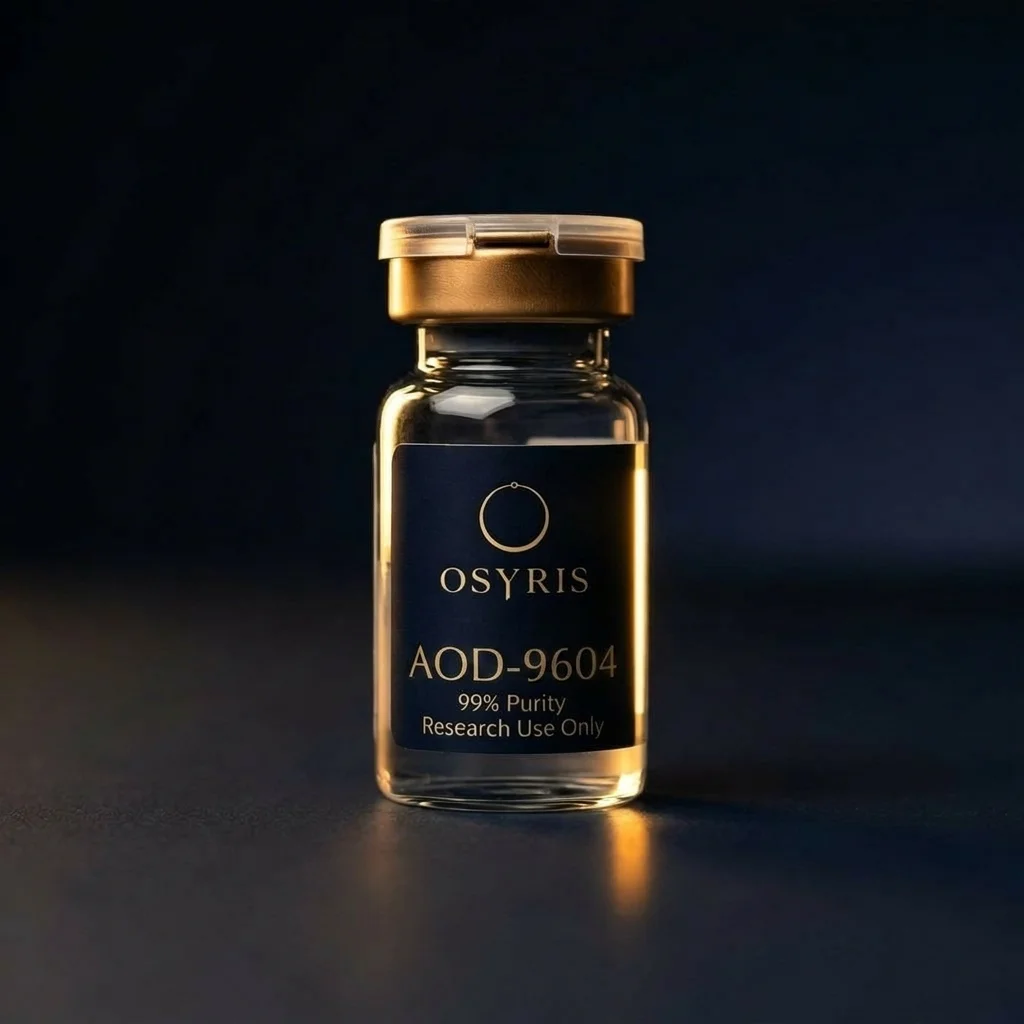 Primary Compound
AOD-9604
Primary Compound
AOD-9604
AOD-9604 is a synthetic peptide fragment of human growth hormone (hGH), comprising amino acids 176–191. Designed to focus on fat metabolism without affecting IGF-1 or glucose levels, it is widely studied in metabolic and obesity-related research. AOD-9604 is intended exclusively for controlled laboratory use in scientific research.
View →Questions
Common Questions
Why are there so many GH-related compounds?
Because GH biology involves multiple levels (hypothalamus → pituitary → liver → target tissues), and different compounds target different levels. Researchers need tools at each node to study GH biology comprehensively.
What's the difference between GHRH and GHRP?
GHRH analogs (Sermorelin, Tesamorelin, CJC-1295) act at the hypothalamic/pituitary level to stimulate GH synthesis and release. GHRPs (Ipamorelin) act at the pituitary level to amplify the release signal. Different receptors, complementary mechanisms.
Why is Ipamorelin considered the best GHRP?
Selectivity. It stimulates GH release without raising cortisol, prolactin, or aldosterone — side effects produced by all older GHRPs. This makes it a cleaner research tool.
What does "no DAC" mean?
DAC (Drug Affinity Complex) is a modification that binds CJC-1295 to albumin for extended duration. "No DAC" means the unmodified version with shorter half-life and more pulsatile GH release — preferred for physiological pattern research.
Why is AOD-9604 cross-listed but primarily in Metabolic?
Because its research profile is metabolic (fat metabolism, lipolysis), not growth-related. It comes from GH structurally (amino acids 177-191) but functionally it belongs in Metabolic research.
Which compound has the most clinical data?
Tesamorelin (Egrifta, FDA-approved) has the most extensive clinical evidence in the GH category, followed by Sermorelin (former FDA approval, Geref).