

Roundup
Best Growth Hormone Secretagogues for Research
A GH-axis roundup comparing GHRH analogs, GHRPs, combined secretagogues, and downstream growth-factor tools by research goal.

Choose at the Axis Level First
Growth hormone research gets cleaner when the protocol begins at the axis level. Do you want to stimulate the GHRH side of the somatotropic axis? The ghrelin-receptor side? Both together? Or do you want to study a downstream effector like IGF1-LR3 instead of upstream signaling? Each of those is a different category decision before it becomes a compound decision.
That axis logic explains why Sermorelin, Tesamorelin, Ipamorelin, CJC/Ipamorelin Blend, and IGF1-LR3 all belong in the same roundup without being substitutes for one another.
Evidence, Modification, and Duration
Among GHRH analogs, Tesamorelin carries the strongest clinical visibility because of its stabilized design and regulatory history. Sermorelin remains valuable as the unmodified reference analog. Ipamorelin matters because it gives the GHRP side of the axis a more selective research tool. The blend matters because GHRH plus GHRP is often more interesting than either alone when the protocol studies synergy.
IGF1-LR3 belongs in the same roundup because some protocols want to bypass secretion logic entirely and look downstream at effector biology instead.
How to Choose the Best Secretagogue Fit
Choose Tesamorelin when duration, modification, and human clinical context matter most. Choose Sermorelin when you want the cleanest unmodified GHRH analog reference. Choose Ipamorelin when selectivity and ghrelin-receptor signaling are the core question. Choose the blend when the protocol is built around axis synergy. Choose IGF1-LR3 when the real question sits downstream of secretion.
Featured Links
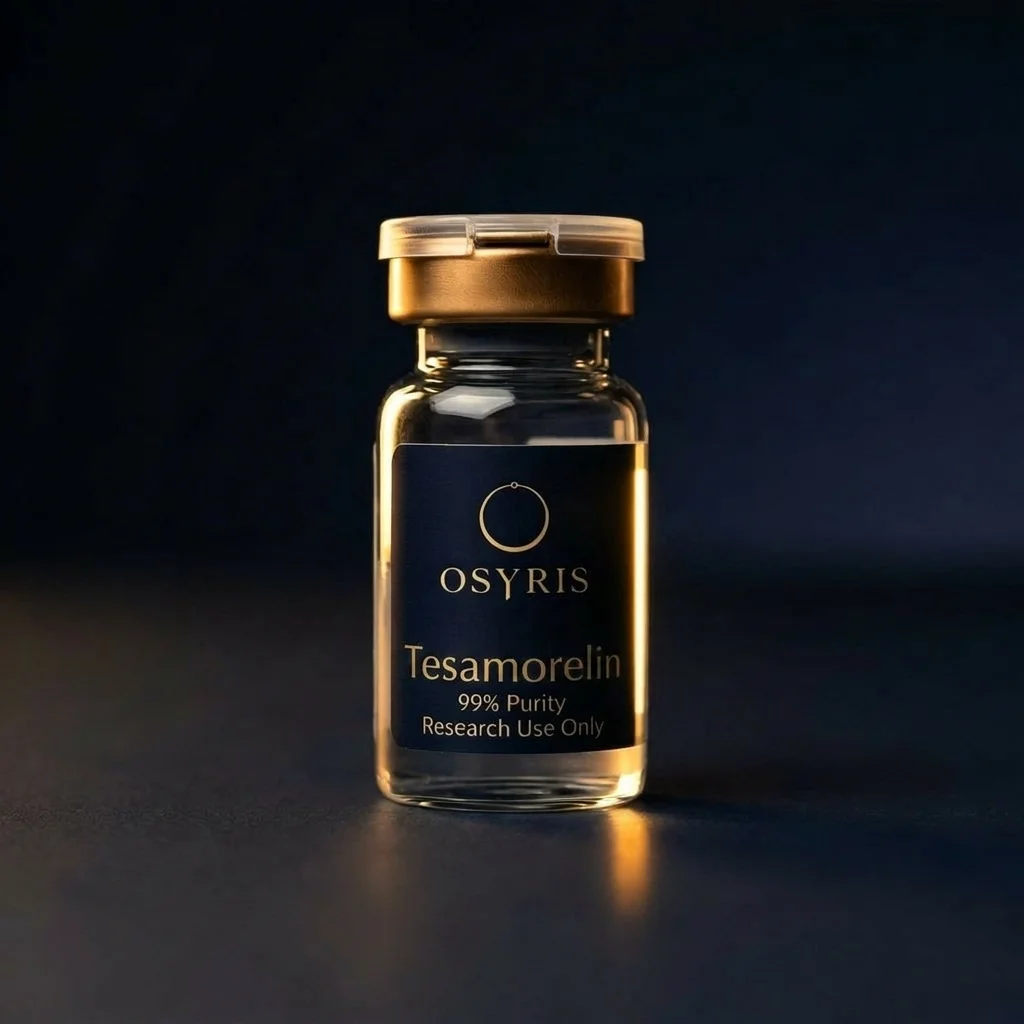 Research Product
Tesamorelin
Research Product
Tesamorelin
Tesamorelin is a synthetic analog of growth hormone-releasing hormone (GHRH) composed of 44 amino acids. It is studied for its role in stimulating endogenous growth hormone (GH) release via pituitary GHRH receptors. Tesamorelin is used exclusively for controlled scientific research and is not approved for therapeutic or diagnostic use.
View product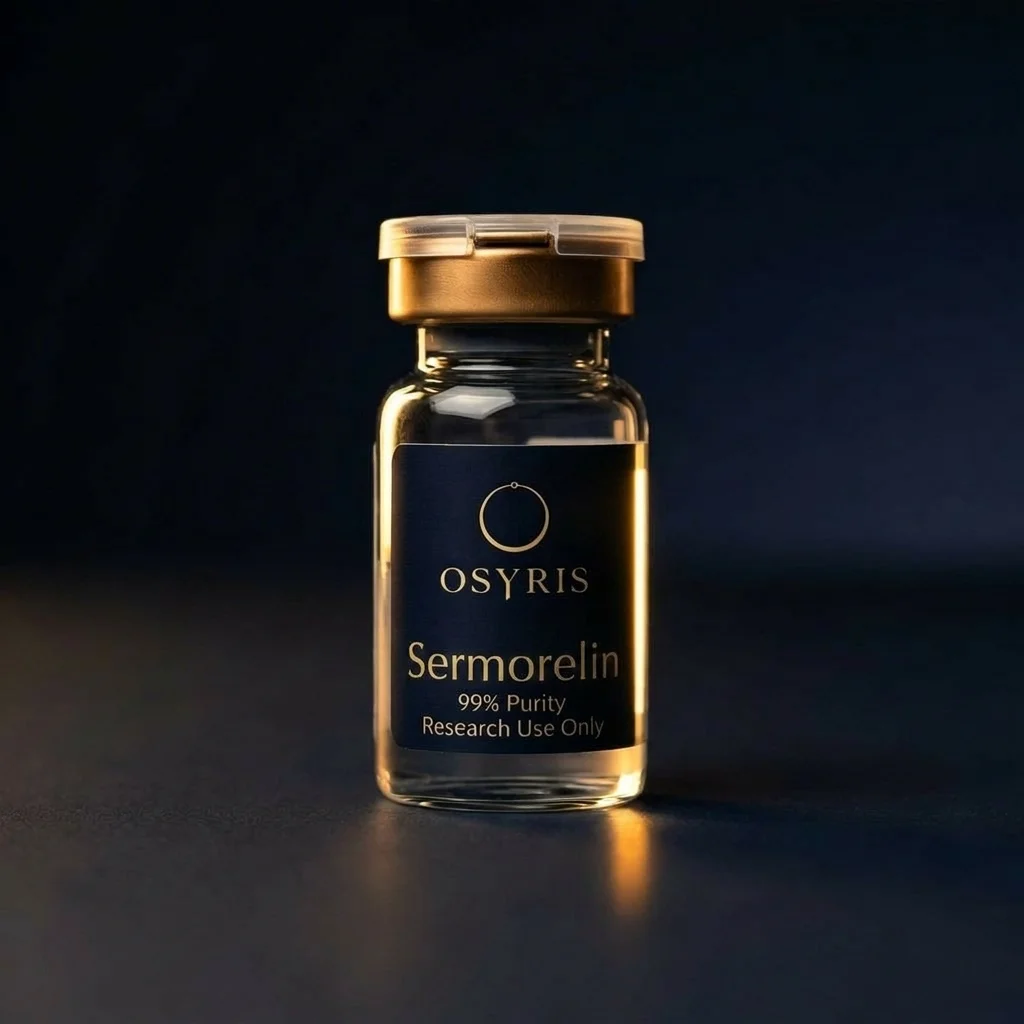 Research Product
Sermorelin
Research Product
Sermorelin
Sermorelin acetate (10mg) is a synthetic analog of growth hormone–releasing hormone (GHRH), consisting of the first 29 amino acids of the natural peptide. With ≥99% purity, this research peptide is used in laboratory studies exploring neuroendocrine regulation, aging models, and pituitary function. Supplied for research purposes only.
View product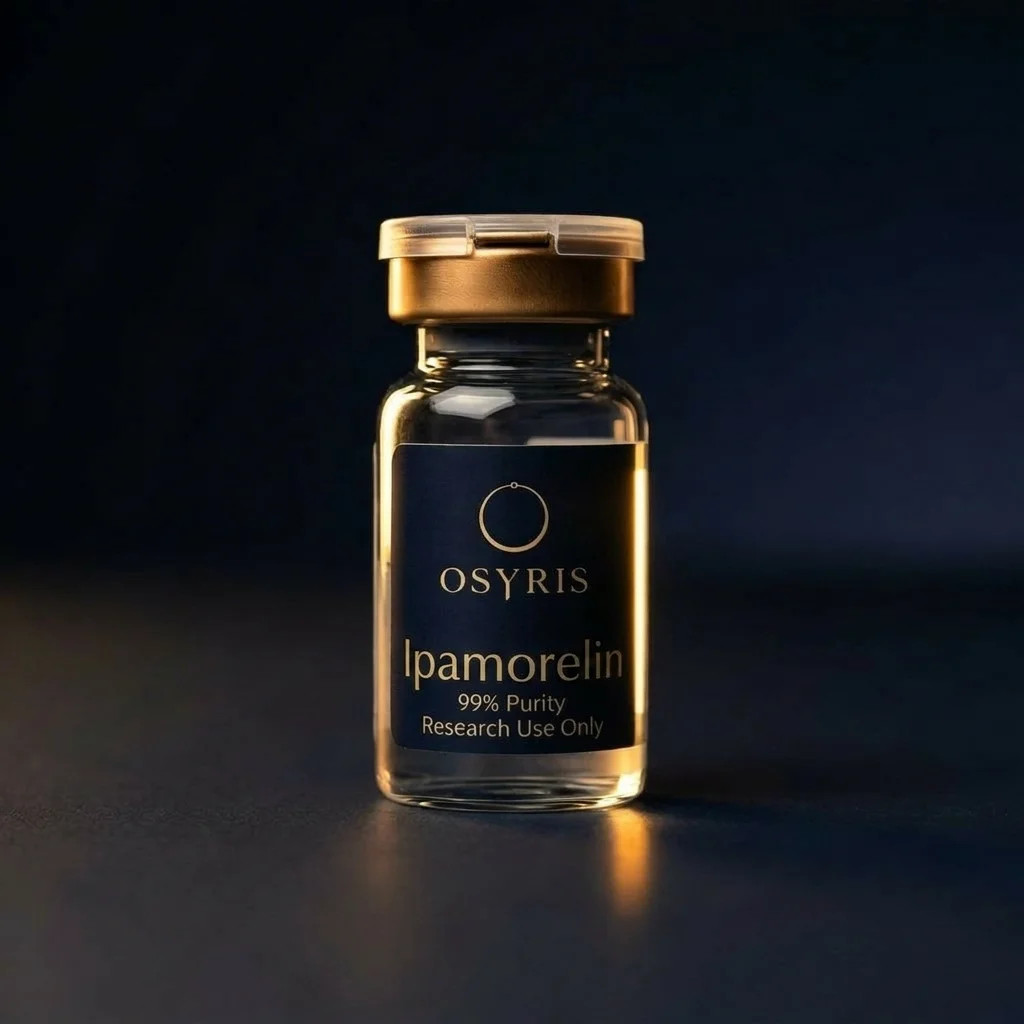 Research Product
Ipamorelin
Research Product
Ipamorelin
Ipamorelin is a selective pentapeptide agonist of the growth hormone secretagogue receptor (GHSR1a). It is used to study GH-axis regulation, receptor pharmacology, and peptide signaling in endocrine and analytical research models.
View product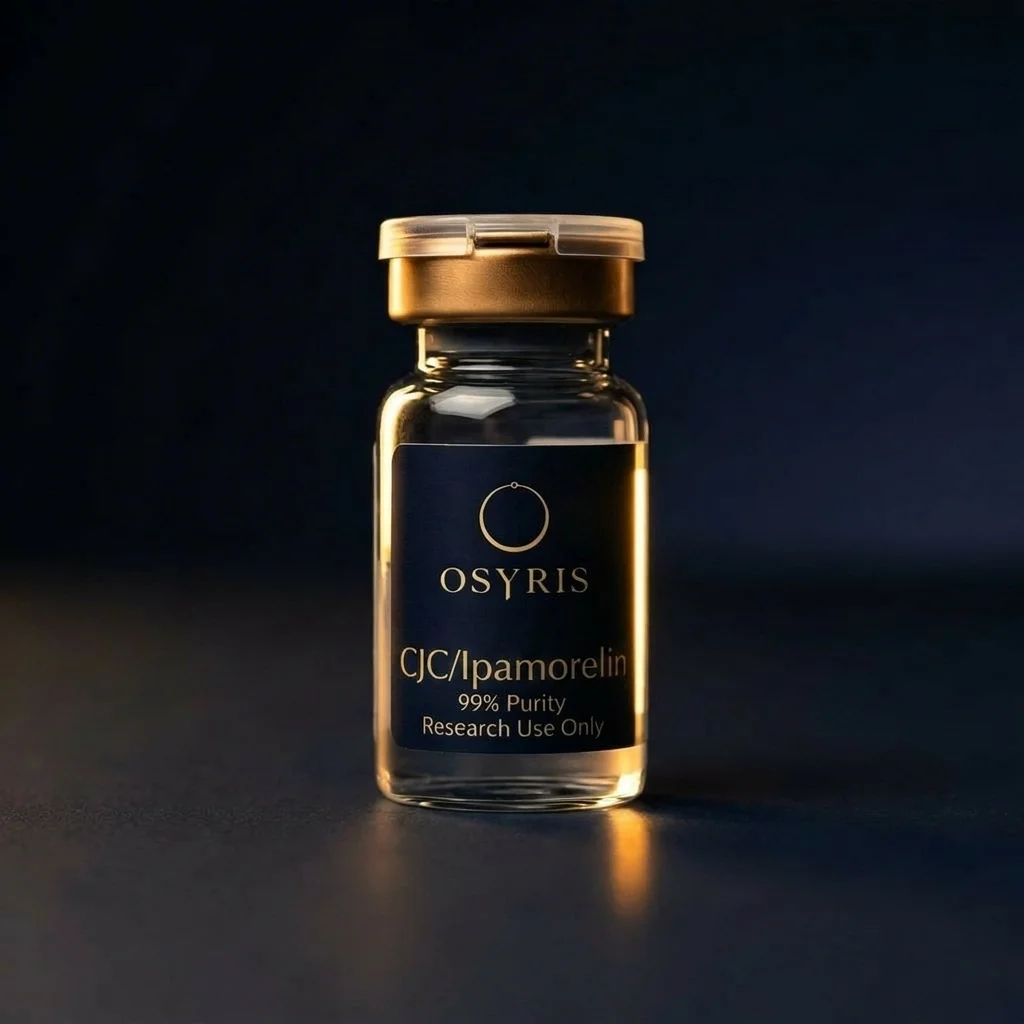 Research Product
CJC/Ipamorelin Blend
Research Product
CJC/Ipamorelin Blend
This blend combines CJC-1295 (No DAC) and Ipamorelin—two research peptides that act synergistically on the growth hormone (GH) axis. CJC-1295 stimulates GH-releasing hormone (GHRH) receptors, while Ipamorelin targets ghrelin receptors. Their combined use supports investigation into pulsatile GH secretion and downstream effects in cellular and endocrine research models.
View product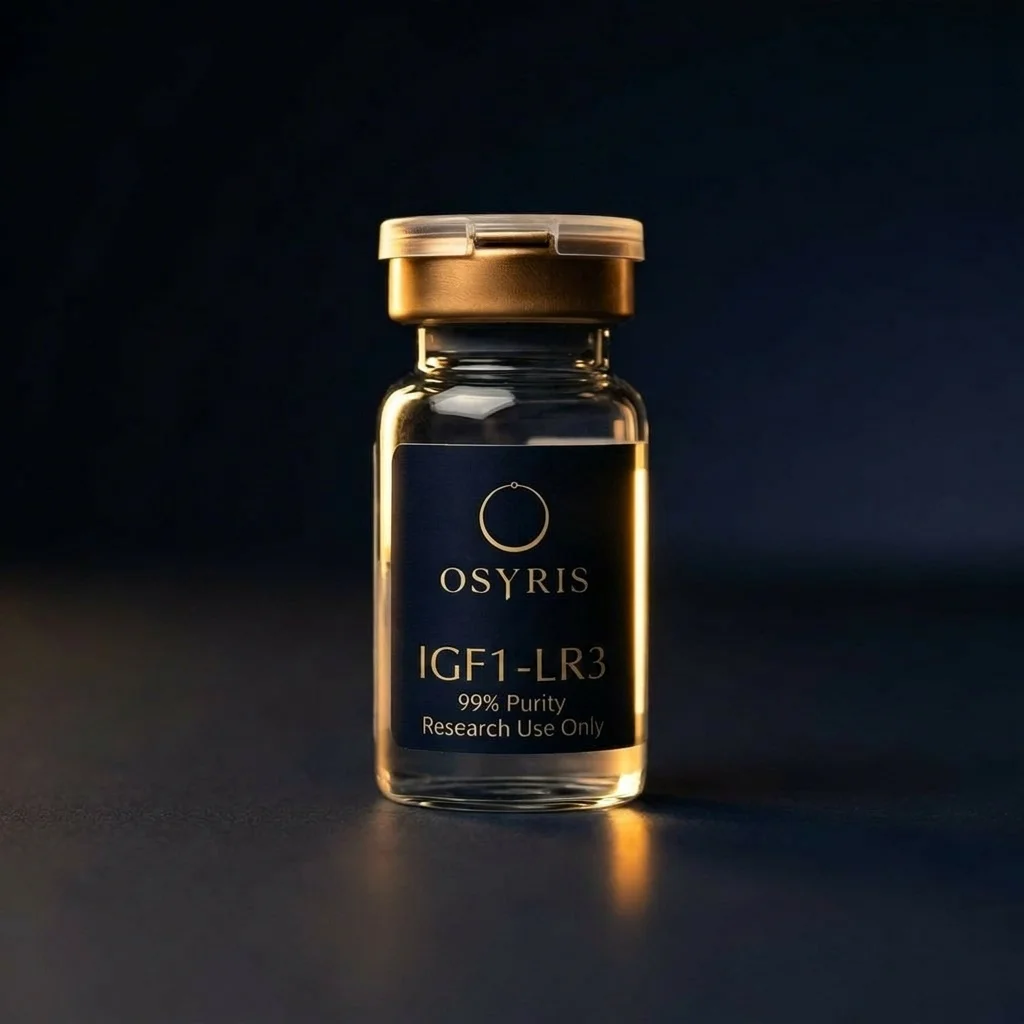 Research Product
IGF1-LR3
Research Product
IGF1-LR3
IGF-1 LR3 is an 83-amino-acid recombinant analog of insulin-like growth factor-1 with an N-terminal extension and Arg3 substitution. It is used to study IGF-1 receptor signaling, proliferation, differentiation, and survival pathways in cell culture and animal models.
View productQuestions
Common Questions
Which GH secretagogue has the strongest evidence?
Tesamorelin has the strongest overall evidence base thanks to its stabilized design and clinical history.
What is the difference between Sermorelin and Tesamorelin?
Sermorelin is the unmodified reference analog, while Tesamorelin is a stabilized GHRH analog with a different durability profile.
Why is Ipamorelin often preferred over older GHRPs?
Because it offers a more selective ghrelin-receptor research tool with fewer confounding hormonal effects.
When does the CJC/Ipamorelin Blend make sense?
When the protocol is explicitly studying synergy between GHRH-side and GHRP-side signaling.
Is IGF1-LR3 a secretagogue?
Not exactly. It is better understood as a downstream growth-factor tool rather than an upstream secretagogue.
Are these sold as treatments here?
No. They are sold for laboratory research use only.