

Growth Hormone
Tesamorelin vs Sermorelin — Modified vs Unmodified GHRH
Tesamorelin vs Sermorelin compared: stabilized versus unmodified GHRH signaling, DPP-IV resistance, pulse duration, and clinical context.

The Stability Trade-Off
Sermorelin and Tesamorelin target the same receptor (GHRH-R) on the same cells (pituitary somatotrophs) to produce the same output (growth hormone). The difference is duration — and that difference has significant research implications.
Sermorelin is rapidly degraded by DPP-IV, producing a brief GH pulse that closely mimics the natural GHRH signal: a short burst followed by return to baseline. This is advantageous for studying physiological pulsatile GH secretion but limits cumulative GH exposure.
Tesamorelin's hexenoic acid modification blocks DPP-IV, extending its active duration from minutes to hours. This produces a longer, more sustained GH release — useful for body composition studies where sustained GH exposure is needed but less physiological than Sermorelin's brief pulse pattern.
The Clinical Data Divide
Tesamorelin's current FDA approval provides clinical data that Sermorelin's discontinued approval cannot match: - Visceral fat reduction measured by CT scan - Hepatic fat reduction measured by MRI - Body composition changes over 26+ weeks - Safety data in metabolic populations
Sermorelin's clinical heritage is primarily diagnostic (GHRH stimulation testing) rather than therapeutic — it confirms pituitary function rather than producing sustained body composition changes.
For body composition research: Tesamorelin has the clinical evidence edge. For physiological GH release research: Sermorelin better mimics natural GHRH kinetics. For GHRH receptor pharmacology: Both work — they hit the same receptor. For combination with Ipamorelin: Either works, but Sermorelin's shorter pulse may better complement Ipamorelin's brief GH amplification.
Featured Links
 Research Product
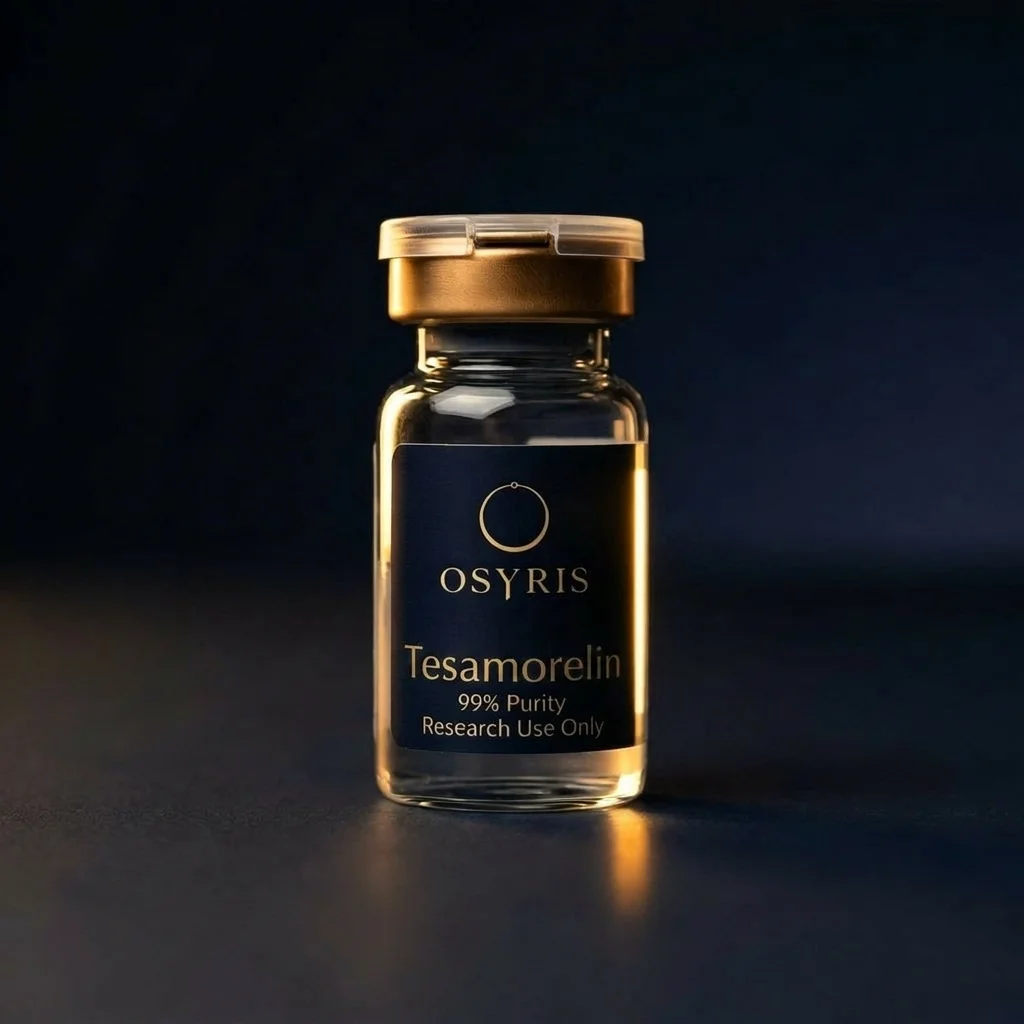
Tesamorelin
Research Product
Tesamorelin
Tesamorelin is a synthetic analog of growth hormone-releasing hormone (GHRH) composed of 44 amino acids. It is studied for its role in stimulating endogenous growth hormone (GH) release via pituitary GHRH receptors. Tesamorelin is used exclusively for controlled scientific research and is not approved for therapeutic or diagnostic use.
View product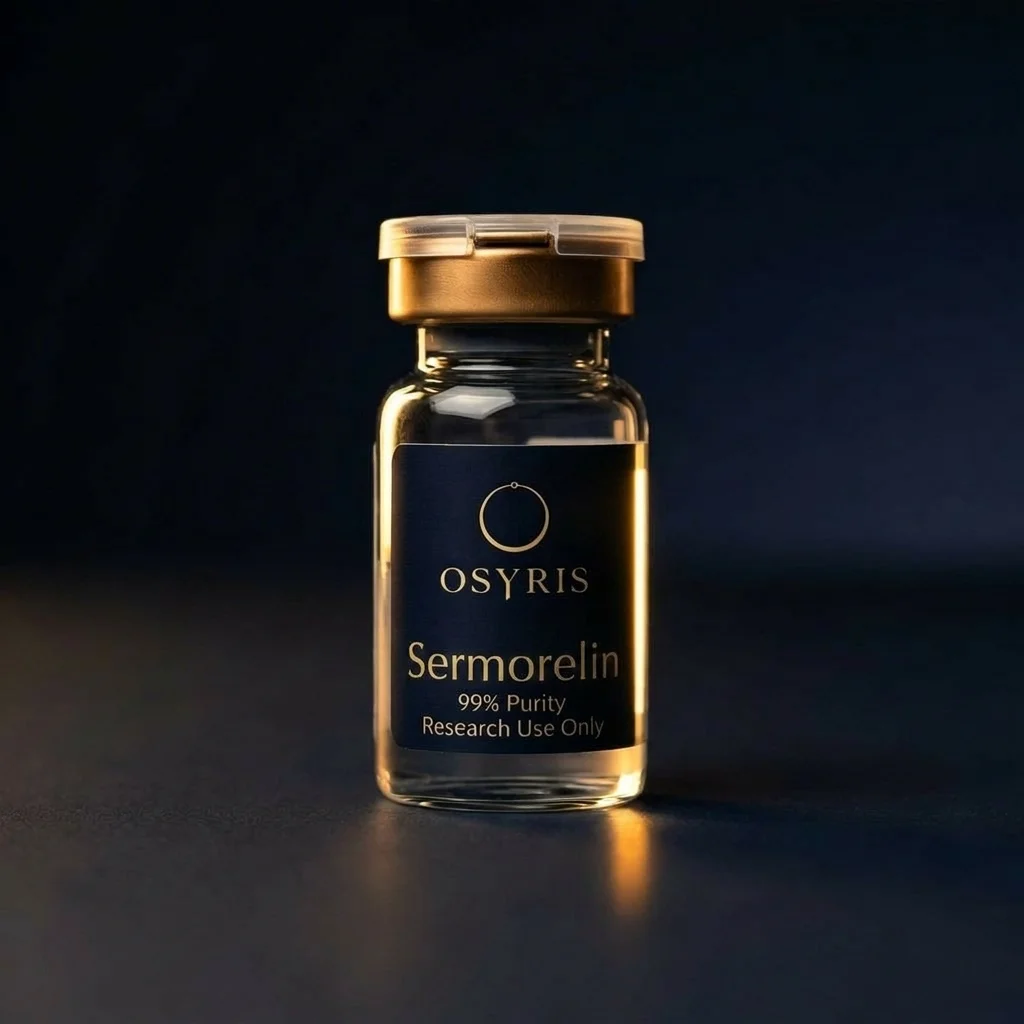 Research Product
Sermorelin
Research Product
Sermorelin
Sermorelin acetate (10mg) is a synthetic analog of growth hormone–releasing hormone (GHRH), consisting of the first 29 amino acids of the natural peptide. With ≥99% purity, this research peptide is used in laboratory studies exploring neuroendocrine regulation, aging models, and pituitary function. Supplied for research purposes only.
View product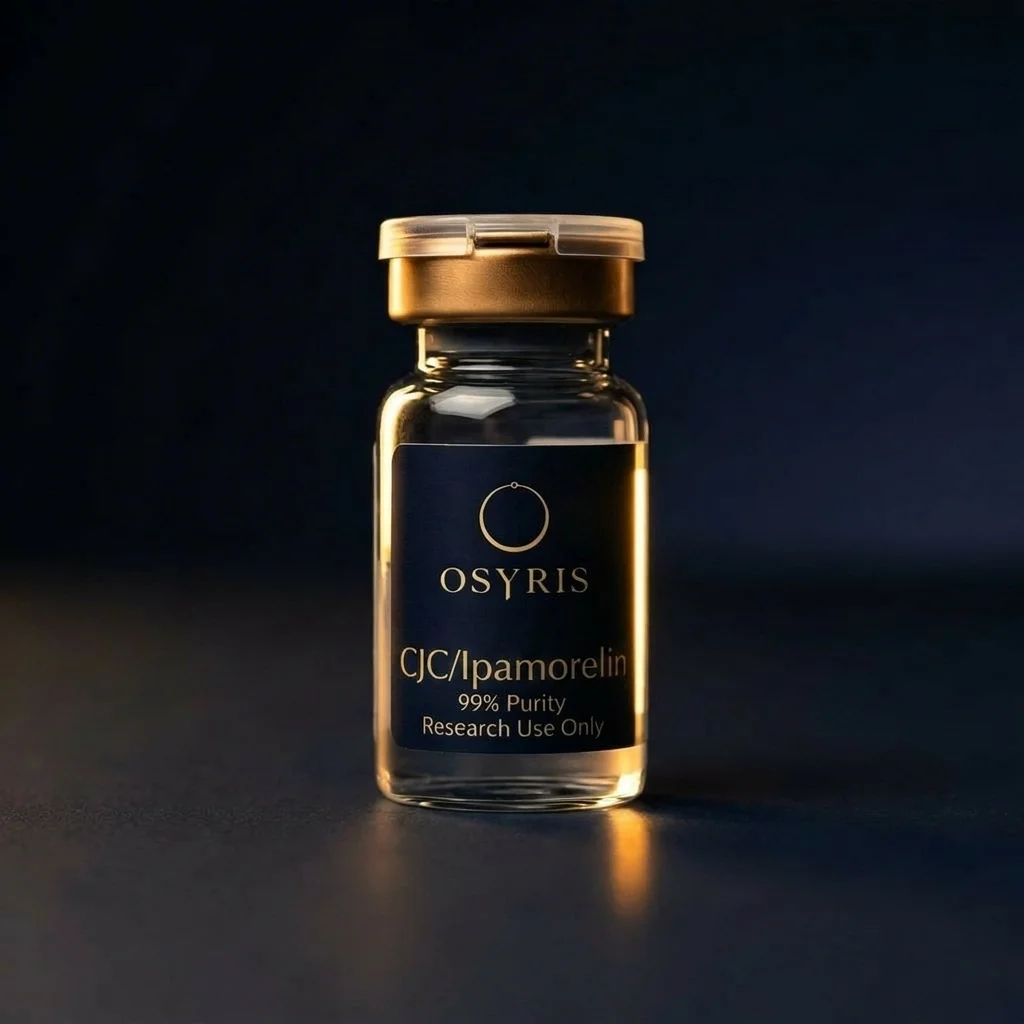 Research Product
CJC/Ipamorelin Blend
Research Product
CJC/Ipamorelin Blend
This blend combines CJC-1295 (No DAC) and Ipamorelin—two research peptides that act synergistically on the growth hormone (GH) axis. CJC-1295 stimulates GH-releasing hormone (GHRH) receptors, while Ipamorelin targets ghrelin receptors. Their combined use supports investigation into pulsatile GH secretion and downstream effects in cellular and endocrine research models.
View productQuestions
Common Questions
Which is "better"?
Depends on the research question. Tesamorelin for sustained stimulation and body composition. Sermorelin for pulsatile physiology.
Do they work on the same receptor?
Yes — both target the GHRH receptor. The difference is duration due to DPP-IV resistance.
Which has stronger clinical evidence?
Tesamorelin (current FDA approval with body composition data). Sermorelin's approval was diagnostic and has been discontinued.
Can either be combined with Ipamorelin?
Yes. GHRH + GHRP synergy is well-documented. The CJC/Ipamorelin Blend uses CJC-1295 (a third GHRH analog) for this purpose.
What is DPP-IV?
An enzyme that degrades GHRH and Sermorelin by cleaving the N-terminal dipeptide. Tesamorelin's modification blocks this cleavage.
Which produces more physiological GH release?
Sermorelin. Its brief pulse pattern more closely mimics the natural GHRH signal.