

Roundup
Best Peptides for Inflammation Research
A cross-category roundup comparing the main peptides used in inflammation research by pathway and intervention level.
Different Pathways, Different Tools
Inflammation research is not one pathway. NF-kB, nitric oxide, barrier signaling, neuroimmune communication, and stress-linked immune regulation all sit inside the same broad topic. That is why the best anti-inflammatory peptide depends on the intervention point your model is actually testing.
KPV, BPC-157, TB500, VIP, and Selank all appear in anti-inflammatory conversations, but they do not belong to the same mechanistic bucket. A good roundup keeps that distinction visible instead of flattening everything into an 'anti-inflammatory' label.
How the Compounds Separate
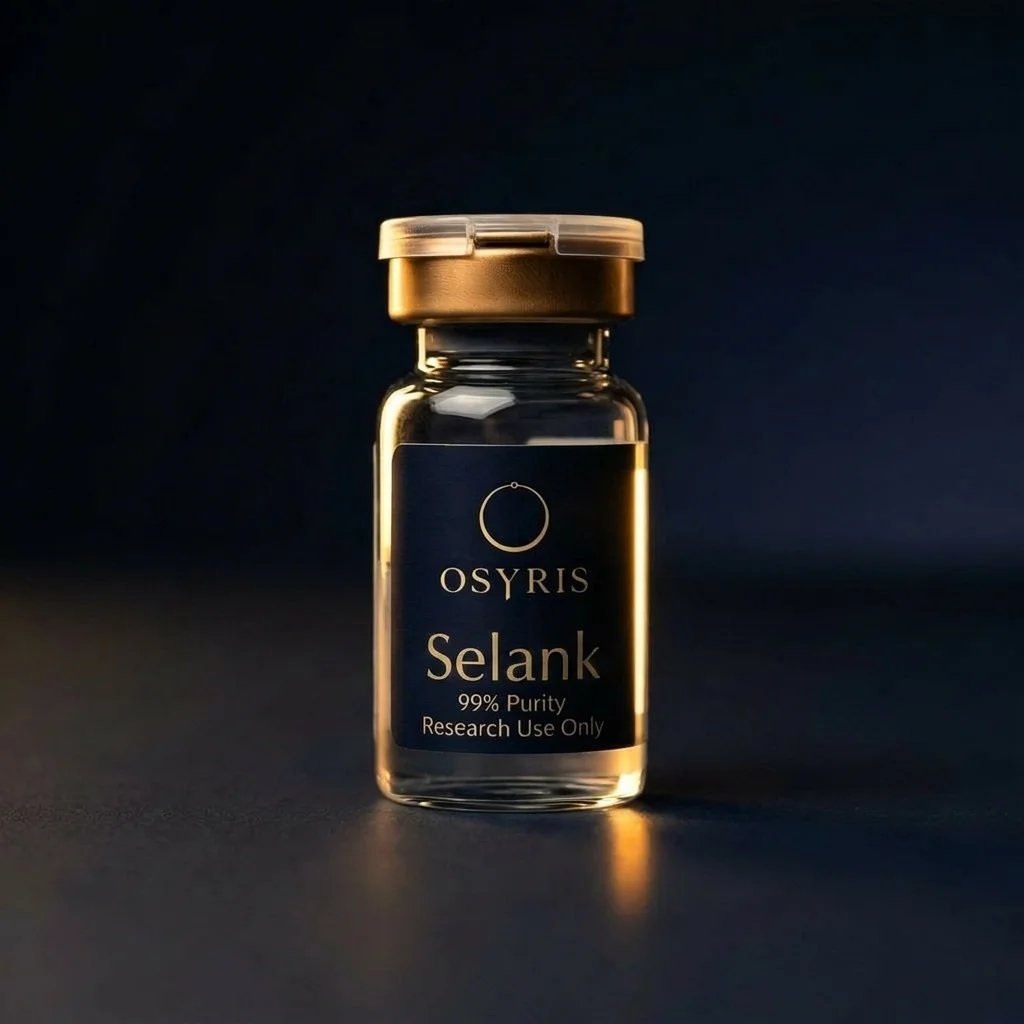
KPV is the clearest fit when the protocol is about inflammatory signaling directly. BPC-157 becomes more relevant when inflammatory stress is part of a larger repair and barrier question. TB500 matters when inflammation is tied to remodeling and tissue response. VIP becomes more attractive in neuroimmune or signaling-rich models. Selank enters when the inflammatory question overlaps with stress biology.
When a Stack Is Better Than a Single Compound
Stacks only make sense when the protocol is intentionally multi-layered. KLOW is a strong example because it combines repair, copper-linked remodeling, and anti-inflammatory KPV logic. That is useful when the inflammation problem sits inside a repair environment. It is less useful when the protocol is meant to isolate one signaling node cleanly.
Featured Links
 Research Product
KPV
Research Product
KPV
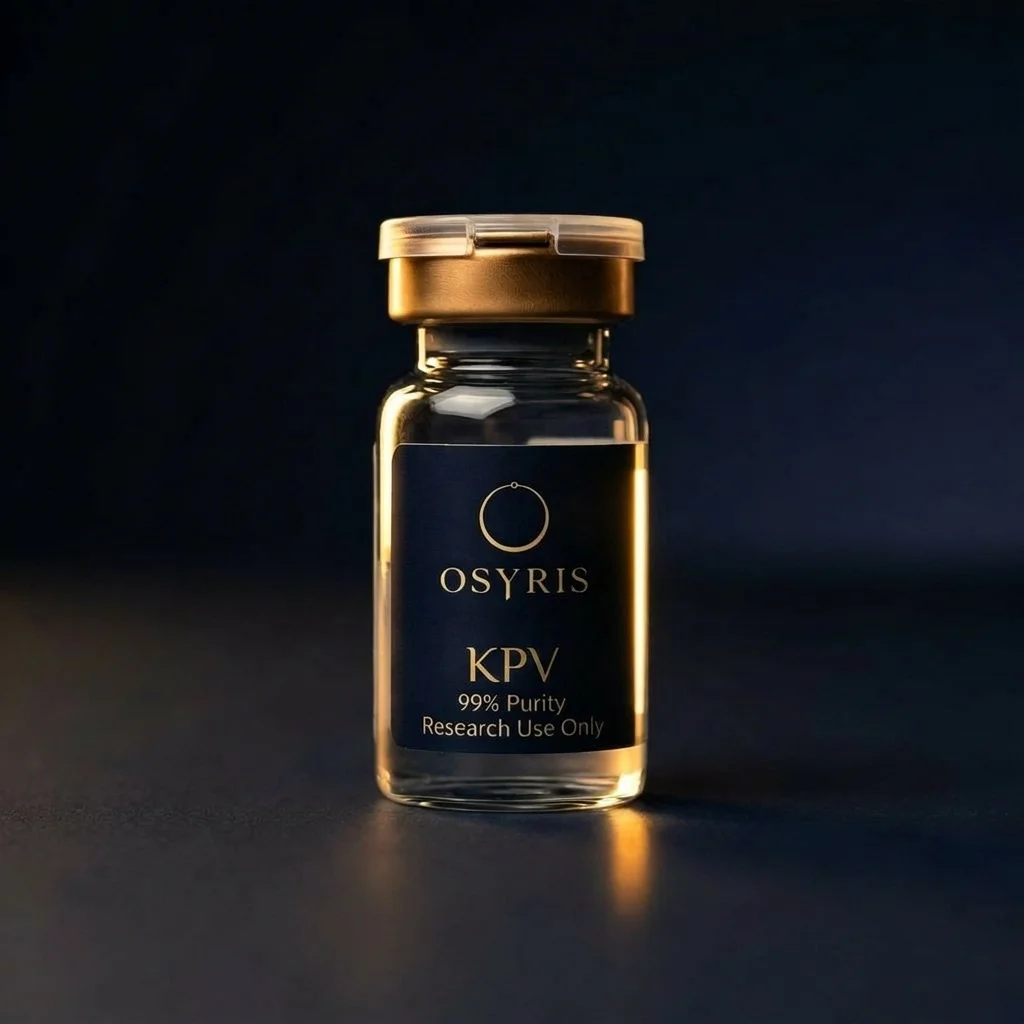
KPV is a tripeptide fragment (Lys-Pro-Val) derived from the α-melanocyte-stimulating hormone (α-MSH). Supplied as a high-purity research peptide, KPV 10 mg is used exclusively in controlled laboratory settings for studies exploring cellular interactions, peptide signaling, and structure–function relationships. For research purposes only.
View product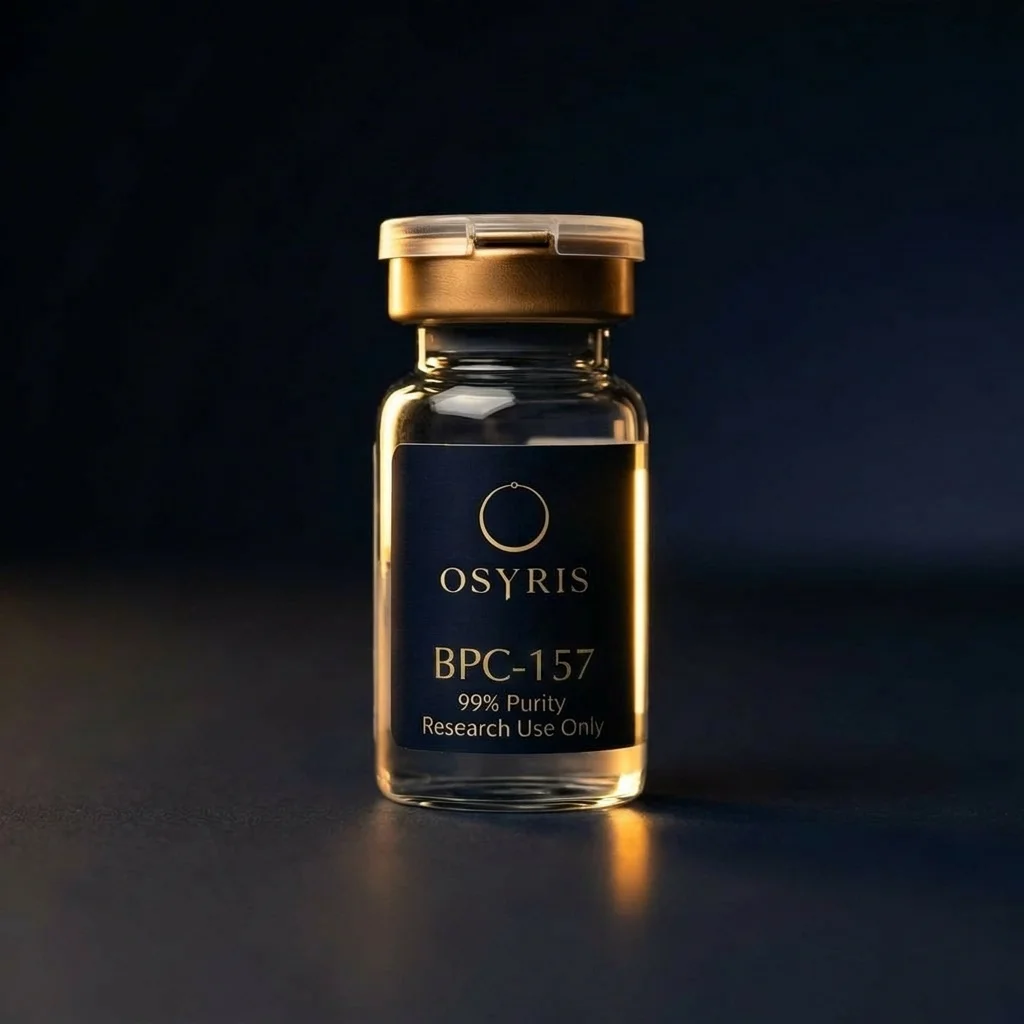 Research Product
BPC-157
Research Product
BPC-157
BPC-157 is a synthetic pentadecapeptide derived from a protective protein found in the gastric mucosa. Structurally stable and water-soluble, it is widely studied for its potential role in cellular signaling, tissue regeneration, and inflammation models. BPC-157 is intended solely for laboratory and in vitro research purposes.
View product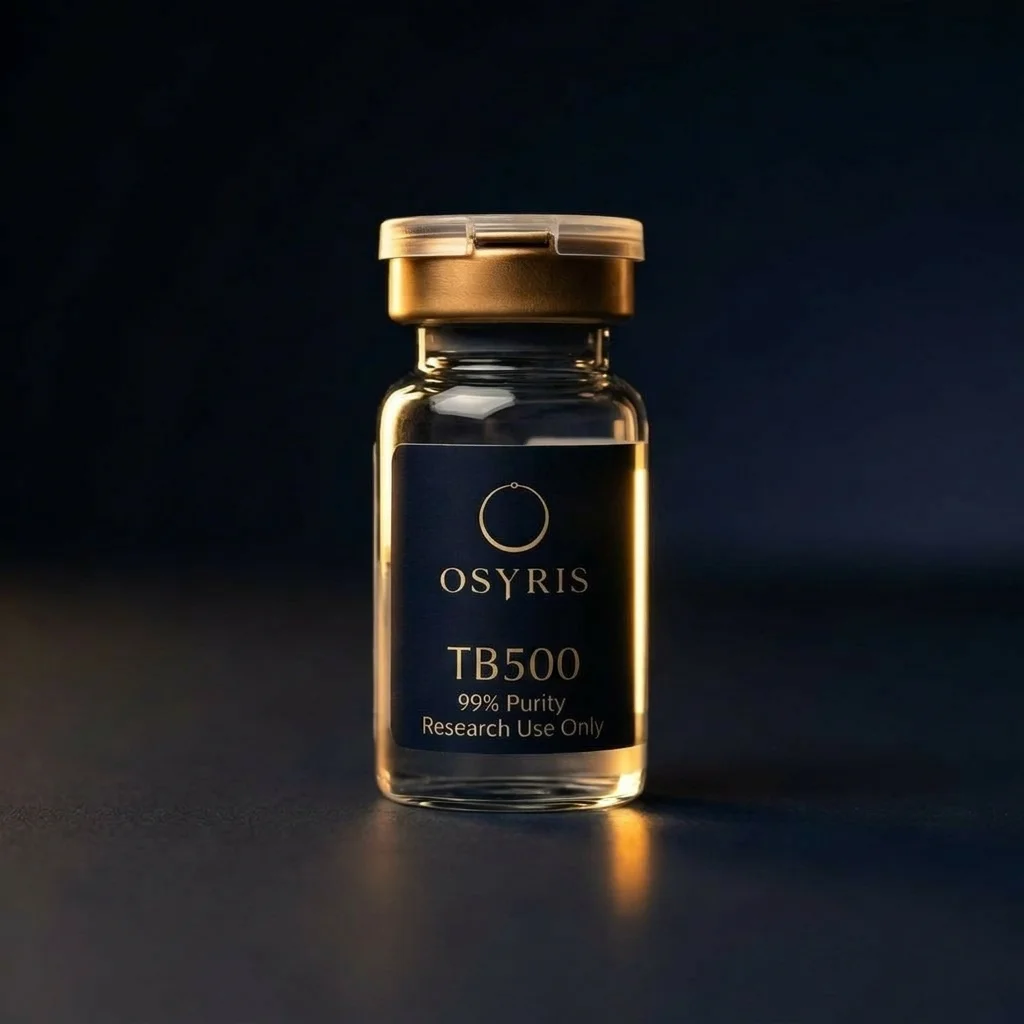 Research Product
TB500
Research Product
TB500
TB500 refers to research-grade thymosin beta-4–derived peptide material used to study actin binding, cell migration, angiogenesis, and tissue remodeling pathways. It is suited for in vitro and in vivo models investigating cytoskeletal regulation and repair-associated signaling, without any approved therapeutic designation.
View product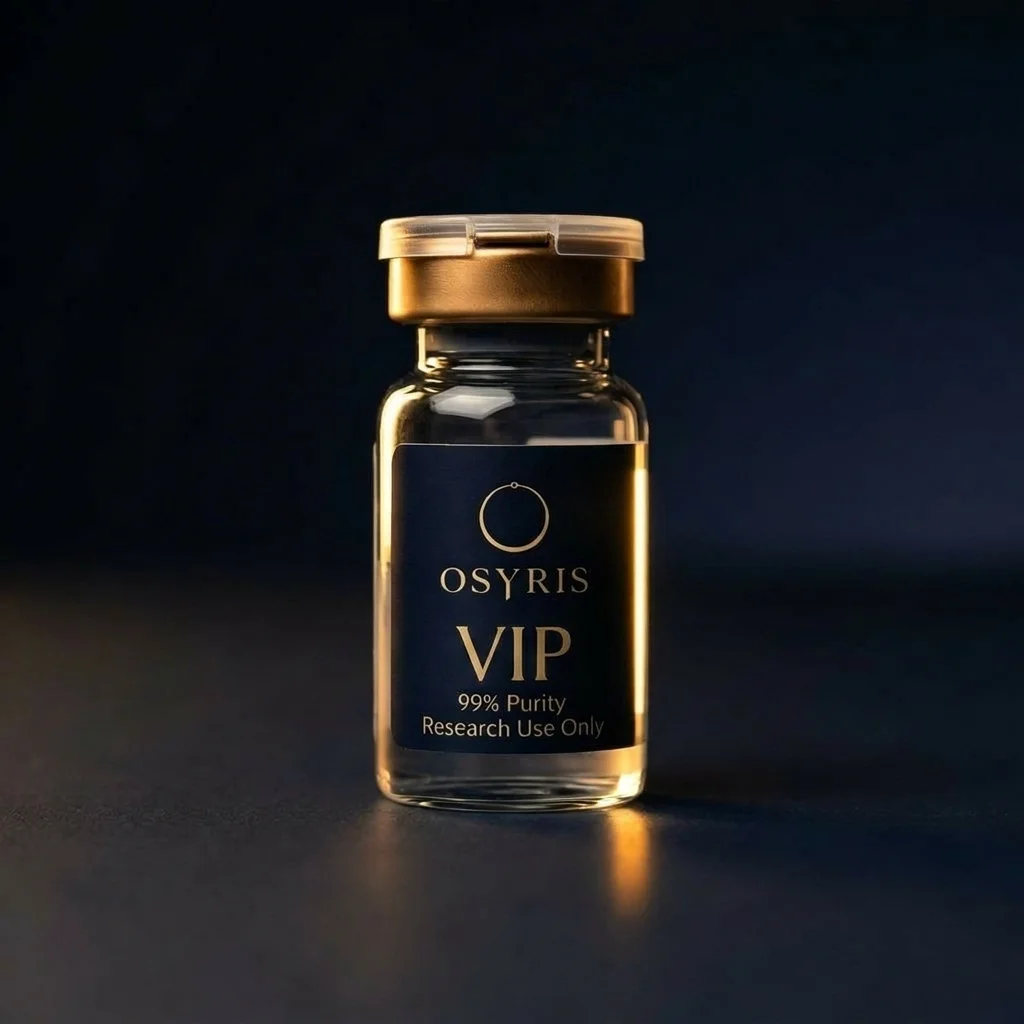 Research Product
VIP
View product
Research Product
VIP
View product
 Research Product
Selank
Research Product
Selank
Selank is a synthetic heptapeptide with the amino acid sequence Thr-Lys-Pro-Arg-Pro-Gly-Pro. Structurally derived from the endogenous tetrapeptide tuftsin, Selank is classified as an anxiolytic and neuroregulatory research peptide. It has been widely studied for its impact on monoamine neurotransmitters, immune modulation, and neurotrophic factors. Supplied as a lyophilized powder, Selank is intended strictly for in vitro and in vivo research applications.
View product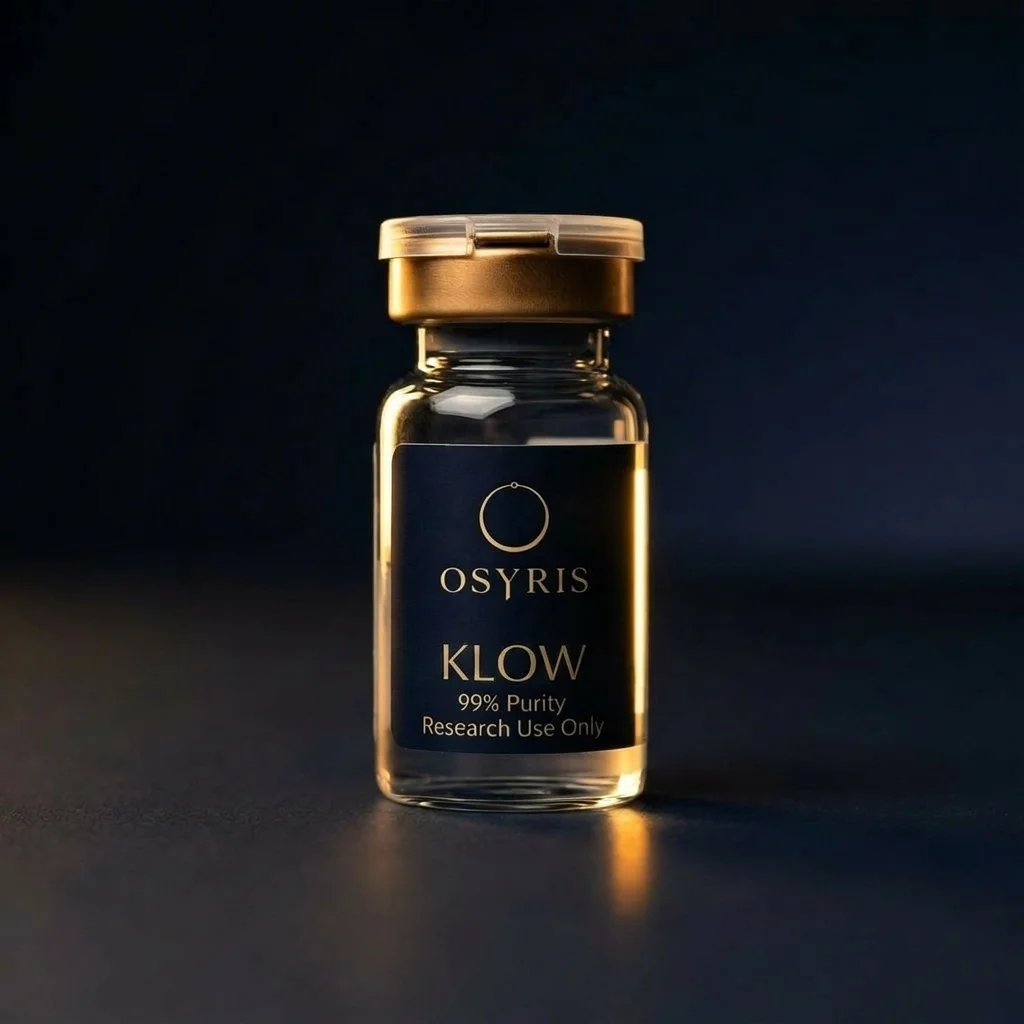 Research Product
KLOW
Research Product
KLOW
KLOW is a composite research peptide blend comprising BPC-157, thymosin beta-4, GHK-Cu and KPV. Supplied as a high-purity lyophilized powder, it supports in vitro exploration of angiogenesis, extracellular matrix turnover, cytoskeletal organization, and inflammatory signaling using complementary pathways derived from the component molecules. For laboratory research only, and controlled assays.
View productQuestions
Common Questions
Which peptide is the most direct anti-inflammatory fit?
KPV is usually the most direct fit when the protocol is explicitly centered on inflammatory signaling itself.
Why is BPC-157 included in anti-inflammatory discussions?
Because inflammatory stress often sits inside the broader repair and barrier contexts where BPC-157 is commonly studied.
Does TB500 count as an anti-inflammatory peptide?
It can in certain protocols, but it is usually stronger when the inflammatory question overlaps with remodeling and cell-movement biology.
When does VIP matter most?
VIP matters most when the protocol is about neuroimmune signaling rather than direct cytokine suppression alone.
What is KLOW for?
KLOW is best understood as a multi-pathway stack for protocols that combine repair and inflammatory questions in the same design.
Are these anti-inflammatory compounds approved treatments here?
No. OSYRIS sells them as laboratory research compounds only.