
Immune
Immune Peptides — From Anti-Inflammation to Adaptive Immunity
Complete guide to immune and host defense peptides. NF-κB inhibition, T-cell maturation, neuroimmunology. Clinical evidence assessed.
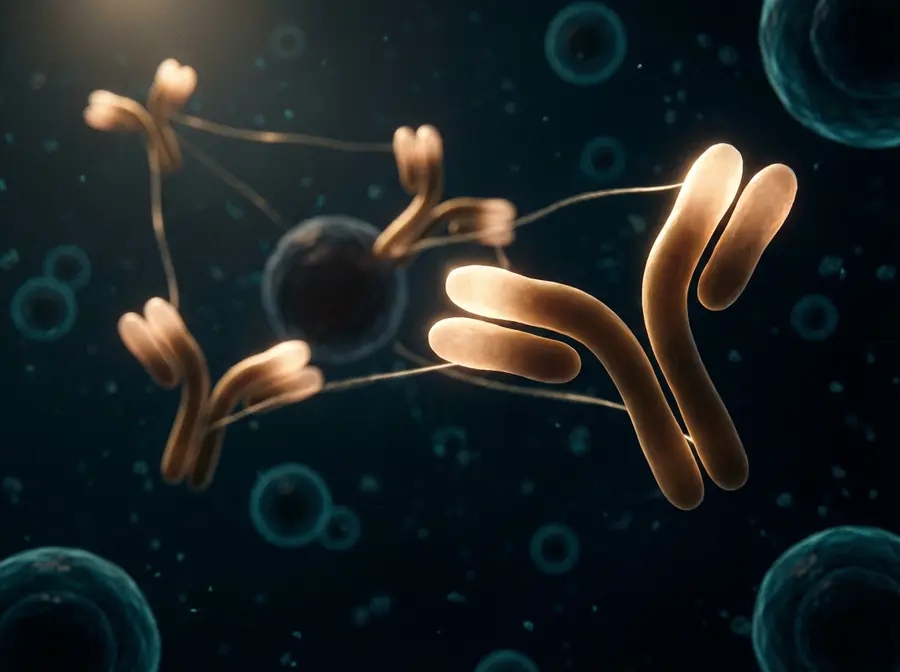
Three Levels of Immune Research
The immune system operates at multiple levels — and the OSYRIS Immune category addresses three distinct ones:
| Level | Compound | Mechanism | What It Does |
|---|---|---|---|
| Anti-inflammatory | KPV | NF-κB inhibition | Prevents excessive inflammatory signaling |
| Adaptive immunity | Thymosin Alpha 1 | T-cell maturation | Enhances immune cell quality and diversity |
| Neuroimmune | VIP | VPAC1/VPAC2 signaling | Bridges nervous and immune systems |
| Integrated | KLOW (stack) | All of the above + repair | Anti-inflammation + tissue repair |
KPV: Targeting the Master Inflammatory Switch
KPV's research value lies in its specificity. NF-κB controls the expression of hundreds of inflammatory genes — TNF-α, IL-6, IL-8, COX-2, and many more. By preventing NF-κB nuclear translocation, KPV blocks the entire downstream inflammatory program at a single intervention point.
Receptor independence: Unlike other melanocortin-derived peptides, KPV works without activating melanocortin receptors. This makes it a cleaner tool for studying NF-κB biology without the confounding variable of receptor-mediated signaling.
Gut inflammation focus: The strongest preclinical data comes from colitis models, where KPV reduced mucosal inflammation and improved barrier function. Its small size (3 amino acids) may allow epithelial transport.
Evidence level: Solid preclinical data from multiple groups. No human trials. Smaller total evidence base than Thymosin Alpha 1.
Thymosin Alpha 1: The Clinical-Grade Immunomodulator
Thymosin Alpha 1 stands alone in this category — and arguably in the entire OSYRIS catalog — for the depth of its clinical evidence. Approved in 35+ countries, studied in randomized controlled trials for hepatitis B/C, investigated as a vaccine adjuvant in elderly populations. No other immune peptide has this level of human data.
Mechanism as optimization: Tα1 doesn't just "boost" immunity — it enhances the quality of immune responses. T-cell maturation, dendritic cell activation (including the IDO pathway), NK cell enhancement, and balanced cytokine modulation.
Immunosenescence relevance: The thymus — where Tα1 was discovered — involutes dramatically with age. Thymic peptide decline is a primary driver of the age-related immune deterioration that increases infection susceptibility and reduces vaccine responsiveness.
Evidence level: The strongest in the Immune category. Multiple RCTs, clinical approval in 35+ countries, decades of published data from international groups.
VIP: The Nervous System's Immune Messenger
VIP occupies the fascinating intersection of neurology and immunology. As a neuropeptide with VPAC1/VPAC2 receptors on both neurons and immune cells, it's a natural bridge between the two systems.
Anti-inflammatory action: VIP reduces pro-inflammatory cytokines (TNF-α, IL-6, IL-12), promotes anti-inflammatory cytokine production (IL-10), and modulates the Th1/Th2 balance — a different anti-inflammatory mechanism than KPV's NF-κB inhibition.
Neuroimmune research tool: For researchers studying how the nervous system regulates immune function (and vice versa), VIP is one of the few endogenous peptides that naturally operates across both systems.
Evidence level: Extensive preclinical data from multiple international groups. Broad research profile (immune + neuro + vascular).
KLOW: The Integration
KLOW combines immune regulation (KPV's NF-κB inhibition) with tissue repair (BPC-157 + TB500 + GHK-Cu). This stack exists because inflammation and repair are interdependent — you can't fully understand one without the other.
The research hypothesis behind KLOW: controlling excessive inflammation (KPV) while simultaneously promoting tissue repair through three complementary mechanisms (growth factor signaling, cell migration, gene expression) produces outcomes that neither anti-inflammatory nor repair intervention achieves alone.
Choosing by Research Focus
| Research Focus | Best Compound |
|---|---|
| NF-κB biology / inflammatory signaling | KPV |
| T-cell biology / adaptive immunity | Thymosin Alpha 1 |
| Neuroimmunology / nerve-immune interaction | VIP |
| Immune aging (immunosenescence) | Thymosin Alpha 1 |
| Gut mucosal immunity | KPV |
| Inflammation + tissue repair integration | KLOW |
| Clinical-grade evidence requirement | Thymosin Alpha 1 |
Featured Links
 Primary Compound
KPV
Primary Compound
KPV
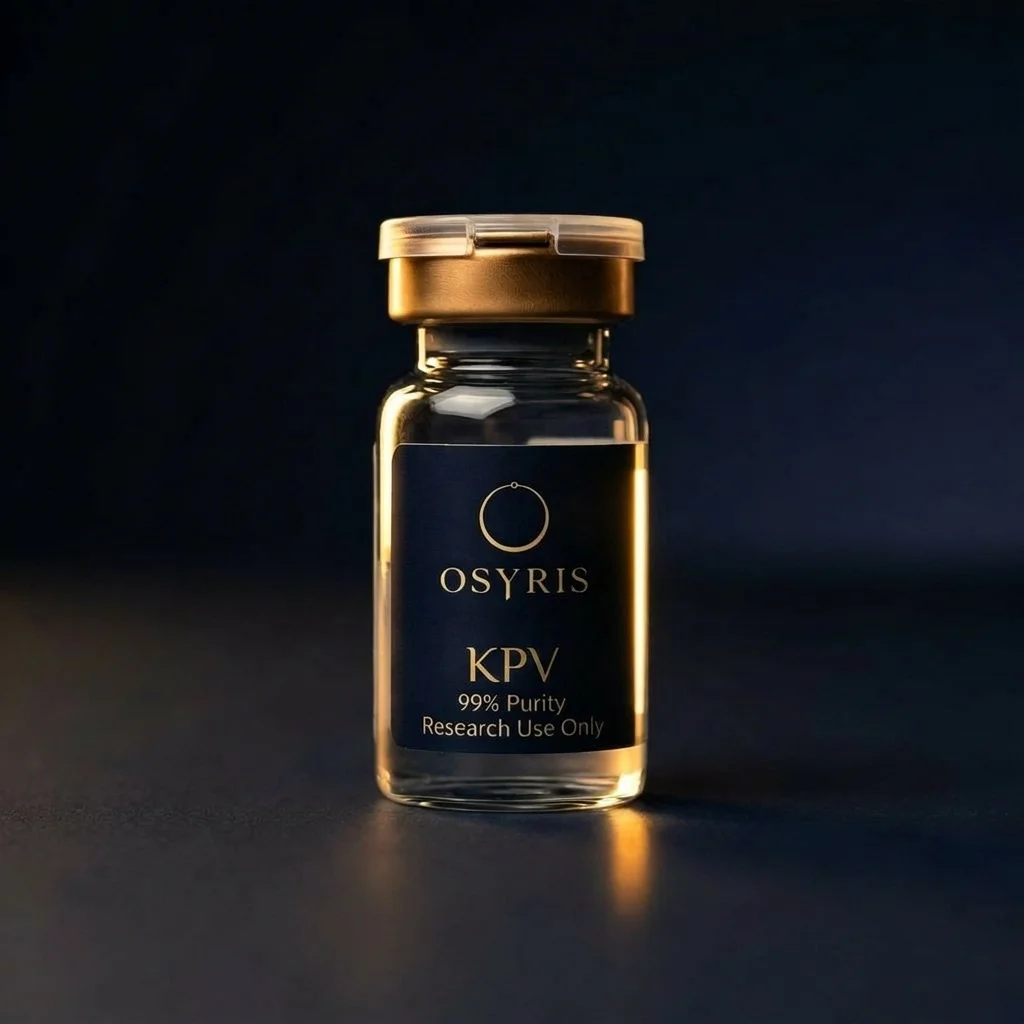
KPV is a tripeptide fragment (Lys-Pro-Val) derived from the α-melanocyte-stimulating hormone (α-MSH). Supplied as a high-purity research peptide, KPV 10 mg is used exclusively in controlled laboratory settings for studies exploring cellular interactions, peptide signaling, and structure–function relationships. For research purposes only.
View →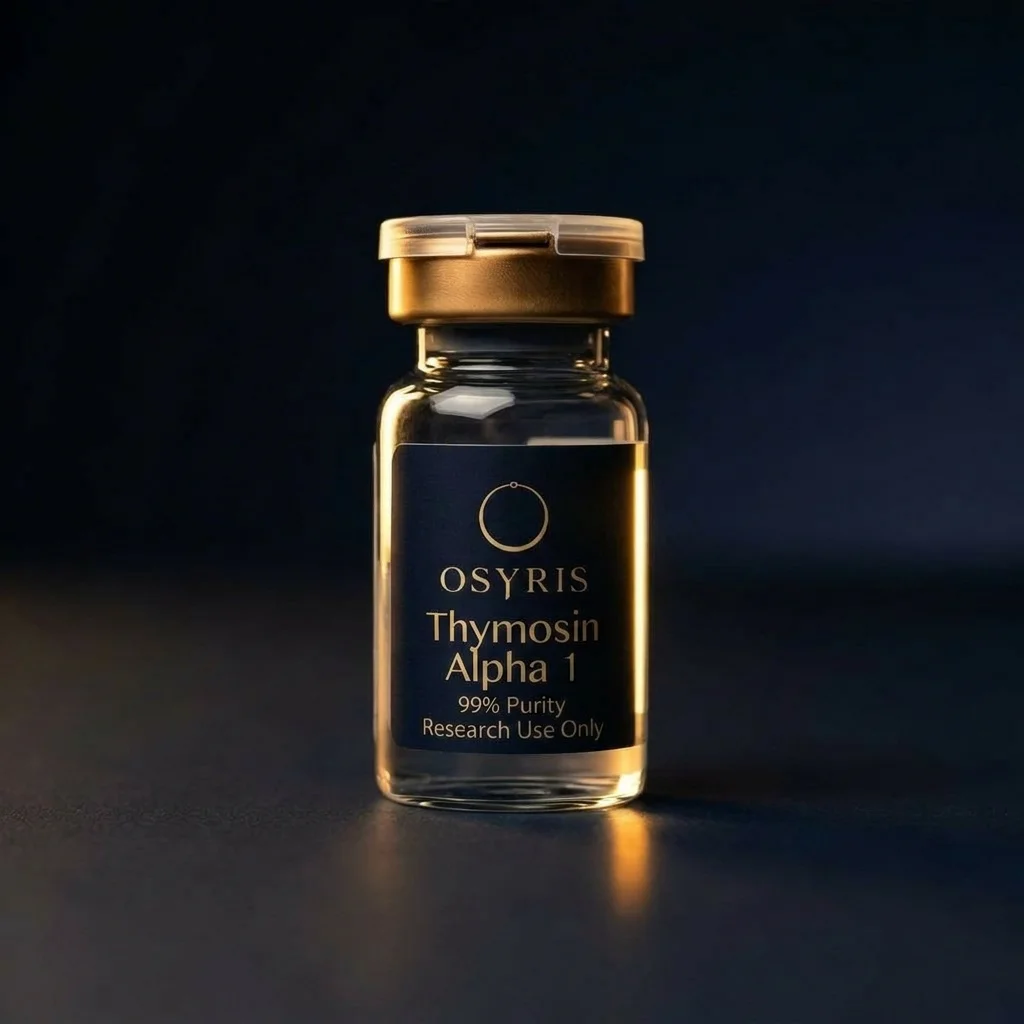 Primary Compound
Thymosin Alpha 1
Primary Compound
Thymosin Alpha 1
Thymosin Alpha 1 is a synthetic 28-amino-acid peptide fragment derived from pro-thymosin α, classified as an immunomodulatory research peptide. It is widely used in laboratory settings to investigate cellular regulation, biochemical signaling pathways, and interactions with immune-related molecular targets. Intended strictly for controlled research applications only.
View → Primary Compound
VIP
View →
Primary Compound
VIP
View →
 Primary Compound
KLOW
Primary Compound
KLOW
KLOW is a composite research peptide blend comprising BPC-157, thymosin beta-4, GHK-Cu and KPV. Supplied as a high-purity lyophilized powder, it supports in vitro exploration of angiogenesis, extracellular matrix turnover, cytoskeletal organization, and inflammatory signaling using complementary pathways derived from the component molecules. For laboratory research only, and controlled assays.
View →Questions
Common Questions
Which immune compound has the most evidence?
Thymosin Alpha 1, by a wide margin. It's approved in 35+ countries and has clinical trial data from multiple randomized controlled studies. No other immune peptide in the catalog comes close.
How do KPV and VIP compare for anti-inflammation?
Different mechanisms. KPV inhibits NF-κB directly (receptor-independent). VIP works through VPAC1/VPAC2 receptor signaling. Both reduce pro-inflammatory cytokines but through different molecular pathways.
Is KLOW for immune research or tissue repair?
Both. It's designed for protocols studying the intersection of immune regulation and tissue repair — the concept that controlling inflammation and promoting repair simultaneously may outperform either approach alone.
What is neuroimmunology?
The study of interactions between the nervous and immune systems. VIP is a research tool for this field because it naturally functions as a signaling molecule in both systems.
Can immune compounds be combined with longevity compounds?
Yes. Immunosenescence (immune aging) is an established hallmark of aging. Combining Thymosin Alpha 1 (immune) with NAD+ or Epithalon (longevity) could investigate whether immune and cellular aging interventions interact.
Why is KPV in the Immune category instead of Recovery?
KPV's primary mechanism (NF-κB inhibition) is an immune/inflammatory pathway. While inflammation is part of the recovery process, KPV's target is the inflammatory signaling machinery itself — making Immune the primary category. It appears in the KLOW stack (cross-listed to Recovery) for integrated protocols.