

Immune
KPV — A Tripeptide That Silences Inflammation
KPV anti-inflammatory tripeptide research. NF-κB inhibition, mucosal immunity, skin inflammation. Receptor-independent mechanism. PubMed cited.
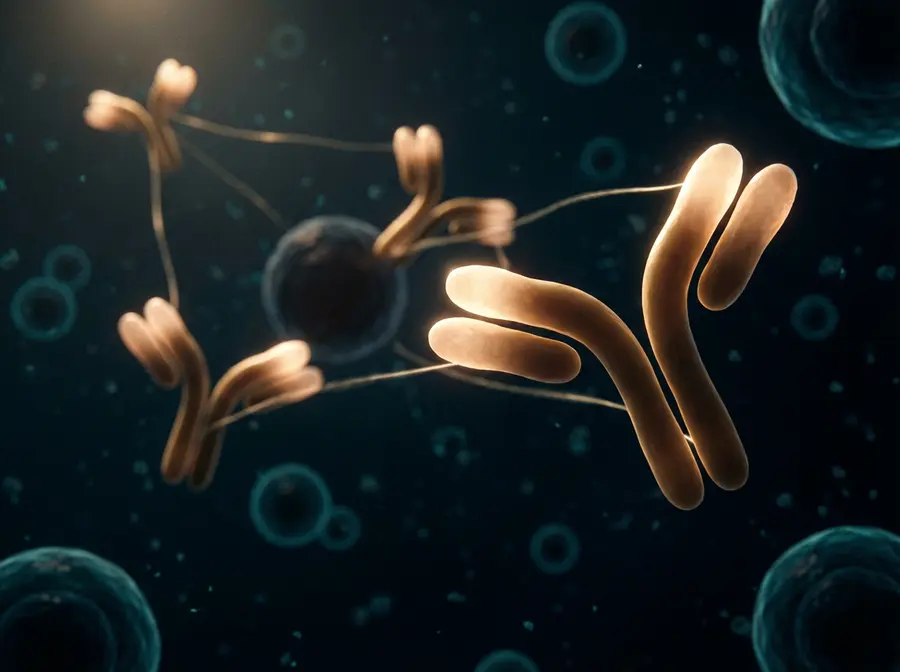
Three Amino Acids, One Master Switch
KPV is perhaps the simplest compound in the OSYRIS catalog: three amino acids — lysine, proline, valine — derived from the C-terminal end of alpha-melanocyte stimulating hormone (α-MSH). Yet this tripeptide has demonstrated potent anti-inflammatory activity in multiple preclinical models, acting through direct inhibition of NF-κB — the transcription factor that serves as the master switch for inflammatory gene expression.¹
What makes KPV mechanistically interesting is its receptor independence. Other α-MSH-derived compounds (Melanotan 2, PT-141) produce their effects through melanocortin receptor activation. KPV's anti-inflammatory effect operates without melanocortin receptor involvement — it interacts directly with intracellular signaling components to prevent NF-κB from entering the nucleus and activating pro-inflammatory genes.²
The NF-κB Target
NF-κB is a transcription factor family that controls the expression of hundreds of genes involved in inflammation, immunity, cell survival, and stress response. In unstimulated cells, NF-κB is sequestered in the cytoplasm by inhibitory proteins (IκBs). When the cell receives an inflammatory stimulus (bacterial products, cytokines, oxidative stress), IκBs are degraded, releasing NF-κB to enter the nucleus and activate gene transcription.
KPV inhibits this nuclear translocation — the step where NF-κB moves from cytoplasm to nucleus. By blocking this step, KPV prevents the activation of the entire downstream inflammatory gene program, including production of TNF-α, IL-6, IL-8, COX-2, and other inflammatory mediators.³
This is a powerful intervention point. Rather than blocking one cytokine or one inflammatory mediator, KPV targets the master switch that controls many of them simultaneously.
Gut Inflammation Research
KPV's most compelling preclinical data comes from intestinal inflammation models. Research by Dalmasso et al. (2008) demonstrated that KPV significantly reduced disease severity in mouse models of colitis, decreasing inflammatory cell infiltration, reducing mucosal damage, and improving disease activity scores.⁴
A particularly interesting finding was that KPV appeared to be transported across the intestinal epithelium — its small size (three amino acids) may allow passage through or between epithelial cells. This raised the possibility of oral delivery for targeting gut inflammation specifically, though this transport mechanism is not fully characterized.
The gut inflammation research is relevant because KPV's NF-κB inhibition addresses the excessive inflammatory signaling that drives tissue damage in inflammatory bowel conditions — without broadly suppressing immune function, since KPV's effects appear more targeted than systemic immunosuppressants.
Skin Inflammation Research
KPV has been studied in keratinocyte cultures and skin inflammation models, where it reduced pro-inflammatory cytokine production (TNF-α, IL-6, IL-8) in response to inflammatory stimuli. The dermatological research connects KPV to skin conditions characterized by NF-κB-driven inflammation.⁵
The KLOW Stack Context
In the OSYRIS KLOW Stack, KPV serves as the anti-inflammatory component alongside three tissue repair compounds (BPC-157, TB500, GHK-Cu). The rationale: inflammation and tissue repair are interdependent processes. Excessive inflammation impairs repair. Controlling inflammation while simultaneously promoting repair through complementary mechanisms may produce better outcomes than either approach alone.
Limitations
Small molecule, limited research volume. KPV has fewer published studies than BPC-157, TB500, or Thymosin Alpha 1. The evidence base, while consistent, is smaller.
Mechanism detail incomplete. Exactly how KPV interacts with the NF-κB signaling complex at the molecular level is not fully resolved. The interaction is established; the binding site and mechanism are under investigation.
No human data. All evidence is from cell culture and animal models.
Receptor independence not fully proven. While the evidence strongly suggests receptor-independent activity, the possibility of indirect receptor involvement through unknown mechanisms has not been completely excluded.
Featured Links
 Research Product
KPV
Research Product
KPV
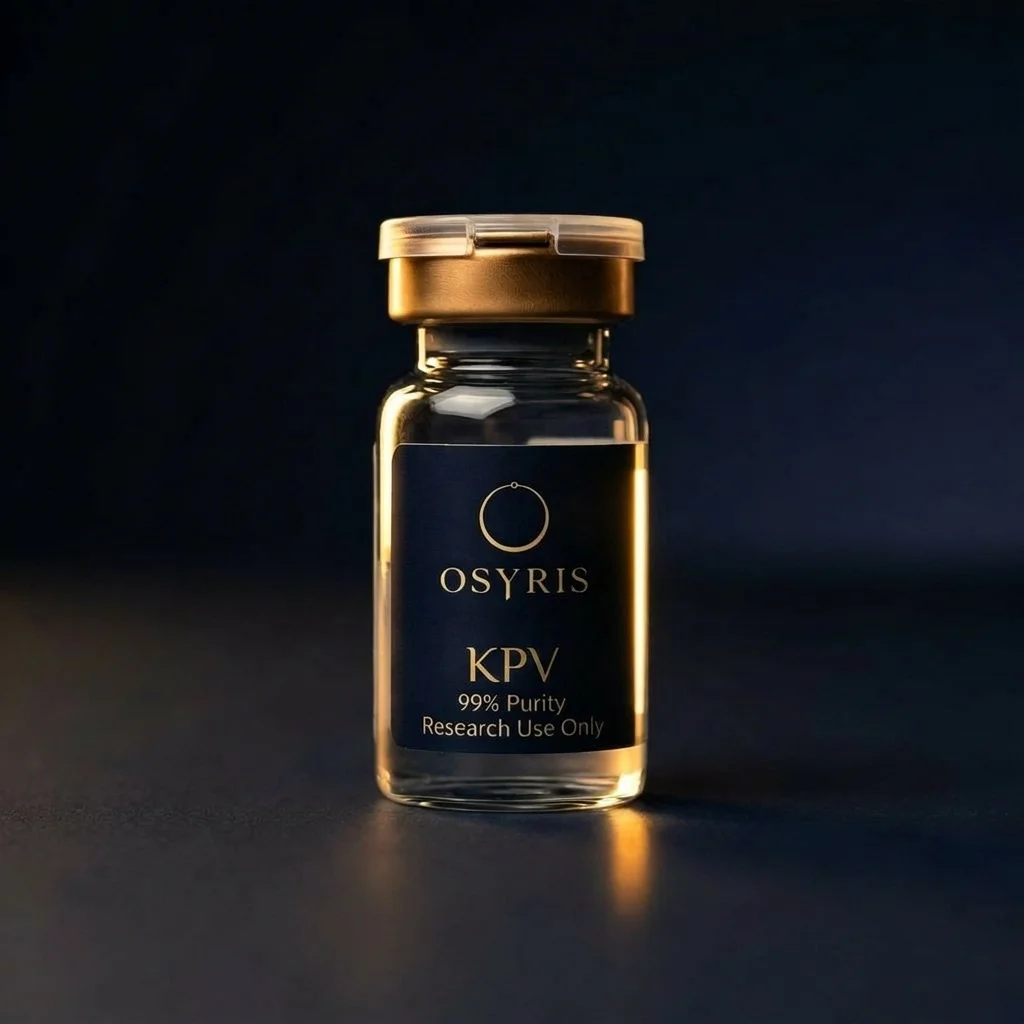
KPV is a tripeptide fragment (Lys-Pro-Val) derived from the α-melanocyte-stimulating hormone (α-MSH). Supplied as a high-purity research peptide, KPV 10 mg is used exclusively in controlled laboratory settings for studies exploring cellular interactions, peptide signaling, and structure–function relationships. For research purposes only.
View product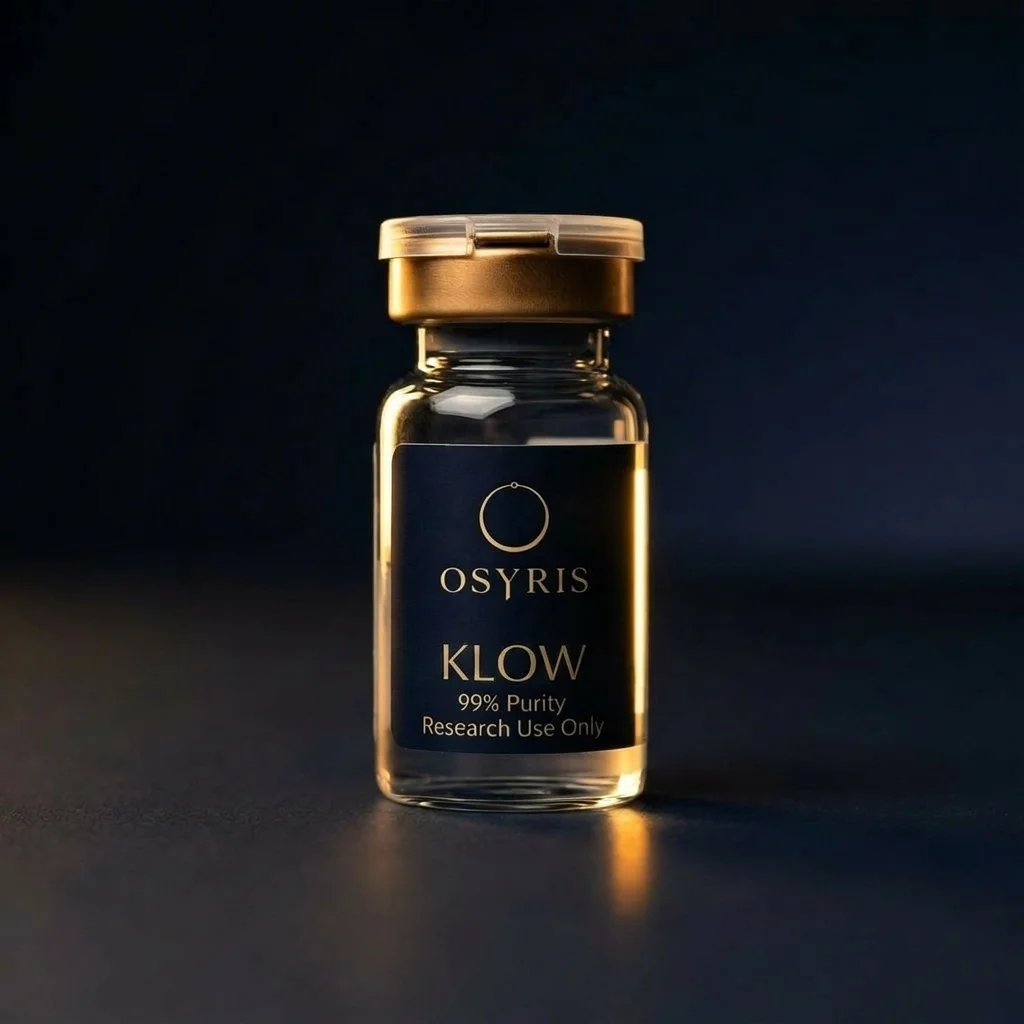 Research Product
KLOW
Research Product
KLOW
KLOW is a composite research peptide blend comprising BPC-157, thymosin beta-4, GHK-Cu and KPV. Supplied as a high-purity lyophilized powder, it supports in vitro exploration of angiogenesis, extracellular matrix turnover, cytoskeletal organization, and inflammatory signaling using complementary pathways derived from the component molecules. For laboratory research only, and controlled assays.
View product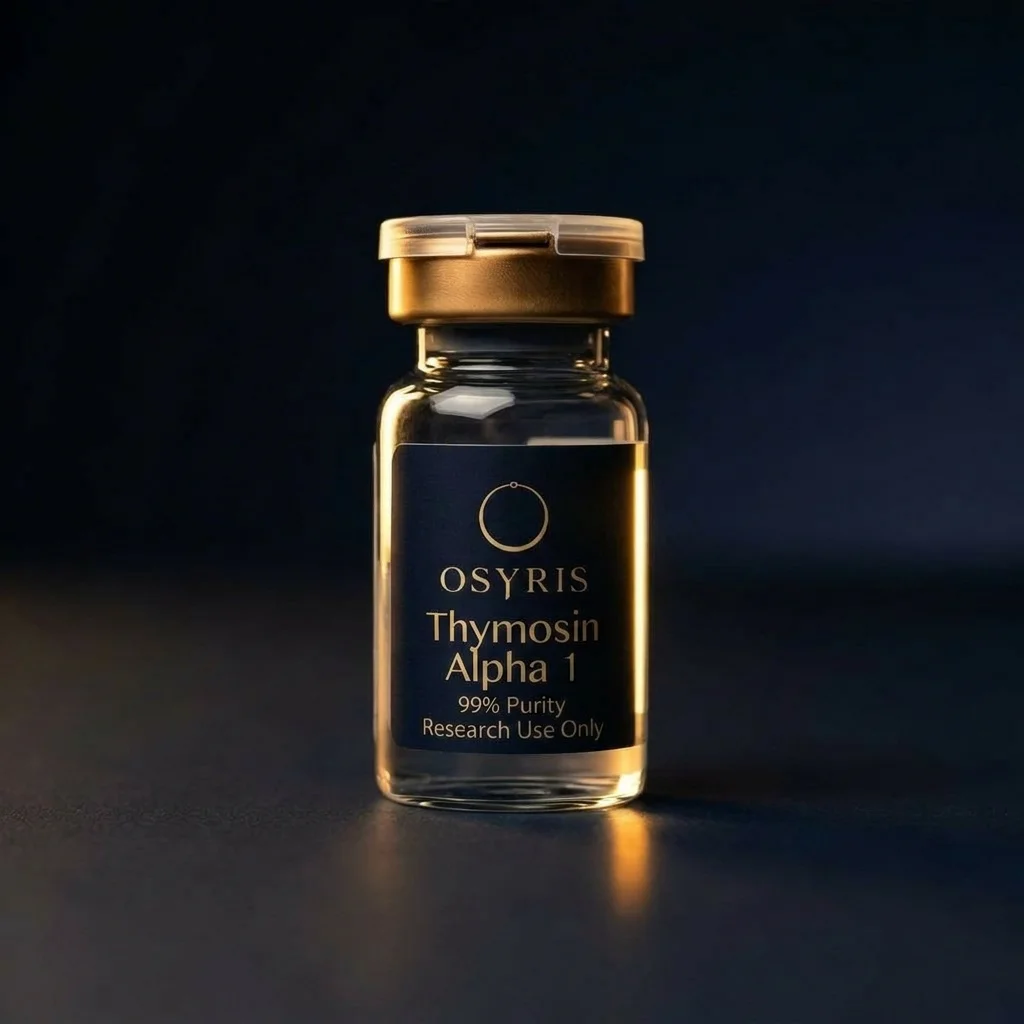 Research Product
Thymosin Alpha 1
Research Product
Thymosin Alpha 1
Thymosin Alpha 1 is a synthetic 28-amino-acid peptide fragment derived from pro-thymosin α, classified as an immunomodulatory research peptide. It is widely used in laboratory settings to investigate cellular regulation, biochemical signaling pathways, and interactions with immune-related molecular targets. Intended strictly for controlled research applications only.
View productQuestions
Common Questions
How does KPV reduce inflammation?
By preventing NF-κB — the master inflammatory transcription factor — from entering the cell nucleus and activating inflammatory genes. This blocks the production of multiple inflammatory mediators simultaneously.
Is KPV related to Melanotan 2?
Both derive from alpha-MSH, but they work through completely different mechanisms. MT-II activates melanocortin receptors. KPV inhibits NF-κB directly without melanocortin receptor involvement.
Why is KPV so small?
It's just three amino acids (Lys-Pro-Val). Its small size may be advantageous — it potentially crosses epithelial barriers more easily than larger peptides, and its receptor-independent mechanism doesn't require the complex binding surfaces that larger peptides use.
What is NF-κB?
A transcription factor family that controls the expression of hundreds of inflammatory, immune, and survival genes. When activated, it enters the nucleus and turns on inflammatory gene programs. It's called the "master switch" of inflammation.
Can KPV be taken orally?
Research suggests KPV may cross intestinal epithelium due to its small size, and it showed activity in gut inflammation models. However, oral delivery for anti-inflammatory purposes has not been validated in clinical studies.
How does KPV fit in the KLOW Stack?
KPV is the anti-inflammatory component. The other three compounds (BPC-157, TB500, GHK-Cu) promote tissue repair. KPV controls the inflammatory environment while the repair peptides rebuild tissue.
References
- Brzoska T, et al. "Alpha-MSH and related tripeptides: antiinflammatory and protective effects." Advances in Protein Chemistry, 2008. PMID 18605237
- Luger TA, et al. "Alpha-MSH and related peptides in the immune system." Annals of the New York Academy of Sciences, 2003.
- Getting SJ, et al. "Melanocortin peptides and their receptors: anti-inflammatory potential." Trends in Pharmacological Sciences, 2002.
- Dalmasso G, et al. "KPV attenuates inflammatory colitis." PLoS ONE, 2008. PMID 18941502
- Brzoska T, et al. "Alpha-MSH-derived peptides in inflammatory skin diseases." Annals of the New York Academy of Sciences, 2006.