

Immune
Understanding NF-κB and Inflammatory Signaling
A plain-language explainer on NF-κB, inflammatory gene activation, and why this pathway is central to KPV and immune-regulation research.
Why NF-κB Is Called a Master Switch
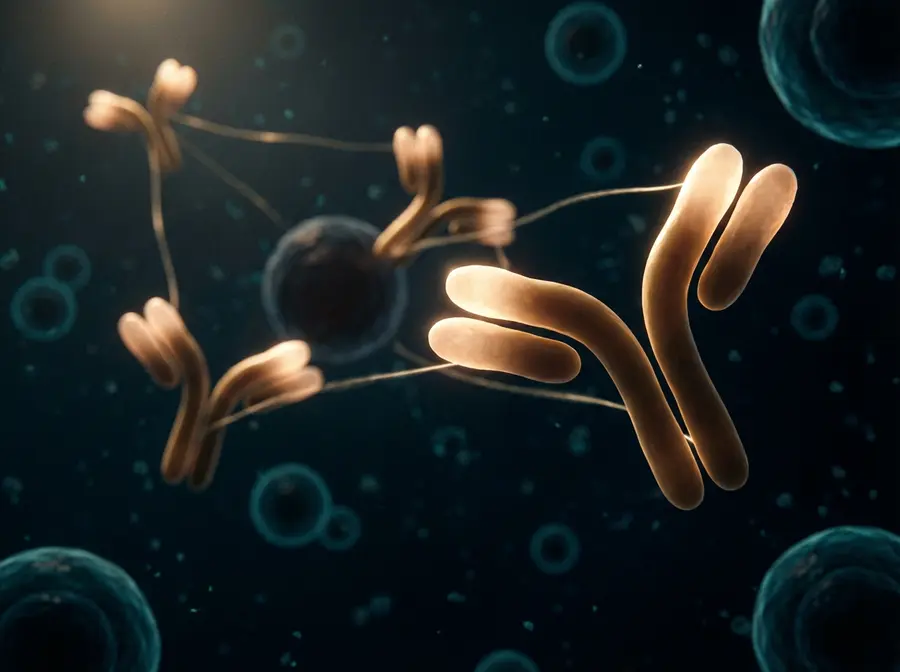
NF-κB is one of the best-known inflammatory transcription factors in biology. When activated, it moves into the nucleus and turns on a broad program of inflammatory gene expression. That includes cytokines, adhesion molecules, enzymes, and many of the other signals that define an active inflammatory state.
It is called a master switch because it sits upstream of so many downstream outcomes. If NF-κB activation is excessive or prolonged, the whole inflammatory program can stay elevated longer than the tissue actually needs.
The IKK–IκB–NF-κB Cascade
In resting cells, NF-κB is typically held inactive in the cytoplasm by IκB proteins. When pro-inflammatory signals arrive, IKK phosphorylates IκB, marking it for degradation. Once IκB is removed, NF-κB is free to translocate into the nucleus and activate transcription.
That sequence — IKK activation, IκB removal, nuclear NF-κB signaling — is the backbone of many inflammatory diagrams because it describes how the signal is released and translated into gene output.
Why KPV Keeps Showing Up
KPV is studied because it appears to suppress NF-κB-related inflammatory signaling without relying on classical melanocortin receptor activation. That gives researchers a compact way to study whether damping the transcriptional control layer can calm inflammatory output across gut, skin, and immune models.
NF-κB is not always bad. Acute inflammatory signaling is essential for host defense and repair. The research question is usually about excessive or mis-timed activation, not about eliminating inflammation entirely.
Featured Links
 Research Product
KPV
Research Product
KPV
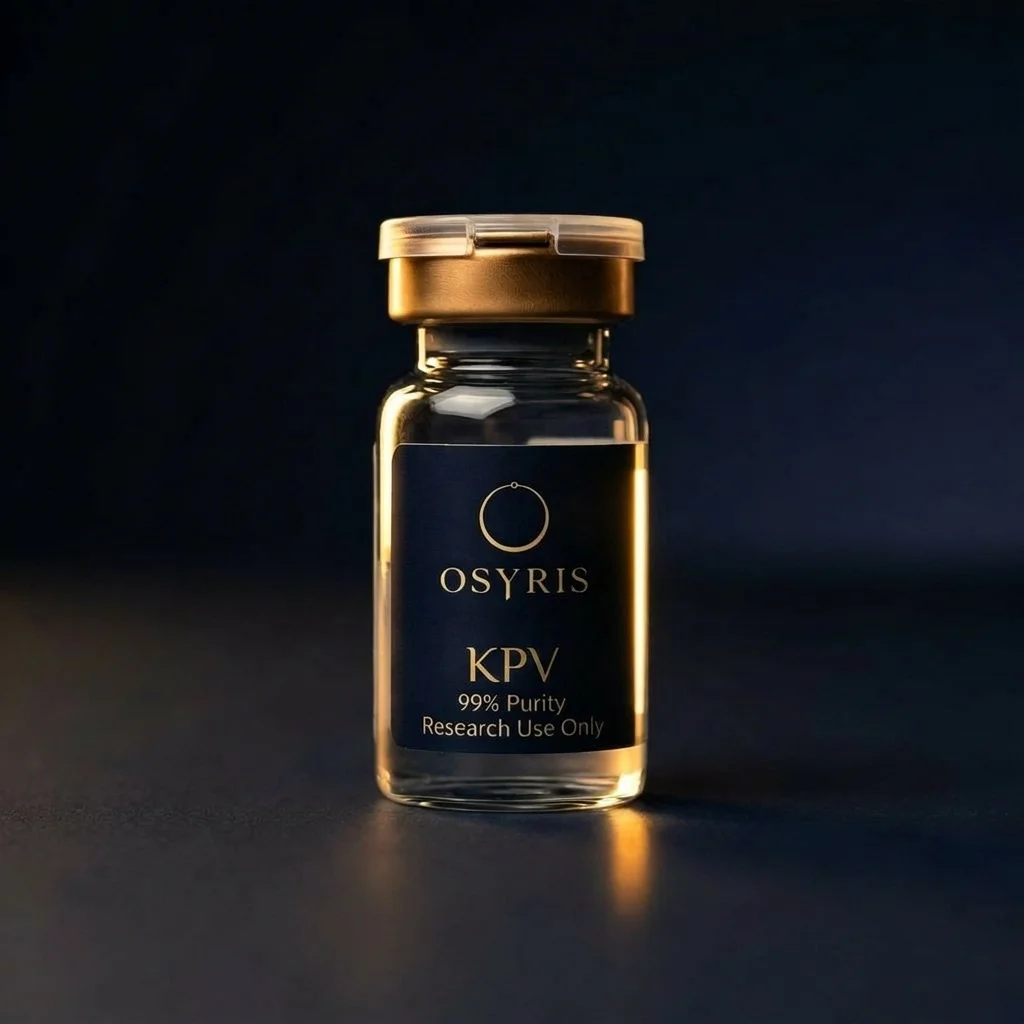
KPV is a tripeptide fragment (Lys-Pro-Val) derived from the α-melanocyte-stimulating hormone (α-MSH). Supplied as a high-purity research peptide, KPV 10 mg is used exclusively in controlled laboratory settings for studies exploring cellular interactions, peptide signaling, and structure–function relationships. For research purposes only.
View product Research Guide KPV Research OverviewJump into the compound-level literature on KPV and its place in NF-κB-centered inflammation research.
Read → Research Guide Immune Peptides Research GuideSee how NF-κB inhibition fits beside T-cell maturation and neuroimmune signaling in the immune category.
Read →Questions
Common Questions
What activates NF-κB?
Many stress and immune signals do, including cytokines, pathogen-recognition cues, oxidative stress, and tissue-damage signaling.
What does NF-κB do in the nucleus?
It binds DNA and turns on a large set of genes involved in inflammatory and stress-response programs.
Why is NF-κB called a "master switch"?
Because it sits upstream of many different inflammatory outputs rather than controlling just one isolated gene.
How does KPV block it?
KPV is studied as an inhibitor of NF-κB-related inflammatory activation, likely acting upstream of or within the signaling cascade that leads to nuclear transcription.
Is NF-κB always bad?
No. Acute NF-κB signaling is necessary for normal immune defense. Problems arise when activation becomes excessive, chronic, or mis-timed.
What is the IKK-IκB-NF-κB cascade?
It is the classic signaling sequence in which IKK triggers IκB degradation, freeing NF-κB to enter the nucleus and activate inflammatory genes.