
Immune
Thymosin Alpha 1 vs TB500 — Resolving the Name Confusion
Thymosin Alpha 1 vs TB500 compared: immune modulation versus tissue repair, naming confusion, mechanisms, and category fit.

Why This Confusion Exists
Thymosin Alpha 1 and TB500 (Thymosin Beta-4) share the word "thymosin" and were both first isolated from thymus gland extracts. This naming similarity causes persistent confusion — people frequently assume they're variants of the same compound or target the same biology.
They don't. Thymosin Alpha 1 and Thymosin Beta-4 are entirely different proteins from different thymic fractions (alpha vs beta), with different sizes, different mechanisms, different target cells, different biological effects, and zero functional overlap. The only thing they share is the organ they were discovered in.¹
Two Different Thymic Functions
The thymus gland does two things: it produces immune cells (T-cell maturation) and it produces structural proteins (found in all cell types). These functions are biologically unrelated.
Thymosin Alpha 1 comes from the immune function. It promotes T-cell maturation, enhances dendritic cell activity, and modulates cytokine production. It is studied in immune contexts: viral immunity, immunosenescence, vaccine adjuvancy.
Thymosin Beta-4/TB500 comes from the structural function. Despite being discovered in the thymus, Thymosin Beta-4 is expressed in virtually every cell type and has nothing to do with immune biology. It regulates actin dynamics and cell migration. It is studied in tissue repair contexts: wound healing, cardiac repair, corneal injury.²
How to Remember the Difference
Alpha = Immunity. Think "A" for "Adaptive immunity." T-cells, dendritic cells, NK cells.
Beta = Building. Think "B" for "Building blocks." Actin, cytoskeleton, cell migration.
If your research is about immune function → Thymosin Alpha 1. If your research is about tissue repair → TB500. There is no research question where they substitute for each other.
Featured Links
 Research Product
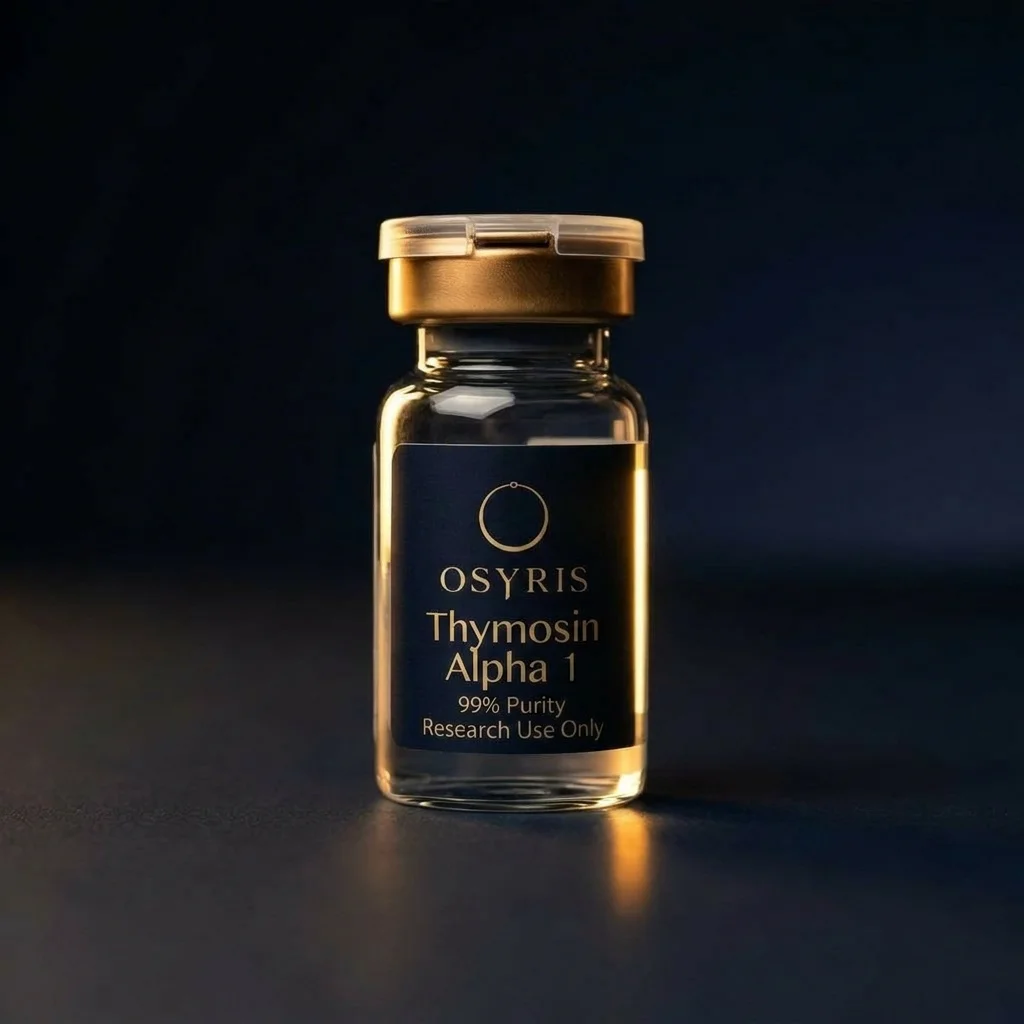
Thymosin Alpha 1
Research Product
Thymosin Alpha 1
Thymosin Alpha 1 is a synthetic 28-amino-acid peptide fragment derived from pro-thymosin α, classified as an immunomodulatory research peptide. It is widely used in laboratory settings to investigate cellular regulation, biochemical signaling pathways, and interactions with immune-related molecular targets. Intended strictly for controlled research applications only.
View product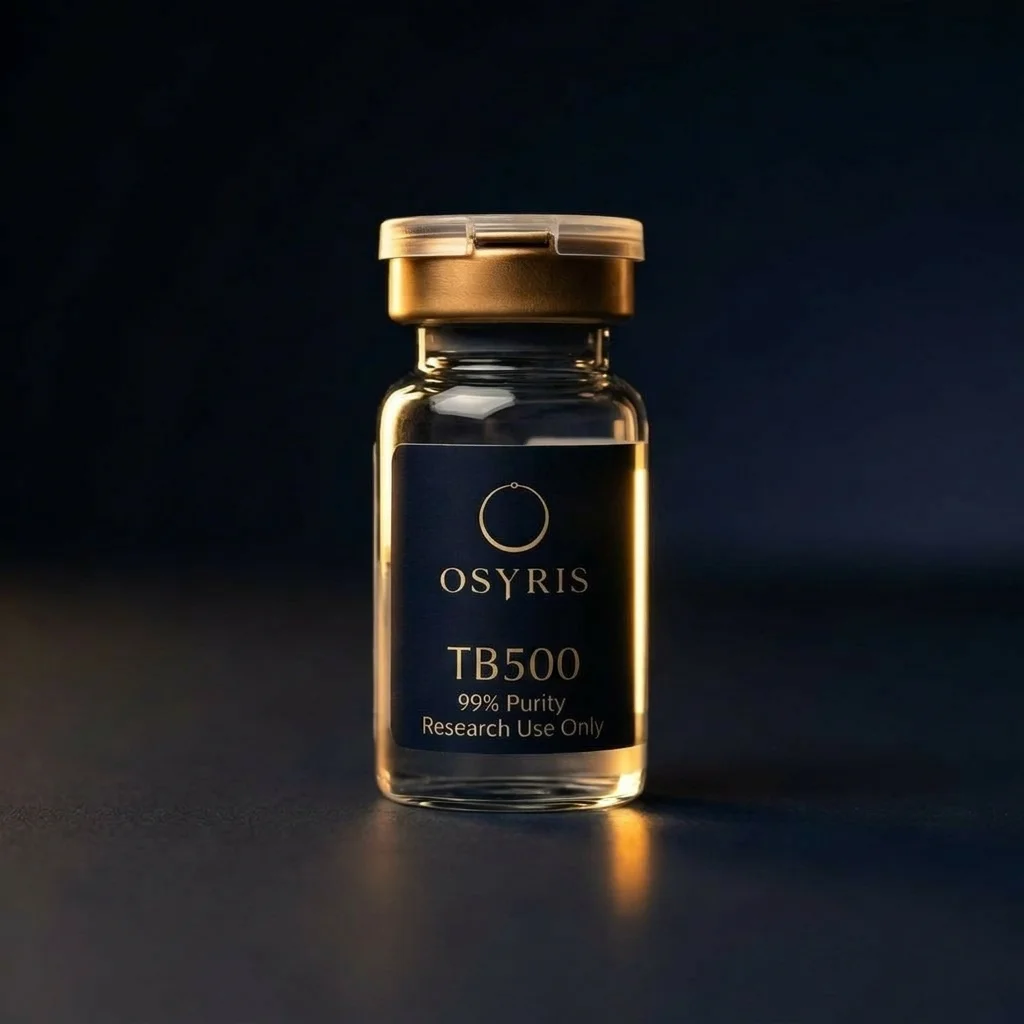 Research Product
TB500
Research Product
TB500
TB500 refers to research-grade thymosin beta-4–derived peptide material used to study actin binding, cell migration, angiogenesis, and tissue remodeling pathways. It is suited for in vitro and in vivo models investigating cytoskeletal regulation and repair-associated signaling, without any approved therapeutic designation.
View product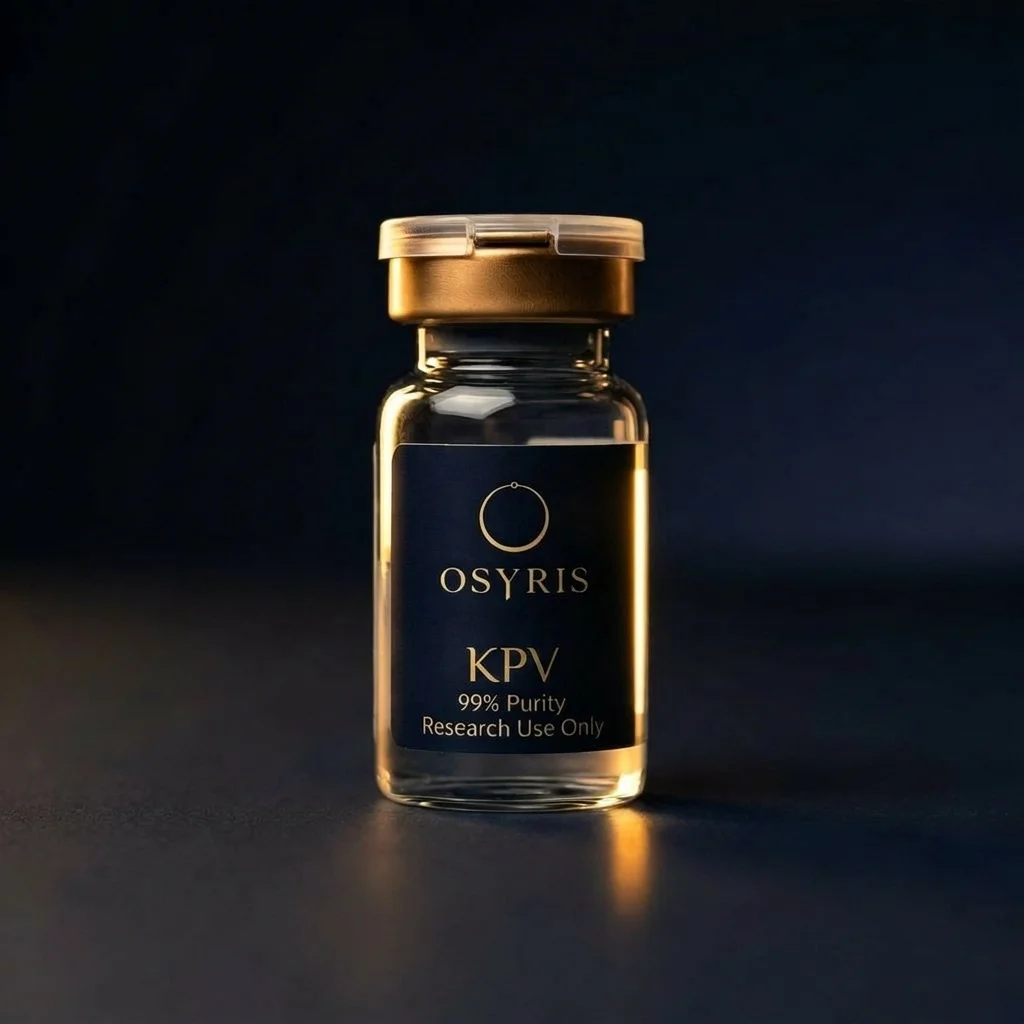 Research Product
KPV
Research Product
KPV
KPV is a tripeptide fragment (Lys-Pro-Val) derived from the α-melanocyte-stimulating hormone (α-MSH). Supplied as a high-purity research peptide, KPV 10 mg is used exclusively in controlled laboratory settings for studies exploring cellular interactions, peptide signaling, and structure–function relationships. For research purposes only.
View productQuestions
Common Questions
Are they the same compound?
No. Different proteins, different functions, different mechanisms. The shared "thymosin" name reflects their common discovery in thymus extracts, not biological similarity.
Can they be combined?
Technically yes, but there's no scientific rationale for combination since they target completely different biology. Combining them would be like combining a blood pressure medication with a wound dressing — they address unrelated systems.
Which has more evidence?
Thymosin Alpha 1 has clinical trial data and regulatory approval in 35+ countries. TB500/Thymosin Beta-4 has extensive preclinical data including a Nature publication but no clinical approvals.
Why are they in different categories?
Because they do completely different things. Thymosin Alpha 1 → Immune. TB500 → Recovery. The categorization reflects their biology, not their naming.
Is there a "Thymosin Gamma"?
Gamma thymosins were identified in early thymus extract fractionation but have received much less research attention than alpha and beta fractions.
Which is the KLOW Stack's component?
TB500 (the tissue repair one), not Thymosin Alpha 1. KLOW contains KPV + BPC-157 + TB500 + GHK-Cu — all tissue repair/anti-inflammatory compounds.