

Comparison
PT-141 vs Melanotan 2 — Selectivity Across the Melanocortin System
A melanocortin comparison explaining why PT-141 and Melanotan 2 belong to the same family but fit different research questions.

Same Family, Different Spectrum
PT-141 and Melanotan 2 both belong to the melanocortin family, but they occupy different parts of the spectrum. Melanotan 2 carries broader receptor-family relevance, especially once pigmentation enters the conversation. PT-141 is more useful when the protocol is trying to focus the question on central melanocortin biology rather than broad pigmentation-linked signaling.
Pigmentation vs CNS Emphasis
Melanotan 2 makes the most sense when pigmentation biology and broad melanocortin pharmacology are central. PT-141 becomes more attractive when the protocol wants a more CNS-centered conversation around melanocortin signaling without making pigmentation the main endpoint.
What Selectivity Means Here
Selectivity in this comparison is not about pretending one compound is perfectly isolated and the other is not. It is about where each compound puts the weight of the research question. PT-141 narrows the frame. Melanotan 2 broadens it.
Featured Links
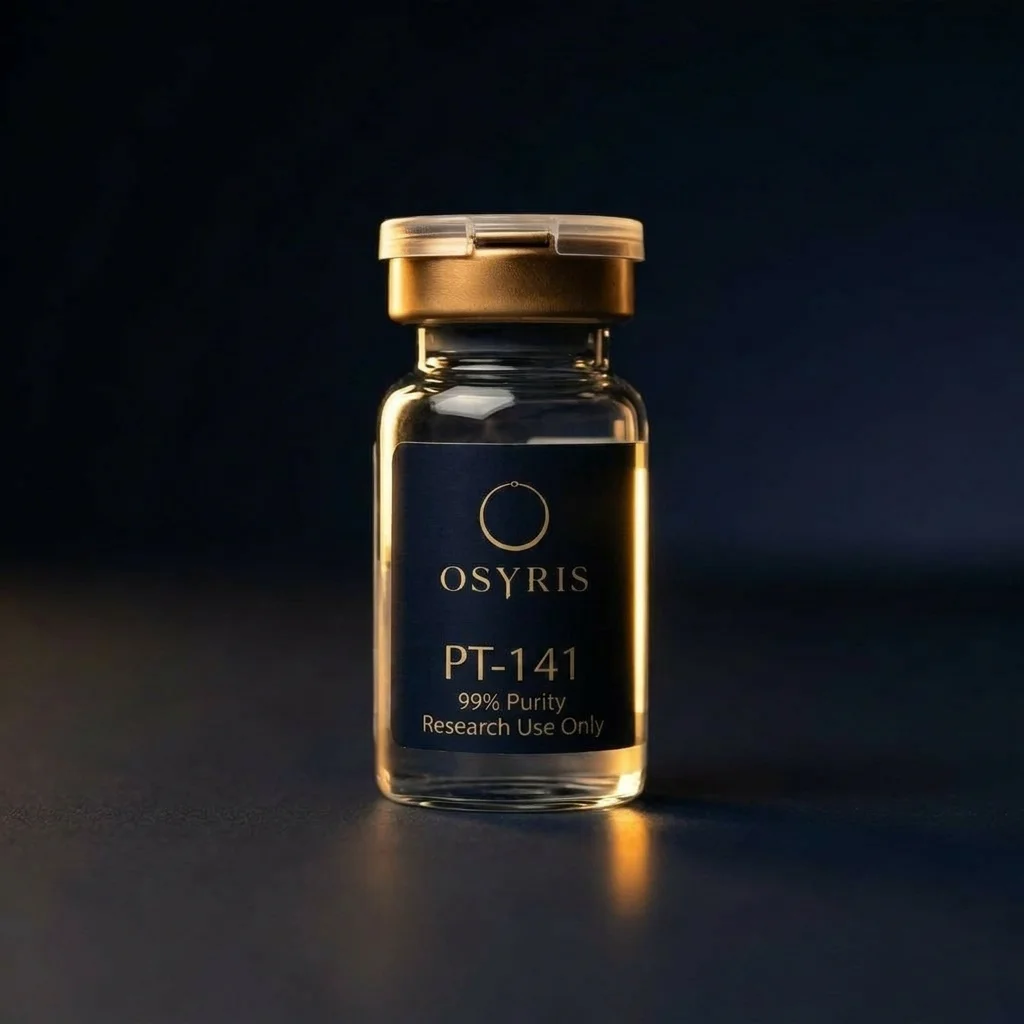 Research Product
PT-141
Research Product
PT-141
PT-141 (Bremelanotide) is a synthetic peptide analog derived from α-Melanocyte-Stimulating Hormone (α-MSH), consisting of seven amino acids. Supplied in lyophilized 10 mg vials for research use only, PT-141 is studied primarily for its interaction with melanocortin receptors and its role in central nervous system signaling pathways.
View product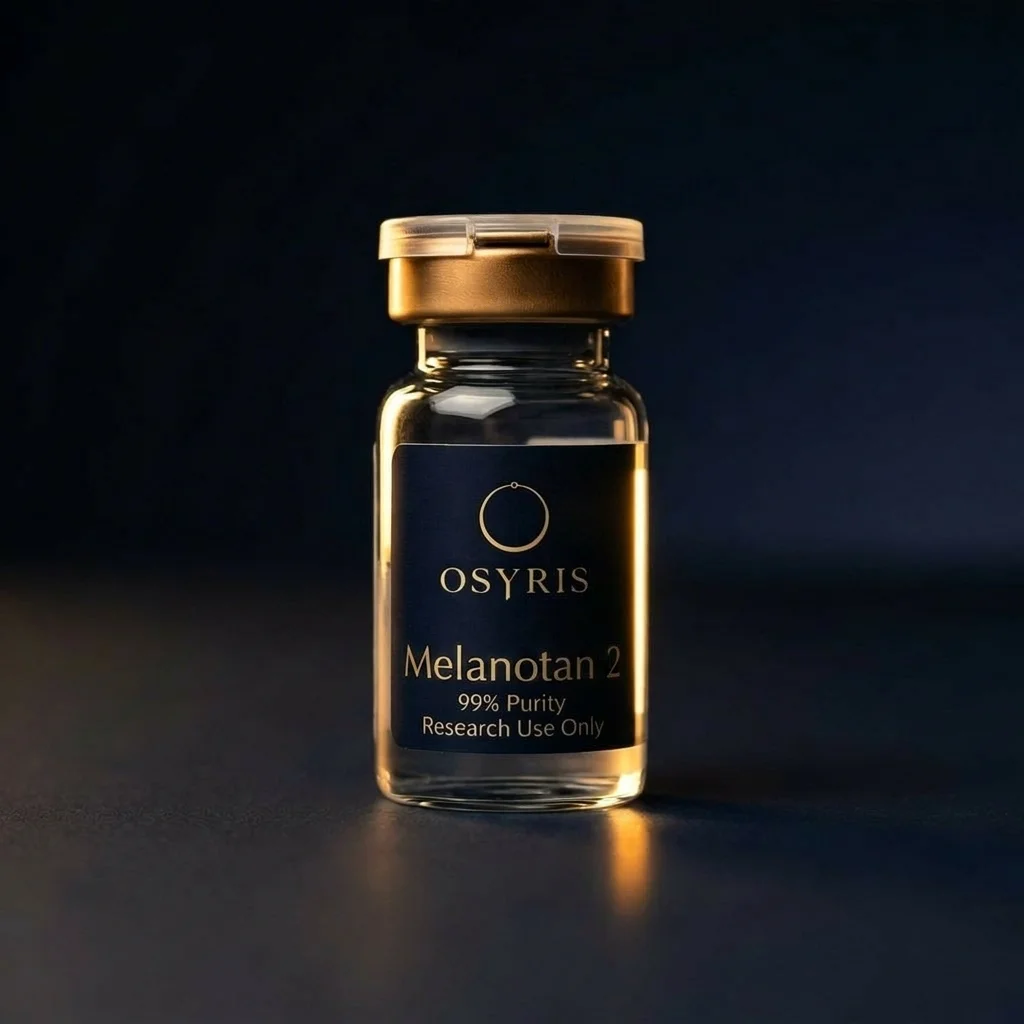 Research Product
Melanotan 2
Research Product
Melanotan 2
Melanotan II is a synthetic cyclic heptapeptide analog of α-MSH (alpha-melanocyte-stimulating hormone). It is studied for its interaction with melanocortin receptors, particularly MC1R and MC4R. MT-2 is used exclusively in laboratory settings to explore pigment regulation, energy homeostasis, and neuroendocrine signaling. Not for diagnostic or therapeutic use.
View product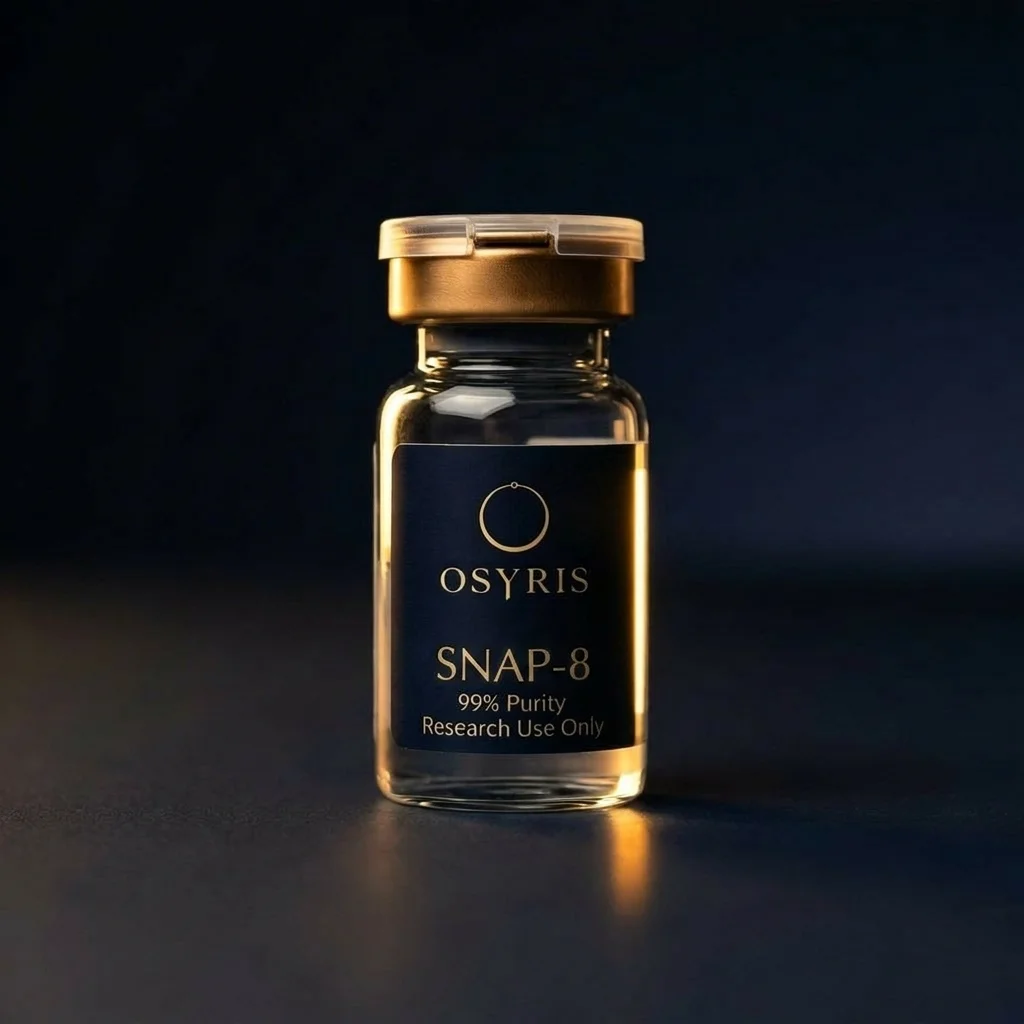 Research Product
SNAP-8
Research Product
SNAP-8
SNAP-8 is an acetylated octapeptide analog of the N-terminal domain of SNAP-25. It is used in vitro to investigate SNARE complex interactions, synaptic vesicle fusion, and peptide-mediated modulation of exocytosis in neuromuscular and dermal models, supporting structure–activity and vesicle trafficking research under controlled conditions.
View productQuestions
Common Questions
Are PT-141 and Melanotan 2 the same thing?
No. They belong to the same melanocortin family but fit different research emphases.
Which is more relevant for pigmentation research?
Melanotan 2 is the clearer fit when pigmentation is central.
Which is more relevant for central melanocortin signaling?
PT-141 is usually the cleaner fit for a more CNS-centered melanocortin question.
Why compare them at all?
Because comparing them clarifies how selectivity and breadth change the research frame even inside one receptor family.
Can a protocol use both?
Yes, especially when the design is meant to compare spectrum and selectivity within the melanocortin system.
Are these consumer products on OSYRIS?
No. They are listed as research compounds for laboratory use only.