

Aesthetics
Melanotan 2 — Melanocortin Receptor Pharmacology and Pigmentation Biology
Melanotan 2 research overview covering melanocortin receptor pharmacology, pigmentation biology, and melanogenesis signaling.

The Non-Selective Melanocortin Tool
Melanotan 2 occupies a unique position in melanocortin pharmacology. As a non-selective agonist activating all five melanocortin receptor subtypes (MC1R-MC5R), it provides researchers with a broad-spectrum tool for studying the melanocortin system in its entirety — unlike more selective compounds (PT-141 for MC3R/MC4R, setmelanotide for MC4R) that isolate individual receptor contributions.¹
This non-selectivity is both its strength (broad system activation, useful for initial screening) and its limitation (difficult to attribute effects to specific receptor subtypes).
The Pigmentation Cascade
MT-II's MC1R activity drives melanogenesis through the canonical signaling cascade:
MC1R activation → adenylyl cyclase → ↑cAMP → PKA → CREB phosphorylation → MITF transcription → ↑tyrosinase expression → ↑melanin synthesis
Each step amplifies the signal, so even modest MC1R activation can produce substantial melanin output. In cell culture models, MT-II treatment increases both the quantity and type of melanin, shifting the eumelanin:pheomelanin ratio toward eumelanin — the darker, photoprotective form.²
The UV-protection dimension of eumelanin has generated research interest in MT-II as a tool for studying endogenous photoprotection mechanisms. Eumelanin absorbs UV radiation and scavenges UV-generated free radicals — it's the skin's built-in sunscreen.
Beyond Pigmentation
MT-II's non-selectivity means it activates receptors involved in diverse functions beyond pigmentation:
MC3R/MC4R (CNS): Appetite regulation, sexual function, behavioral effects. These CNS activities overlap with PT-141's research domain. The key distinction: PT-141 was designed for MC3R/MC4R selectivity. MT-II hits these receptors alongside MC1R, making it harder to isolate CNS effects from pigmentation effects.
MC5R (exocrine): Sebaceous gland function. MC5R activation has been studied in acne biology and sebum production models.³
MC2R (adrenal): ACTH binding. MT-II has limited MC2R activity, but this receptor's role in cortisol production means any MC2R agonism is a confounding variable in metabolic stress models.
MT-II vs PT-141: Selectivity Trade-offs
| Property | MT-II | PT-141 |
|---|---|---|
| Derived from | α-MSH | MT-II (further modified) |
| Selectivity | Non-selective (MC1R-5R) | Partial (MC3R/MC4R preferred) |
| Pigmentation activity | Strong (MC1R) | Minimal |
| CNS activity | Present but mixed with MC1R | Primary focus |
| Research use | Melanogenesis + broad melanocortin | CNS-mediated behavioral research |
Limitations
MT-II's non-selectivity limits the interpretability of experimental results — any observed effect could be mediated by any of the five MC receptor subtypes. For mechanistic research, more selective compounds (PT-141, setmelanotide) are preferred. MT-II is better suited for screening and for pigmentation-specific research where MC1R is the known target.⁴
No FDA approval. Safety concerns around unregulated use have been noted in the medical literature, though these relate to human self-administration — not laboratory research.
Featured Links
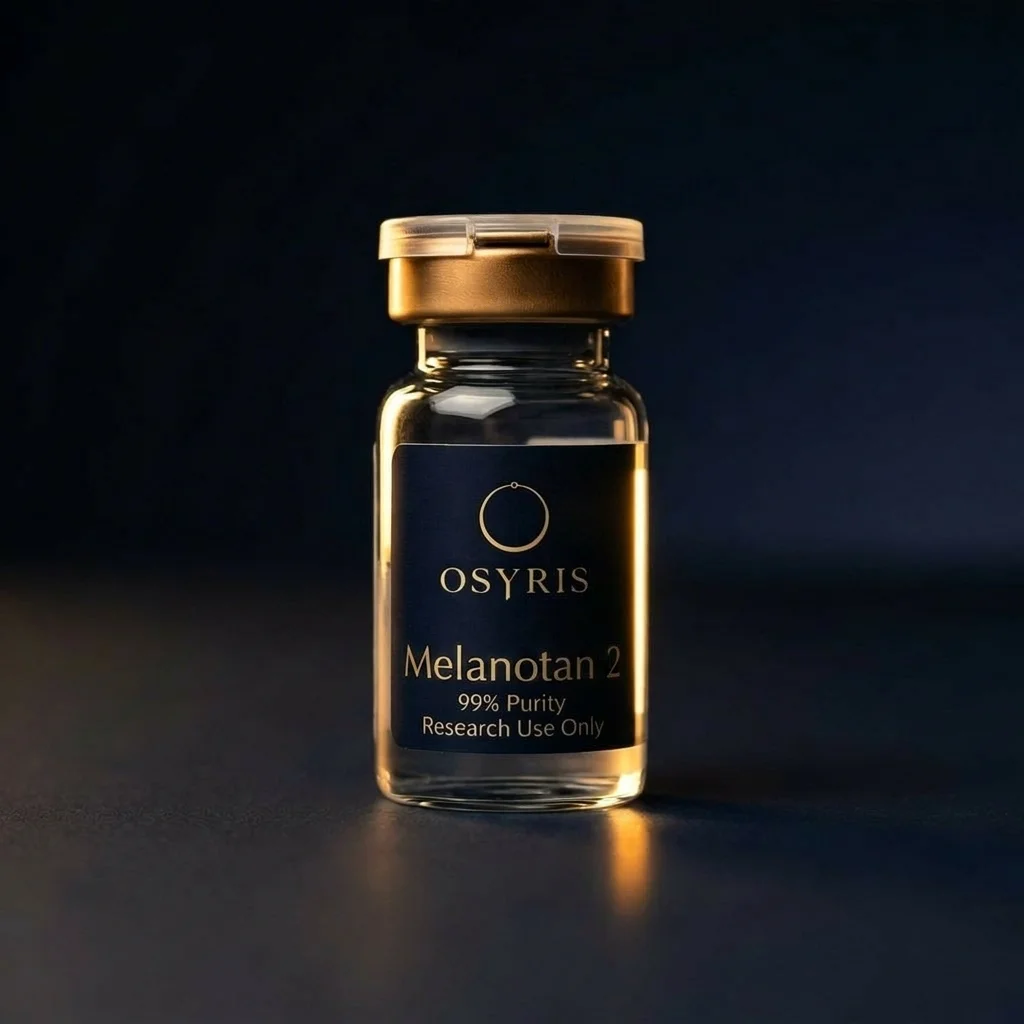 Research Product
Melanotan 2
Research Product
Melanotan 2
Melanotan II is a synthetic cyclic heptapeptide analog of α-MSH (alpha-melanocyte-stimulating hormone). It is studied for its interaction with melanocortin receptors, particularly MC1R and MC4R. MT-2 is used exclusively in laboratory settings to explore pigment regulation, energy homeostasis, and neuroendocrine signaling. Not for diagnostic or therapeutic use.
View product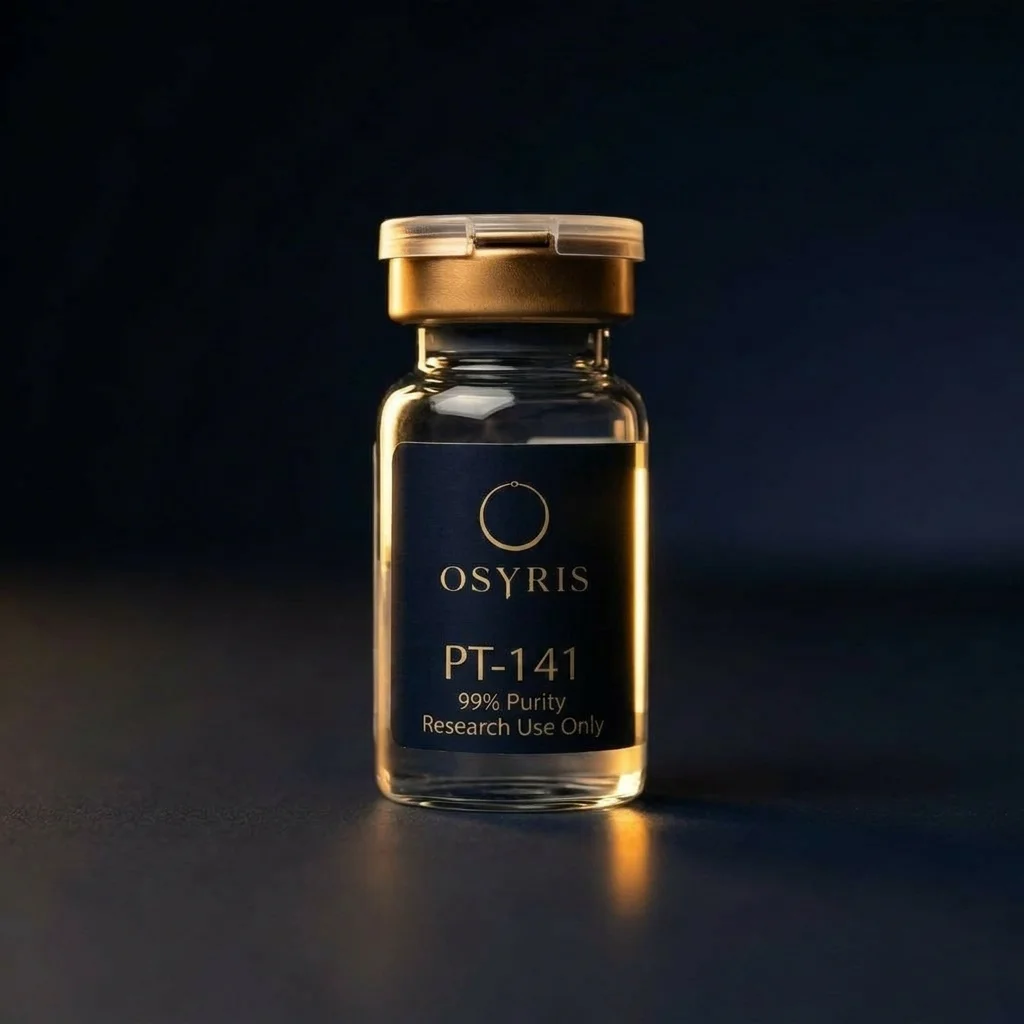 Research Product
PT-141
Research Product
PT-141
PT-141 (Bremelanotide) is a synthetic peptide analog derived from α-Melanocyte-Stimulating Hormone (α-MSH), consisting of seven amino acids. Supplied in lyophilized 10 mg vials for research use only, PT-141 is studied primarily for its interaction with melanocortin receptors and its role in central nervous system signaling pathways.
View product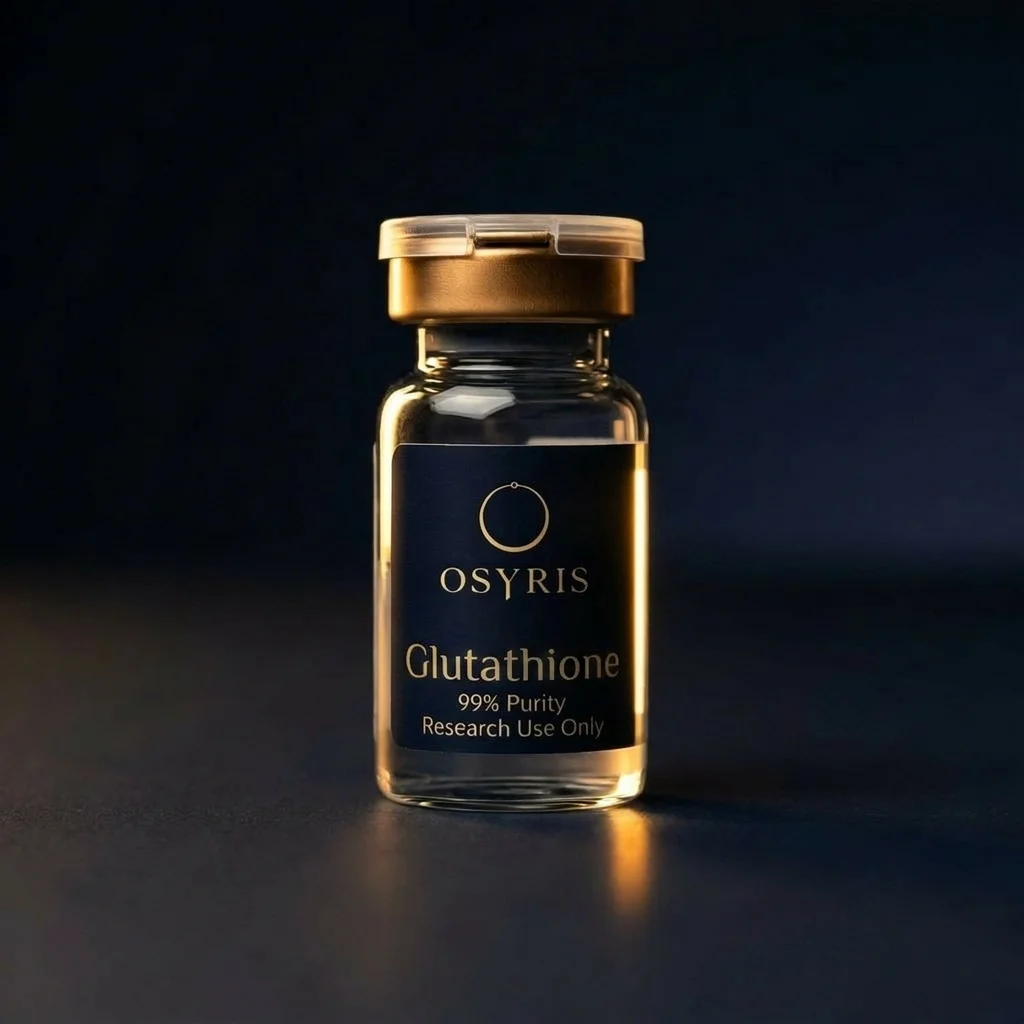 Research Product
Glutathione
Research Product
Glutathione
Glutathione (GSH) is an endogenous γ-glutamyl-cysteinyl-glycine tripeptide supplied as a research-grade standard. It is central to models of redox homeostasis, detoxification, antioxidant defense, and thiol-based signaling.
View productQuestions
Common Questions
Why is Melanotan 2 considered non-selective?
Because it activates multiple melanocortin receptor subtypes rather than isolating one receptor family member. That broad activity is useful for screening, but it makes mechanism attribution harder than with more selective compounds like PT-141.
How does MT-II increase pigmentation in research models?
Its MC1R activity increases cAMP signaling inside melanocytes, which drives MITF and tyrosinase expression, ultimately increasing melanin production and shifting the pigment balance toward eumelanin.
What makes MT-II different from PT-141?
PT-141 was optimized to reduce the pigmentation-heavy MC1R activity and emphasize CNS-relevant melanocortin signaling. MT-II remains the broader melanocortin tool, especially for pigmentation studies.
Why is MT-II relevant to aesthetics research?
Because melanogenesis, eumelanin production, and UV-defense biology are central aesthetics topics. MT-II helps researchers study how receptor signaling changes pigment output and photoprotection.
Does MT-II have FDA approval?
No. Melanotan 2 is not FDA approved. OSYRIS MT-II is supplied strictly as a research-grade laboratory compound.
When is MT-II the right research tool?
When the goal is to study broad melanocortin signaling, especially pigmentation and melanogenesis. For cleaner CNS-only questions, a more selective melanocortin agonist is usually preferred.
References
- Haskell-Luevano C, et al. "Melanocortin peptide biological activities." NYAS, 2003.
- Abdel-Malek ZA, et al. "Melanocortin receptors and melanogenesis." JCEM, 2001. PMID 11238565
- Chen W, et al. "MC5R and sebaceous gland function." Journal of Investigative Dermatology, 2015.
- Hadley ME, Dorr RT. "Melanocortin peptide therapeutics." Peptides, 2006. PMID 16289303