

Comparison
CJC-1295 vs Sermorelin vs Tesamorelin — GHRH Analogs Compared
A three-way comparison of the main GHRH analog strategies: native-like reference, stabilized analog, and longer-acting modification logic.

What Is Actually Being Compared
These three compounds all belong to the GHRH side of the somatotropic axis, but they represent different design philosophies. Sermorelin is the reference point. Tesamorelin is the clinically validated stabilized analog. CJC-1295 represents a more heavily modified, extended-duration approach. That means the real comparison is not just peptide versus peptide — it is native-like versus stabilized versus long-duration design logic.
Why Duration and Modification Matter
Longer duration may sound better until it becomes a confounder. Some protocols want pulsatile or shorter-window signaling because it more closely resembles the biology they are studying. Other protocols benefit from extended exposure because they are testing duration-dependent effects or want to reduce dosing frequency inside a model.
That is why no single GHRH analog is 'best' in all settings. The best one is the one whose modification profile fits the question.
Decision Framework
Choose Sermorelin when you want the cleanest unmodified GHRH reference. Choose Tesamorelin when the protocol benefits from a more stable analog with the strongest evidence base. Choose CJC-1295 when long-acting modification itself is part of the research logic. If the question is really about synergy, move out of the GHRH-only bucket and compare against Ipamorelin or a combined stack instead.
Featured Links
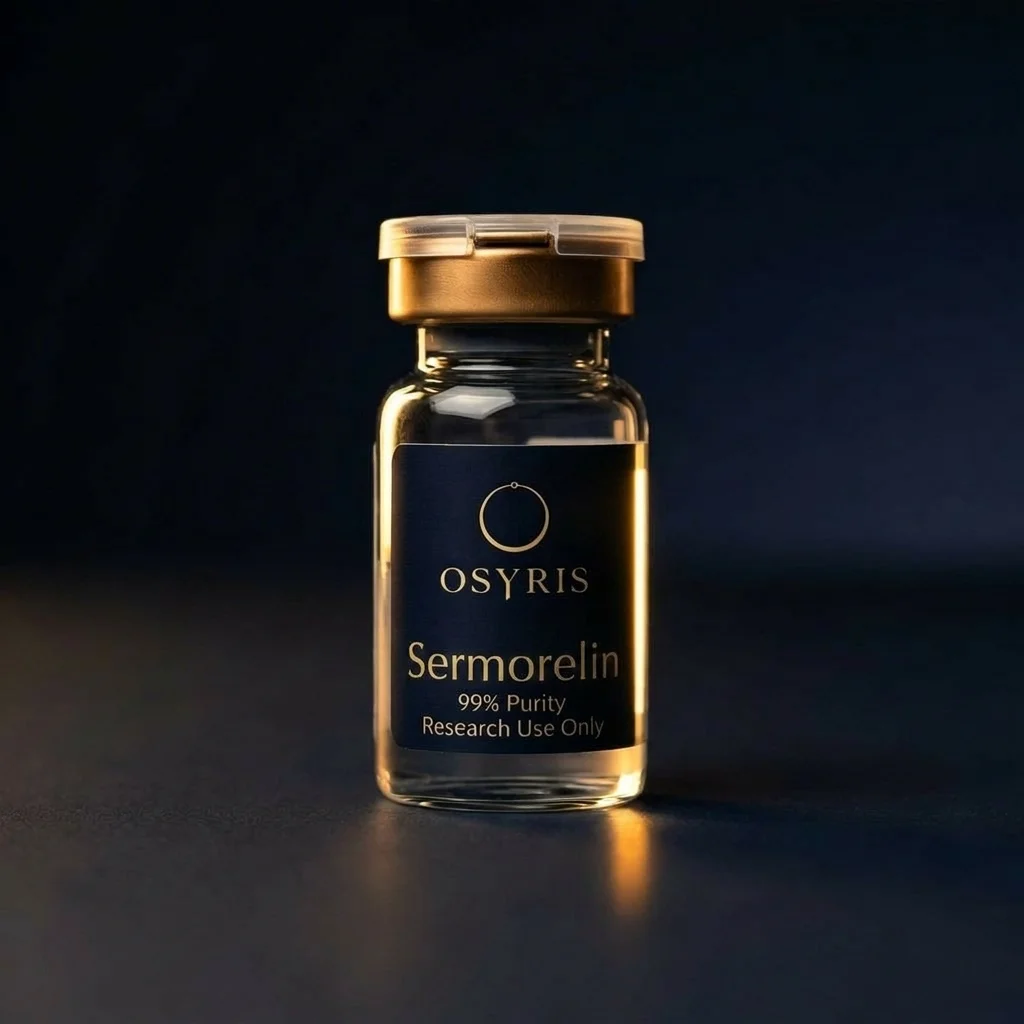 Research Product
Sermorelin
Research Product
Sermorelin
Sermorelin acetate (10mg) is a synthetic analog of growth hormone–releasing hormone (GHRH), consisting of the first 29 amino acids of the natural peptide. With ≥99% purity, this research peptide is used in laboratory studies exploring neuroendocrine regulation, aging models, and pituitary function. Supplied for research purposes only.
View product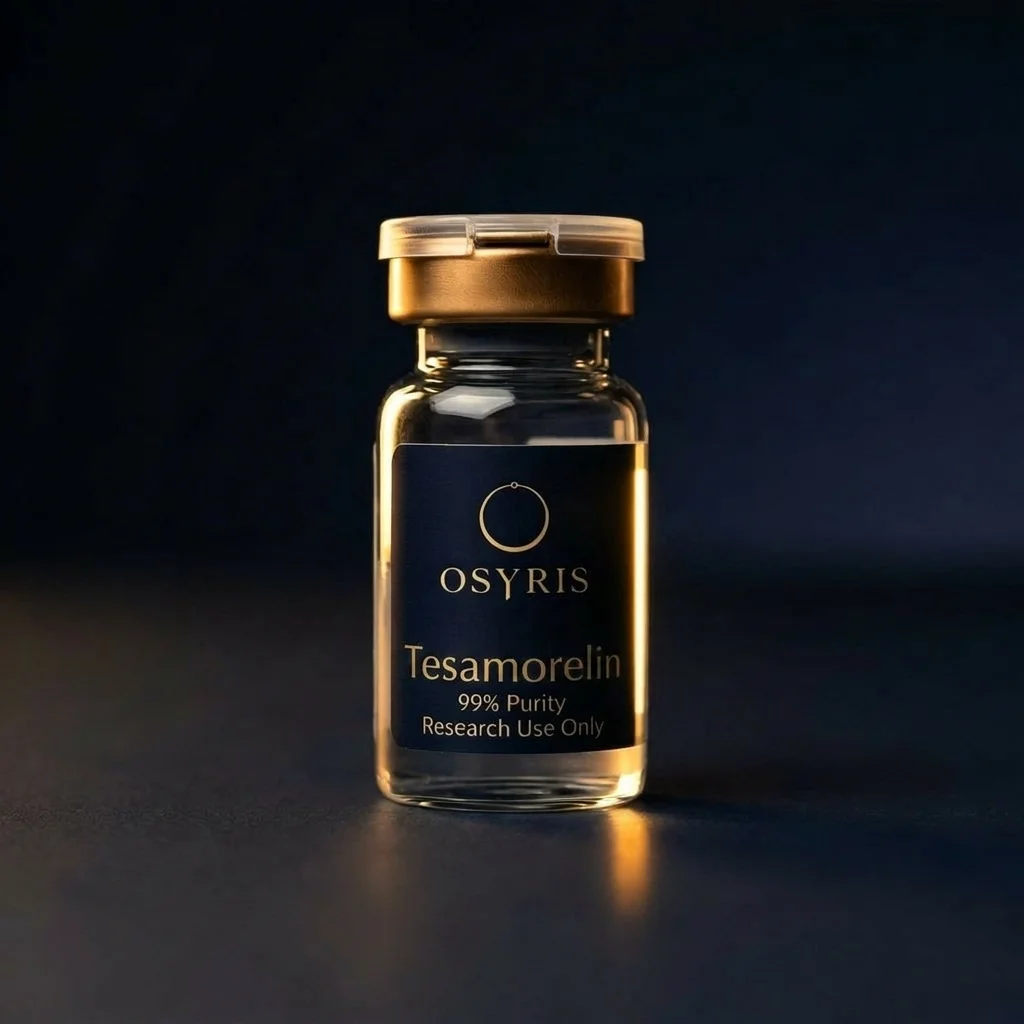 Research Product
Tesamorelin
Research Product
Tesamorelin
Tesamorelin is a synthetic analog of growth hormone-releasing hormone (GHRH) composed of 44 amino acids. It is studied for its role in stimulating endogenous growth hormone (GH) release via pituitary GHRH receptors. Tesamorelin is used exclusively for controlled scientific research and is not approved for therapeutic or diagnostic use.
View product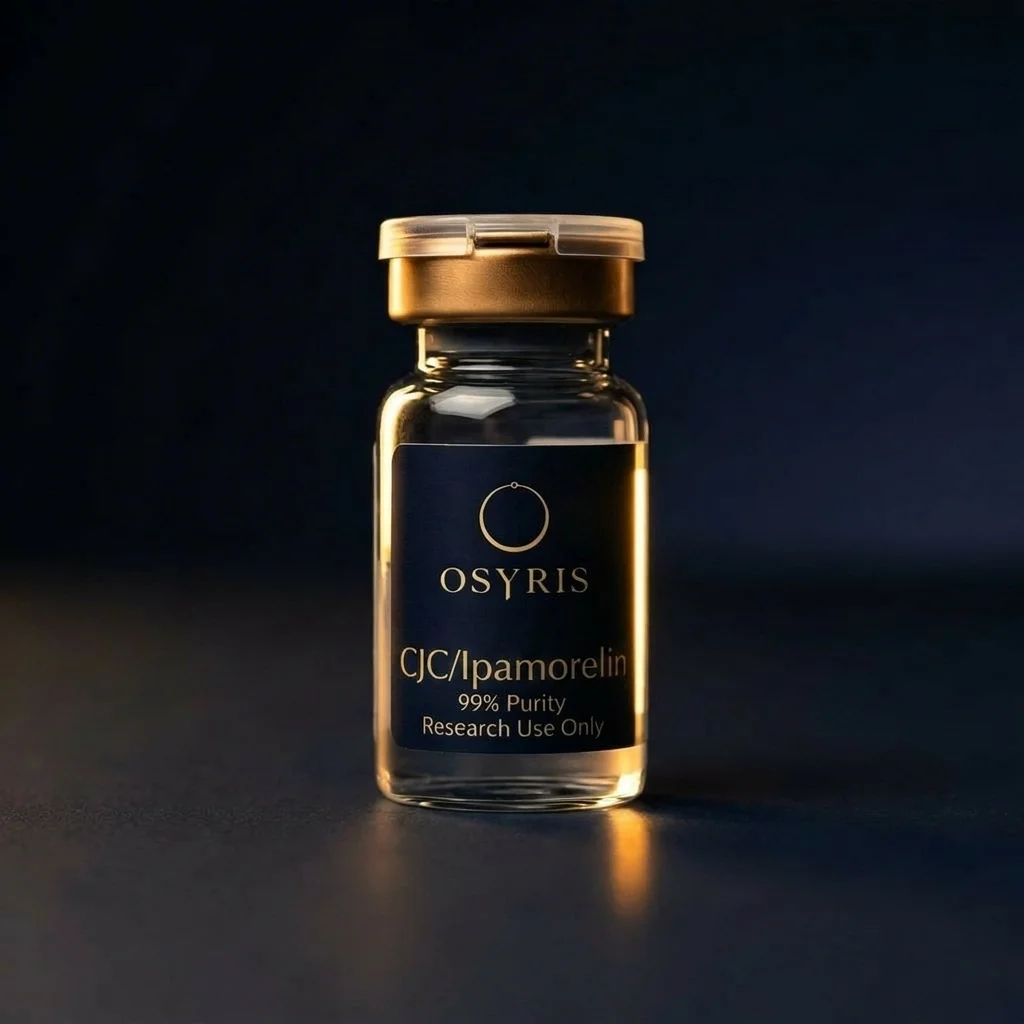 Research Product
CJC/Ipamorelin Blend
Research Product
CJC/Ipamorelin Blend
This blend combines CJC-1295 (No DAC) and Ipamorelin—two research peptides that act synergistically on the growth hormone (GH) axis. CJC-1295 stimulates GH-releasing hormone (GHRH) receptors, while Ipamorelin targets ghrelin receptors. Their combined use supports investigation into pulsatile GH secretion and downstream effects in cellular and endocrine research models.
View product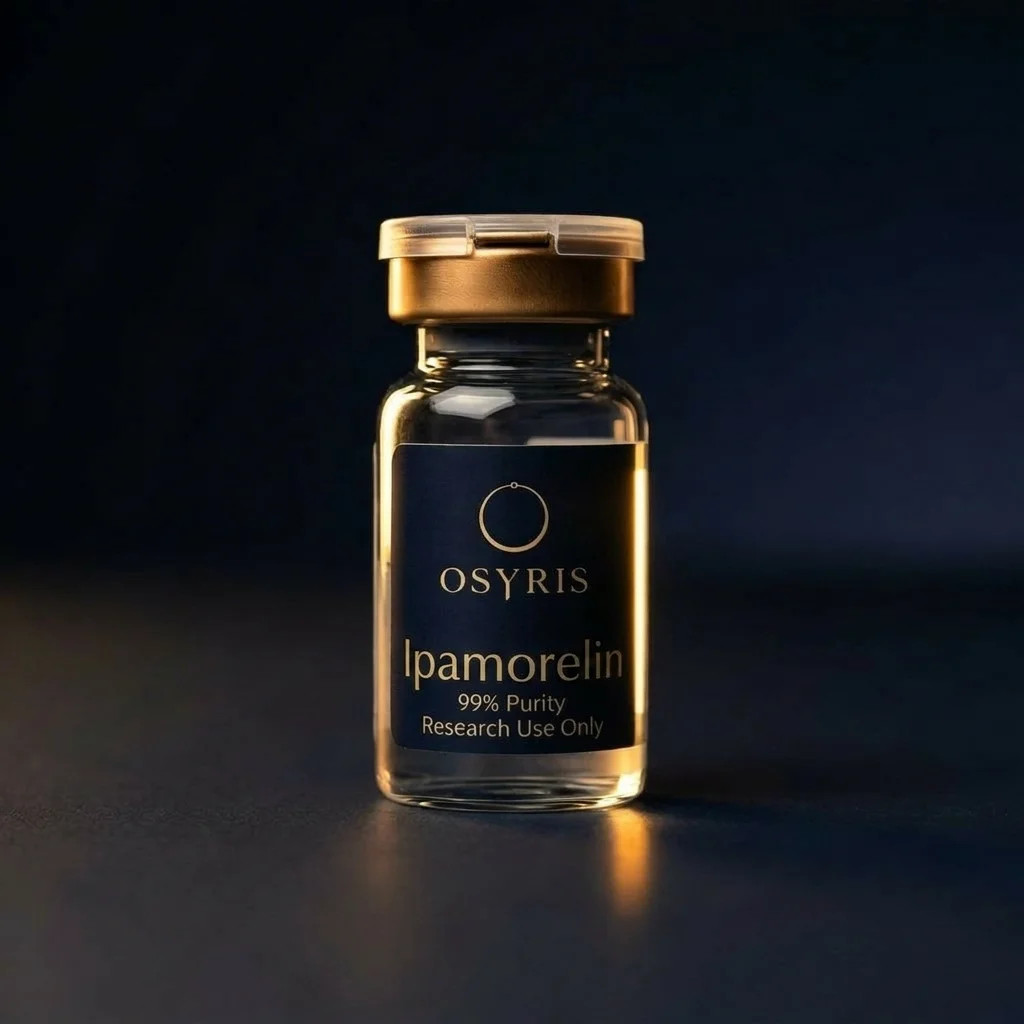 Research Product
Ipamorelin
Research Product
Ipamorelin
Ipamorelin is a selective pentapeptide agonist of the growth hormone secretagogue receptor (GHSR1a). It is used to study GH-axis regulation, receptor pharmacology, and peptide signaling in endocrine and analytical research models.
View productQuestions
Common Questions
Which GHRH analog has the strongest evidence?
Tesamorelin has the strongest overall evidence base among the three.
Why would a protocol choose Sermorelin over Tesamorelin?
Because Sermorelin is closer to a reference-style unmodified analog, which can matter when the modification itself would confound the question.
What makes CJC-1295 different?
Its appeal is the longer-acting modification logic rather than trying to behave like a simple reference analog.
Are these interchangeable?
No. They sit in the same receptor family but answer different experimental needs.
Should I compare these to Ipamorelin too?
Only if the protocol explicitly wants to contrast GHRH-side signaling with GHRP-side signaling.
Does OSYRIS sell CJC-1295 directly?
OSYRIS currently centers the GH category on Sermorelin, Tesamorelin, Ipamorelin, IGF1-LR3, and the CJC/Ipamorelin blend.