

Cognitive
Cognitive Peptides — Neurotrophic, Anxiolytic, and Sleep Research
Complete guide to cognitive and neurological research peptides. Neurotrophic factors, GABA modulation, sleep architecture. Mechanisms compared.
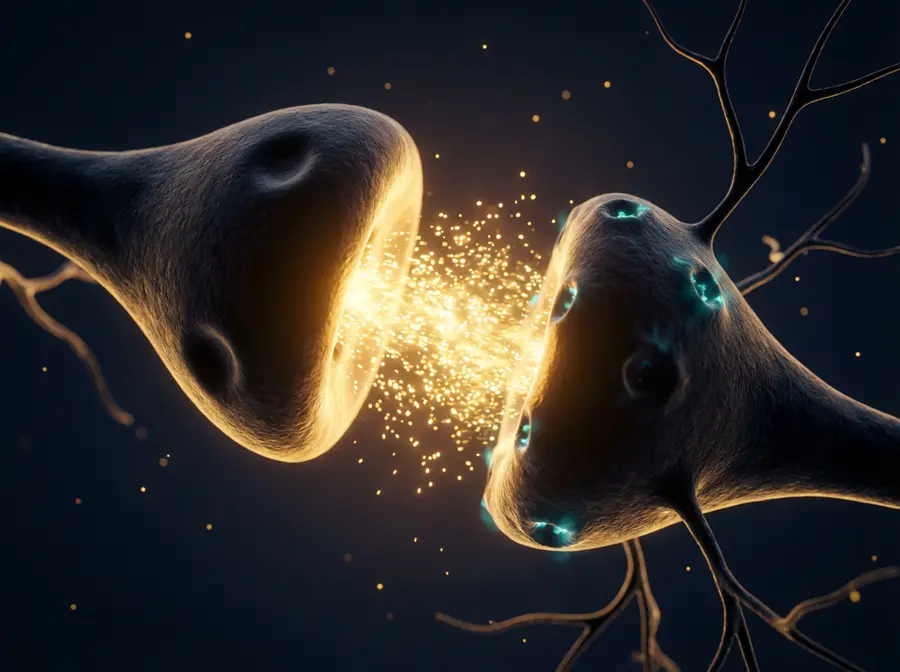
Three Dimensions of Brain Research
The OSYRIS Cognitive category contains three compounds that address three fundamentally different dimensions of neurological function:
| Compound | Neurological Dimension | Mechanism | Character |
|---|---|---|---|
| Semax | Neuroplasticity / growth | BDNF + NGF upregulation | "Activating" |
| Selank | Anxiety / inhibition | GABA-A subunit modulation | "Calming" |
| DSIP | Sleep architecture | Delta-wave modulation | "Restorative" |
These aren't competing compounds — they address separate aspects of brain biology. A brain needs all three: the capacity to grow and adapt (neuroplasticity), the ability to regulate anxiety and stress (inhibitory control), and high-quality sleep (the state in which consolidation and maintenance occur).
Semax: Building the Brain's Capacity
Semax's research profile centers on neurotrophic factor upregulation — specifically BDNF and NGF. These proteins support the survival, growth, and differentiation of neurons. They are the brain's construction and maintenance crew.
What makes Semax unique among nootropics: Most nootropics modulate what neurons do in the moment (neurotransmitter levels, receptor sensitivity). Semax promotes the structural capacity of neurons — their ability to form new connections, maintain existing ones, and survive injury. This is a deeper level of brain biology than synapse-level modulation.
Research highlights: BDNF upregulation in hippocampus and cortex (Dolotov 2006), neuroprotection in ischemia models (infarct volume reduction), gene expression modulation of hundreds of genes, Russian clinical approval for neurological indications.
Best for: Neuroplasticity research, neuroprotection studies, BDNF biology, stroke models, transcriptomic neuroscience.
Selank: Regulating the Brain's Brakes
Selank addresses the opposite dimension from Semax: inhibitory neurotransmission and anxiety regulation. While Semax promotes neural growth and activation, Selank enhances GABA-mediated inhibition — the brain's braking system that prevents overactivation.
What makes Selank unique among anxiolytics: It modulates GABA-A receptor subunit gene expression rather than directly binding the receptor. This gene-level intervention may explain why Selank doesn't produce the tolerance, dependence, and withdrawal associated with benzodiazepines.
The immune bonus: Selank's tuftsin heritage gives it immunomodulatory properties — an unexpected dual profile that makes it a tool for studying neuroimmunology.
Best for: Anxiolytic mechanism research, GABA-A receptor biology, non-benzodiazepine anxiolysis, neuroimmune studies, serotonin turnover research.
DSIP: The Sleep Dimension
DSIP fills a gap that Semax and Selank leave unaddressed: sleep biology. Sleep quality is fundamental to both neuroplasticity (memory consolidation occurs during sleep) and anxiety regulation (sleep disruption exacerbates anxiety). DSIP targets the architecture of sleep itself — the staging and quality of sleep cycles.
What makes DSIP different from sedatives: DSIP modulates sleep structure (increasing slow-wave delta sleep) without producing forced sedation. It influences sleep quality rather than sleep quantity — a more nuanced approach than hypnotic drugs.
Research context: Originally discovered in 1977 from the brains of sleeping rabbits. Variable results in human studies. Neuroendocrine modulatory effects (ACTH, cortisol, opioid system). Stress-adaptive properties in animal models.
Best for: Sleep architecture research, circadian biology, stress-sleep interaction studies, neuroendocrine modulation.
The Three Together: A Complete Cognitive Research Framework
Semax, Selank, and DSIP address the three pillars of brain health: growth (neuroplasticity), regulation (anxiety control), and maintenance (sleep). Researchers studying cognition comprehensively can use all three to investigate how these dimensions interact:
- Does enhanced neuroplasticity (Semax/BDNF) depend on sleep quality (DSIP) for consolidation?
- Does anxiety reduction (Selank/GABA) improve neuroplasticity outcomes?
- Does improved sleep architecture affect daytime cognitive measures?
These interaction questions represent the frontier of cognitive neuroscience — and the OSYRIS Cognitive category provides the pharmacological tools to investigate them.
Cross-Category Connections
- NAD+ (Longevity) has neuroprotective research and crosses into cognitive biology through sirtuin-mediated gene regulation in neurons
- VIP (Immune) is a neuropeptide with CNS distribution relevant to circadian rhythm and neuroprotection
- PT-141 (Hormonal) acts through central melanocortin receptors and has behavioral research applications
Featured Links
 Primary Compound
Semax
Primary Compound
Semax
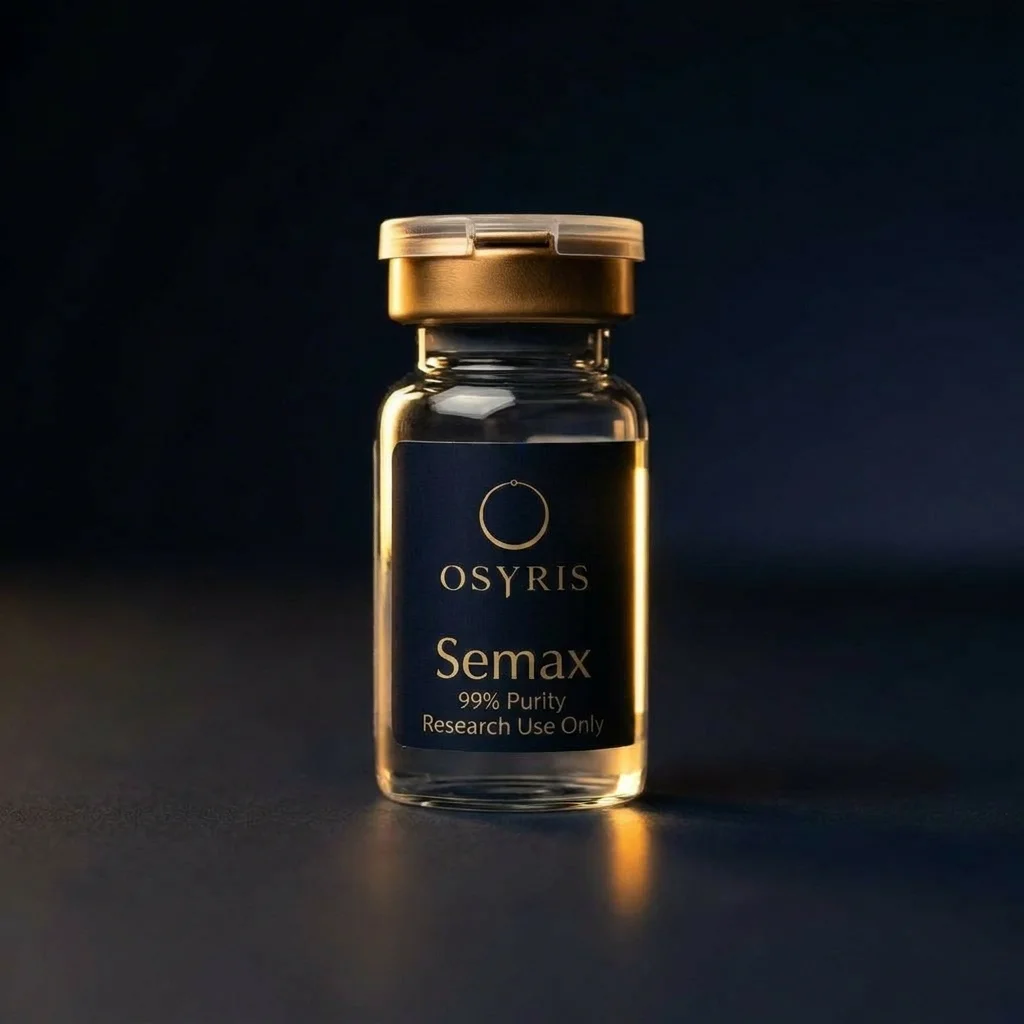
Semax is a synthetic heptapeptide (Met-Glu-His-Phe-Pro-Gly-Pro) derived from the ACTH(4–10) fragment of adrenocorticotropic hormone. It is widely used in neuroscience and pharmacological research for its ability to modulate brain-derived neurotrophic factor (BDNF), melanocortin receptors, and various neurotransmitter systems. Supplied as a lyophilized powder, Semax is intended strictly for laboratory research use only.
View →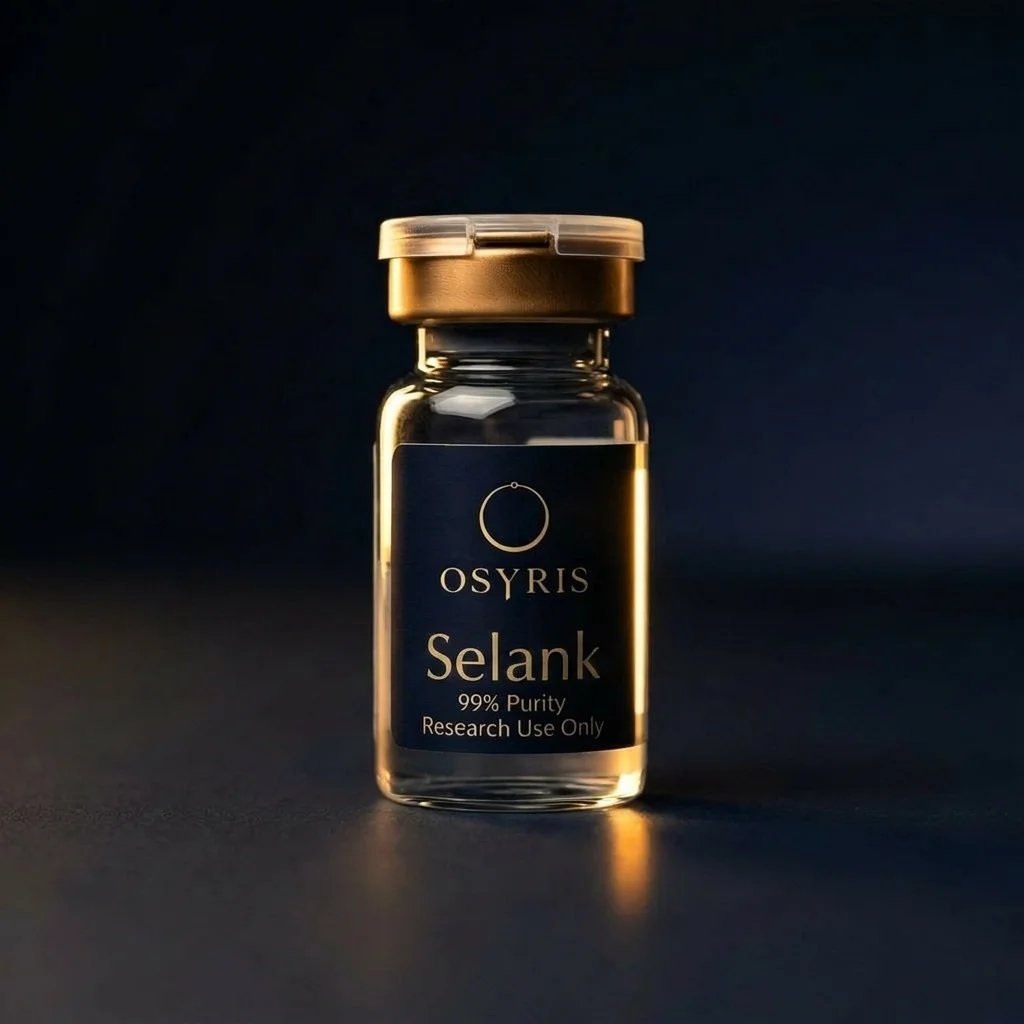 Primary Compound
Selank
Primary Compound
Selank
Selank is a synthetic heptapeptide with the amino acid sequence Thr-Lys-Pro-Arg-Pro-Gly-Pro. Structurally derived from the endogenous tetrapeptide tuftsin, Selank is classified as an anxiolytic and neuroregulatory research peptide. It has been widely studied for its impact on monoamine neurotransmitters, immune modulation, and neurotrophic factors. Supplied as a lyophilized powder, Selank is intended strictly for in vitro and in vivo research applications.
View →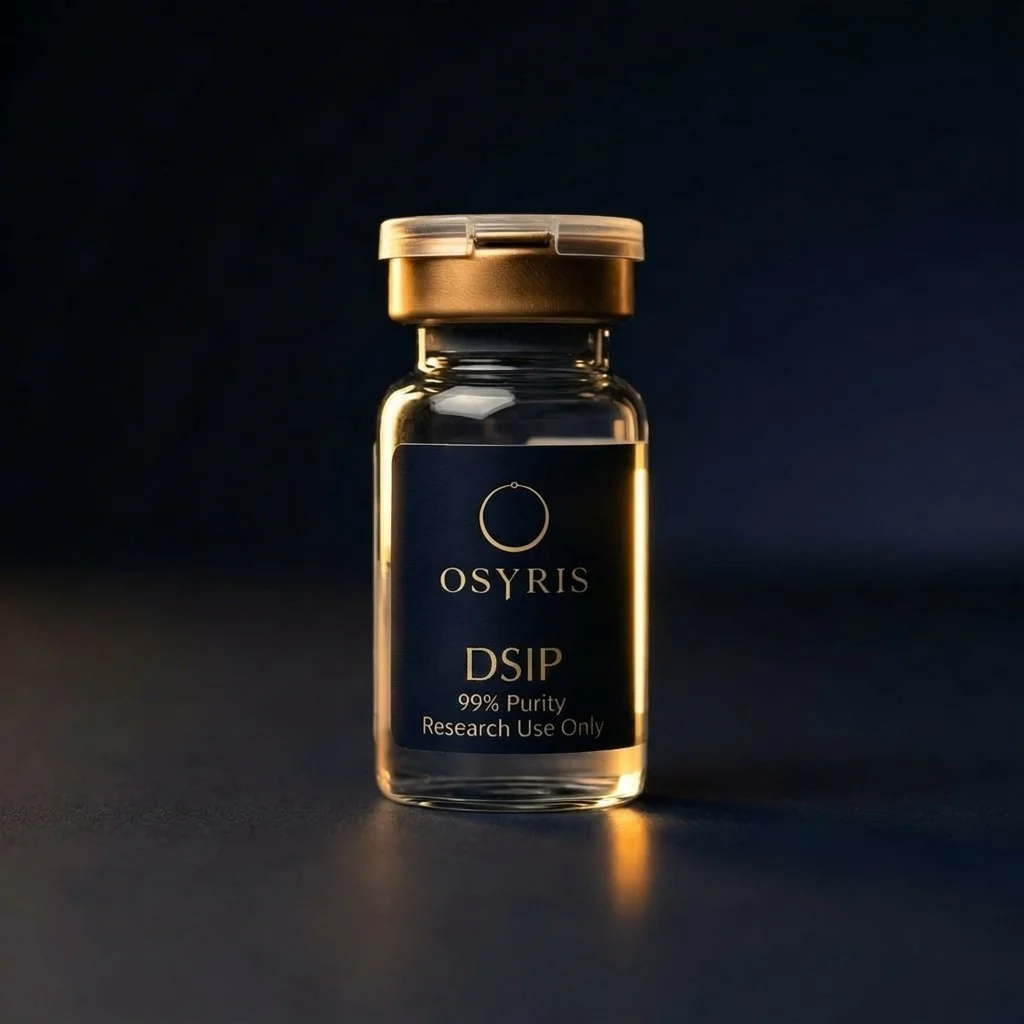 Primary Compound
DSIP
Primary Compound
DSIP
DSIP is a synthetic nonapeptide corresponding to an endogenous peptide first associated with sleep regulation. It is used in neurobiology to investigate sleep–wake modulation, stress responses, and neuroendocrine signaling.
View →Questions
Common Questions
Which cognitive peptide should I start with?
Semax for neuroplasticity/growth research. Selank for anxiety/GABA research. DSIP for sleep research. They target different neurological dimensions and don't substitute for each other.
Can Semax and Selank be combined?
Yes. They target complementary pathways (BDNF vs GABA) and were designed at the same institute to be mechanistically compatible.
Is Semax a stimulant?
No. Semax does not directly modulate stimulatory neurotransmitters (dopamine, norepinephrine). It upregulates neurotrophic factors. The "activating" label refers to its promotion of neuroplasticity, not to stimulant-like effects.
Does DSIP cause drowsiness?
Not in the sedative sense. DSIP modulates sleep architecture without producing forced sedation. Animal research shows effects on sleep staging, not on wakefulness.
Are these approved anywhere?
Semax and Selank are both approved in Russia for specific neurological indications. DSIP is not approved in any country. OSYRIS versions are research-grade for laboratory use only.
How do cognitive peptides differ from traditional nootropics?
Traditional nootropics typically modulate neurotransmitter levels at the synapse. OSYRIS cognitive peptides work at deeper biological levels: neurotrophic gene expression (Semax), GABA receptor subunit remodeling (Selank), and sleep-wave modulation (DSIP).