

Cognitive
Semax vs Selank — Two Russian Nootropics, Two Different Brains
Semax vs Selank compared: neurotrophic vs anxiolytic mechanisms. BDNF upregulation vs GABA modulation. Same lab, different parent molecules.

Same Lab, Different Molecules, Different Effects
Semax and Selank were both developed at the Institute of Molecular Genetics of the Russian Academy of Sciences. They share the same C-terminal Pro-Gly-Pro stability extension. They have both been approved as prescription medications in Russia. And they are frequently discussed together as a pair.
But they come from completely different parent molecules, target completely different neurological systems, and produce qualitatively different effects in research models. Understanding these differences is essential for protocol design.
The Parent Molecule Divide
Semax: From a Stress Hormone
ACTH (adrenocorticotropic hormone) is the pituitary hormone that tells the adrenal glands to produce cortisol during stress. It's a 39-amino-acid molecule with multiple functional domains. Researchers discovered that the 4-10 fragment retained neurotrophic properties — the ability to support neuron growth and survival — without any adrenal-stimulating activity.¹
Semax was designed to exploit this separation. By isolating the neurotrophic domain and adding the Pro-Gly-Pro stability extension, the developers created a compound that promotes BDNF and NGF expression without triggering the stress response. It's an "activating" compound — it enhances the brain's capacity for growth and plasticity.
Selank: From an Immune Peptide
Tuftsin is a tetrapeptide (Thr-Lys-Pro-Arg) produced by enzymatic cleavage of immunoglobulin G. It's known for activating monocytes and natural killer cells. Selank adds the same Pro-Gly-Pro extension to tuftsin, creating a compound with both immune-modulating and neurological properties.²
The GABAergic effects were somewhat unexpected — tuftsin is an immune peptide, not a neurological one. But research showed that Selank modulated GABA-A receptor subunit gene expression in the hippocampus and amygdala, producing anxiolytic-like effects in animal behavioral models without sedation or tolerance.³
This is a "calming" compound — it reduces anxiety-like behavior by enhancing inhibitory neurotransmission in brain regions associated with fear and anxiety processing.
When to Use Which
Research question: neuroplasticity, neuroprotection, or cognitive enhancement → Semax is the appropriate tool. Its BDNF/NGF upregulation directly supports neuronal growth, synaptic plasticity, and resilience to injury. The ischemia research (reduced infarct volume, improved functional outcomes) is well-documented.⁴
Research question: anxiety modulation, GABAergic pharmacology, or neuroimmunology → Selank is the appropriate tool. Its GABA-A subunit modulation and serotonin turnover effects are directly relevant to anxiety models. Its dual neuro/immune profile makes it valuable for studying the neuroimmune axis.⁵
Research question: comparing neurotrophic vs anxiolytic mechanisms → Both, side by side. Using Semax and Selank in the same protocol with the same model and endpoints allows direct comparison of BDNF-mediated vs GABA-mediated effects on shared outcome measures.
Research question: combined neurotrophic + anxiolytic effects → Both, administered together. Since they target non-overlapping pathways (BDNF/NGF vs GABA), combination protocols can investigate whether simultaneous neurotrophic and anxiolytic modulation produces complementary effects.
Featured Links
 Research Product
Semax
Research Product
Semax
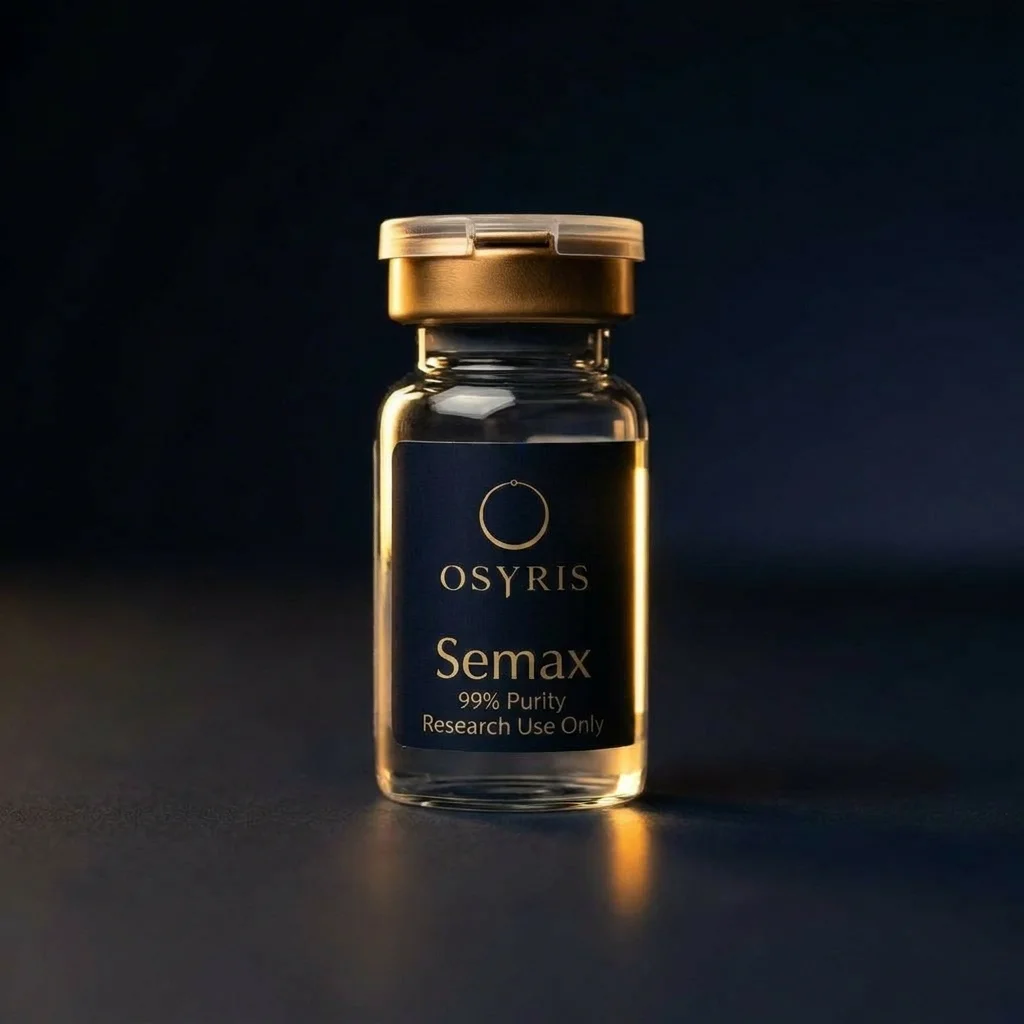
Semax is a synthetic heptapeptide (Met-Glu-His-Phe-Pro-Gly-Pro) derived from the ACTH(4–10) fragment of adrenocorticotropic hormone. It is widely used in neuroscience and pharmacological research for its ability to modulate brain-derived neurotrophic factor (BDNF), melanocortin receptors, and various neurotransmitter systems. Supplied as a lyophilized powder, Semax is intended strictly for laboratory research use only.
View product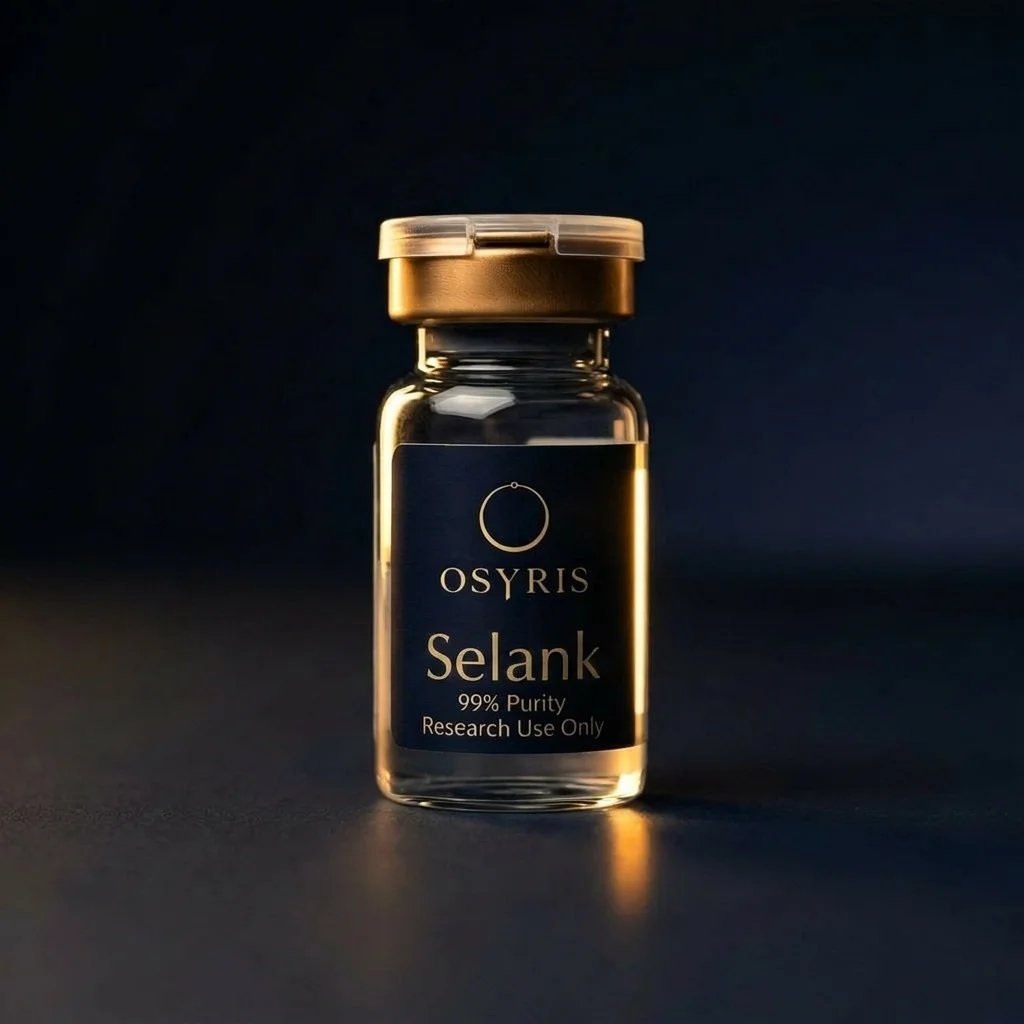 Research Product
Selank
Research Product
Selank
Selank is a synthetic heptapeptide with the amino acid sequence Thr-Lys-Pro-Arg-Pro-Gly-Pro. Structurally derived from the endogenous tetrapeptide tuftsin, Selank is classified as an anxiolytic and neuroregulatory research peptide. It has been widely studied for its impact on monoamine neurotransmitters, immune modulation, and neurotrophic factors. Supplied as a lyophilized powder, Selank is intended strictly for in vitro and in vivo research applications.
View product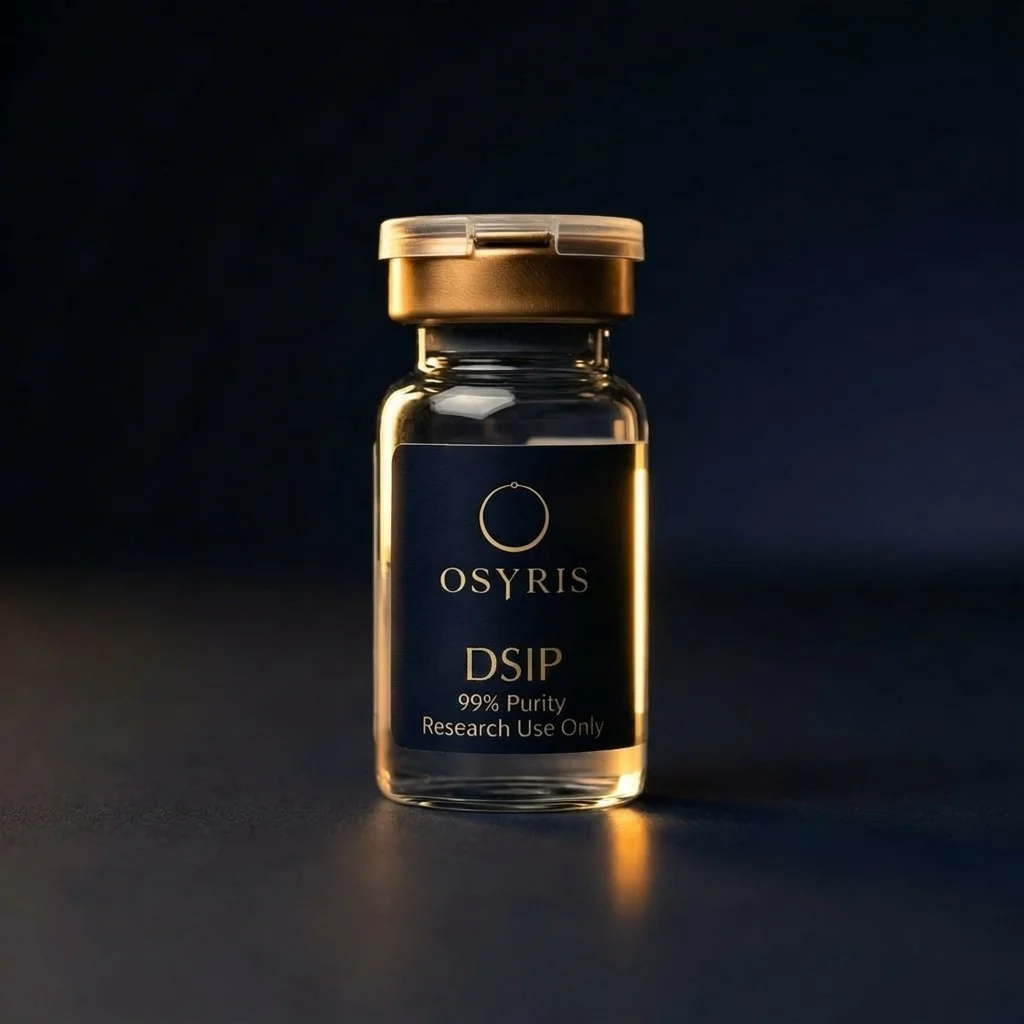 Research Product
DSIP
Research Product
DSIP
DSIP is a synthetic nonapeptide corresponding to an endogenous peptide first associated with sleep regulation. It is used in neurobiology to investigate sleep–wake modulation, stress responses, and neuroendocrine signaling.
View productQuestions
Common Questions
Can Semax and Selank be used together?
Yes. They target completely different pathways (BDNF vs GABA) and are designed by the same laboratory to be mechanistically compatible. Combination protocols investigate complementary neurotrophic + anxiolytic effects.
Which is better for cognitive research?
Depends on the cognitive domain. For learning and memory (neuroplasticity-dependent), Semax's BDNF upregulation is more directly relevant. For cognitive performance under stress (anxiety-mediated impairment), Selank's anxiolytic effects may be more relevant.
Do they both affect the immune system?
Yes, but differently. Selank has primary immunomodulatory effects inherited from its tuftsin parent molecule. Semax has secondary immune effects discovered in transcriptomic studies. Selank's immune effects are stronger and more extensively characterized.
Are there side effects reported in research?
Neither compound has shown tolerance, dependence, or significant adverse effects in published preclinical studies. Both have been approved in Russia after regulatory review, though the specifics of that safety data are not always accessible in English.
Why are they the same price?
Both are heptapeptides of similar molecular weight and production complexity. OSYRIS prices them identically at $39.99.
Which has better evidence?
Both have substantial preclinical evidence published primarily by Russian research groups. Semax has more neuroprotection data (ischemia models). Selank has more behavioral pharmacology data (anxiety models). Neither has Western-standard randomized controlled trials published in English.
References
- Dolotov OV, et al. "Semax regulates BDNF and trkB expression." Brain Research, 2006. PMID 16469301
- Seredenin SB, et al. "Anxiolytic-like effect of Selank." Bulletin of Experimental Biology and Medicine, 2006. PMID 17369724
- Narkevich VB, et al. "Selank effects on serotonin metabolism." Bulletin of Experimental Biology and Medicine, 2008. PMID 19489028
- Gusev EI, et al. "Neuroprotective effects of Semax." Zhurnal Nevrologii i Psikhiatrii, 1997. PMID 9463034
- Ershov FI, et al. "Selank effects on cytokine gene expression." Immunologiya, 2009.