

Roundup
Best Peptides for Weight and Metabolism Research
A metabolic roundup comparing incretin agonists, direct lipolysis compounds, and exercise-mimetic tools by protocol fit rather than buzzwords.

Three Main Strategies in Metabolic Research
Metabolic peptide research now splits into three big strategies. The first is incretin agonism through GLP-1, GLP-2, GLP-3, and amylin-linked compounds like Cagrilinitide. The second is direct fat-metabolism framing through AOD-9604. The third is exercise- or energy-mimetic signaling through compounds like MOTS-C and SLU-PP-32.
The best metabolic compound depends on whether the protocol is trying to study appetite regulation, receptor pharmacology, downstream metabolic remodeling, or exercise-like signaling. Those are not the same question, even when they appear in the same market category.
The Incretin Progression
The incretin side of the category becomes more interesting as the receptor logic expands. Single-agonist designs are simpler to interpret. Dual- and triple-agonist designs ask whether broader receptor coverage changes the response landscape. Cagrilinitide then adds an amylin-centered layer that intersects with, but does not duplicate, incretin biology.
That progression matters because the strongest evidence in this category still sits around incretin biology. AOD-9604, MOTS-C, and SLU-PP-32 remain important, but they answer different questions and usually carry less clinical depth than the incretin axis itself.
How to Pick the Right Tool
If the research question is receptor pharmacology and appetite signaling, stay with the GLP and amylin axis. If the question is about fat-metabolism pathways without incretin framing, AOD-9604 belongs in the conversation. If the question is mitochondrial output or exercise-like adaptation, MOTS-C and SLU-PP-32 become much more relevant.
The category gets cleaner when each of those strategies stays in its lane. That is how protocols stay interpretable instead of becoming a pile of metabolic keywords.
Featured Links
 Research Product
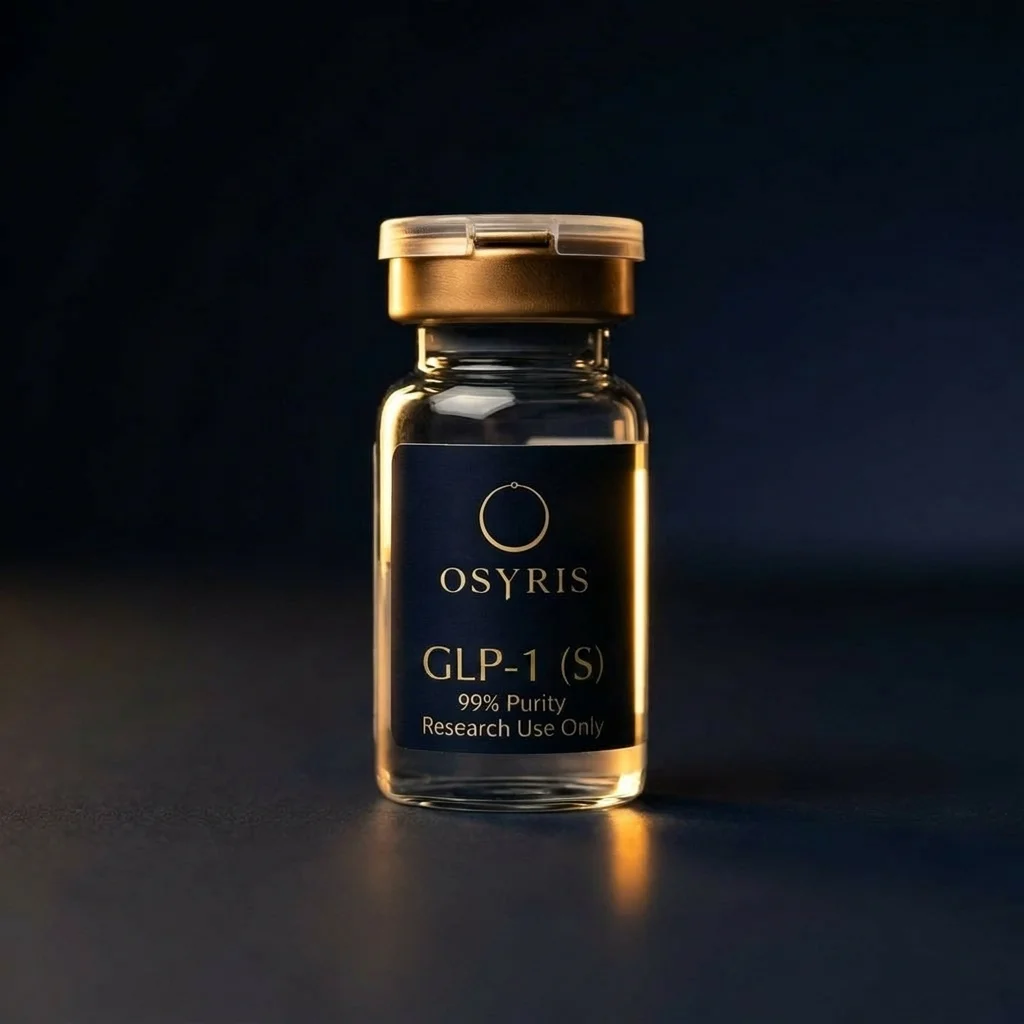
GLP-1 (S)
Research Product
GLP-1 (S)
GLP – 1 (S) is a synthetic GLP-1 receptor agonist peptide developed for the investigation of glucose regulation, insulin signaling, and appetite pathways. It is structurally modified to resist enzymatic degradation and prolong half-life. GLP – 1 (S) is supplied for controlled laboratory research and is not intended for human or veterinary use.
View product Research Product
GLP-2 (T)
Research Product
GLP-2 (T)
GLP – 2 (T) is a synthetic peptide designed as a dual agonist of GIP and GLP-1 receptors. It is studied for its effects on glycemic control, insulin signaling, and appetite regulation in metabolic research. GLP – 2 (T) is intended strictly for laboratory research use and is not approved for human or veterinary application.
View product Research Product
GLP-3 (R)
Research Product
GLP-3 (R)
GLP – 3 (R) is a synthetic peptide that functions as a triple agonist of GLP-1, GIP, and glucagon receptors. It is studied in preclinical settings for its role in regulating energy balance, glucose metabolism, and lipid utilization. GLP – 3 (R) is provided exclusively for scientific research and is not approved for therapeutic use.
View product Research Product
Cagrilinitide
Research Product
Cagrilinitide
Cagrilinitide is a synthetic, long-acting peptide analogue of amylin developed for research applications. It incorporates targeted amino acid substitutions and fatty acid acylation to enhance molecular stability and receptor interaction duration. This compound is supplied exclusively for laboratory research and experimental investigation.
View product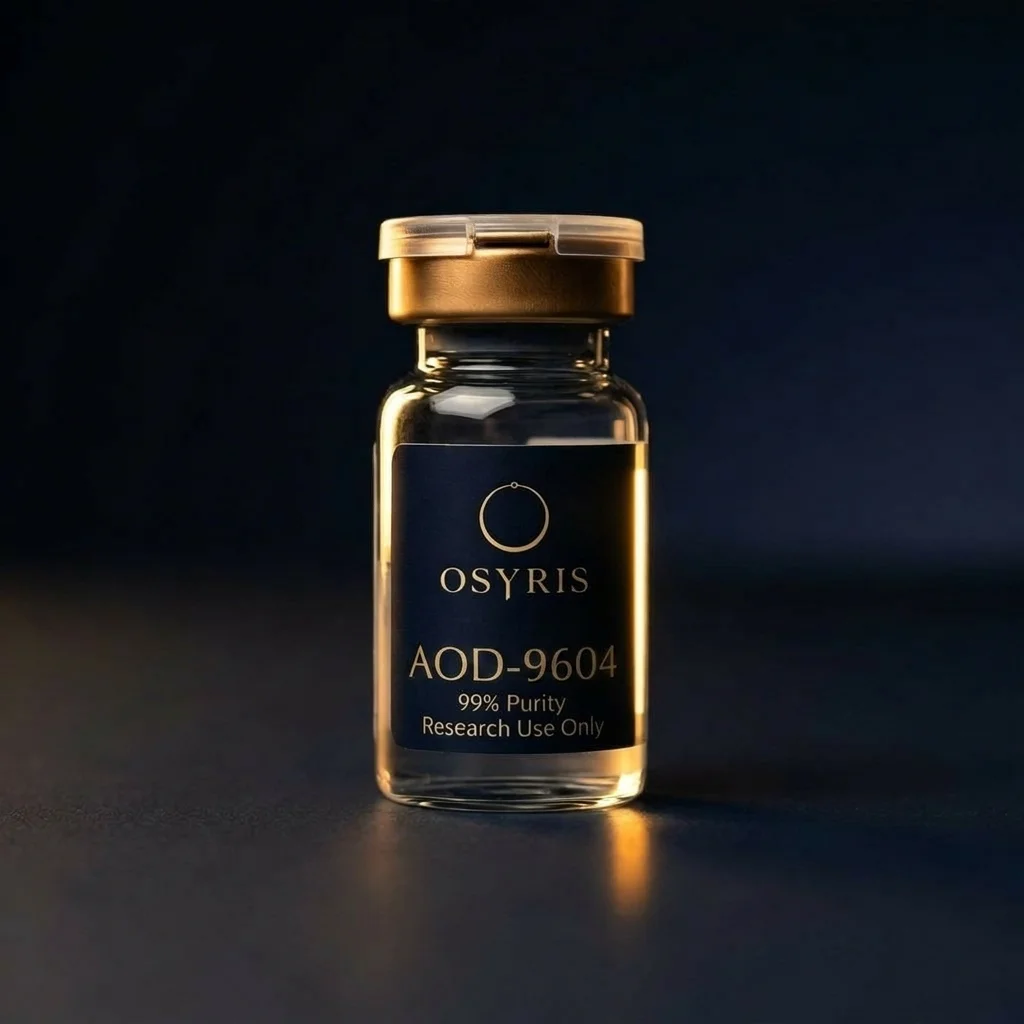 Research Product
AOD-9604
Research Product
AOD-9604
AOD-9604 is a synthetic peptide fragment of human growth hormone (hGH), comprising amino acids 176–191. Designed to focus on fat metabolism without affecting IGF-1 or glucose levels, it is widely studied in metabolic and obesity-related research. AOD-9604 is intended exclusively for controlled laboratory use in scientific research.
View product Research Product
MOTS-C
Research Product
MOTS-C
MOTS-c is a 16-amino acid mitochondrial-derived peptide encoded within the 12S rRNA of mitochondrial DNA. It is studied for its regulatory effects on metabolic homeostasis, cellular stress responses, and insulin sensitivity in preclinical models. MOTS-c is strictly intended for laboratory research use and not for human application.
View product Research Product
SLU-PP-32
Research Product
SLU-PP-32
SLU-PP-32 is offered as an experimental ligand within the emerging family of estrogen-related receptor (ERR) agonist tool compounds. It is strictly for exploratory research on nuclear receptor signaling, mitochondrial regulation, and oxidative metabolism.
View productQuestions
Common Questions
Which metabolic compounds have the strongest evidence?
The incretin-side compounds generally have the deepest evidence base, especially compared with newer or more experimental exercise-mimetic compounds.
Is Cagrilinitide the same kind of compound as GLP peptides?
No. It sits closer to amylin signaling, which overlaps with but does not duplicate incretin biology.
When does AOD-9604 make sense?
When the protocol specifically wants GH-fragment fat-metabolism logic rather than incretin or mitochondrial framing.
Are MOTS-C and SLU-PP-32 weight-loss compounds?
On OSYRIS they are research compounds discussed in exercise, mitochondrial, and metabolic-adaptation contexts rather than consumer weight-loss language.
Should I compare incretin and exercise-mimetic compounds in one protocol?
Only if the protocol is designed around that contrast. Otherwise it is usually cleaner to compare compounds within the same mechanistic family.
Are any of these sold for therapeutic use here?
No. They are sold as research products for laboratory use only.