

Growth Hormone
Understanding the Somatotropic Axis
A plain-language explainer on the somatotropic axis, pulsatile growth hormone release, and how GHRH, GHRPs, IGF-1, and secretagogues fit together.

A Relay, Not a Single Hormone
The somatotropic axis is the broader control system that governs growth hormone biology. It begins in the hypothalamus, where GHRH stimulates GH release and somatostatin suppresses it. The pituitary then releases GH in pulses, and the liver and peripheral tissues respond by producing IGF-1 and other downstream effects.
This matters because GH biology is not just about how much hormone is present. It is about pattern, timing, feedback, and which level of the axis a compound touches.
Why Pulsatile Secretion Matters
Growth hormone is normally secreted in pulses rather than as a steady drip. Those pulses matter because downstream tissues interpret rhythmic exposure differently than flat exposure. That is one reason secretagogues are often contrasted with direct GH administration: secretagogues aim to work with the pulse architecture instead of replacing it outright.
IGF-1 then feeds back into the system, helping restrain upstream output. The result is a regulated loop rather than a one-way pathway.
Where Secretagogues Intervene
Sermorelin and Tesamorelin intervene at the GHRH level. Ipamorelin intervenes at the GHRP/ghrelin-receptor side of pituitary stimulation. IGF1-LR3 operates downstream as a modified growth-factor effector rather than as a hypothalamic or pituitary input. AOD-9604 isolates one fragment of GH-related tissue signaling without functioning like a full-axis secretagogue.
When researchers understand the axis, the product lineup stops looking redundant. Each compound is targeting a different control point.
Featured Links
 Research Product
Ipamorelin
Research Product
Ipamorelin
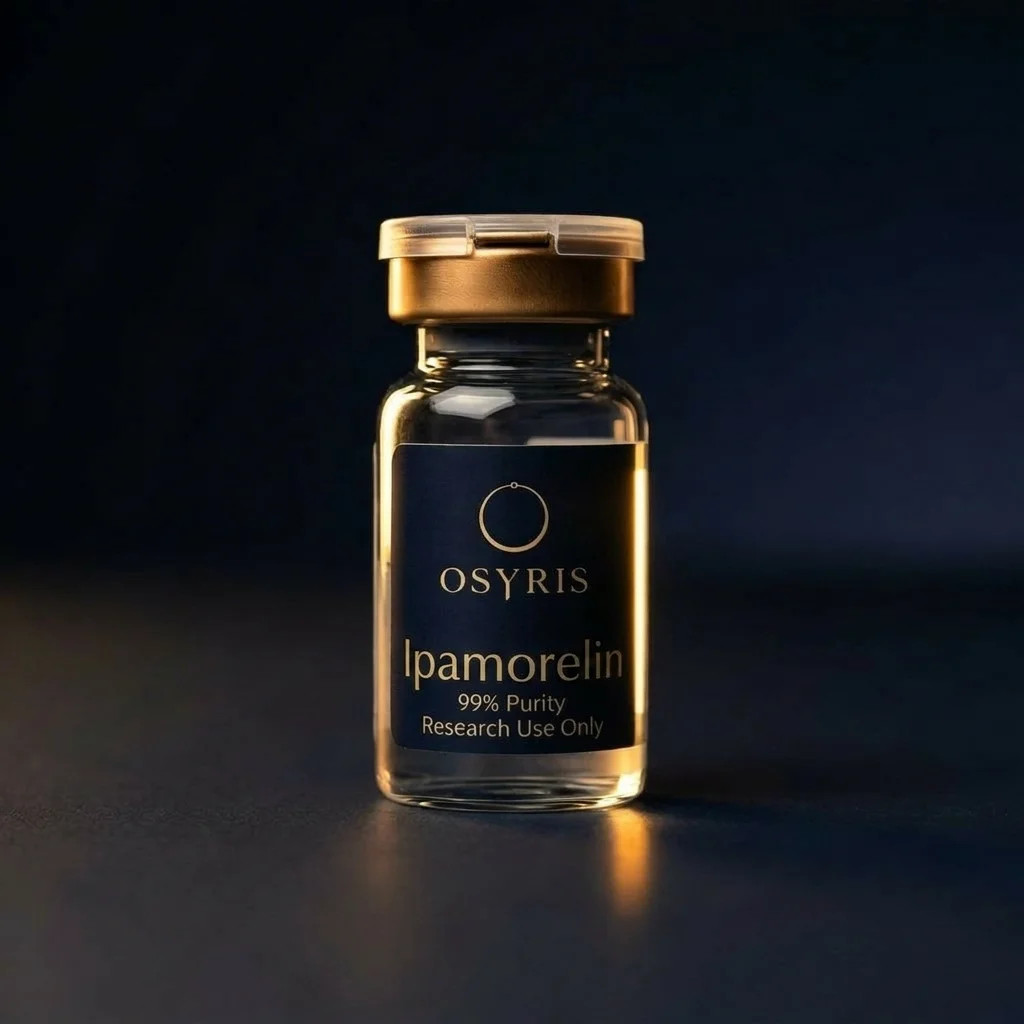
Ipamorelin is a selective pentapeptide agonist of the growth hormone secretagogue receptor (GHSR1a). It is used to study GH-axis regulation, receptor pharmacology, and peptide signaling in endocrine and analytical research models.
View product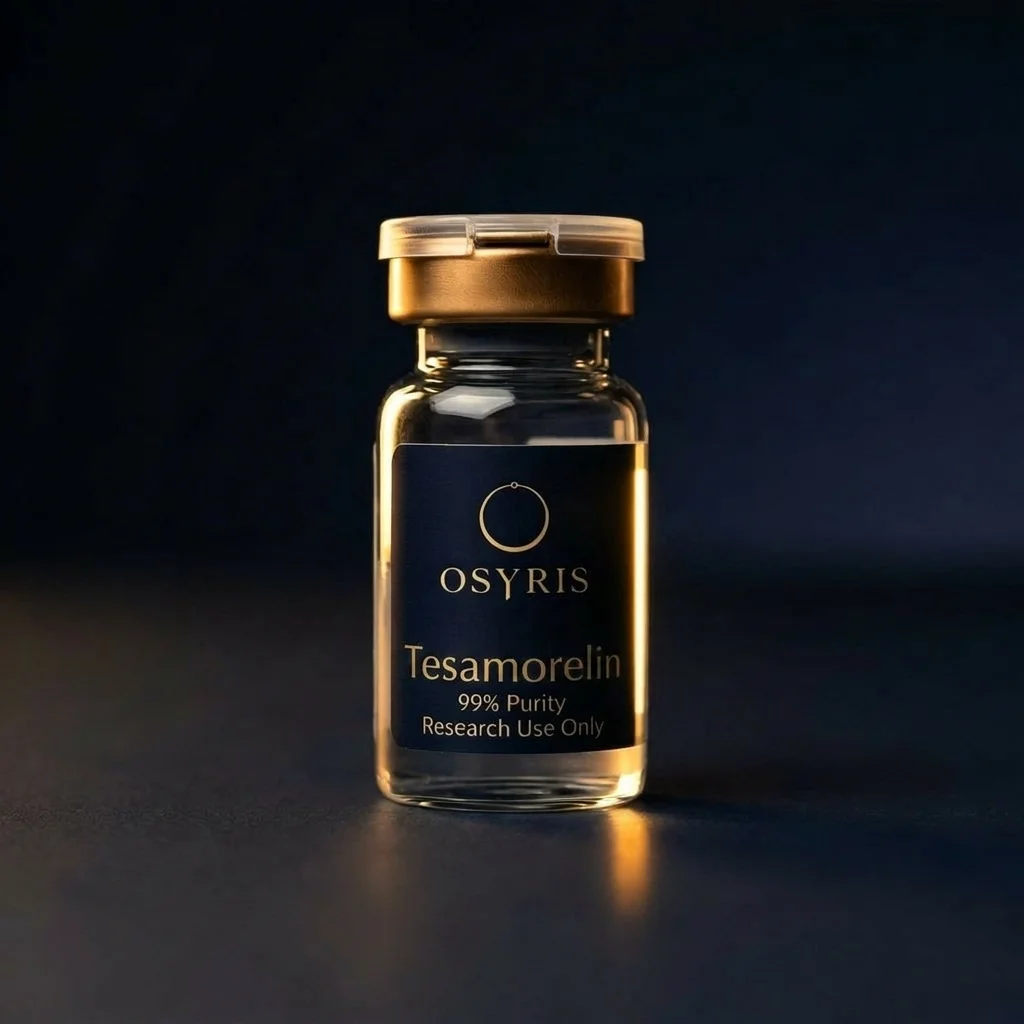 Research Product
Tesamorelin
Research Product
Tesamorelin
Tesamorelin is a synthetic analog of growth hormone-releasing hormone (GHRH) composed of 44 amino acids. It is studied for its role in stimulating endogenous growth hormone (GH) release via pituitary GHRH receptors. Tesamorelin is used exclusively for controlled scientific research and is not approved for therapeutic or diagnostic use.
View product Research Guide Growth Hormone Peptides Research GuideUse the category guide to compare GHRH analogs, secretagogues, blends, IGF-1 analogs, and GH fragments in one place.
Read →Questions
Common Questions
What is pulsatile secretion?
It is hormone release in rhythmic bursts rather than as a constant level, which is how normal growth hormone signaling is organized.
Why does GH pulse pattern matter?
Because tissues respond differently to rhythmic exposure than to sustained exposure, and much of normal GH physiology depends on that timing.
What is somatostatin?
A hypothalamic inhibitory hormone that suppresses GH release and helps shape the pulse pattern of the axis.
What is the difference between GHRH and GHRP?
GHRH is the canonical hypothalamic releasing signal, while GHRPs stimulate GH release through a different receptor system associated with ghrelin signaling.
How does IGF-1 feedback work?
IGF-1 acts downstream of GH and feeds back to the hypothalamus and pituitary to help restrain further GH output.
Where do secretagogues intervene?
They act at upstream control points — usually hypothalamic or pituitary — to stimulate endogenous GH release rather than delivering GH directly.