

Comparison
NAD+ vs Epithalon — Different Clocks of Aging
A comparison of NAD+ and Epithalon as two different ways of framing longevity research: energy maintenance versus telomere maintenance.

Two Clocks of Aging
NAD+ and Epithalon are often grouped under the same longevity banner, but they target different aging clocks. NAD+ is best understood through mitochondrial capacity, redox state, and NAD-dependent signaling. Epithalon is best understood through telomere and telomerase-related aging questions. One is about how well the cell functions. The other is about how long the cell can keep dividing cleanly.
Evidence and Translation
NAD+ benefits from a broader, more international evidence base. Epithalon is narrower and more concentrated in a specific lineage of telomere research. That does not make Epithalon unimportant. It makes the two compounds useful for different levels of confidence and different levels of specificity.
Why Researchers Still Consider the Combination
The combination rationale is straightforward: if one compound addresses mitochondrial decline and the other addresses telomere-linked decline, a multi-hallmark protocol may be more informative than a single-hallmark design. Whether that produces additive or synergistic results remains an open research question.
Featured Links
 Research Product
NAD+
Research Product
NAD+
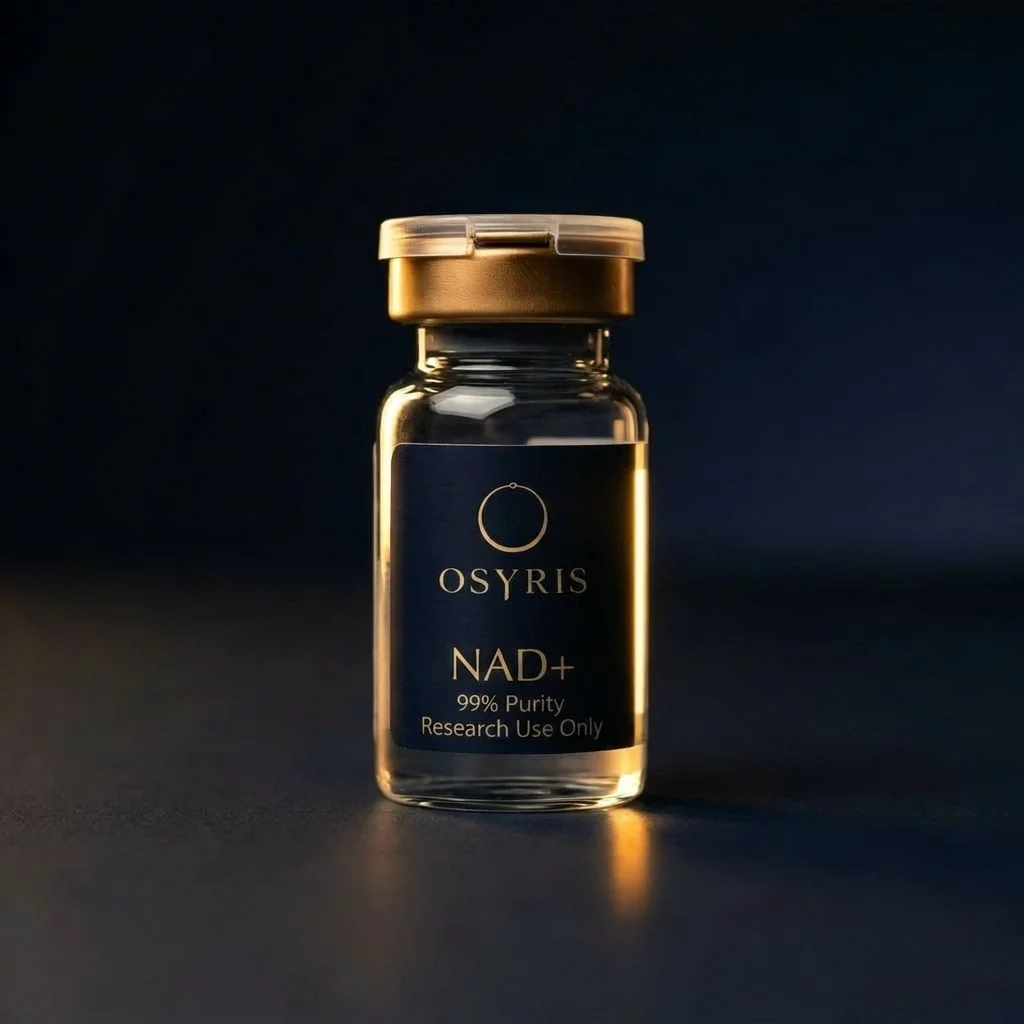
NAD⁺ is a coenzyme present in all living cells, playing a central role in redox reactions, energy metabolism, DNA repair, and cellular signaling. This high-purity NAD⁺ solution is designed for laboratory research involving aging, mitochondrial function, and sirtuin activation pathways. Not for human use or therapeutic application.
View product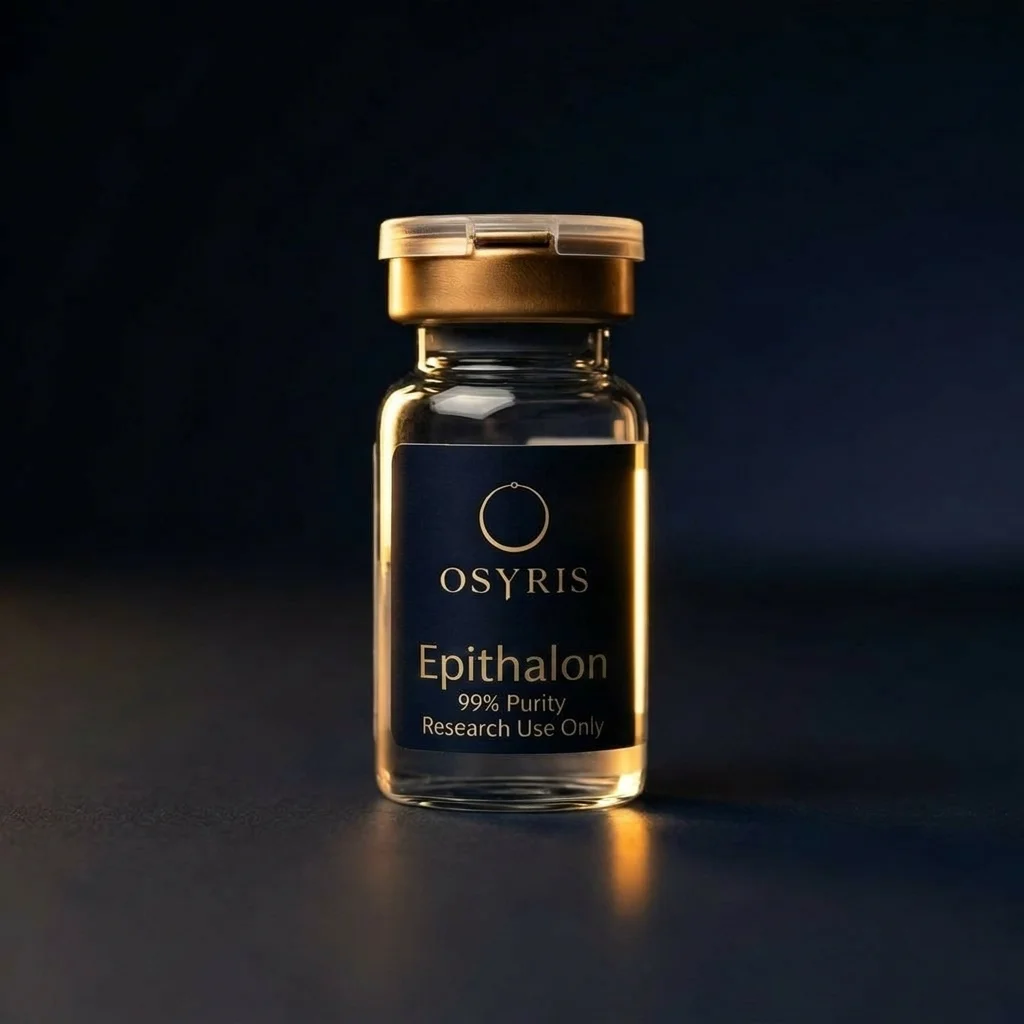 Research Product
Epithalon
Research Product
Epithalon
Epithalon (Ala-Glu-Asp-Gly) is a synthetic tetrapeptide modeled on pineal extracts. It is used in vitro and in vivo to investigate telomerase regulation, telomere dynamics, circadian biology, and molecular pathways associated with cellular aging and stress responses.
View product Research Product
MOTS-C
Research Product
MOTS-C
MOTS-c is a 16-amino acid mitochondrial-derived peptide encoded within the 12S rRNA of mitochondrial DNA. It is studied for its regulatory effects on metabolic homeostasis, cellular stress responses, and insulin sensitivity in preclinical models. MOTS-c is strictly intended for laboratory research use and not for human application.
View product Quality Framework Our StandardsReview how OSYRIS validates identity, purity, and documentation before each batch goes live.
Open →Questions
Common Questions
Which has the broader evidence base?
NAD+ has the broader evidence base overall.
Which is better for telomere research?
Epithalon is the clearer fit when the protocol is explicitly about telomere or telomerase-related questions.
Which is better for mitochondrial aging?
NAD+ is the clearer fit for mitochondrial, redox, and sirtuin-linked aging questions.
Can they be studied together?
Yes. They are rational partners in multi-hallmark aging protocols because they target different layers of the problem.
Is one more clinically validated than the other?
NAD+ is the more broadly discussed and cross-validated molecule in the literature.
Does OSYRIS present either as an anti-aging therapy?
No. Both are presented as research compounds for laboratory use only.