

Growth Hormone
Ipamorelin vs GHRP-6 — Why Selectivity Matters
Ipamorelin vs GHRP-6 compared: selective versus non-selective GH secretagogue signaling, hormonal confounders, and appetite effects.

The Problem With First-Generation GHRPs
GHRP-6 was one of the first growth hormone releasing peptides discovered. It effectively stimulates GH release — but it also raises cortisol (stress hormone), prolactin (reproductive hormone), and aldosterone (blood pressure regulator), and produces intense hunger (ghrelin-like appetite stimulation).¹
For researchers, these off-target effects create experimental noise. If you treat an animal with GHRP-6 and observe metabolic changes, you can't determine whether those changes came from GH, cortisol, prolactin, or the altered feeding behavior. The compound answers your question while simultaneously introducing new confounders.
How Ipamorelin Solved the Problem
Ipamorelin's selectivity was demonstrated in a definitive 1998 study by Raun et al. At doses producing equivalent GH release to GHRP-6, Ipamorelin showed no statistically significant elevation of cortisol, prolactin, or aldosterone. Even at supraphysiological doses (far above those needed for GH release), off-target hormone changes remained minimal.²
This selectivity revolutionized GH secretagogue research. For the first time, researchers had a tool that could stimulate GH without confounding hormonal changes — allowing cleaner experimental designs and more interpretable results.
Why OSYRIS Carries Ipamorelin, Not GHRP-6
The OSYRIS catalog prioritizes research tools that produce interpretable results. Ipamorelin's selectivity makes it the superior research tool for any protocol where GH-specific effects are the question. GHRP-6's historical value was establishing that GH secretagogues were possible. Ipamorelin's value is showing that they can be selective.
Researchers who specifically need to study the multi-hormonal effects of non-selective GHS-R1a activation (the cortisol + prolactin + appetite changes alongside GH) would need GHRP-6. But for the vast majority of GH research, Ipamorelin's clean profile is preferred.
Featured Links
 Research Product
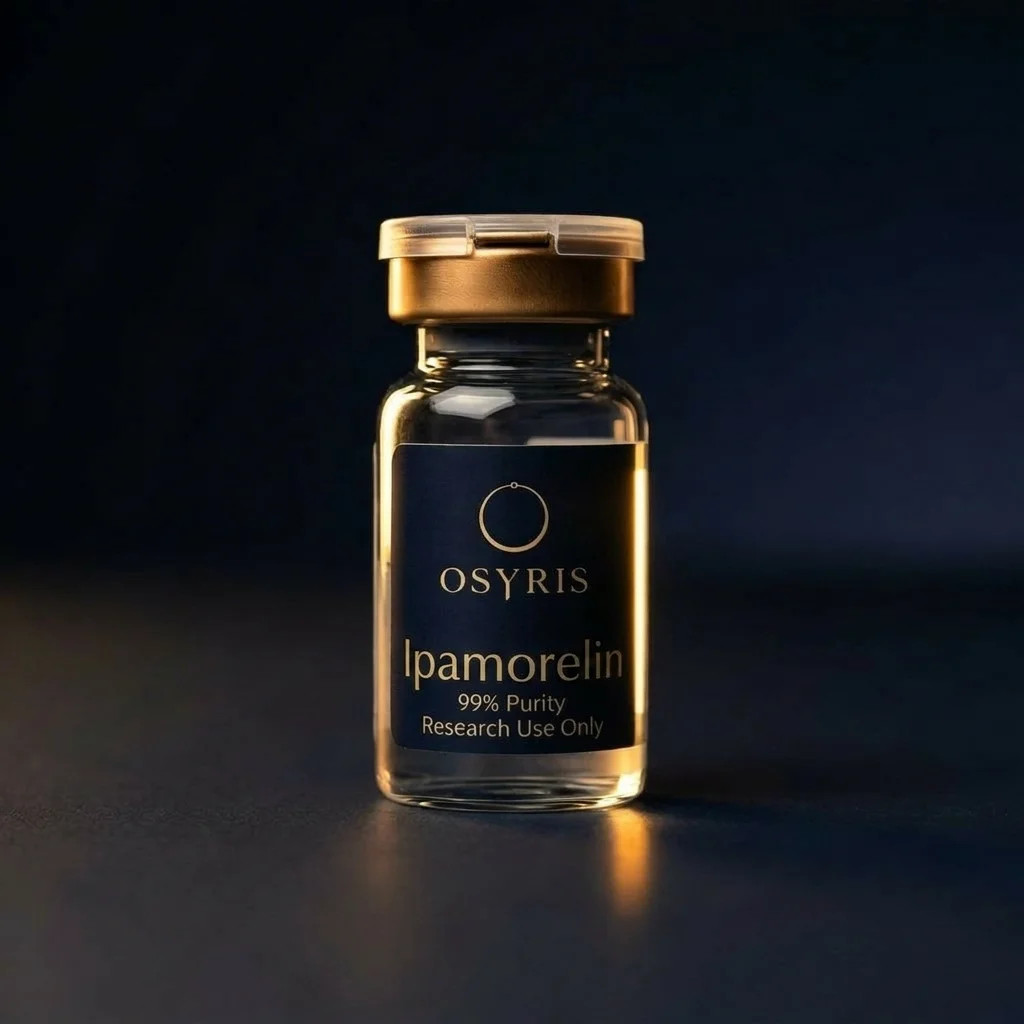
Ipamorelin
Research Product
Ipamorelin
Ipamorelin is a selective pentapeptide agonist of the growth hormone secretagogue receptor (GHSR1a). It is used to study GH-axis regulation, receptor pharmacology, and peptide signaling in endocrine and analytical research models.
View product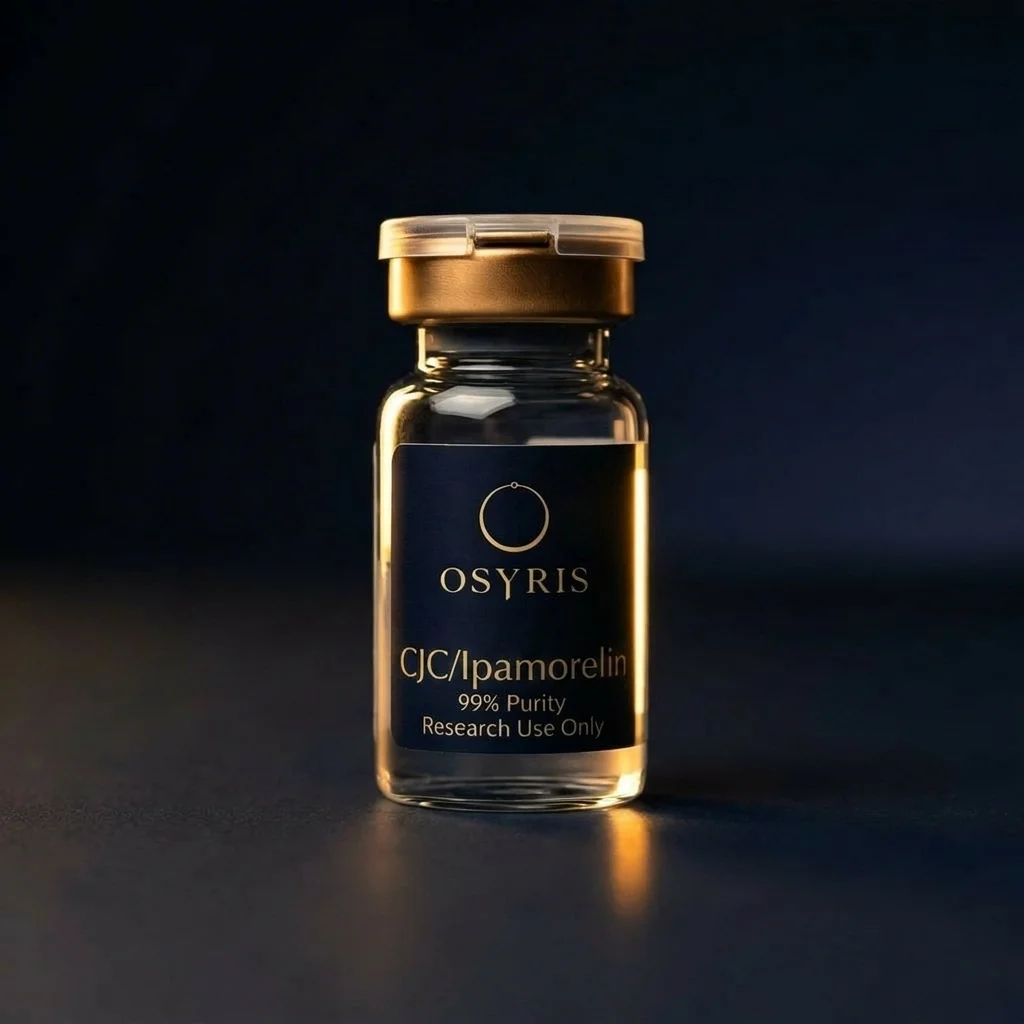 Research Product
CJC/Ipamorelin Blend
Research Product
CJC/Ipamorelin Blend
This blend combines CJC-1295 (No DAC) and Ipamorelin—two research peptides that act synergistically on the growth hormone (GH) axis. CJC-1295 stimulates GH-releasing hormone (GHRH) receptors, while Ipamorelin targets ghrelin receptors. Their combined use supports investigation into pulsatile GH secretion and downstream effects in cellular and endocrine research models.
View product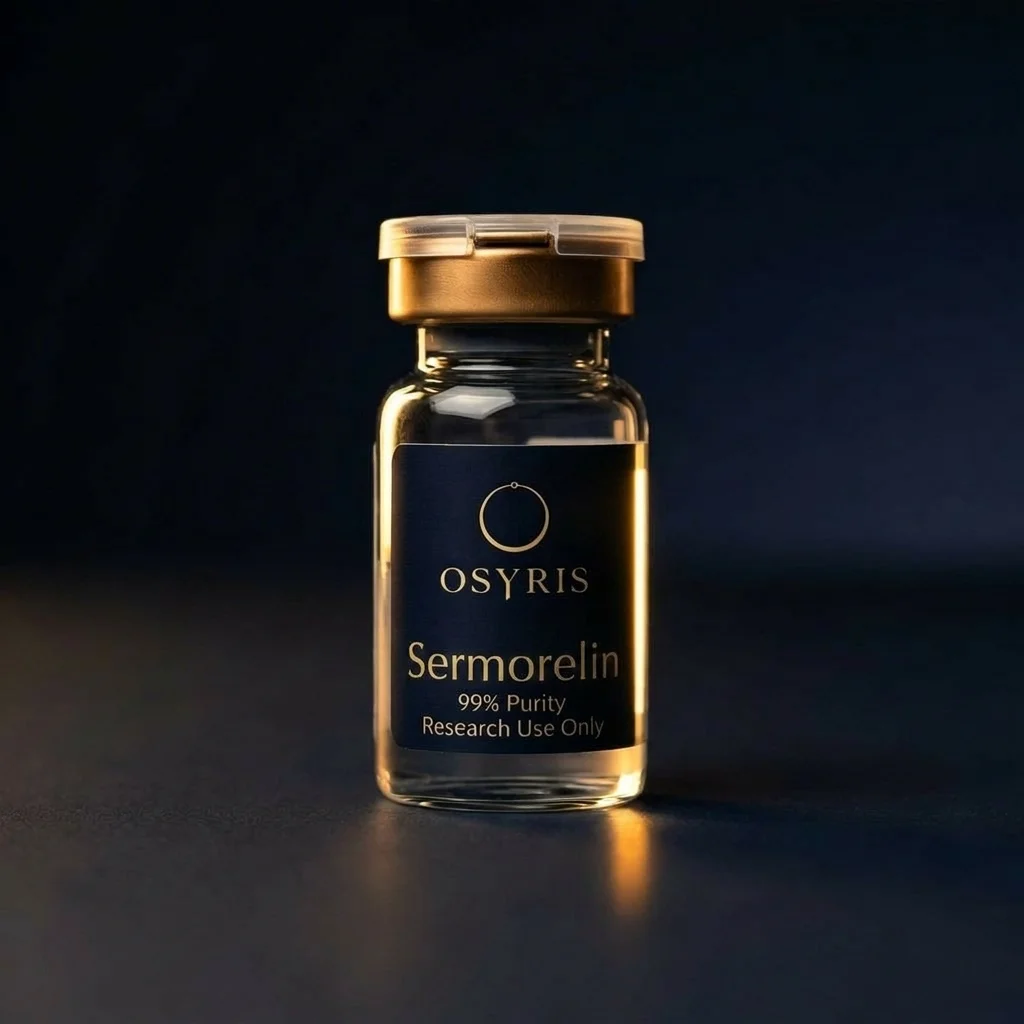 Research Product
Sermorelin
Research Product
Sermorelin
Sermorelin acetate (10mg) is a synthetic analog of growth hormone–releasing hormone (GHRH), consisting of the first 29 amino acids of the natural peptide. With ≥99% purity, this research peptide is used in laboratory studies exploring neuroendocrine regulation, aging models, and pituitary function. Supplied for research purposes only.
View productQuestions
Common Questions
Does OSYRIS sell GHRP-6?
No. Ipamorelin is the preferred GHRP due to its selectivity. GHRP-6's off-target hormonal effects make it a less clean research tool.
What if I need to study cortisol alongside GH?
Ipamorelin + a separate cortisol intervention provides a more controlled experimental design than using a non-selective GHRP that raises both uncontrollably.
Is Ipamorelin more potent than GHRP-6?
Similar GH-releasing potency. The difference is selectivity, not potency.
Why does GHRP-6 cause hunger?
GHRP-6 activates the ghrelin receptor more broadly, triggering appetite signaling pathways. Ipamorelin's binding kinetics preferentially engage GH-release pathways over appetite pathways.
Are there other selective GHRPs?
Ipamorelin is the most selective documented GHRP. Others (GHRP-2, Hexarelin) have intermediate selectivity profiles.
What year was selectivity demonstrated?
1998, by Raun et al. in the European Journal of Endocrinology.