

Roundup
Best Peptides for Skin Biology Research
A skin-biology roundup mapping dermal remodeling, oxidative balance, pigmentation, and neuromuscular signaling to the most relevant compounds.

Skin Research Has Multiple Layers
Skin-biology research is rarely one-pathway research. Dermal remodeling, oxidative stress, pigmentation signaling, and neuromuscular expression all sit inside the same category while asking completely different questions. That is why a useful skin roundup compares compounds by layer and mechanism, not by aesthetic marketing language.
GHK-Cu belongs in collagen and matrix conversations. Glutathione belongs in redox and oxidative-balance conversations. Melanotan 2 belongs in melanocortin and pigmentation questions. SNAP-8 belongs in topical neuromuscular signaling conversations. GLOW matters when the question is multi-layer skin biology rather than one narrow endpoint.
Evidence and Protocol Fit
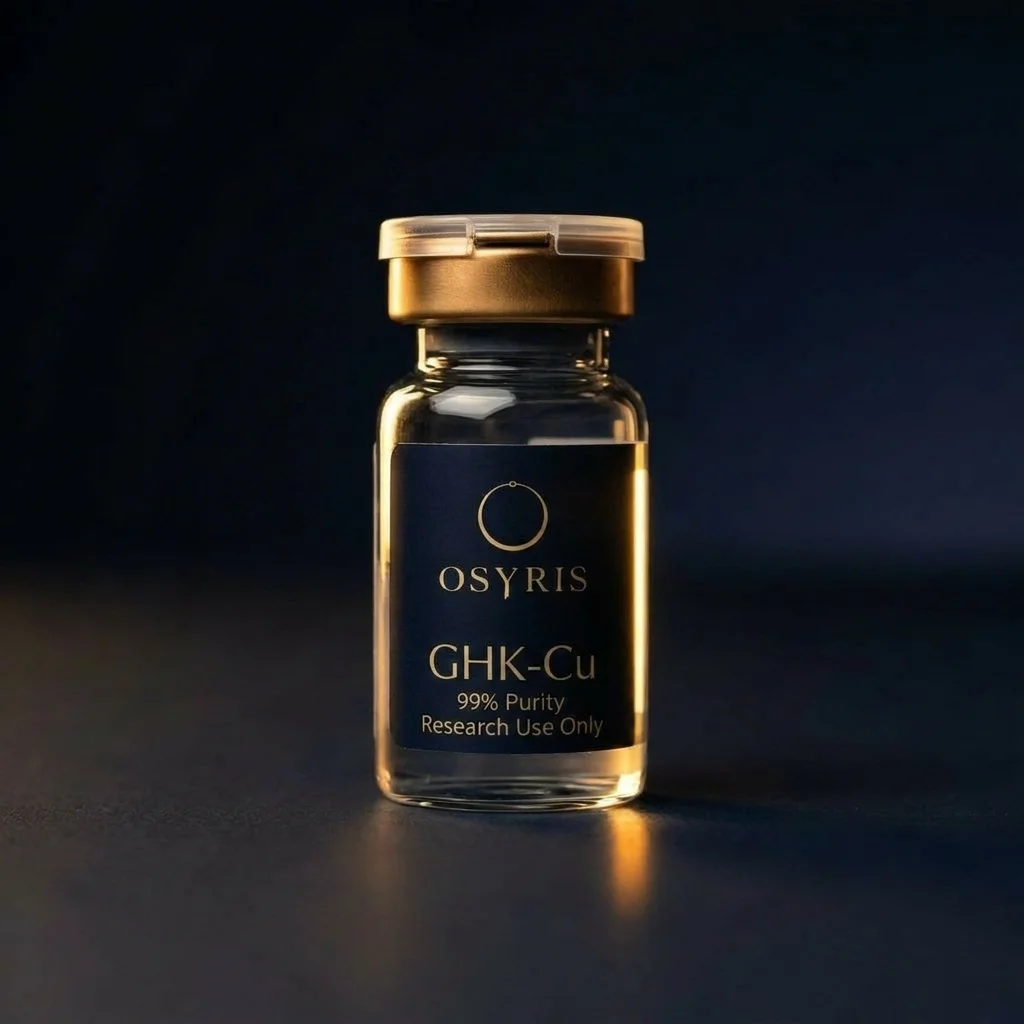
- GHK-Cu — strongest fit for collagen, matrix, and gene-expression-oriented skin work.
- Glutathione — strongest fit when oxidative balance and antioxidant systems are central.
- Melanotan 2 — most useful when melanocortin signaling and pigmentation are the core question.
- SNAP-8 — best framed as a topical expression and neuromuscular-signaling tool rather than a general skin compound.
When Multi-Compound Skin Protocols Make Sense
Single-compound skin protocols are still the clearest option when the goal is mechanism. Multi-compound designs become more attractive when the protocol intentionally studies layered skin biology: matrix remodeling plus oxidative pressure, or repair signaling plus pigment or tone pathways.
That is the logic behind GLOW. It is not simply 'more is better.' It is a stack built for protocols that want to study multiple non-identical skin and repair mechanisms together.
Featured Links
 Research Product
GHK-Cu
Research Product
GHK-Cu
GHK-Cu is the copper(II) complex of glycyl-L-histidyl-L-lysine. It is widely used in vitro to study copper transport, redox balance, extracellular matrix regulation, and gene expression signatures related to tissue remodeling and cellular stress responses.
View product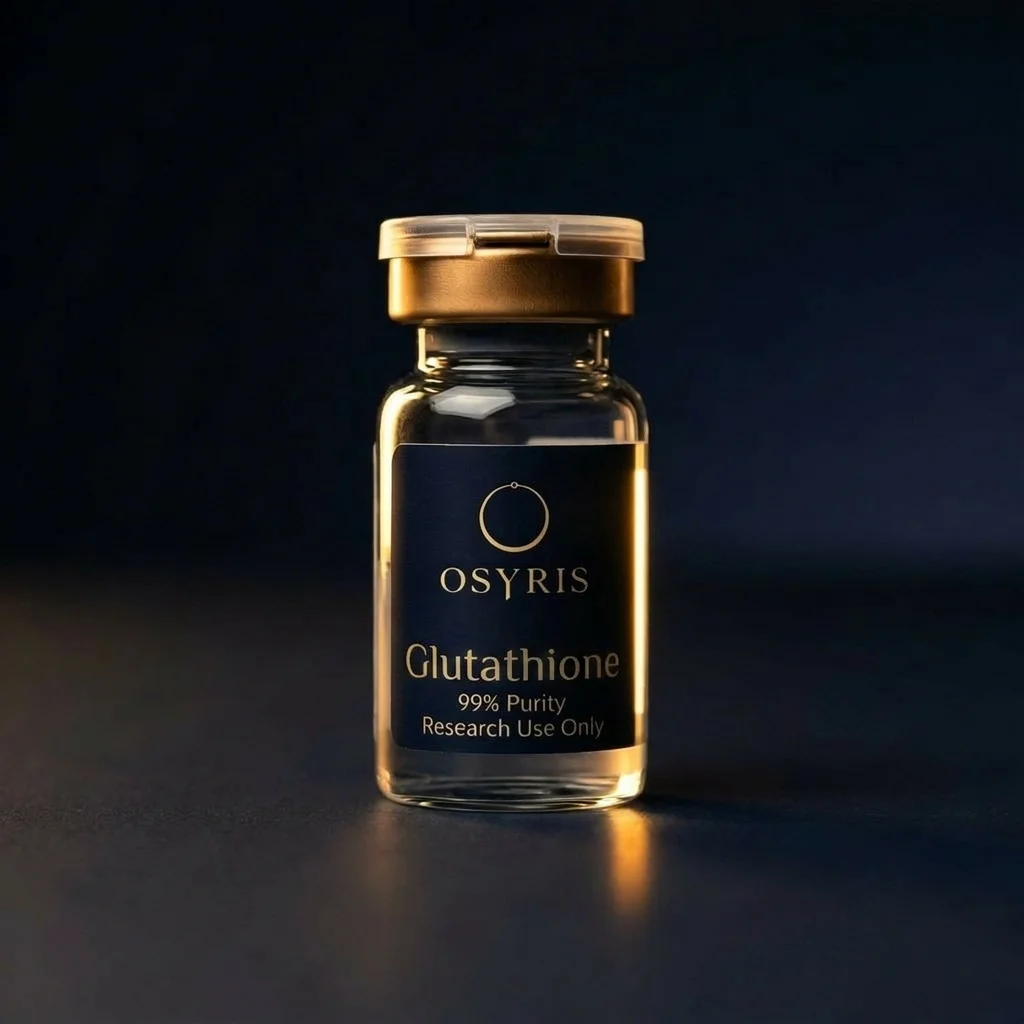 Research Product
Glutathione
Research Product
Glutathione
Glutathione (GSH) is an endogenous γ-glutamyl-cysteinyl-glycine tripeptide supplied as a research-grade standard. It is central to models of redox homeostasis, detoxification, antioxidant defense, and thiol-based signaling.
View product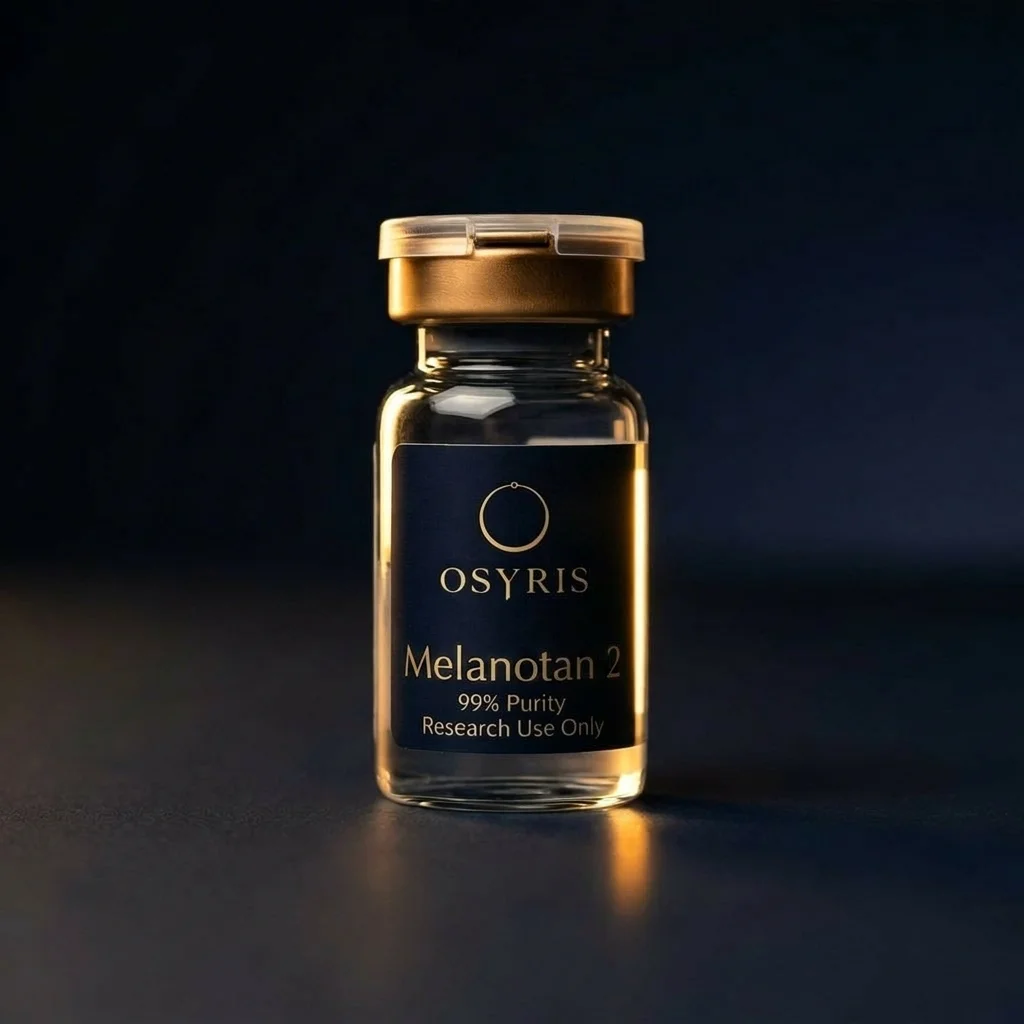 Research Product
Melanotan 2
Research Product
Melanotan 2
Melanotan II is a synthetic cyclic heptapeptide analog of α-MSH (alpha-melanocyte-stimulating hormone). It is studied for its interaction with melanocortin receptors, particularly MC1R and MC4R. MT-2 is used exclusively in laboratory settings to explore pigment regulation, energy homeostasis, and neuroendocrine signaling. Not for diagnostic or therapeutic use.
View product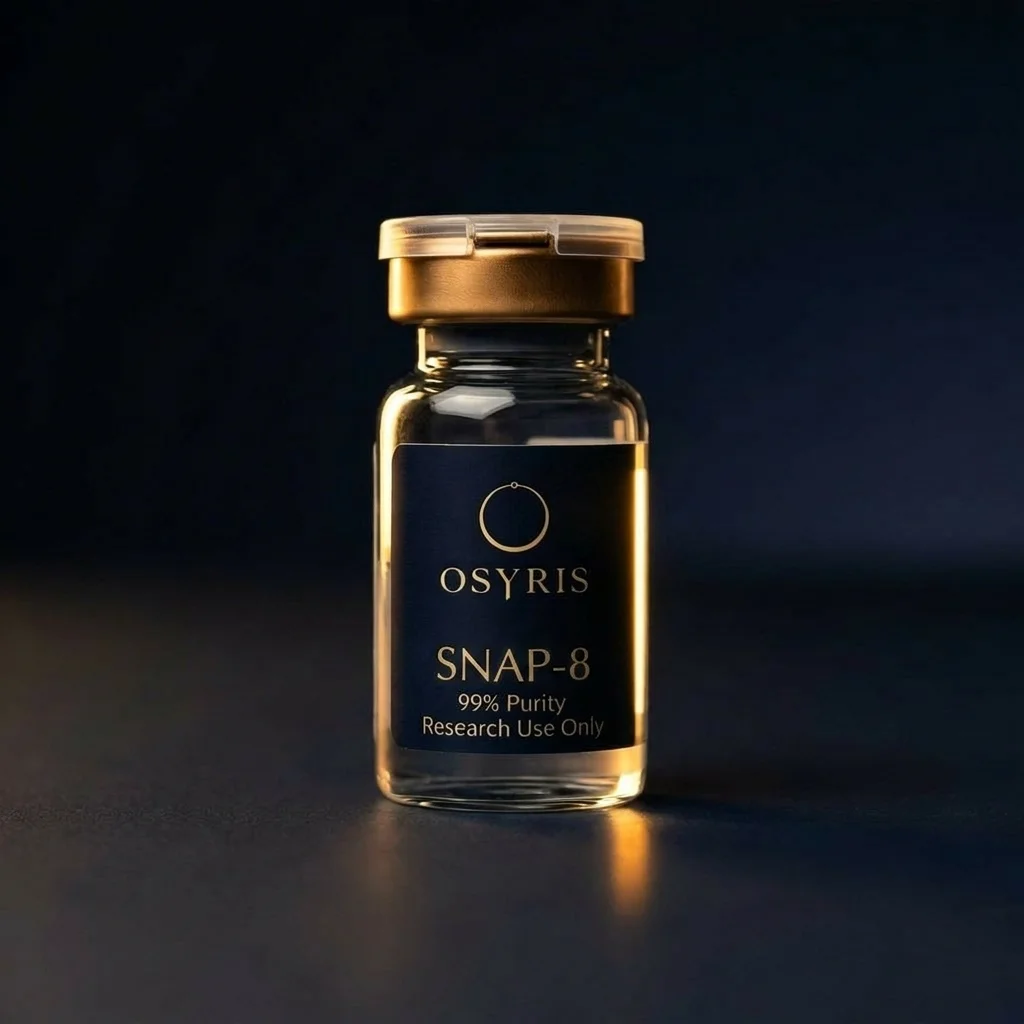 Research Product
SNAP-8
Research Product
SNAP-8
SNAP-8 is an acetylated octapeptide analog of the N-terminal domain of SNAP-25. It is used in vitro to investigate SNARE complex interactions, synaptic vesicle fusion, and peptide-mediated modulation of exocytosis in neuromuscular and dermal models, supporting structure–activity and vesicle trafficking research under controlled conditions.
View product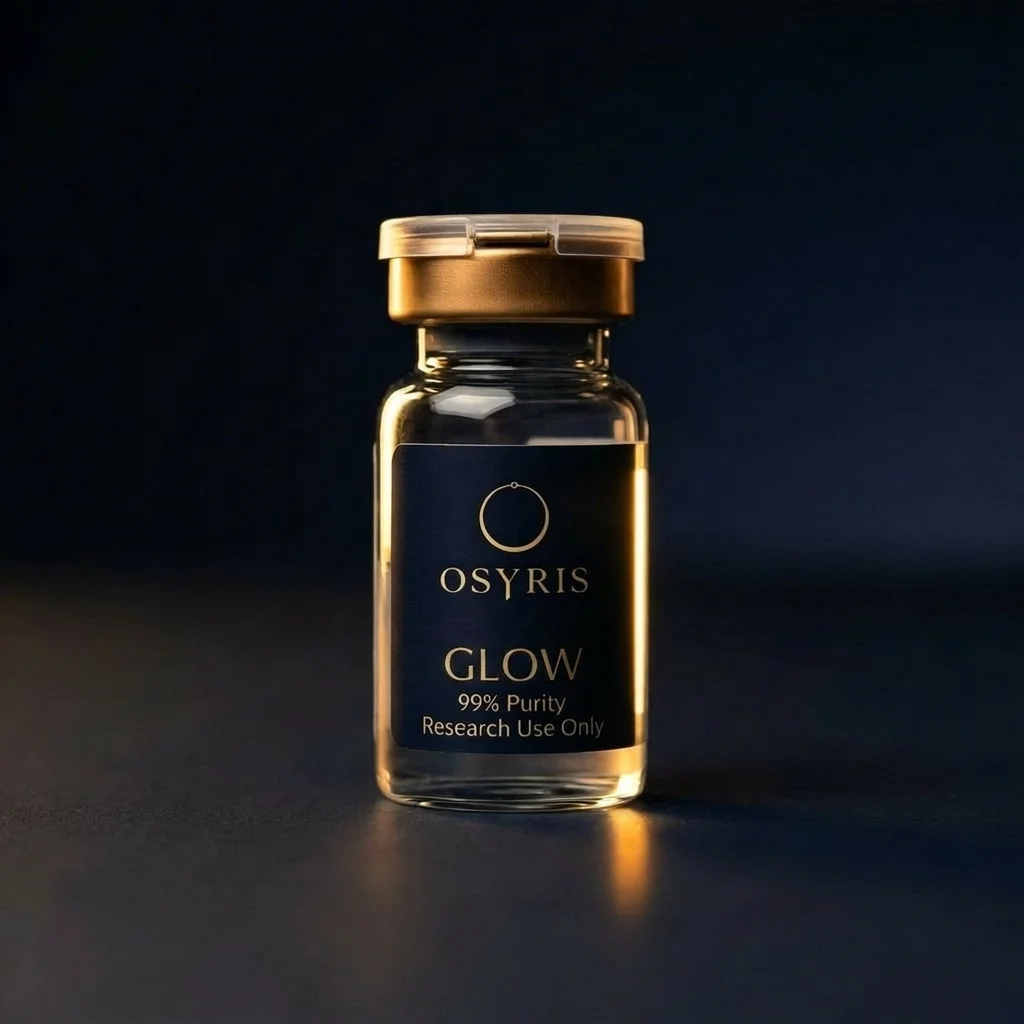 Research Product
GLOW
Research Product
GLOW
GLOW is a proprietary multi-peptide research blend composed of GHK-Cu (50MG), BPC-157 (10MG), and TB-500 (10MG), formulated for synergistic in vitro and in vivo study of cellular signaling, tissue regeneration, angiogenesis, and peptide-receptor interactions. This product is supplied as a lyophilized powder and is intended strictly for research purposes only.
View productQuestions
Common Questions
Which skin peptide has the strongest evidence?
GHK-Cu has the clearest fit for collagen and remodeling work, while Glutathione and Melanotan 2 become stronger in more specific oxidative or pigmentation contexts.
Is GHK-Cu the same as Glutathione?
No. GHK-Cu is a copper peptide used in matrix and expression-related conversations. Glutathione is an antioxidant tripeptide used in redox-focused research.
What is GLOW designed for?
It is a multi-compound stack used when the protocol intentionally targets multiple skin and repair pathways at once.
Where does SNAP-8 belong?
SNAP-8 fits best in topical and expression-line conversations rather than as a general skin-regeneration compound.
Can Melanotan 2 be grouped with other skin compounds?
Yes, but only when the protocol acknowledges that pigmentation biology is a different mechanism from collagen or antioxidant pathways.
Are these aesthetic products for consumer use?
No. On OSYRIS they are sold as laboratory research compounds only.