

Roundup
Best Peptides for Immune Research
An immune-roundup mapping adaptive immunity, inflammation control, and neuroimmune signaling to the strongest compounds in the OSYRIS catalog.

Three Levels of Immune Research
Immune peptide research usually clusters around three levels: direct anti-inflammatory signaling, adaptive immune support, and neuroimmune cross-talk. KPV, Thymosin Alpha 1, and VIP fit those lanes respectively, even though real protocols often overlap more than the categories suggest.
That three-level view is helpful because it keeps the category honest. Not every immune peptide is interchangeable. Some questions are really about cytokine tone or NF-kB. Some are about T-cell maturation and immune competence. Some are about how neural and immune signaling intersect under stress.
Evidence Ranking and Scope
- Thymosin Alpha 1 — strongest overall evidence because immune research extends into clinical and regulatory history.
- KPV — strongest in anti-inflammatory and barrier-linked preclinical conversations.
- VIP — strongest when the protocol is explicitly about neuroimmune signaling and peptide-mediated communication.
- KLOW — useful when the immune question overlaps heavily with repair and remodeling.
Where Stacks Enter the Picture
Single-compound immune protocols make the most sense when the question is mechanistic. Stacks become more attractive when the immune question sits inside a larger recovery or remodeling problem. That is why KLOW can matter in immune-adjacent work even though its most distinctive feature is being a multi-pathway stack rather than a single immune molecule.
The right immune peptide is therefore the one that matches the level of the question: inflammatory signaling, adaptive immunity, or integrated immune-plus-repair biology.
Featured Links
 Research Product
Thymosin Alpha 1
Research Product
Thymosin Alpha 1
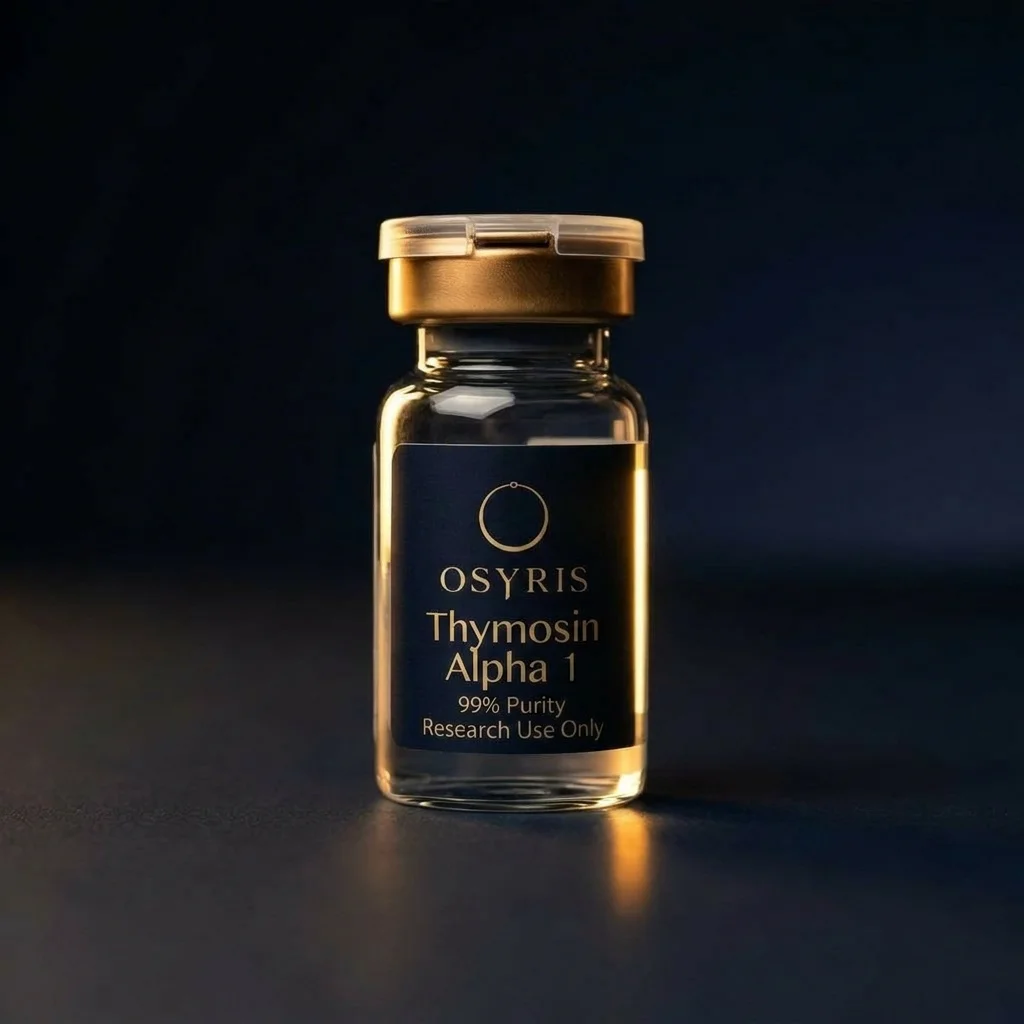
Thymosin Alpha 1 is a synthetic 28-amino-acid peptide fragment derived from pro-thymosin α, classified as an immunomodulatory research peptide. It is widely used in laboratory settings to investigate cellular regulation, biochemical signaling pathways, and interactions with immune-related molecular targets. Intended strictly for controlled research applications only.
View product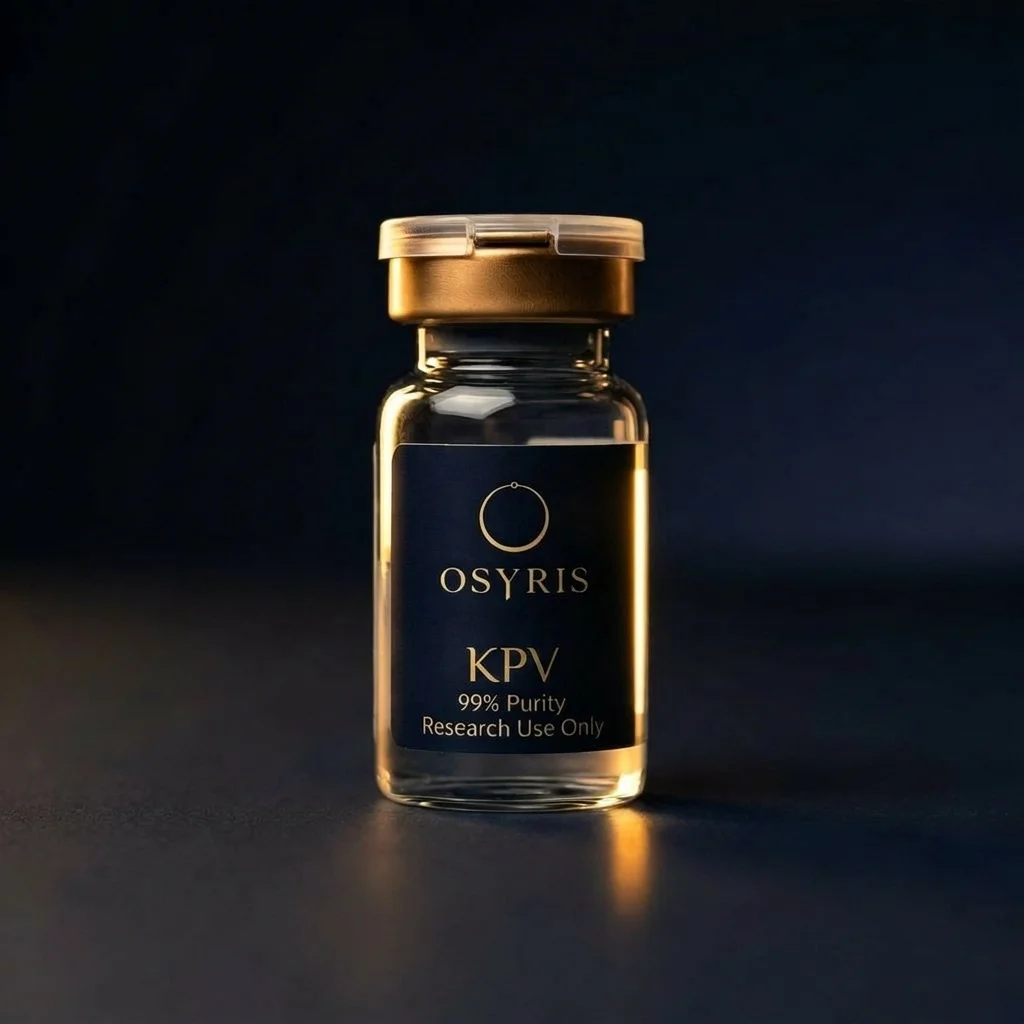 Research Product
KPV
Research Product
KPV
KPV is a tripeptide fragment (Lys-Pro-Val) derived from the α-melanocyte-stimulating hormone (α-MSH). Supplied as a high-purity research peptide, KPV 10 mg is used exclusively in controlled laboratory settings for studies exploring cellular interactions, peptide signaling, and structure–function relationships. For research purposes only.
View product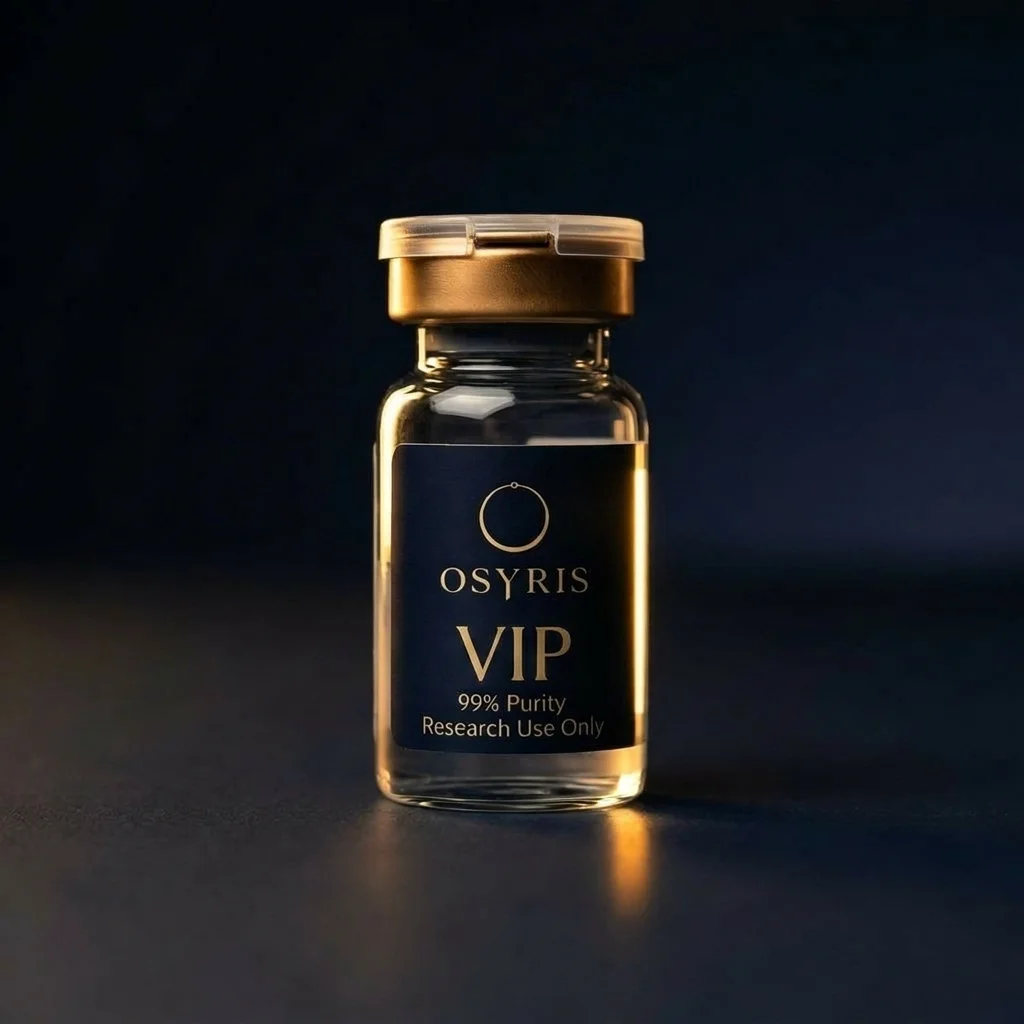 Research Product
VIP
View product
Research Product
VIP
View product
 Research Product
KLOW
Research Product
KLOW
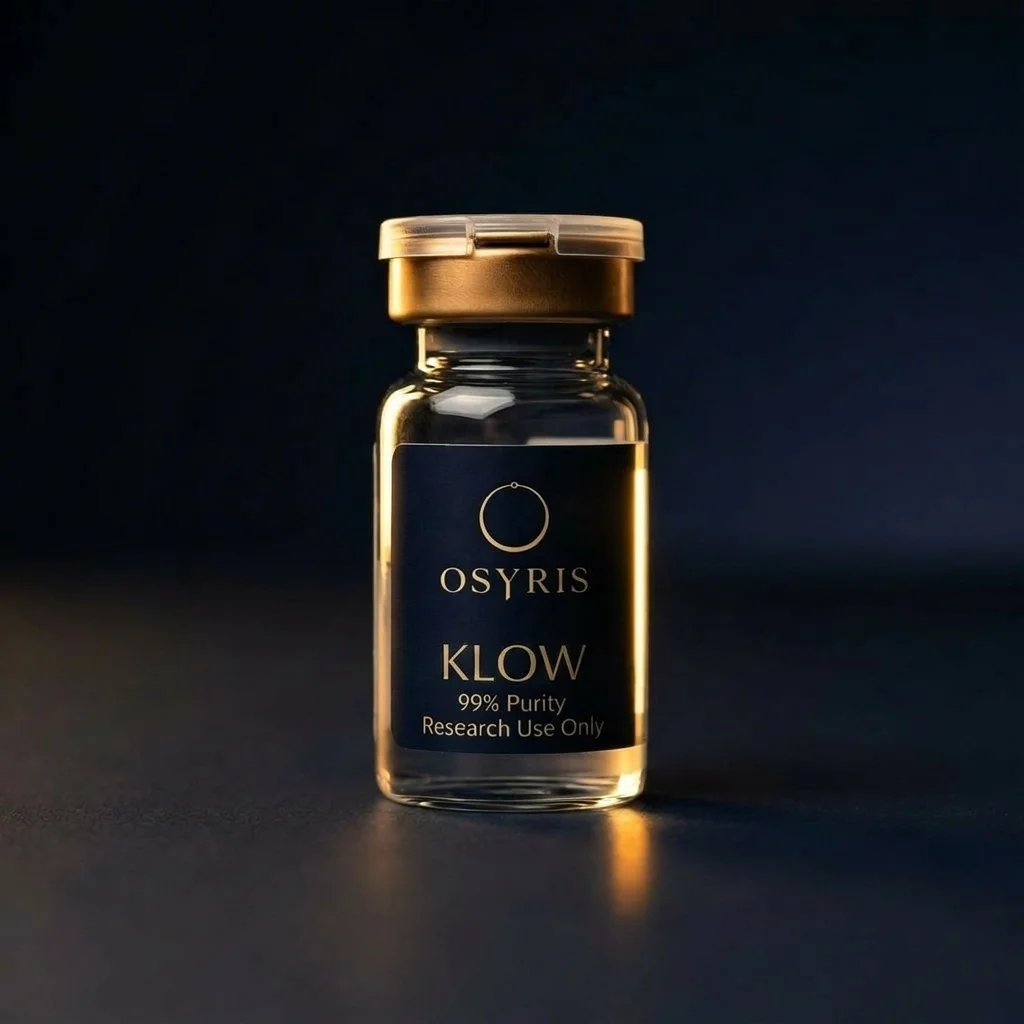
KLOW is a composite research peptide blend comprising BPC-157, thymosin beta-4, GHK-Cu and KPV. Supplied as a high-purity lyophilized powder, it supports in vitro exploration of angiogenesis, extracellular matrix turnover, cytoskeletal organization, and inflammatory signaling using complementary pathways derived from the component molecules. For laboratory research only, and controlled assays.
View product Quality Framework Our StandardsReview how OSYRIS validates identity, purity, and documentation before each batch goes live.
Open → COA Index Product CertificatesBrowse the product-level COA index and open the current certificate for each catalog item.
Open →Questions
Common Questions
Which immune peptide has the strongest evidence?
Thymosin Alpha 1 has the broadest evidence base, especially once you include its clinical history outside the research-product market.
Is KPV an immune peptide or a recovery peptide?
Its clearest primary home is immune and anti-inflammatory research, though it can overlap with repair-oriented protocols.
Where does VIP fit in immune research?
VIP is most useful in neuroimmune and signaling-rich immune models rather than as a general-purpose anti-inflammatory label.
What makes KLOW different from single immune compounds?
KLOW is a stack, so it is built for multi-pathway designs rather than one isolated immune mechanism.
Can immune peptides be combined?
They can, but the combination should be justified by the biology and the protocol design rather than treated as an automatic upgrade.
Are these immune peptides sold as therapies here?
No. They are offered by OSYRIS as research compounds for laboratory use only.