

Roundup
Best Peptides for Anti-Aging Research
A longevity research roundup mapping major OSYRIS compounds to the hallmarks of aging rather than treating anti-aging as one question.
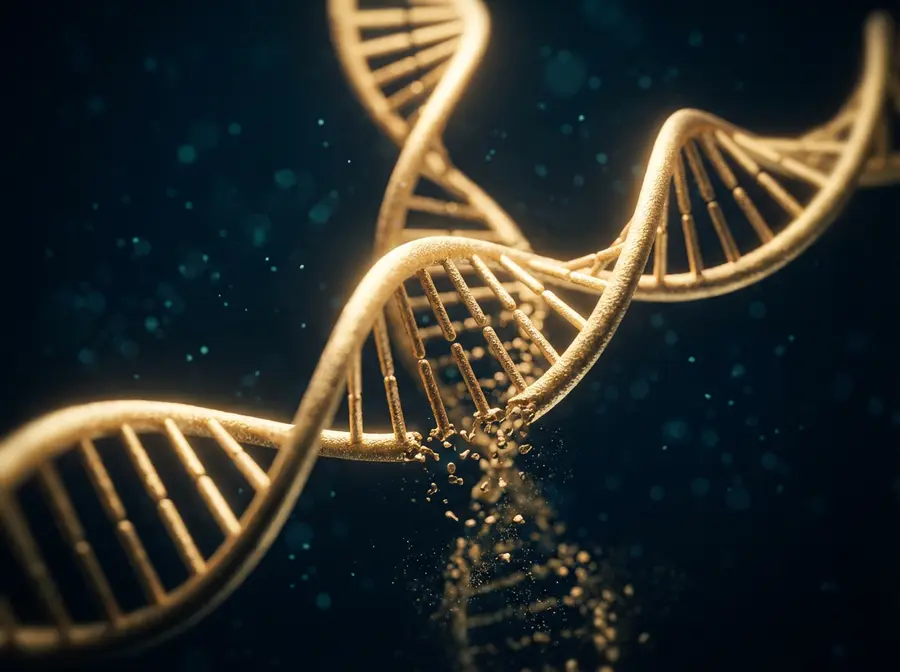
Targeting the Hallmarks of Aging
Anti-aging research becomes much easier to think about when it is broken into the hallmarks of aging rather than collapsed into one giant promise. Telomere attrition, mitochondrial dysfunction, genomic instability, altered nutrient sensing, and immunosenescence are not the same problem. The best longevity compound depends on which of those questions your protocol is actually trying to answer.
That is why NAD+, Epithalon, MOTS-C, Vitamin B12, GHK-Cu, and Thymosin Alpha 1 can all belong in the same conversation without being interchangeable. They sit inside different aging frames, which is exactly what a useful roundup should make visible.
Evidence Strength and Protocol Fit
- NAD+ — broadest cross-lab visibility in mitochondrial, redox, and sirtuin-linked research.
- Thymosin Alpha 1 — strongest clinical footprint in immune contexts, relevant to immunosenescence questions.
- GHK-Cu — meaningful when the aging question centers on gene expression, remodeling, or resilience signatures.
- MOTS-C — increasingly important when the protocol targets mitochondrial signaling and exercise-linked aging biology.
- Epithalon — most useful when the protocol is explicitly about telomere and telomerase questions.
Single-Hallmark vs Multi-Hallmark Designs
Some protocols are cleaner when they isolate one hallmark: NAD+ for mitochondrial stress, Epithalon for telomere-linked questions, or MOTS-C for AMPK and exercise-mimetic signaling. Other protocols are built around the multi-hallmark idea — the possibility that two or three aging pathways should be studied together because aging itself is layered.
That multi-hallmark logic is scientifically attractive, but it also raises the bar for interpretation. Once multiple compounds enter the same design, the protocol must decide whether the goal is synergy, complementarity, or simply coverage across aging mechanisms. The more explicit that decision is, the stronger the study becomes.
Featured Links
 Research Product
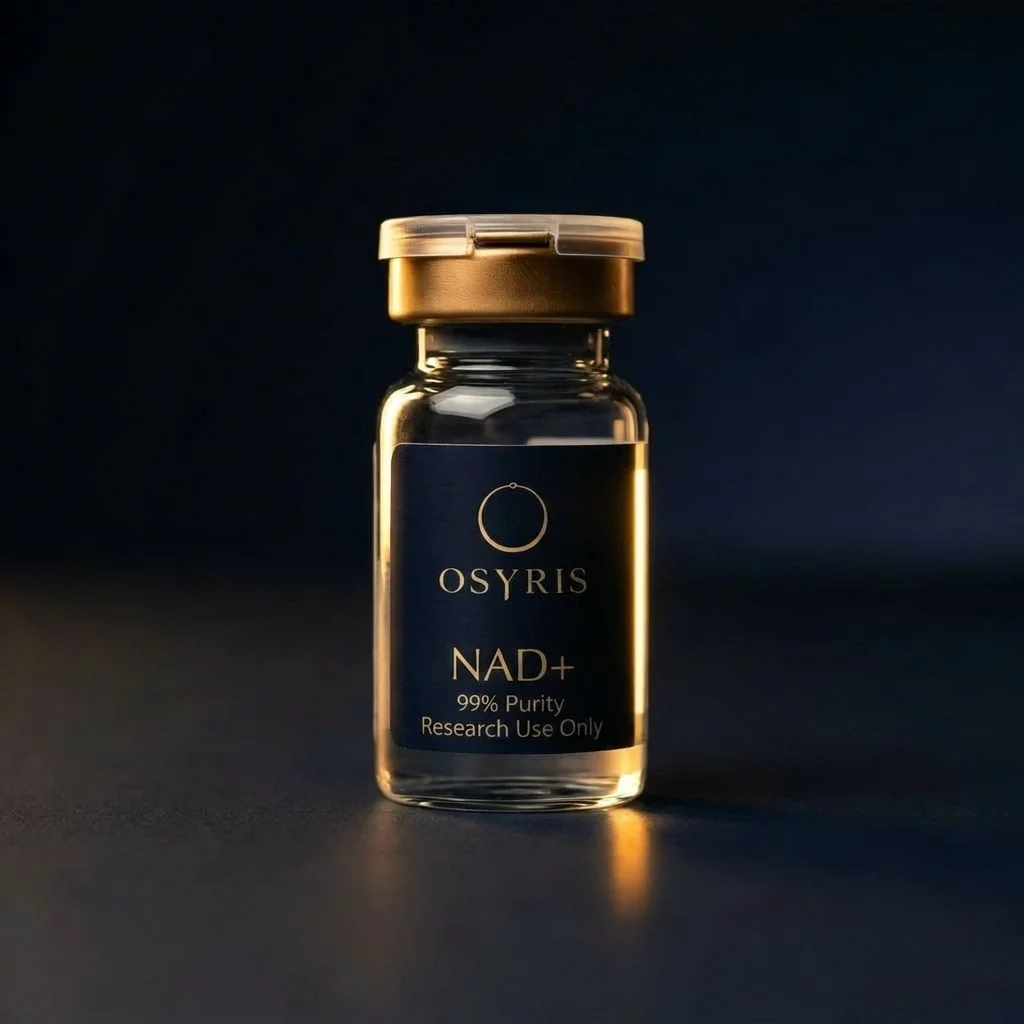
NAD+
Research Product
NAD+
NAD⁺ is a coenzyme present in all living cells, playing a central role in redox reactions, energy metabolism, DNA repair, and cellular signaling. This high-purity NAD⁺ solution is designed for laboratory research involving aging, mitochondrial function, and sirtuin activation pathways. Not for human use or therapeutic application.
View product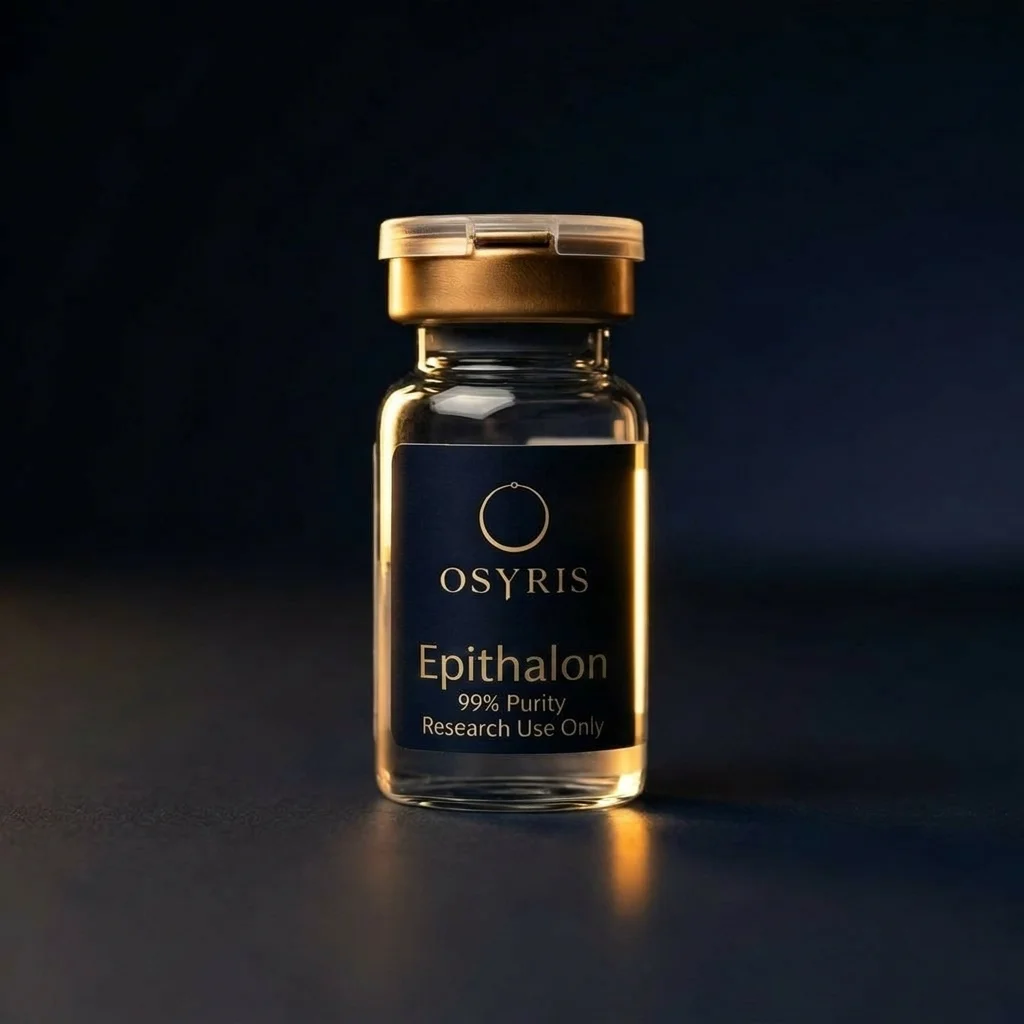 Research Product
Epithalon
Research Product
Epithalon
Epithalon (Ala-Glu-Asp-Gly) is a synthetic tetrapeptide modeled on pineal extracts. It is used in vitro and in vivo to investigate telomerase regulation, telomere dynamics, circadian biology, and molecular pathways associated with cellular aging and stress responses.
View product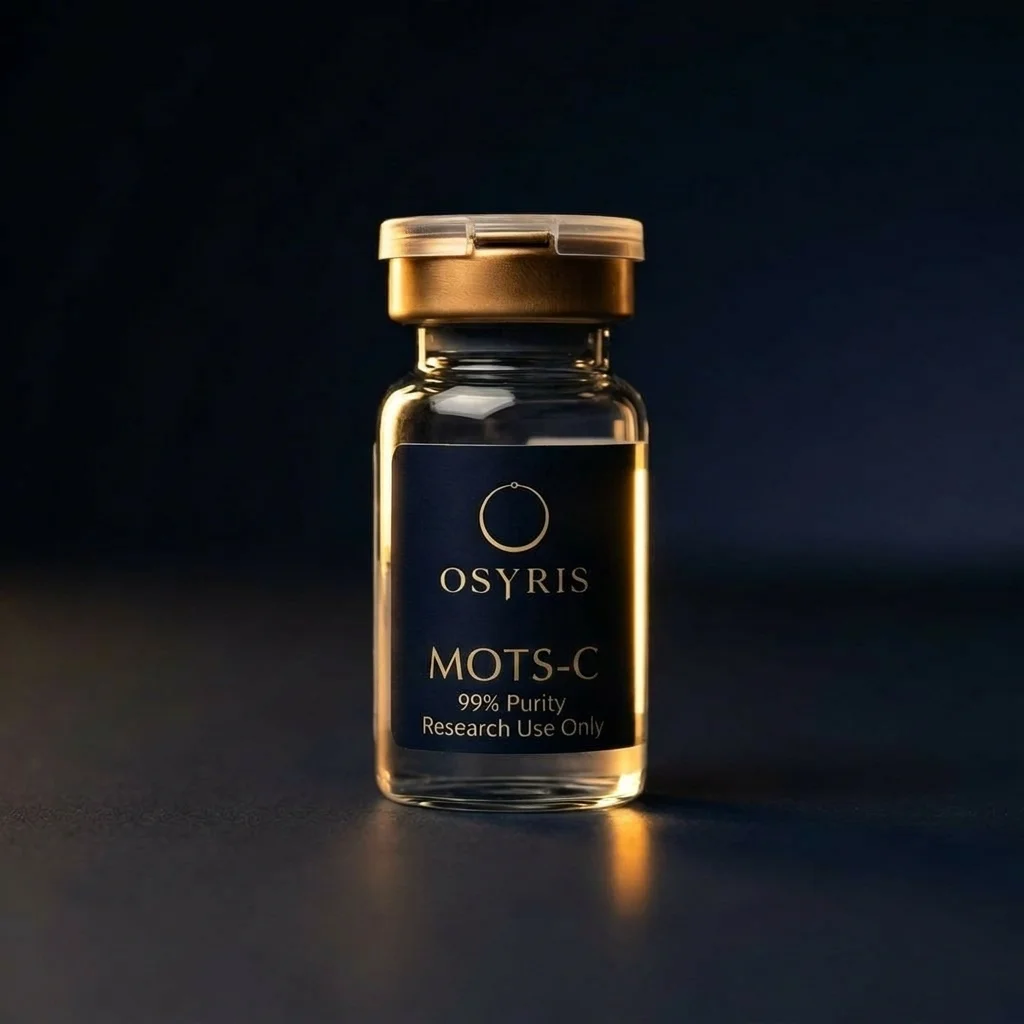 Research Product
MOTS-C
Research Product
MOTS-C
MOTS-c is a 16-amino acid mitochondrial-derived peptide encoded within the 12S rRNA of mitochondrial DNA. It is studied for its regulatory effects on metabolic homeostasis, cellular stress responses, and insulin sensitivity in preclinical models. MOTS-c is strictly intended for laboratory research use and not for human application.
View product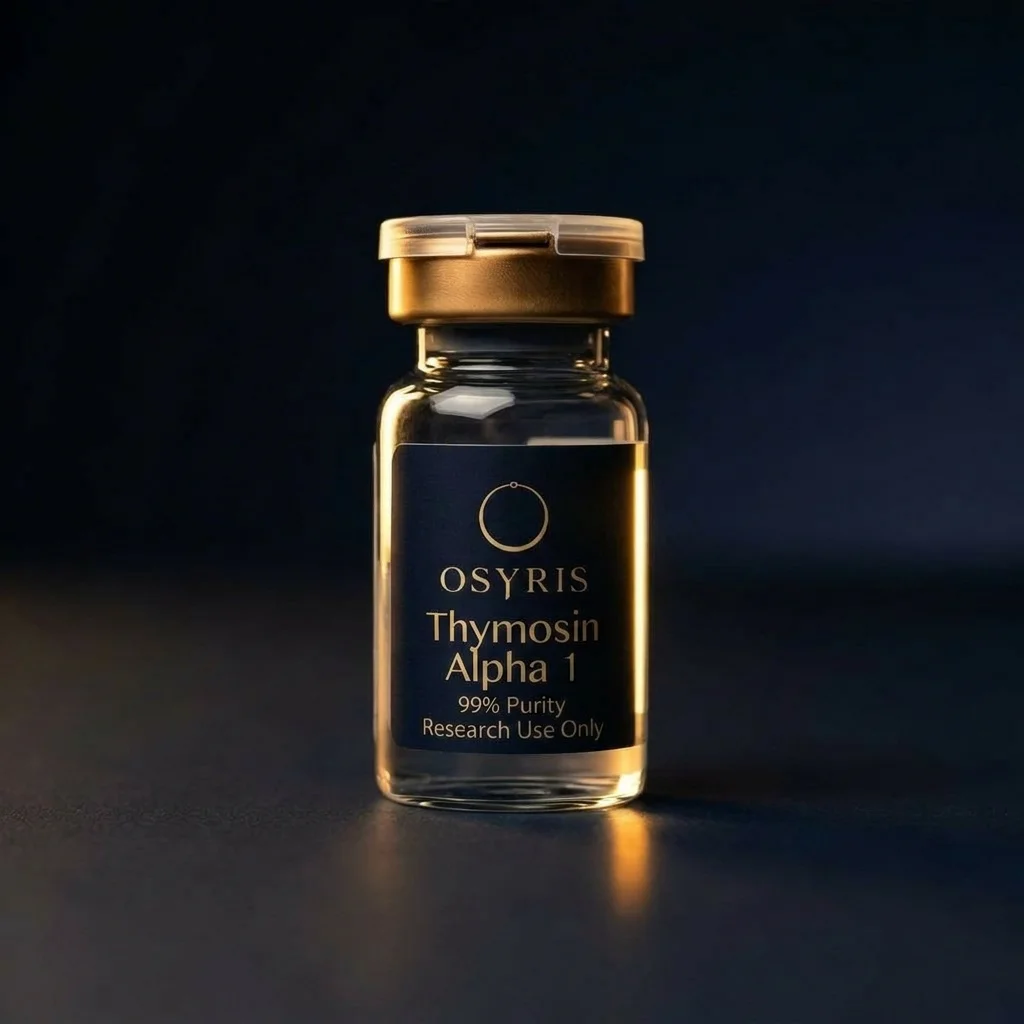 Research Product
Thymosin Alpha 1
Research Product
Thymosin Alpha 1
Thymosin Alpha 1 is a synthetic 28-amino-acid peptide fragment derived from pro-thymosin α, classified as an immunomodulatory research peptide. It is widely used in laboratory settings to investigate cellular regulation, biochemical signaling pathways, and interactions with immune-related molecular targets. Intended strictly for controlled research applications only.
View product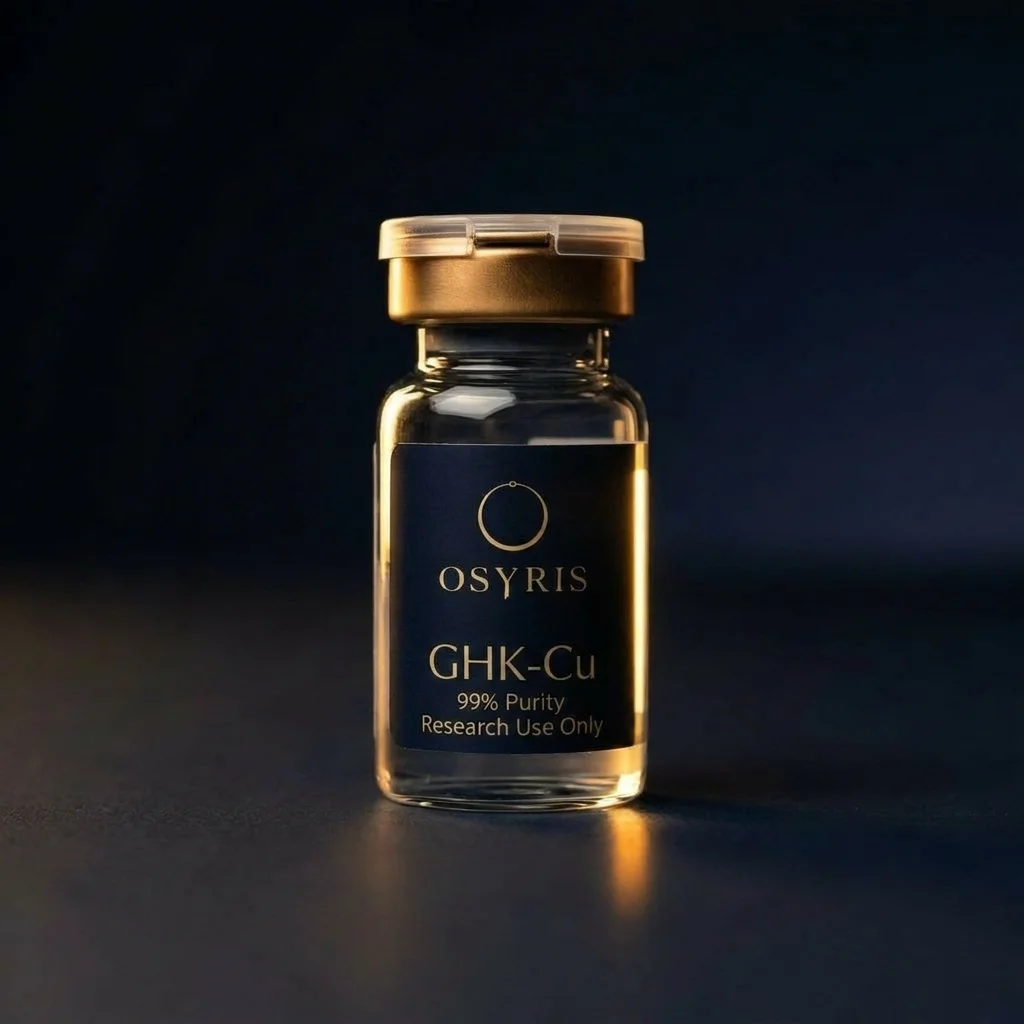 Research Product
GHK-Cu
Research Product
GHK-Cu
GHK-Cu is the copper(II) complex of glycyl-L-histidyl-L-lysine. It is widely used in vitro to study copper transport, redox balance, extracellular matrix regulation, and gene expression signatures related to tissue remodeling and cellular stress responses.
View product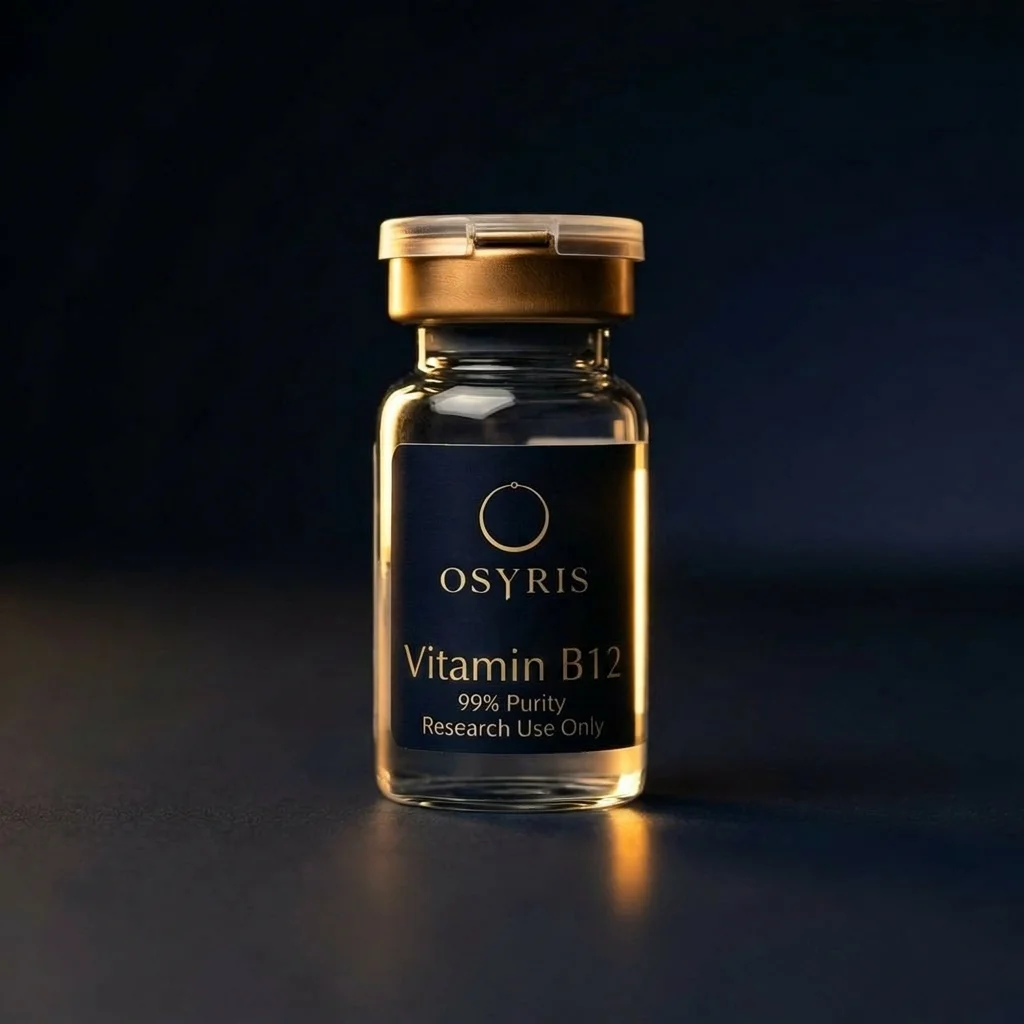 Research Product
Vitamin B12
Research Product
Vitamin B12
This research-grade Vitamin B12 (cobalamin) is intended as a reference material for analytical chemistry, enzymology, and cellular one-carbon metabolism studies. It is not supplied as a dietary supplement.
View productQuestions
Common Questions
Can peptides reverse aging?
Preclinical studies can improve selected aging-related markers, but that is not the same as proving broad human anti-aging effects.
Which longevity compound has the broadest evidence?
NAD+ currently has the broadest visibility across mitochondrial and cellular-stress literature.
What if my protocol is about telomeres specifically?
Epithalon is the clearer fit when the protocol is explicitly centered on telomere or telomerase-related questions.
Can longevity compounds be combined?
Yes, but the combination should map to a multi-hallmark hypothesis rather than being treated as an automatic upgrade.
Why is Thymosin Alpha 1 included in longevity discussions?
Because aging and immune decline often overlap, making immunosenescence a legitimate aging-research question.
Are any of these sold as anti-aging treatments here?
No. OSYRIS sells them as laboratory research compounds, not as approved anti-aging interventions.