

Longevity
Epithalon vs MOTS-C — Two Approaches to Aging Biology
Epithalon vs MOTS-C compared: telomere biology versus mitochondrial signaling, aging hallmarks, evidence differences, and protocol fit.
Different Clocks, Different Interventions
Epithalon and MOTS-C both target aging — but they address different hallmarks with fundamentally different mechanisms. Understanding which hallmark your research targets determines which compound is appropriate.
Epithalon's approach: The cellular division clock. Every cell division shortens telomeres. When telomeres reach critical length, the cell enters senescence. Epithalon reportedly reactivates telomerase to extend telomeres, potentially resetting this clock. It targets the countdown timer itself.
MOTS-C's approach: The cellular energy infrastructure. Mitochondria produce less energy, generate more waste (ROS), and communicate less effectively with the nucleus as they age. MOTS-C activates AMPK — the same metabolic switch that exercise activates — potentially restoring mitochondrial function and metabolic health. It targets the power plant.
These are different levels of biology. Telomere attrition limits how many times a cell can divide. Mitochondrial dysfunction limits how well a cell functions between divisions. Both contribute to aging, but through independent mechanisms.
Evidence Assessment
Epithalon: Consistent findings across multiple publications from Khavinson's group. Telomerase activation in cell culture, melatonin restoration in aged animals, lifespan extension in rodent models. Primary limitation: limited independent replication. The data is internally consistent but awaits broader validation.
MOTS-C: Newer compound with rapidly growing evidence. AMPK activation well-established. Exercise connection validated (MOTS-C levels rise during exercise in humans). Mouse metabolic improvements documented. Primary limitation: also concentrated in one primary laboratory (Lee at USC), though independent work is emerging faster than for Epithalon.
Choosing Between Them
Choose Epithalon if: Your research focuses on telomere biology, cellular replicative lifespan, telomerase enzymology, pineal gland/melatonin biology, or the replicative senescence hallmark of aging.
Choose MOTS-C if: Your research focuses on mitochondrial function, exercise physiology, AMPK signaling, metabolic aging, or the mitochondrial dysfunction hallmark of aging.
Choose both if: Your protocol studies multi-hallmark interventions — investigating whether simultaneously addressing telomere attrition and mitochondrial dysfunction produces effects beyond single-hallmark intervention.
Featured Links
 Research Product
Epithalon
Research Product
Epithalon
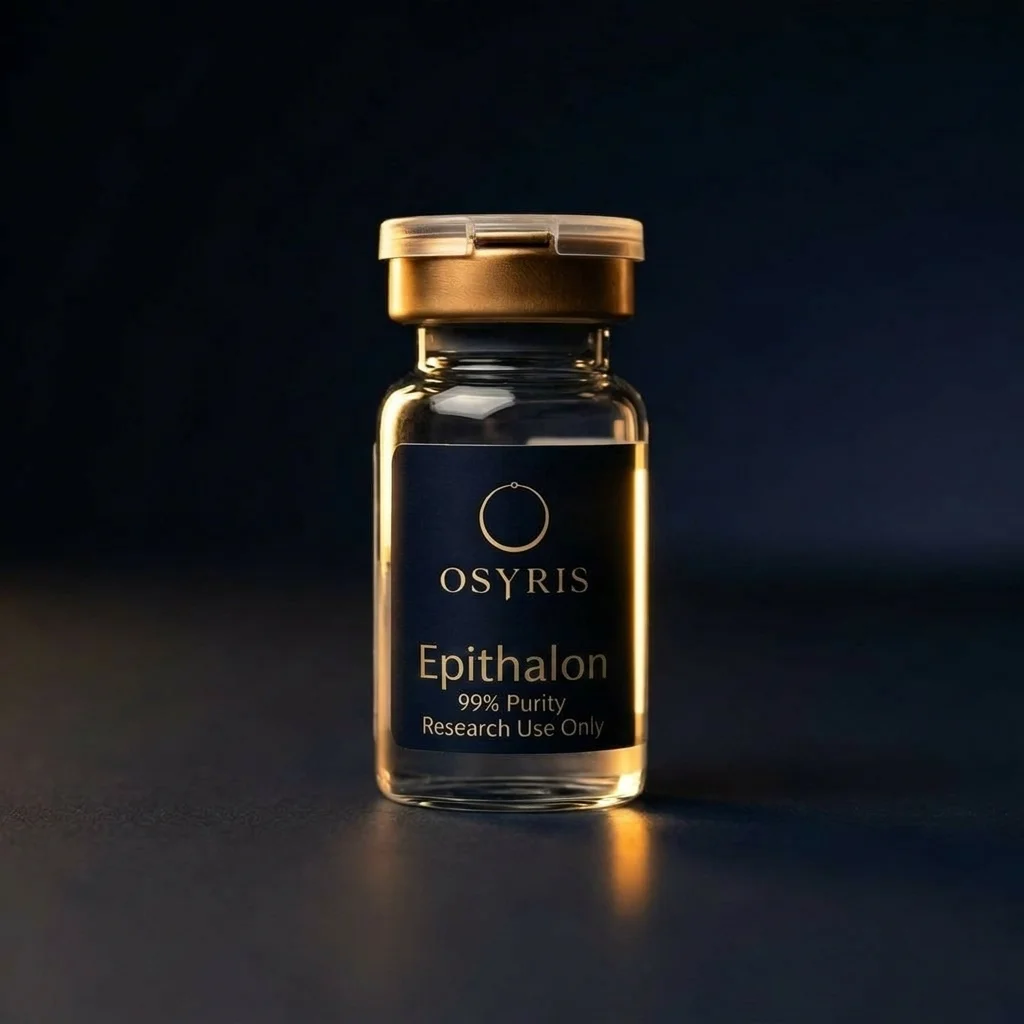
Epithalon (Ala-Glu-Asp-Gly) is a synthetic tetrapeptide modeled on pineal extracts. It is used in vitro and in vivo to investigate telomerase regulation, telomere dynamics, circadian biology, and molecular pathways associated with cellular aging and stress responses.
View product Research Product
MOTS-C
Research Product
MOTS-C
MOTS-c is a 16-amino acid mitochondrial-derived peptide encoded within the 12S rRNA of mitochondrial DNA. It is studied for its regulatory effects on metabolic homeostasis, cellular stress responses, and insulin sensitivity in preclinical models. MOTS-c is strictly intended for laboratory research use and not for human application.
View product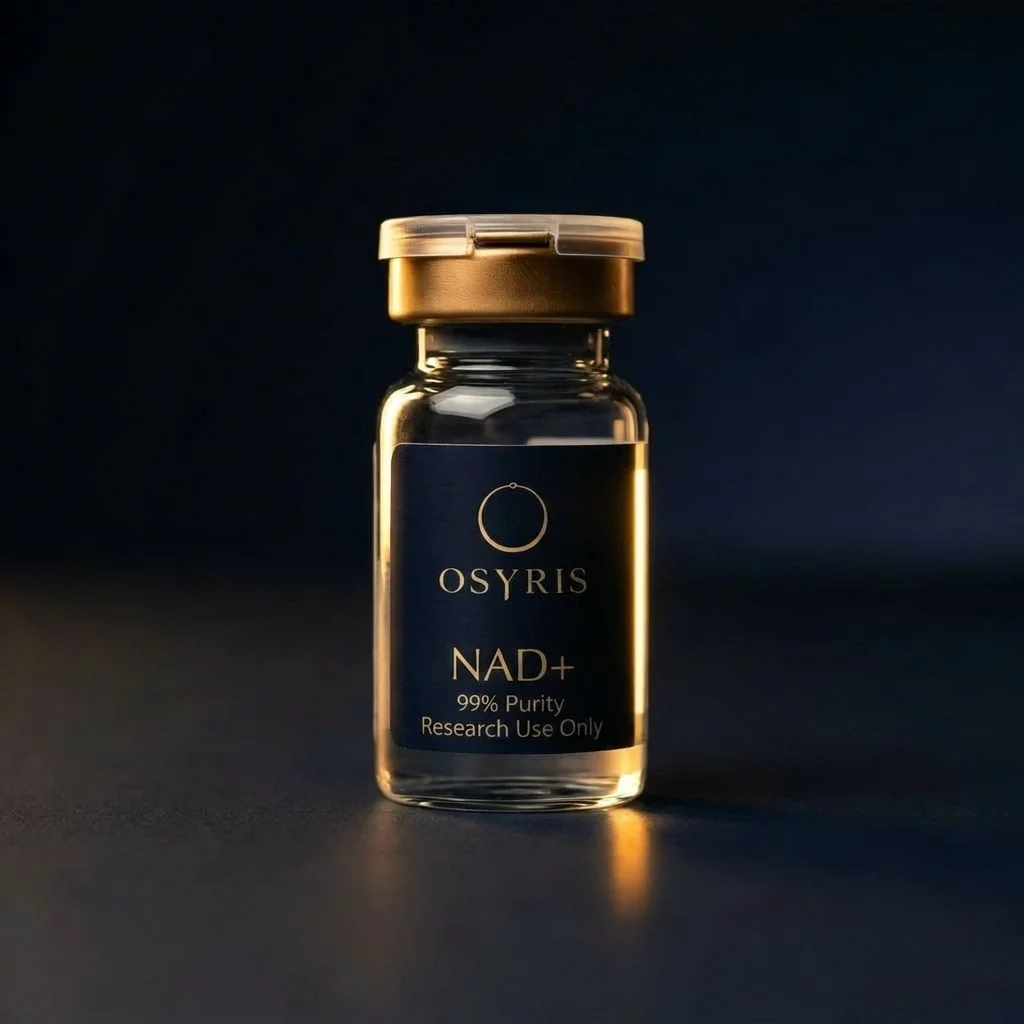 Research Product
NAD+
Research Product
NAD+
NAD⁺ is a coenzyme present in all living cells, playing a central role in redox reactions, energy metabolism, DNA repair, and cellular signaling. This high-purity NAD⁺ solution is designed for laboratory research involving aging, mitochondrial function, and sirtuin activation pathways. Not for human use or therapeutic application.
View productQuestions
Common Questions
Which aging hallmark is more important?
Unknown. The Hallmarks framework doesn't rank them. Both telomere attrition and mitochondrial dysfunction contribute to aging, but their relative importance likely varies by tissue type and individual.
Can they be combined?
Yes. They target non-overlapping mechanisms, making combination protocols scientifically rational.
Which has stronger evidence?
Neither has human efficacy data. Both have primarily single-laboratory evidence bases. MOTS-C is newer but generating independent interest faster.
Does NAD+ overlap with either?
NAD+ overlaps with MOTS-C on the mitochondrial hallmark but through a different mechanism (sirtuins vs AMPK). NAD+ does not directly overlap with Epithalon's telomere mechanism.
Which was discovered more recently?
MOTS-C (2015) is much newer than Epithalon (1990s).
Do both extend lifespan in animals?
Epithalon has reported lifespan extension in mouse models. MOTS-C has improved physical performance and metabolic health in aged mice but lifespan extension per se has not been the primary endpoint of published studies.