

Metabolic
Understanding Incretin Receptor Biology
A plain-language explainer on incretin receptors, glucose-dependent signaling, and how GLP-1, GIP, and glucagon components shape metabolic research.

The Incretin Effect
The incretin effect describes the observation that oral glucose produces a stronger insulin response than intravenous glucose delivering the same blood-sugar load. The gut is not just absorbing nutrients; it is actively telling the pancreas what is happening. Two of the most important hormones in that message are GLP-1 and GIP.
That is why incretin biology sits inside the enteroinsular axis — the gut-to-pancreas communication network that links food intake to insulin release, appetite signaling, and metabolic regulation.
Why Glucose Dependence Matters
Incretin signaling is attractive because it is glucose-dependent. That means the pathway tends to amplify insulin release when glucose is elevated rather than driving insulin indiscriminately in every context. This is one reason incretin mimetics are discussed differently from insulin itself.
GLP-1 and GIP are related but not interchangeable. Dual and triple agonists exploit that difference by stacking receptor programs: one receptor profile can emphasize satiety and glycemic control, while another can add energy-expenditure or complementary metabolic effects.
How Single, Dual, and Triple Agonists Differ
GLP-1-focused compounds emphasize the classic incretin pathway. Dual agonists add GIP to change the receptor balance. Triple agonists add a glucagon component, which introduces a different metabolic dimension again. The result is not just a stronger version of GLP-1 signaling; it is a different receptor architecture altogether.
This is why metabolic researchers compare single, dual, and triple agonists as separate design philosophies rather than as a simple dose ladder.
Featured Links
 Research Product
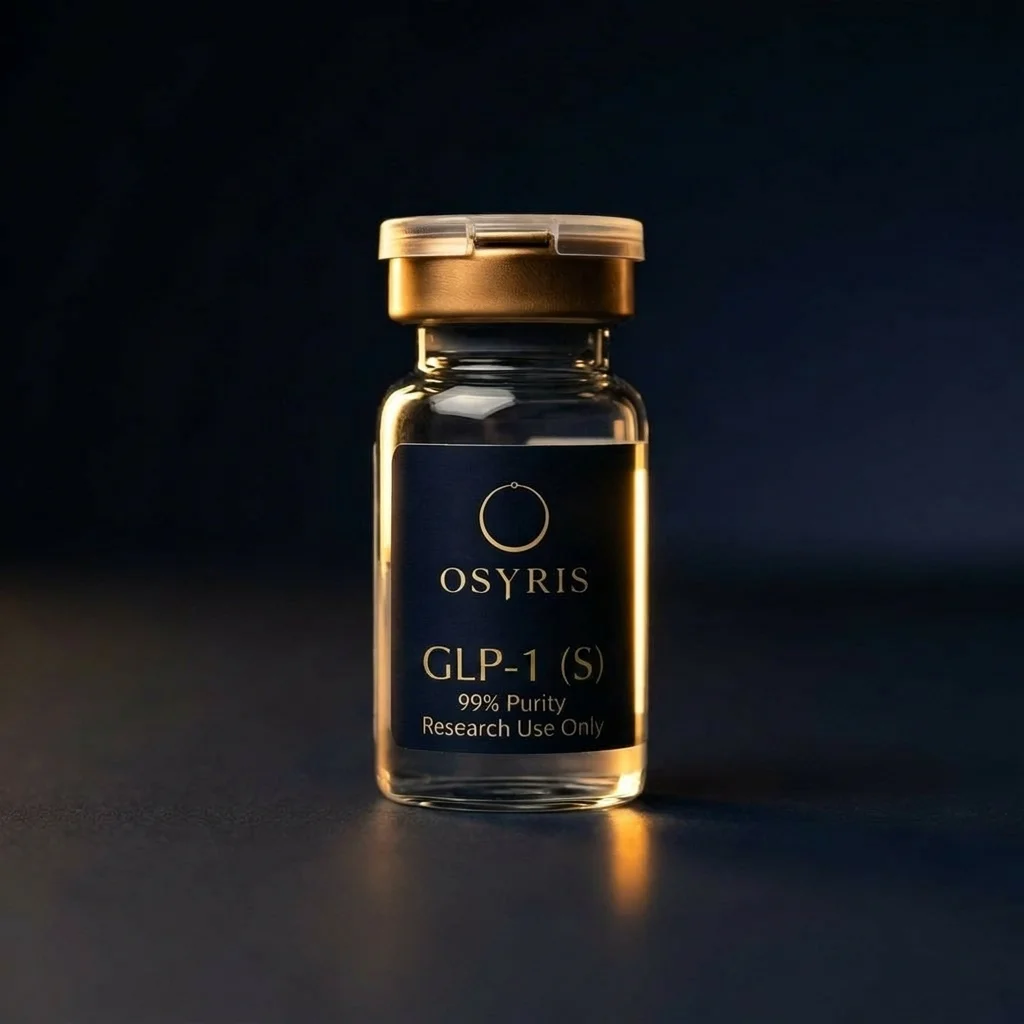
GLP-1 (S)
Research Product
GLP-1 (S)
GLP – 1 (S) is a synthetic GLP-1 receptor agonist peptide developed for the investigation of glucose regulation, insulin signaling, and appetite pathways. It is structurally modified to resist enzymatic degradation and prolong half-life. GLP – 1 (S) is supplied for controlled laboratory research and is not intended for human or veterinary use.
View product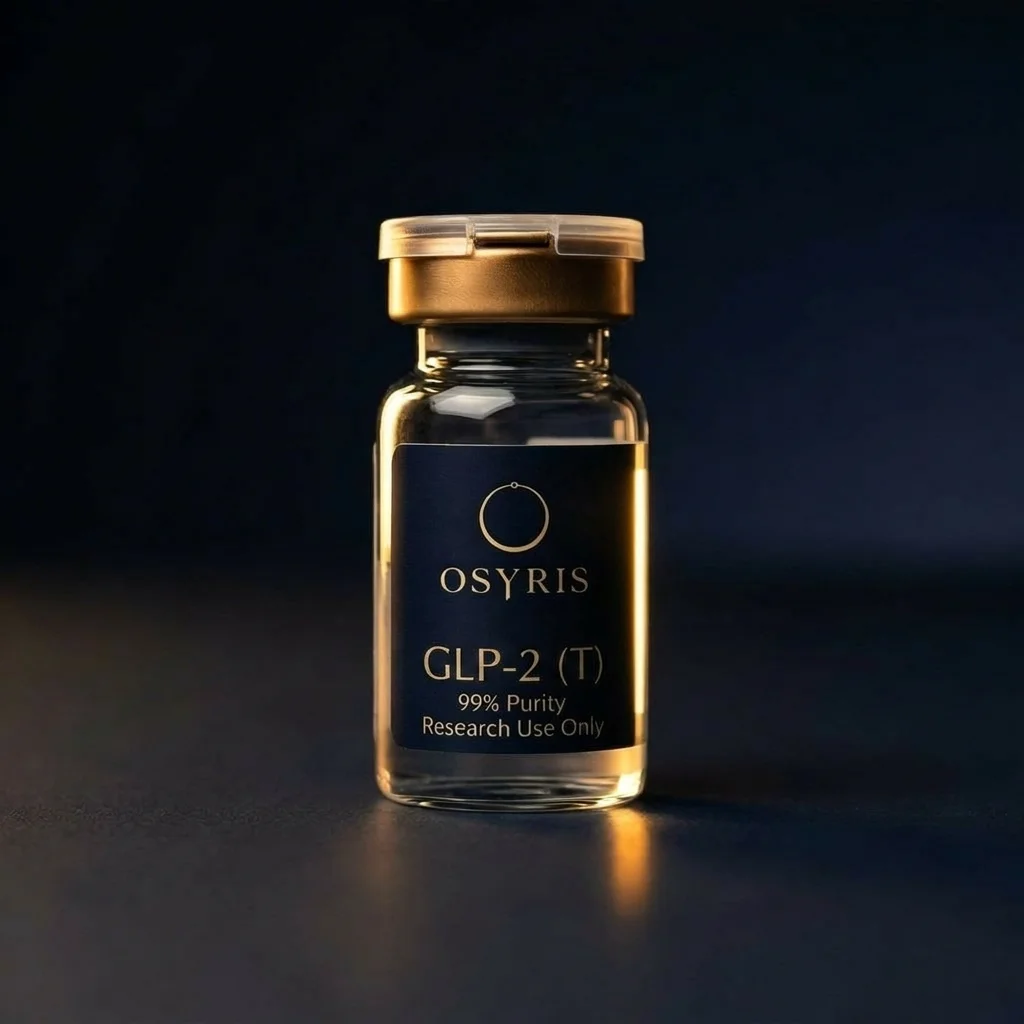 Research Product
GLP-2 (T)
Research Product
GLP-2 (T)
GLP – 2 (T) is a synthetic peptide designed as a dual agonist of GIP and GLP-1 receptors. It is studied for its effects on glycemic control, insulin signaling, and appetite regulation in metabolic research. GLP – 2 (T) is intended strictly for laboratory research use and is not approved for human or veterinary application.
View product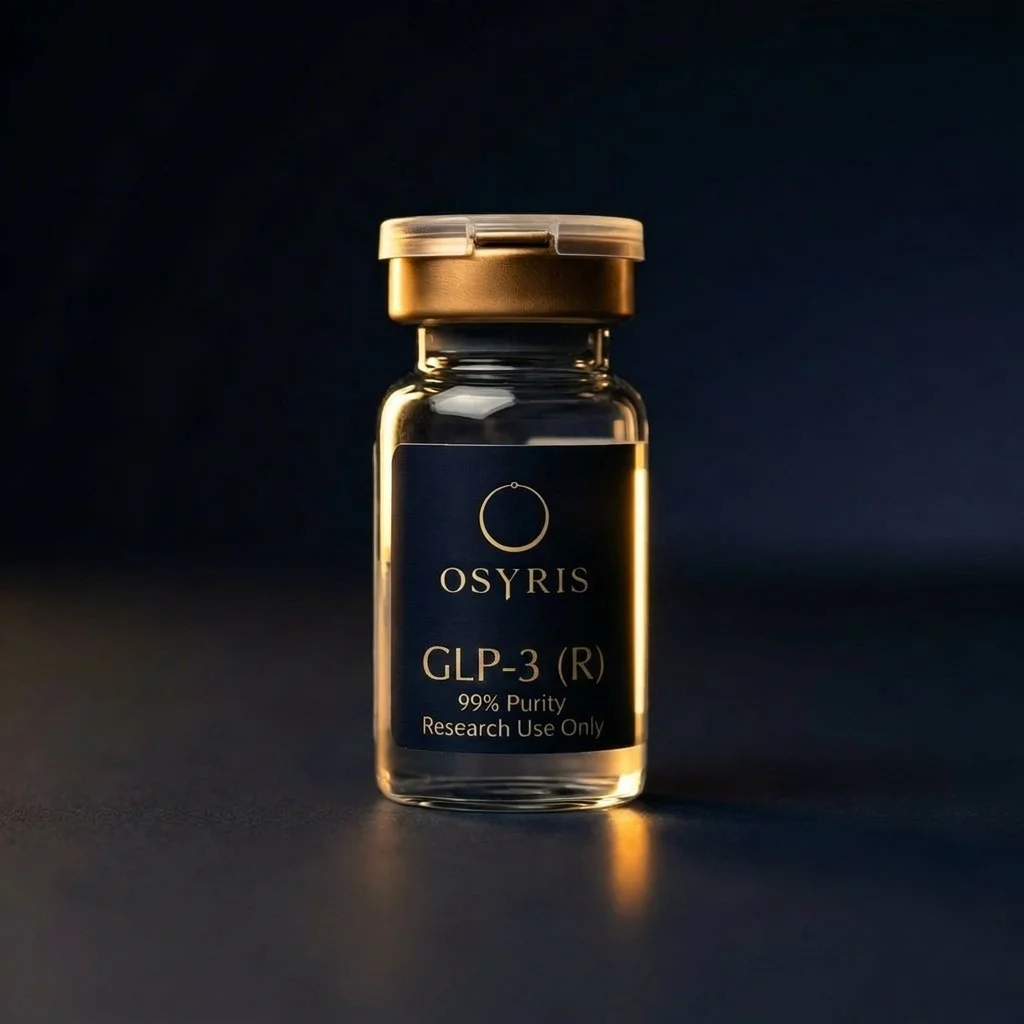 Research Product
GLP-3 (R)
Research Product
GLP-3 (R)
GLP – 3 (R) is a synthetic peptide that functions as a triple agonist of GLP-1, GIP, and glucagon receptors. It is studied in preclinical settings for its role in regulating energy balance, glucose metabolism, and lipid utilization. GLP – 3 (R) is provided exclusively for scientific research and is not approved for therapeutic use.
View productQuestions
Common Questions
What is the incretin effect?
It is the stronger insulin response produced by oral glucose compared with intravenous glucose, driven by gut-derived hormone signaling.
Why is glucose-dependence important?
Because it means incretin signaling tends to work hardest when glucose is elevated, which changes how the pathway behaves compared with direct insulin delivery.
How do GLP-1 and GIP differ?
They are related gut-hormone pathways with overlapping but distinct receptor biology, tissue effects, and metabolic consequences.
What does adding glucagon do?
It adds a further metabolic dimension, often linked to energy expenditure and broader whole-body fuel handling in triple-agonist research.
What is the enteroinsular axis?
The communication network linking the gut, its hormones, and pancreatic insulin output after nutrient intake.
How do incretin mimetics differ from insulin?
They work by modulating receptor signaling upstream of insulin secretion and appetite physiology, rather than supplying insulin directly.