

Roundup
Best Cognitive Peptides for Research
A cognitive roundup comparing Semax, Selank, DSIP, and adjacent compounds by neuroplasticity, stress regulation, and sleep-linked research fit.

Three Dimensions of Cognitive Peptide Research
Cognitive peptide research is easier to navigate when it is split into three lanes: neuroplasticity and performance, anxiety and stress regulation, and sleep-linked neurological recovery. Semax, Selank, and DSIP each sit closer to one of those lanes, which is why they should be compared rather than treated as one interchangeable nootropic family.
That comparison also clarifies where overlap begins. A protocol about attention and BDNF may land on Semax. A protocol about stress response and anxiolytic framing may favor Selank. A protocol about sleep timing and downstream neurological consequences may be better served by DSIP.
Evidence Ranking and Supporting Context
- Semax — strongest visibility in neurotrophic and cognitive-performance discussions.
- Selank — strongest when stress regulation and anxiolytic models are central.
- DSIP — most specific to sleep-linked and neuroregulatory questions.
- NAD+ / VIP — supportive cross-category tools when neuroprotection or neuroimmune overlap enters the design.
Combining Tools Without Blurring the Question
Semax and Selank are the classic pairing because they emerged from the same research ecosystem and address adjacent neurological questions. The pairing makes sense when the protocol explicitly studies complementary neurocognitive and stress-linked effects. It makes less sense when the goal is to isolate one mechanism cleanly.
The best cognitive peptide is therefore the one that narrows the research question rather than broadening it. Clearer protocols almost always beat more crowded ones.
Featured Links
 Research Product
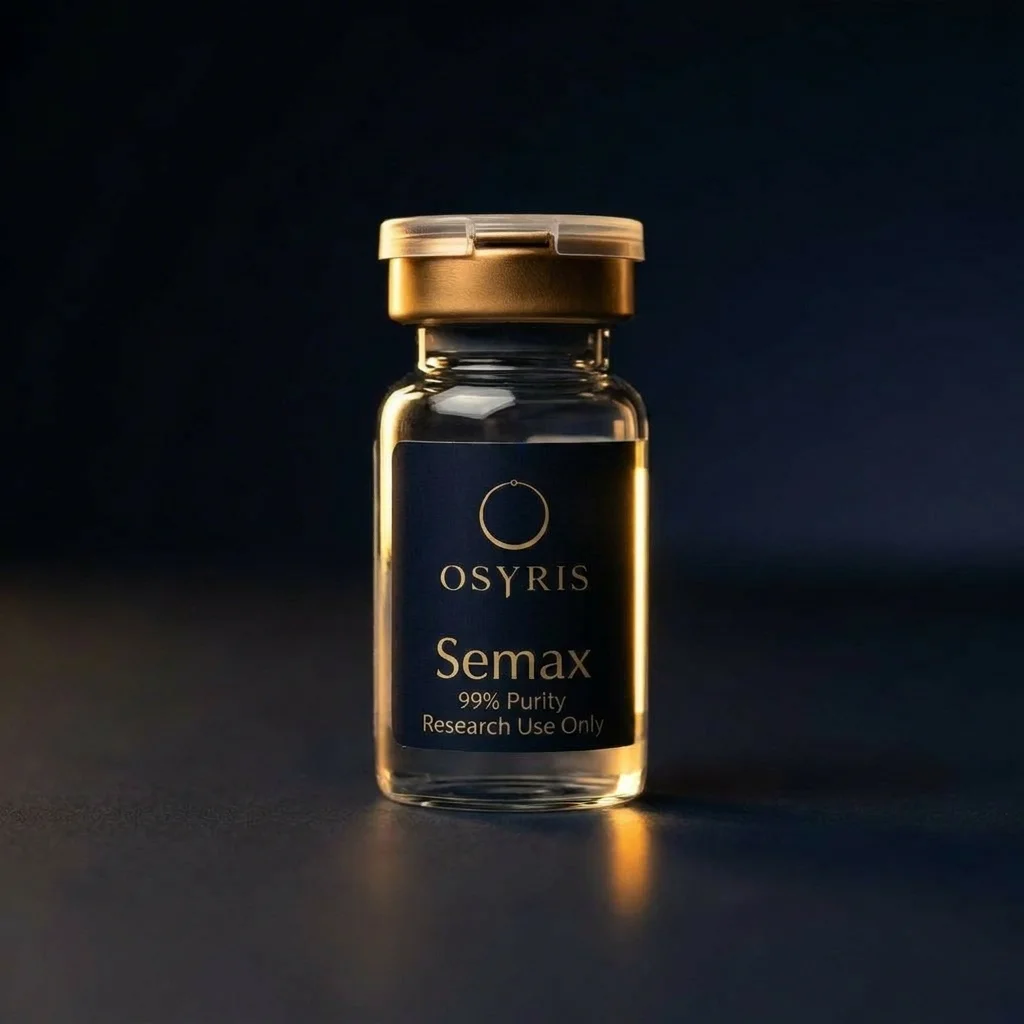
Semax
Research Product
Semax
Semax is a synthetic heptapeptide (Met-Glu-His-Phe-Pro-Gly-Pro) derived from the ACTH(4–10) fragment of adrenocorticotropic hormone. It is widely used in neuroscience and pharmacological research for its ability to modulate brain-derived neurotrophic factor (BDNF), melanocortin receptors, and various neurotransmitter systems. Supplied as a lyophilized powder, Semax is intended strictly for laboratory research use only.
View product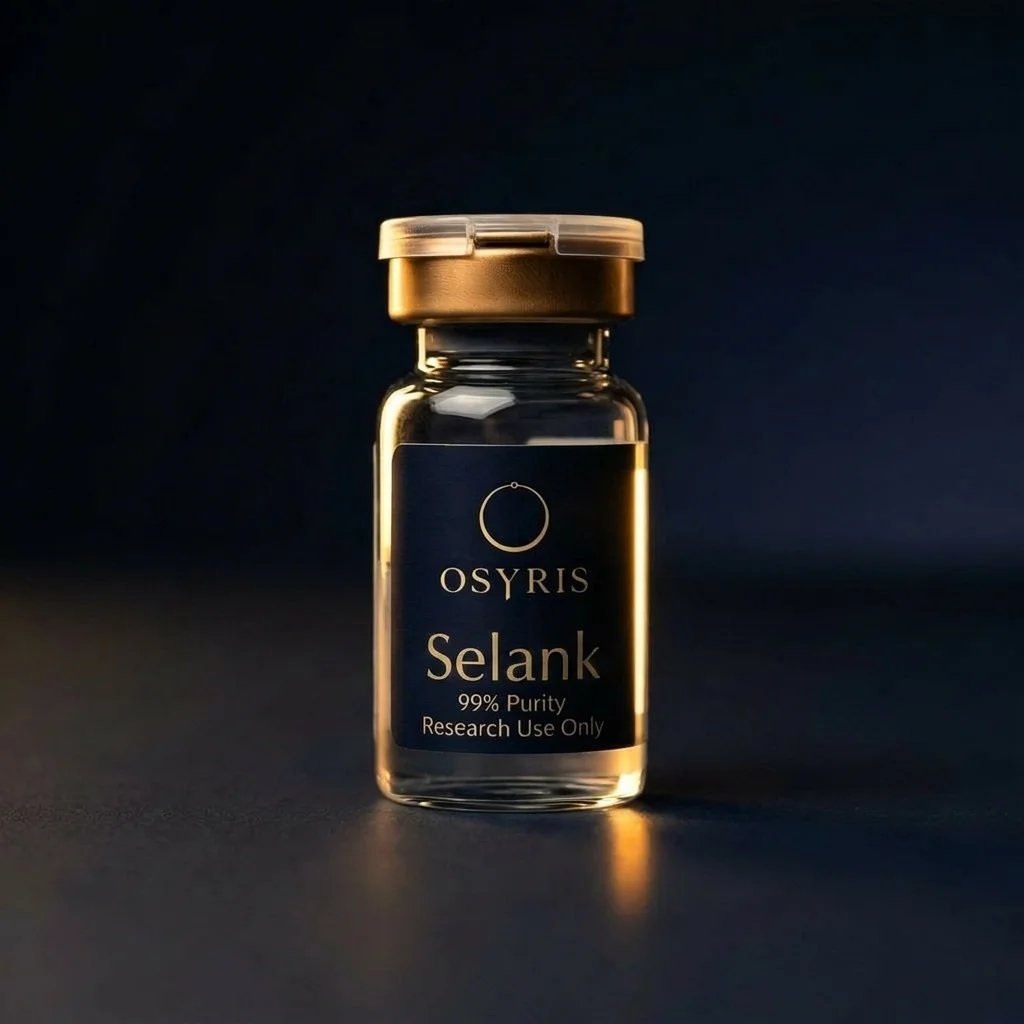 Research Product
Selank
Research Product
Selank
Selank is a synthetic heptapeptide with the amino acid sequence Thr-Lys-Pro-Arg-Pro-Gly-Pro. Structurally derived from the endogenous tetrapeptide tuftsin, Selank is classified as an anxiolytic and neuroregulatory research peptide. It has been widely studied for its impact on monoamine neurotransmitters, immune modulation, and neurotrophic factors. Supplied as a lyophilized powder, Selank is intended strictly for in vitro and in vivo research applications.
View product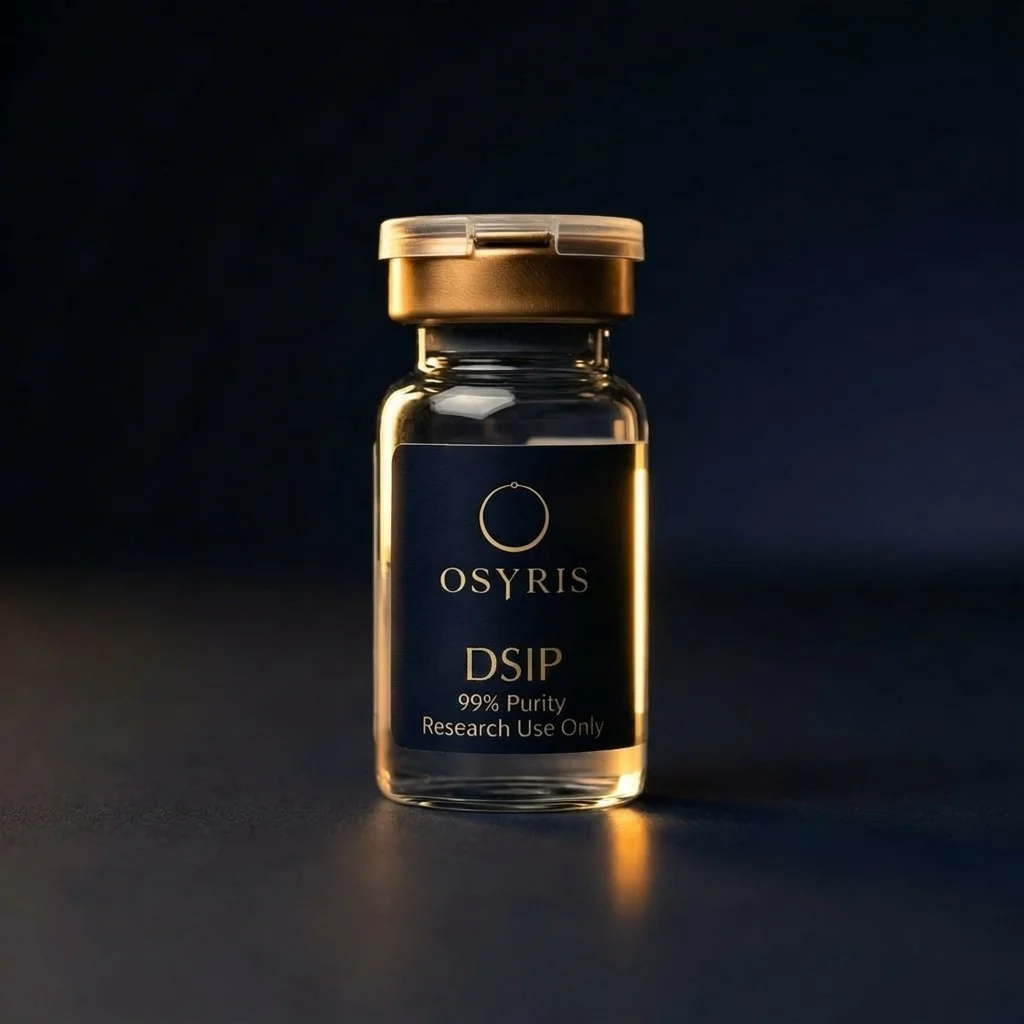 Research Product
DSIP
Research Product
DSIP
DSIP is a synthetic nonapeptide corresponding to an endogenous peptide first associated with sleep regulation. It is used in neurobiology to investigate sleep–wake modulation, stress responses, and neuroendocrine signaling.
View product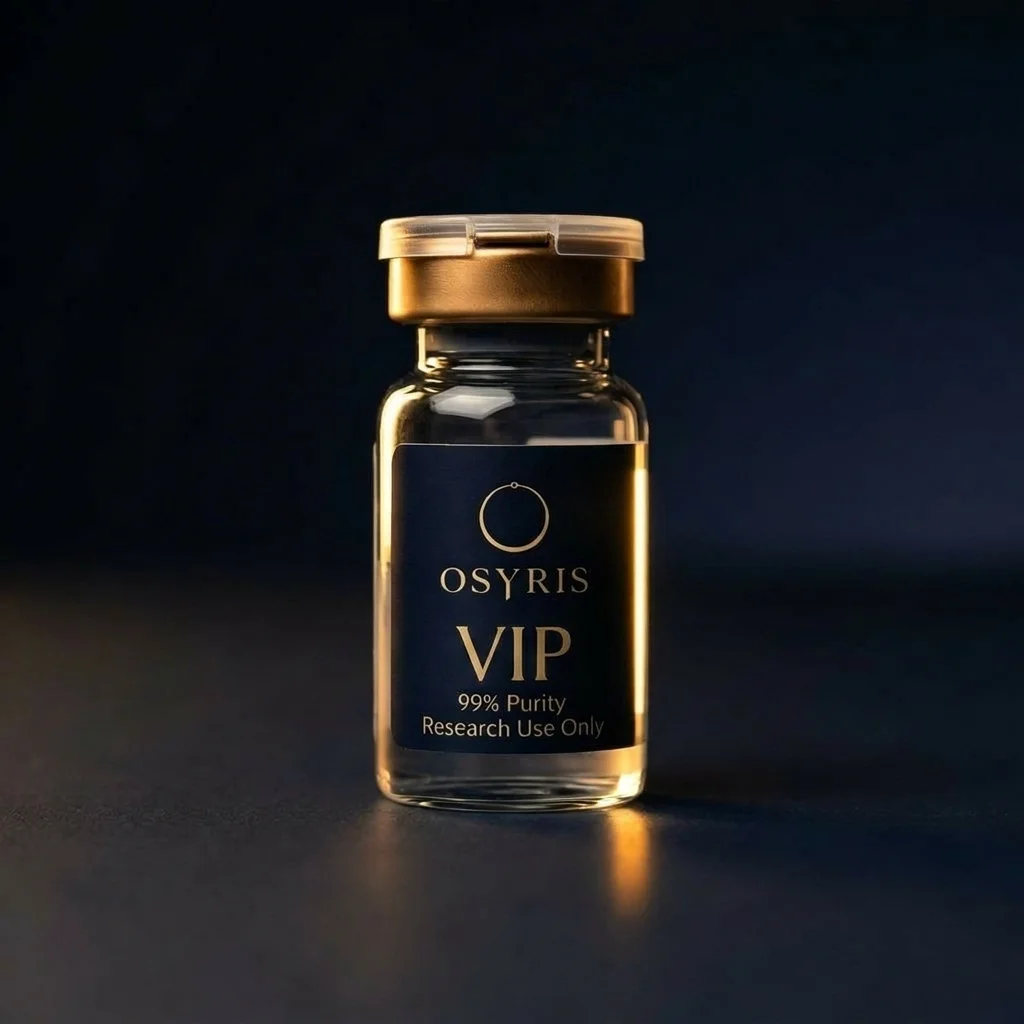 Research Product
VIP
View product
Research Product
VIP
View product
 Research Product
NAD+
Research Product
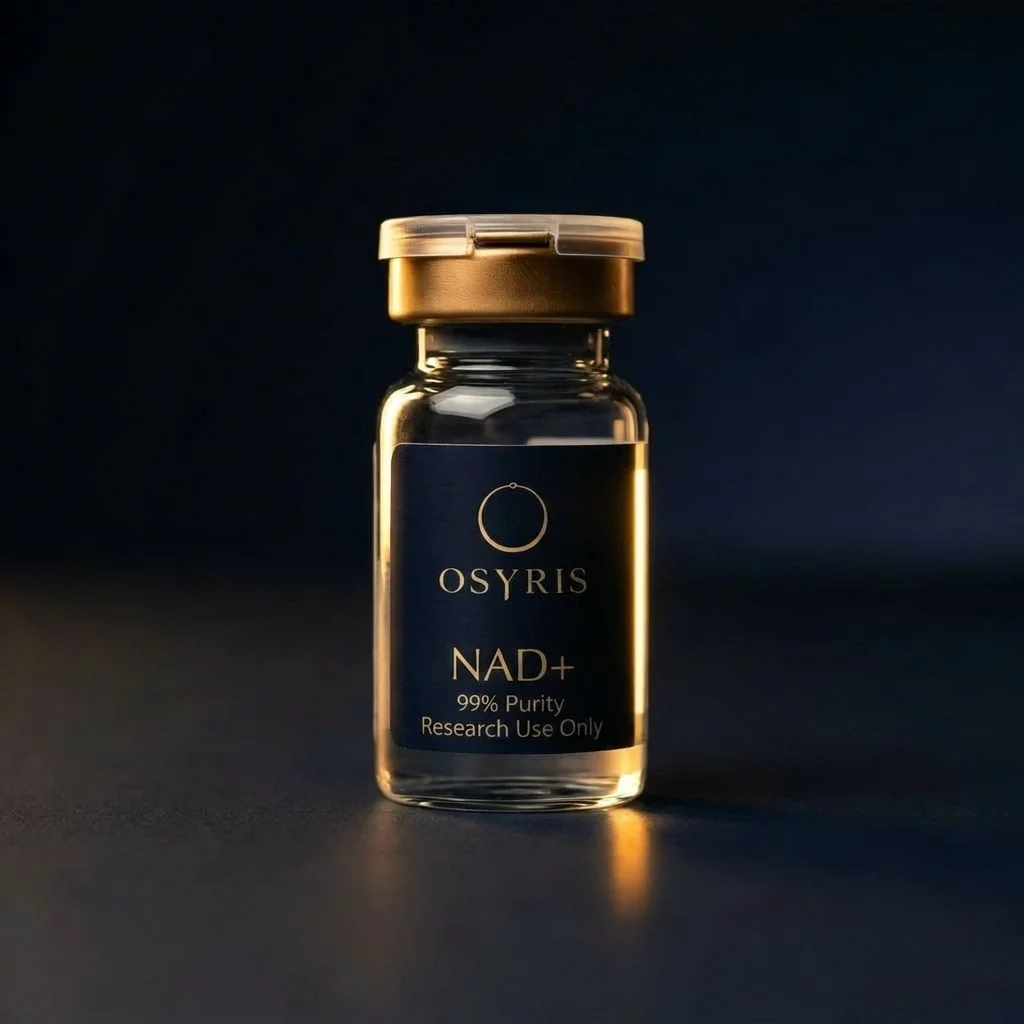
NAD+
NAD⁺ is a coenzyme present in all living cells, playing a central role in redox reactions, energy metabolism, DNA repair, and cellular signaling. This high-purity NAD⁺ solution is designed for laboratory research involving aging, mitochondrial function, and sirtuin activation pathways. Not for human use or therapeutic application.
View productQuestions
Common Questions
Which cognitive peptide has the strongest evidence?
Semax generally has the strongest visibility in neurotrophic and cognitive-performance discussions, with Selank close behind in stress-linked models.
Are Semax and Selank the same kind of peptide?
They are related in conversation but not identical. They are different compounds with different research emphases.
Where does DSIP fit?
DSIP fits best when the protocol is about sleep, circadian regulation, or recovery-linked neurological timing rather than direct nootropic framing.
Can I combine Semax and Selank?
Yes, but the protocol should explicitly be about complementary signaling rather than assuming combination is always superior.
Why mention NAD+ in a cognitive roundup?
Because mitochondrial stress and neuronal energy handling often overlap with cognitive and neuroprotective research questions.
Are these sold for human use?
No. They are sold by OSYRIS for laboratory research only.