

Aesthetics
Glutathione — The Master Antioxidant in Every Cell
Glutathione research overview covering antioxidant defense, redox biology, detoxification pathways, pigmentation research, and aging.

The Cell's First Line of Defense
Glutathione isn't rare. It isn't exotic. It's the most abundant intracellular antioxidant in the human body — present at millimolar concentrations in virtually every cell. It's a simple tripeptide: glutamate-cysteine-glycine. And it is absolutely essential for cellular survival.
The cell generates reactive oxygen species (ROS) constantly — they're unavoidable byproducts of mitochondrial energy production. At low levels, ROS serve as signaling molecules. At high levels, they damage DNA, proteins, and lipid membranes. Glutathione is the primary buffer that keeps ROS at manageable levels, donating electrons to neutralize them before they cause damage.¹
Four Functions, Not Just One
Glutathione's biology extends well beyond simple ROS scavenging:
1. Direct antioxidant defense. GSH donates electrons to reactive oxygen species, converting them to water. In the process, GSH is oxidized to GSSG. The ratio of GSH/GSSG is the cell's primary redox state indicator — a high ratio means healthy antioxidant capacity, a low ratio signals oxidative stress.
2. Enzymatic cofactor. Glutathione peroxidase uses GSH to convert hydrogen peroxide (H₂O₂) to water — an enzymatic reaction far more efficient than direct GSH scavenging alone. Glutathione S-transferases use GSH to conjugate and detoxify xenobiotics, drug metabolites, and endogenous toxins through Phase II metabolism.²
3. Protein regulation. Glutathionylation — the reversible attachment of GSH to protein cysteine residues — is a post-translational modification that regulates protein function. This is an emerging research area revealing glutathione as a signaling molecule, not just a passive defender.
4. Immune cell support. Lymphocytes and macrophages are highly dependent on adequate glutathione for optimal function. GSH depletion impairs T-cell proliferation, NK cell cytotoxicity, and cytokine production. This connects glutathione to immune biology and explains its cross-listing to the OSYRIS Immune category.³
The Skin Biology Connection
Glutathione's aesthetics relevance comes from two properties:
Melanogenesis modulation. In vitro studies show that glutathione inhibits tyrosinase — the rate-limiting enzyme in melanin production — and shifts melanin synthesis from eumelanin (dark) to pheomelanin (light). This makes it a research tool for studying pigmentation biology.⁴
Photoaging defense. UV radiation generates massive ROS in skin cells. Glutathione is the first-line defense against UV-induced oxidative damage. GSH-depleted skin cells show dramatically increased susceptibility to UV damage in cell culture models.
The Aging Dimension
Glutathione levels decline with age across tissue types. The decline is attributed to reduced synthesis (lower activity of γ-glutamylcysteine ligase, the rate-limiting enzyme) and increased consumption (more oxidative stress in aging tissues). Low GSH in aged tissues correlates with — and may contribute to — mitochondrial dysfunction, DNA damage accumulation, and impaired immune function.⁵
This age-related decline connects glutathione to the Longevity cross-listing: GSH status is both a biomarker of cellular aging and a potential intervention target.
Limitations
Glutathione is extremely well-characterized biochemically but the interventional research (whether supplementing GSH reverses age-related decline) is less conclusive. Oral GSH bioavailability is debated — the tripeptide may be degraded in the GI tract before absorption. Research-grade GSH for laboratory studies bypasses this issue since it's used in cell culture and parenteral models.
Featured Links
 Research Product
Glutathione
Research Product
Glutathione
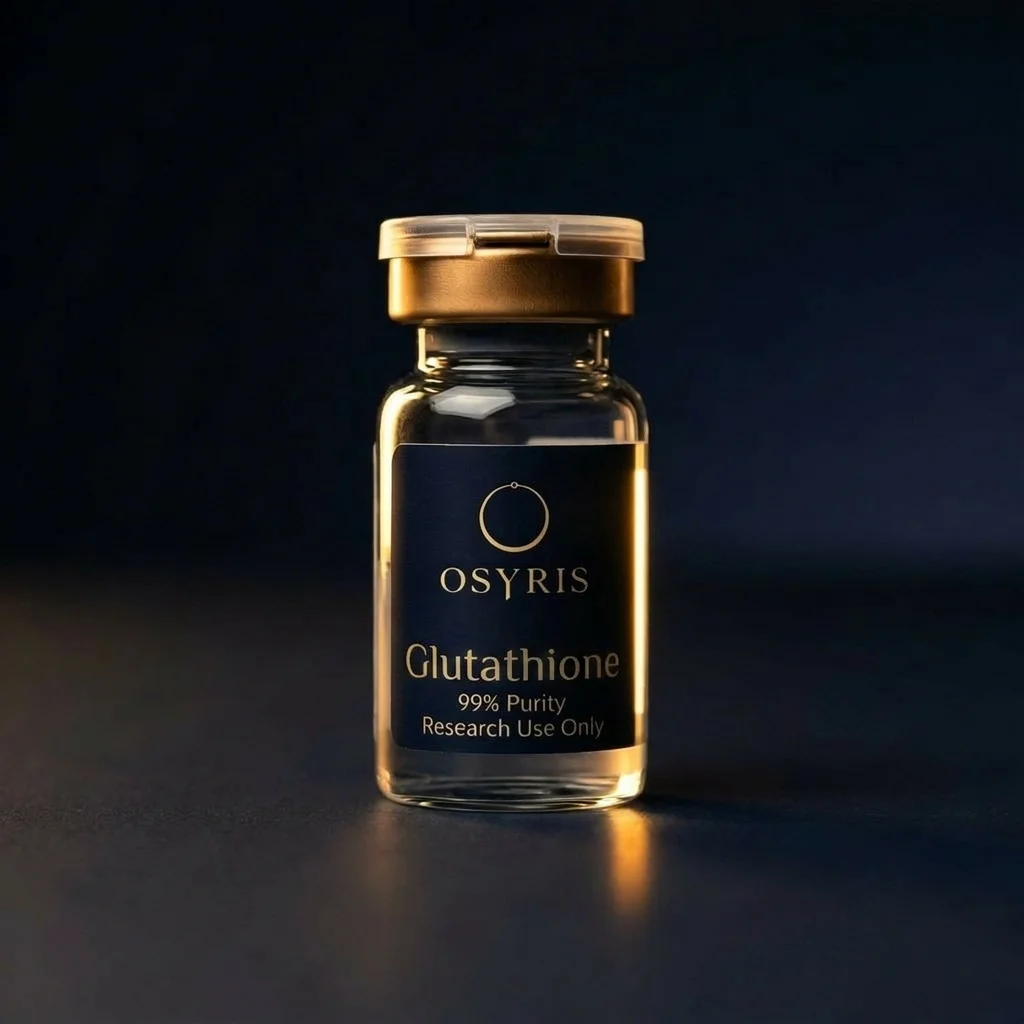
Glutathione (GSH) is an endogenous γ-glutamyl-cysteinyl-glycine tripeptide supplied as a research-grade standard. It is central to models of redox homeostasis, detoxification, antioxidant defense, and thiol-based signaling.
View product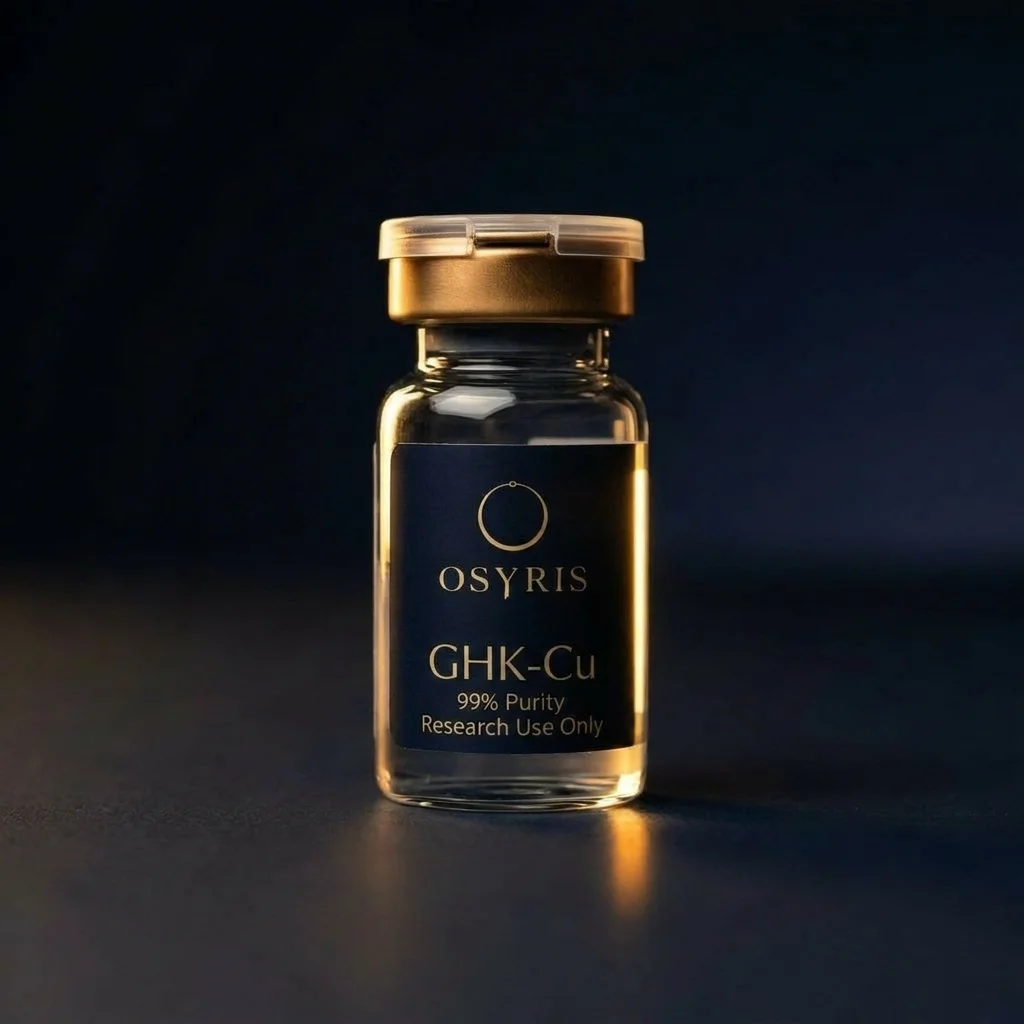 Research Product
GHK-Cu
Research Product
GHK-Cu
GHK-Cu is the copper(II) complex of glycyl-L-histidyl-L-lysine. It is widely used in vitro to study copper transport, redox balance, extracellular matrix regulation, and gene expression signatures related to tissue remodeling and cellular stress responses.
View product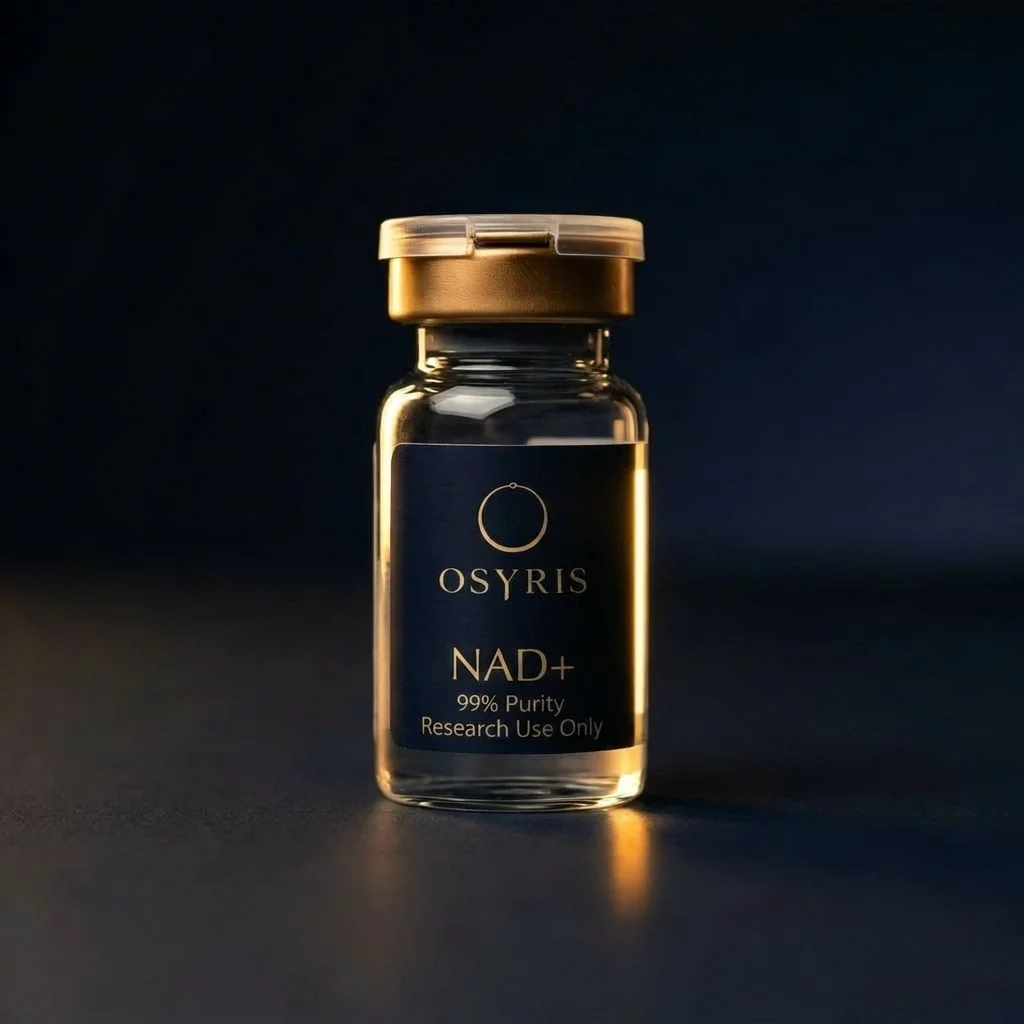 Research Product
NAD+
Research Product
NAD+
NAD⁺ is a coenzyme present in all living cells, playing a central role in redox reactions, energy metabolism, DNA repair, and cellular signaling. This high-purity NAD⁺ solution is designed for laboratory research involving aging, mitochondrial function, and sirtuin activation pathways. Not for human use or therapeutic application.
View productQuestions
Common Questions
Is Glutathione a peptide?
Technically yes — it's a tripeptide (three amino acids). Functionally it's classified as an antioxidant and metabolic cofactor.
Why does GSH decline with age?
Reduced synthesis (enzyme activity declines) and increased consumption (more oxidative stress). Supply drops while demand rises — similar to NAD+ decline.
What is the GSH/GSSG ratio?
The ratio of reduced (active) to oxidized (spent) glutathione. It's the standard biomarker of cellular redox status. High ratio = healthy, low ratio = oxidative stress.
How does GSH affect pigmentation?
It inhibits tyrosinase (melanin-producing enzyme) and shifts melanin production toward pheomelanin (lighter form). This is studied in dermatological research.
Can GSH be absorbed orally?
Debated. The tripeptide may be degraded in the GI tract. Research-grade GSH is used in cell culture and parenteral studies where absorption isn't a variable.
Why is GSH in three categories?
Aesthetics (melanogenesis/skin biology), Immune (immune cell function requires adequate GSH), Longevity (GSH decline is a biomarker and potential driver of aging).
References
- Forman HJ, et al. "Glutathione: overview." Molecular Aspects of Medicine, 2009. PMID 18926850
- Hayes JD, et al. "Glutathione S-transferases." Annual Review of Pharmacology and Toxicology, 2005. PMID 15822171
- Droge W, Breitkreutz R. "Glutathione and immune function." Proceedings of the Nutrition Society, 2000. PMID 11209280
- Villarama CD, Maibach HI. "Glutathione as a depigmenting agent." International Journal of Cosmetic Science, 2005. PMID 18492135
- Sekhar RV, et al. "Deficient synthesis of glutathione underlies oxidative stress in aging." American Journal of Clinical Nutrition, 2011. PMID 21849427